Why Curly Hair Sheds More in Autumn — and the Oils That Actually Help
Seeing more hair in your detangling brush this autumn? Learn what causes seasonal shedding in curly hair, how to tell shedding from breakage, which carrier and essential oils have the best evidence, and how to make a gentle DIY scalp serum.
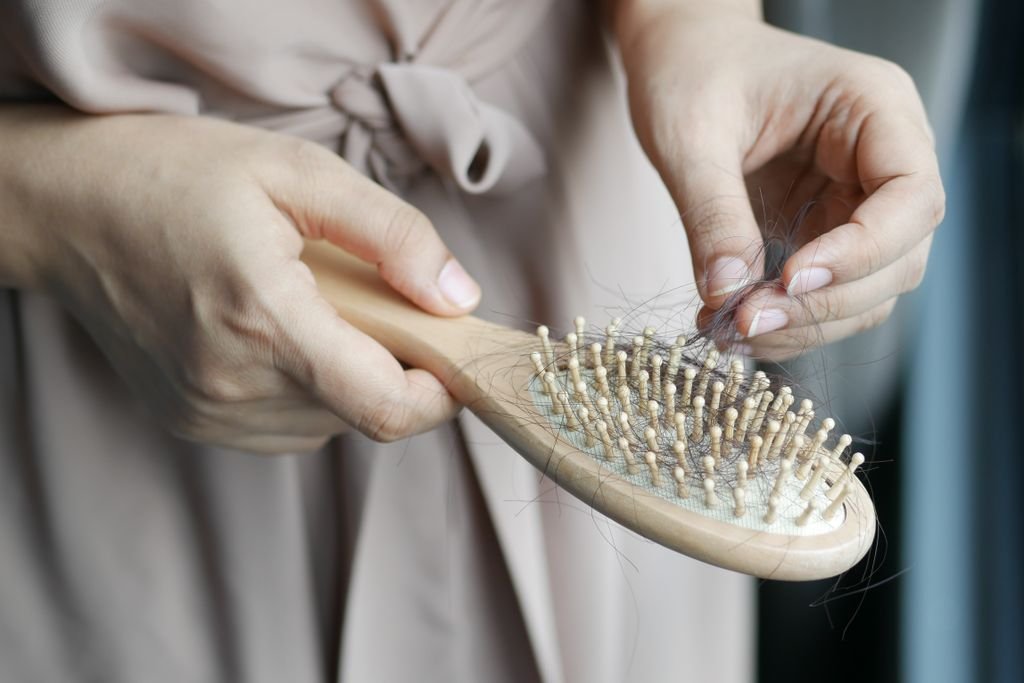
It’s that time of the year again. I run my fingers through my hair or finger-detangling it after applying the conditioner on my wash day and suddenly there are quite a few hairs left in my hands.
It happens every year, in late August or early September, and the timing isn’t a coincidence. Seasonal shedding is one of the best-documented patterns in hair research. But let me tell you, my curly beauties: the shed itself is usually completely normal. So let’s look at what really happens to your curls in autumn and why shedding can become more noticeable at that time specially for curly-haired.
This post covers what’s actually happening on your scalp from late summer through autumn, how to distinguish shedding from breakage in about ten seconds and which oils have proved supportive through this phase. Let’s go!
Why Autumn Shedding Feels Worse When You Have Curly Hair
Straight hair sheds continuously and invisibly. Loose hairs slide down the shaft and drop out over the course of the day: on pillows, on jumpers, on the floor. You never see them collected in one place.
Curly hair doesn’t let go. A shed hair with its bulb intact gets caught in the coils and bends of the hairs around it. It stays there, physically trapped by your curl pattern, until something mechanically releases it. That something is your wash day or morning detangling.
Now add the Curly Girl Method to the equation. If you’re washing twice a week, you’re releasing three or four days of shedding in one go. If you’re a co-wash-midweek, shampoo-once-a-week person, that’s seven days of normal shedding arriving in a single fifteen-minute detangling session. At 80 hairs a day, a weekly wash means confronting 560 hairs at once. That is a genuinely shocking quantity of hair to hold. Yet it’s also completely normal.
Shedding or Breakage? The Ten-Second Test
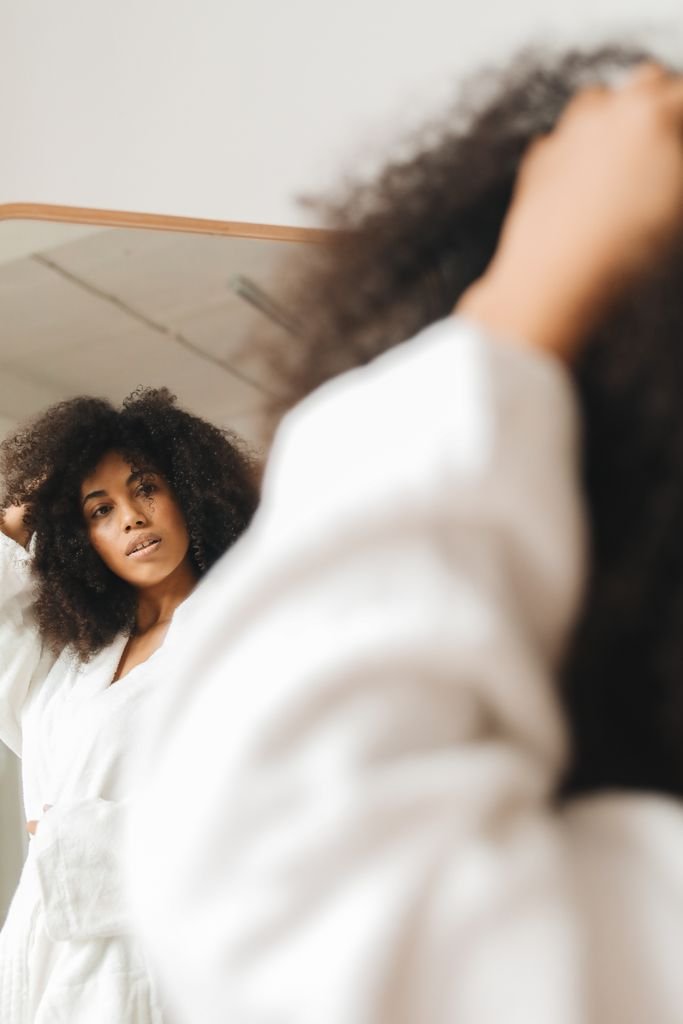
These two get conflated constantly. To find out whether it’s seasonal shedding or breakage in your case, look at one of the shed hairs under a decent light.
If you see a small, pale, slightly bulbous tip, that means it’s shedding. That’s the hair bulb. The hair completed its cycle and released from the follicle. This is what seasonal shedding looks like and it means the follicle is intact and will produce a new hair.
If there’s no bulb, both ends the same and the hair is shorter than your overall length – it’s breakage. The hair snapped mid-shaft before finishing its complete growth cycle. In other words this is a mechanical and moisture problem, not a hair cycle problem.
Curly hair is structurally more prone to breakage than straight hair and it’s due to its structure. The elliptical cross-section and the twists along the curly hair shaft create weak points and cuticles lift at every bend. So if you see your autumn “shed” is mostly bulbless strands, that’s a sign the summer left your hair dry and damaged.
What Triggers Autumn Shedding
Photoperiod. Human follicles appear to retain some sensitivity to the changing ratio of daylight to darkness across the year. Shifts in melatonin rhythms as summer turns to autumn are the explanation.
Summer damage catching up with you. UV degrades keratin and lifts the cuticle. Chlorine and salt water strip lipids. Twelve weeks of that shows up as autumn breakage that reads as shedding.
Vitamin D dropping. At UK latitudes, you effectively stop synthesising vitamin D from sunlight around October. Low vitamin D has been associated with telogen effluvium, a temporary shed caused by an unusually large batch of follicles switching into the resting phase at the same time.
Perimenopause. If you’re in your forties or fifties, falling oestrogen shortens the anagen growth phase and lets each hair spend proportionally longer resting. A seasonal shed landing on a perimenopausal scalp feels significantly heavier than the same shed did at thirty.
Delayed telogen effluvium. A stressful event, such as illness, surgery, a bereavement, crash dieting or a period of very low protein intake, pushes follicles into resting phase. The actual shed follows two to four months later. That’s why a difficult June, for instance, produces a September shed that looks seasonal but it isn’t.
Tension/mechanical reasons. Tight buns, pineapples worn night after night in the same position and clip placement in the same spot pull on the follicle. This one is entirely within your control and worth keeping in mind.
How Natural Oils Can Help Autumn Shedding
Natural oils are perfect as a preventive measure against future shedding. They create better conditions for curls regrowth because they stimulate circulation to the follicle and calm inflammation. A summer of sun, chlorine and salt leaves the scalp barrier thinned and irritated, and an inflamed scalp is slower to restart the growth phase. That’s where oils excel as they calm an inflamed scalp and reinforce a scalp barrier that summer sun has thinned. They’re also excellent at preventing breakage during detangling. Oil lubricates the shaft, softens the tangles and cuts the mechanical damage of wash day.
And there’s one more important benefit linked to oils, which is normally overlooked, and it’s the massage. In a 2016 study, nine men did four minutes of standardised daily scalp massage for 24 weeks and hair shaft thickness increased from 0.085 mm to 0.092 mm. And this is because massaging your scalp sends growth signalling on cells level and switches down inflammation. Which means the four minutes you spend applying the oil may be doing as much work as the oil itself. Tick, tick!
Best Carrier Oils for Autumn Curls Shedding
Pumpkin Seed Carrier Oil
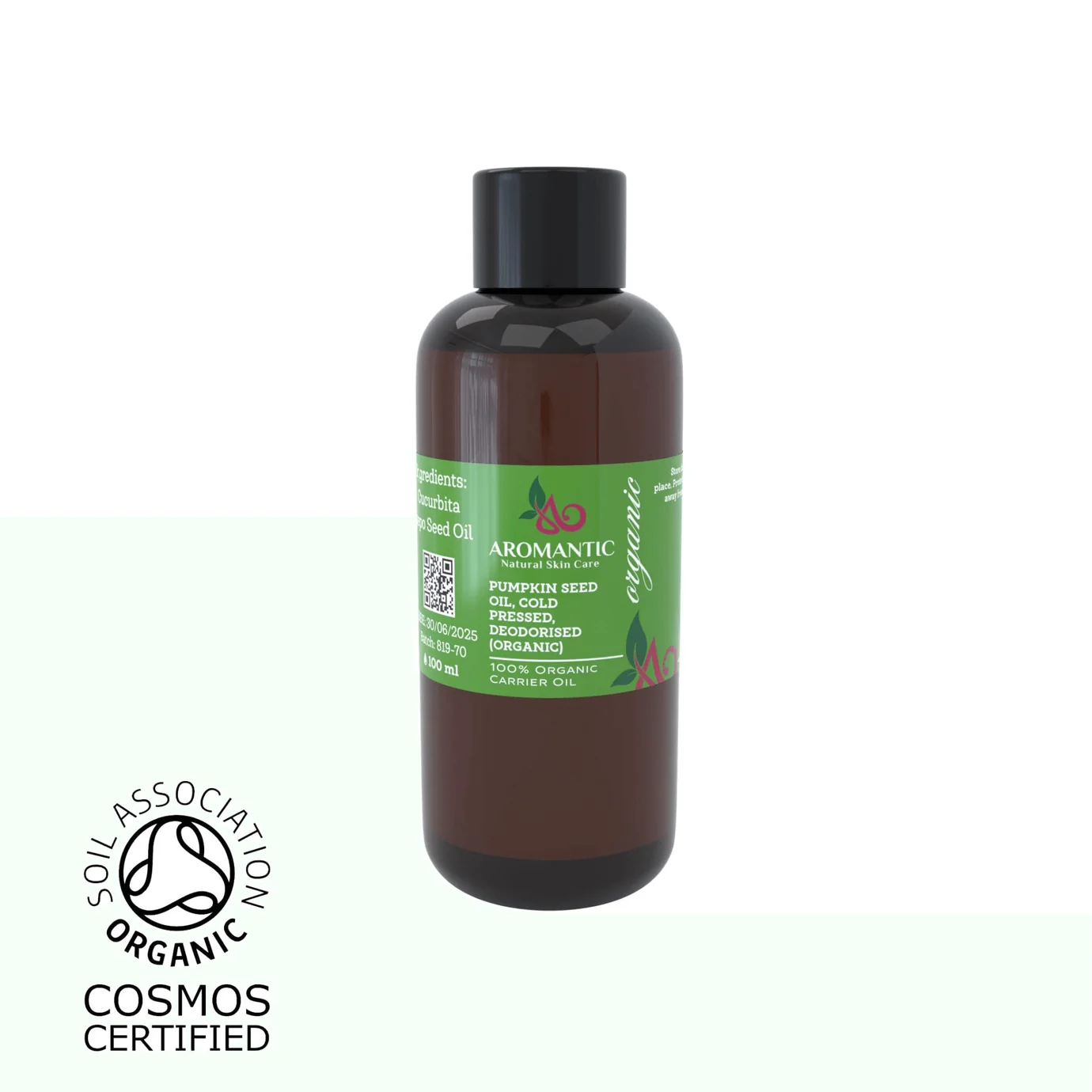
- The Science: Clinical studies demonstrate that topical and oral Pumpkin Seed oil acts as a natural inhibitor of 5-alpha reductase—the enzyme responsible for converting testosterone into DHT (dihydrotestosterone), which miniaturises hair follicles.
- Why It Works for Shedding: Rich in beta-sitosterol and essential fatty acids, Pumpkin Seed oil fortifies the follicle anchor, making it a powerful choice if your seasonal shed is compounding underlying pattern thinning.
Jojoba Carrier Oil
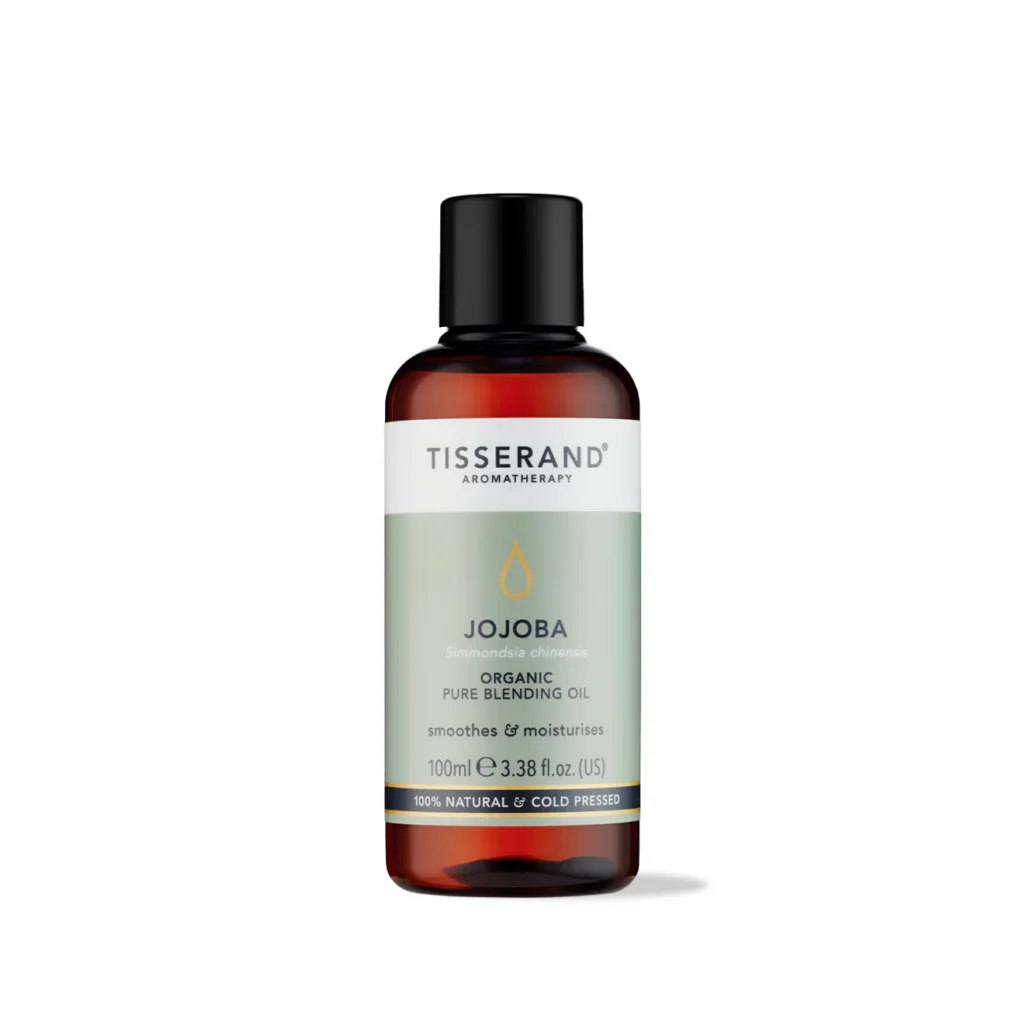
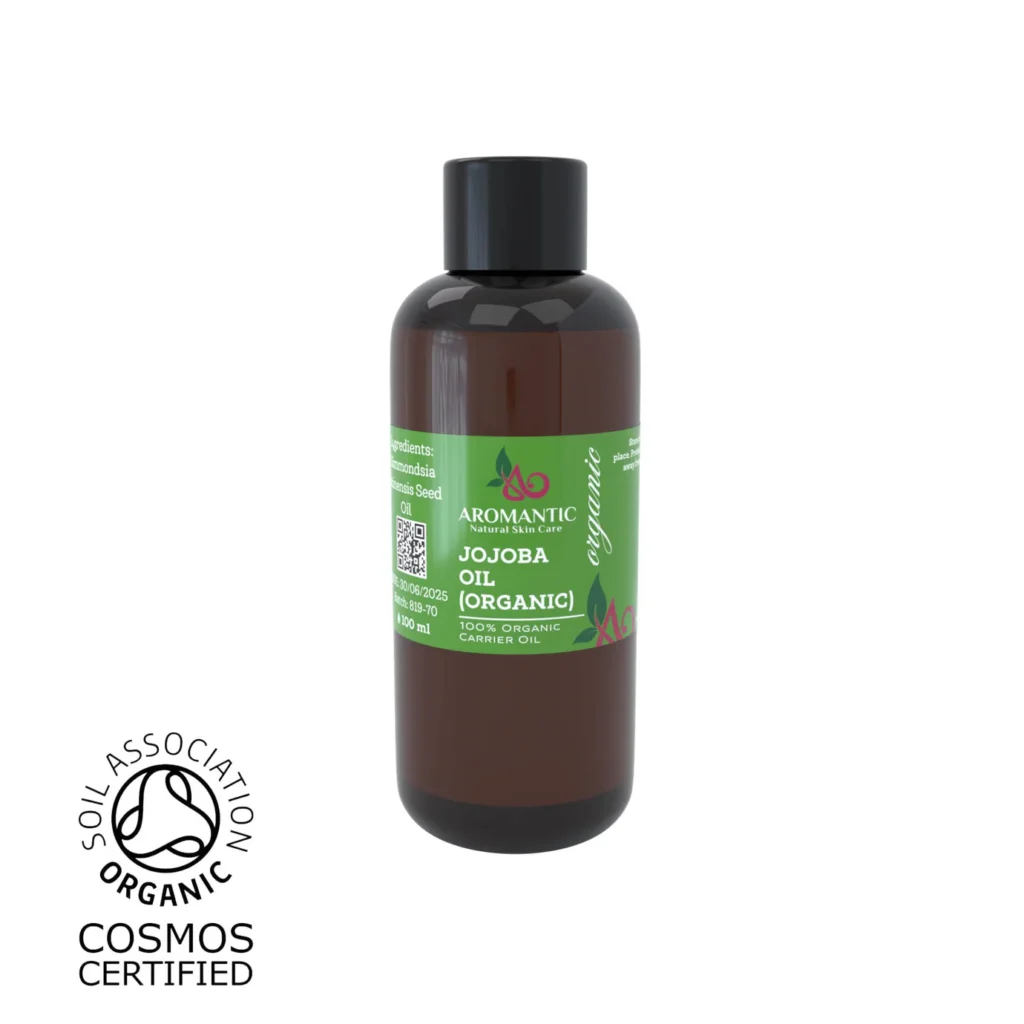
- The Science: Jojoba oil is technically not an oil, but a liquid wax ester that closely mirrors human sebum.
- Why It Works for Shedding: Because of its structural similarity to scalp lipids, Jojoba carrier oil dissolves hardened sebum plugs that clog hair follicles. Clogged follicles lead to localised folliculitis and premature hair loss. Jojoba oil balances oil production without leaving a heavy, greasy film that weighs down fine-to-medium curls.
Grapeseed Carrier Oil
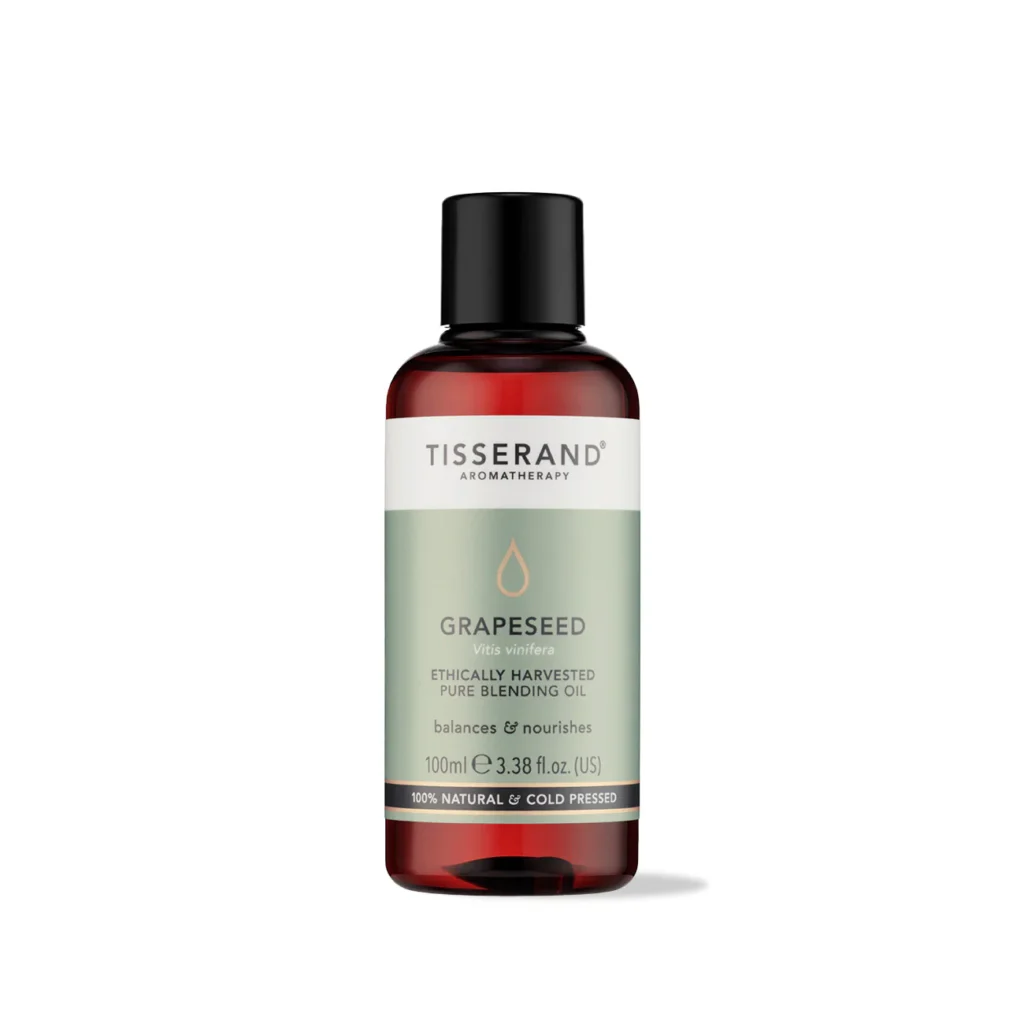
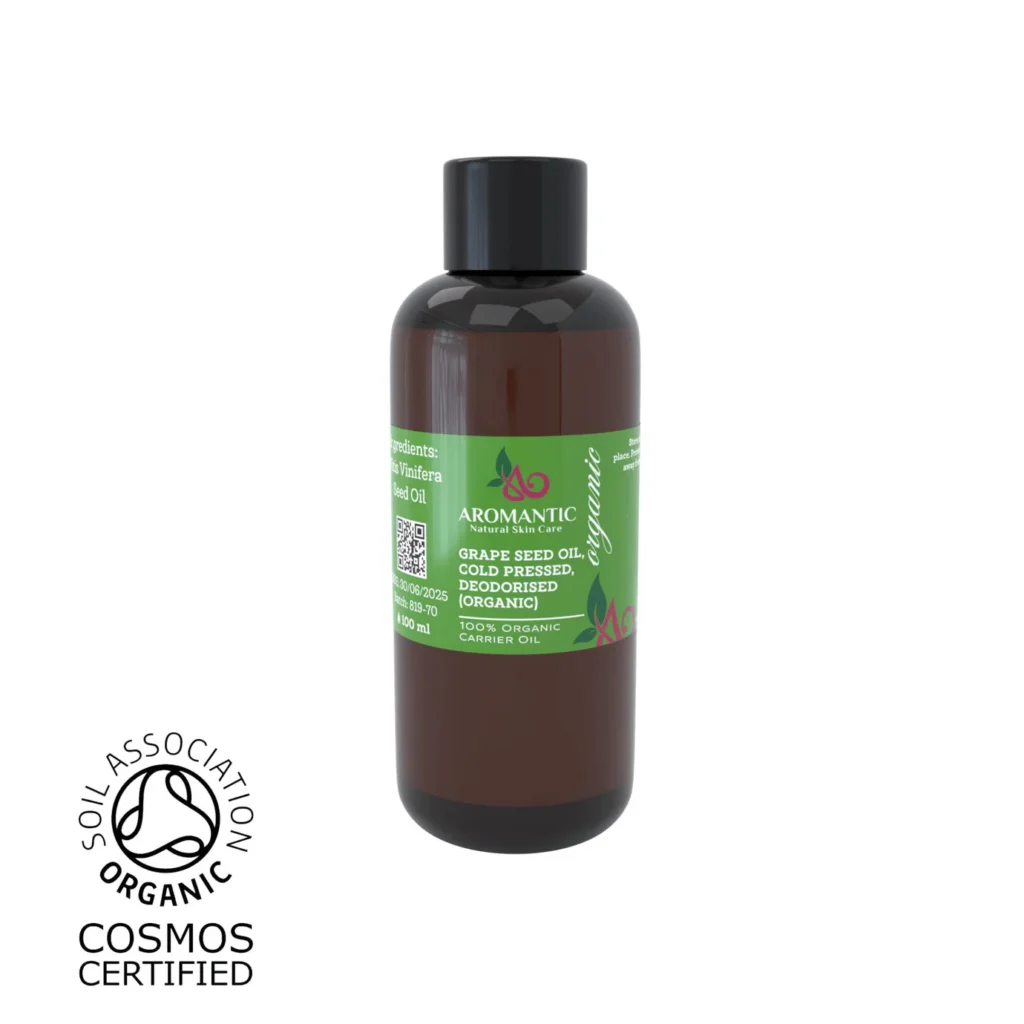
- The Science: An ultra-lightweight, non-comedogenic oil rich in linoleic acid, Vitamin E and proanthocyanidins (potent antioxidants).
- Why It Works for Shedding: Ideal for low-porosity or fine curls that get easily weighed down. Grapeseed oil provides a lightweight antioxidant shield to the scalp, neutralising environmental free radicals that induce follicle stress while helping essential oils penetrate without clogging pores.
Virgin Coconut Carrier Oil
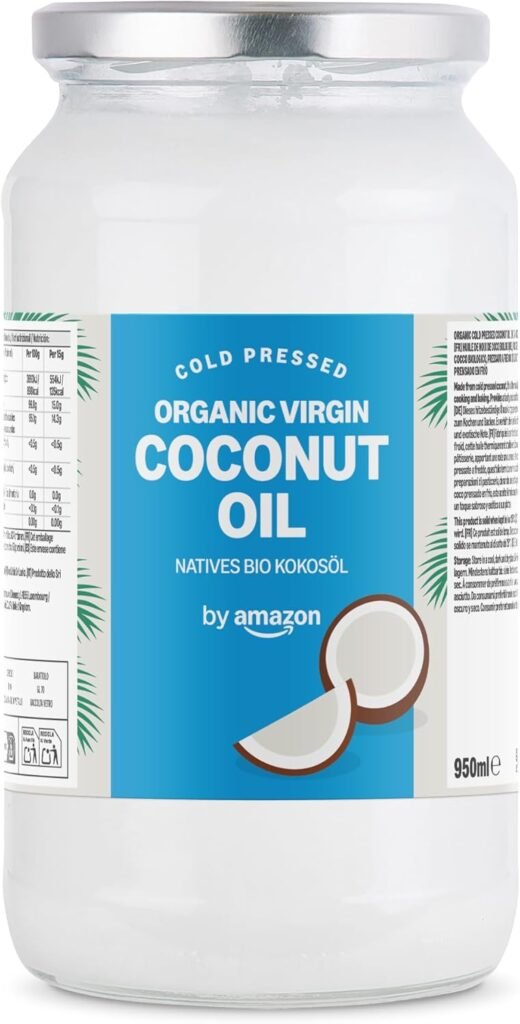
- The Science: High in lauric acid, a low-molecular-weight straight-chain fatty acid with a high affinity for hair proteins.
- Why It Helps Shedding: Unlike heavy surface oils, coconut oil penetrates deep into the cortex of the hair shaft. It reduces protein loss during washing, preventing mechanical breakage that compounds seasonal shedding. (Note: Best used for high-porosity curls; fine or low-porosity curls should use sparingly. You will find more information on Oils for Low-Porosity Curly Hair here).
Best Essential Oils for Autumn Shedding
Rosemary Essential Oil (Rosmarinus officinalis)
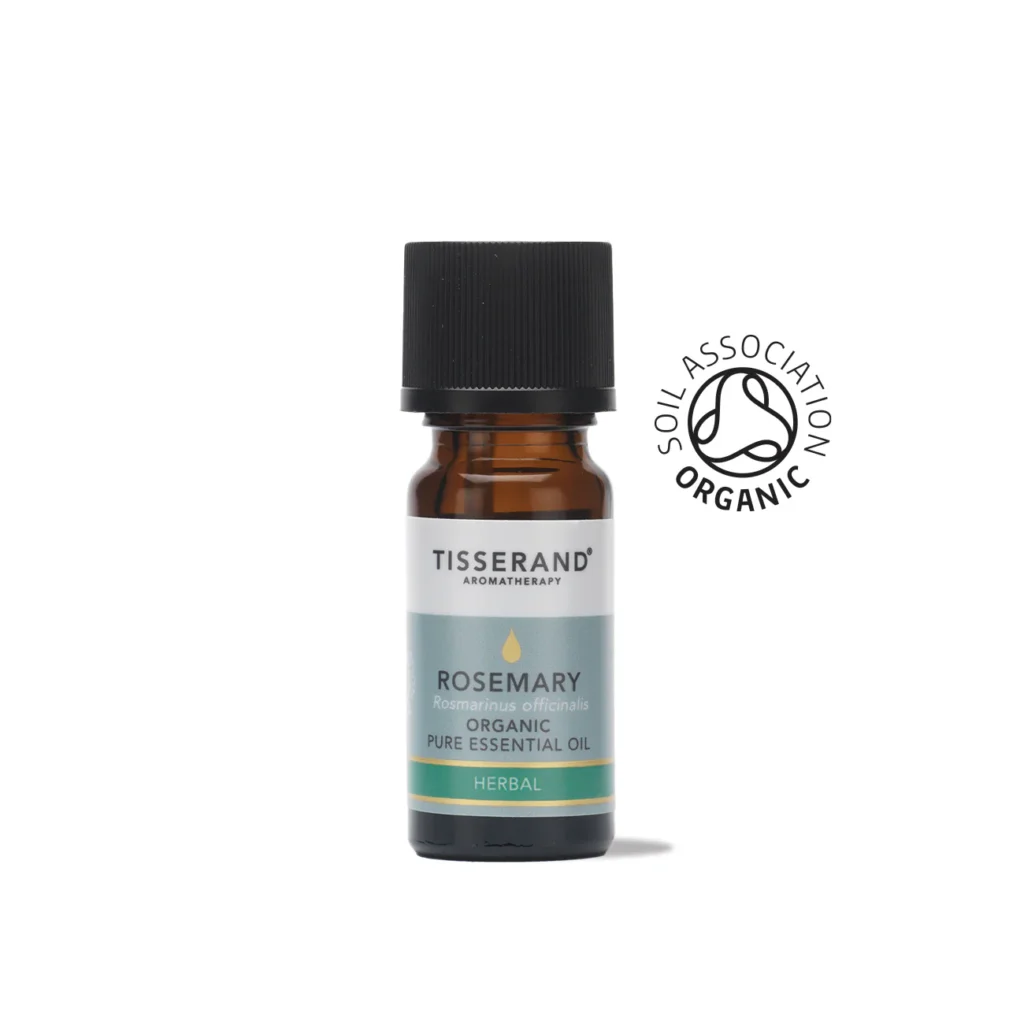
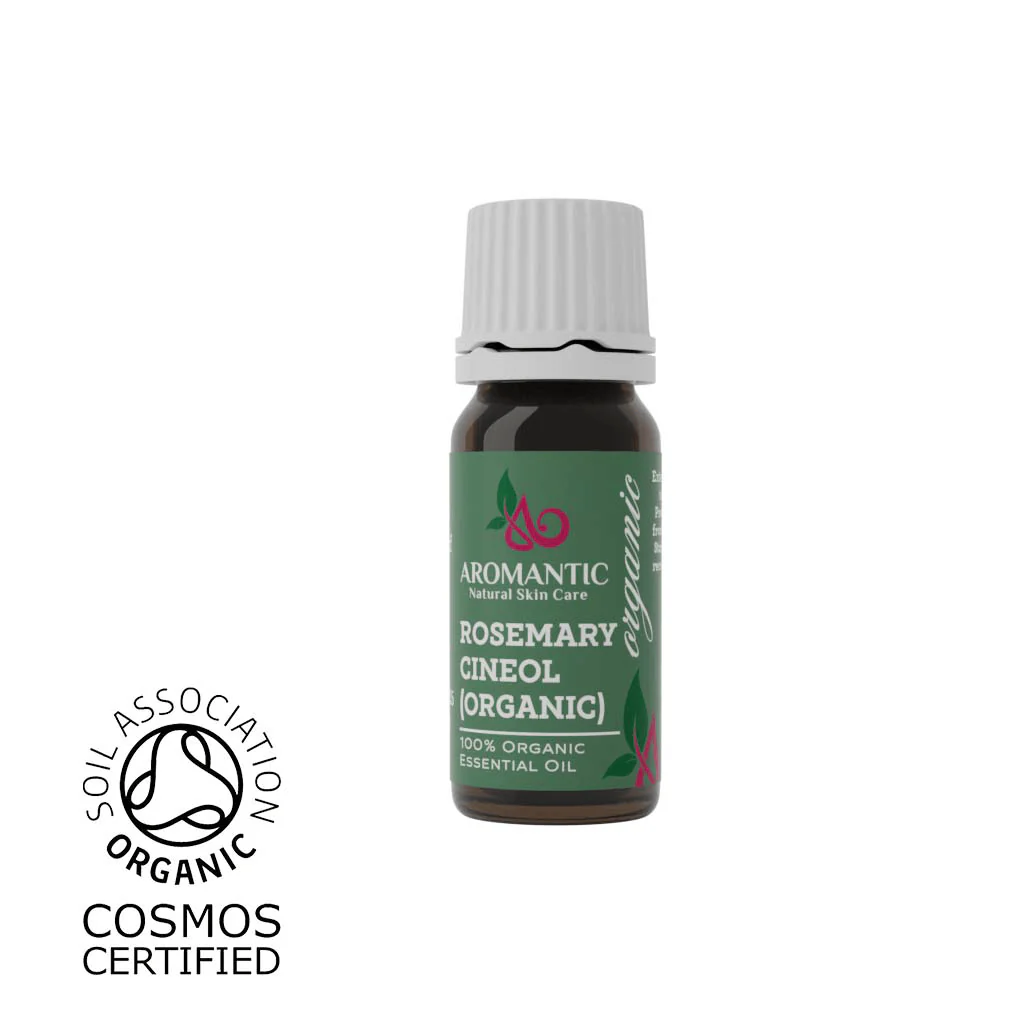
- Clinical Evidence: In a landmark 2015 randomised controlled trial, topical Rosemary essential oil was compared directly to 2% Minoxidil over 6 months. Both groups showed a statistically significant increase in hair count, with the Rosemary group experiencing significantly less scalp itching and irritation than the Minoxidil group. Here you will find more information on How Rosemary Essential Oil Stimulates Hair Growth.
- Mechanism: Rosemary oil contains carnosic acid and ursolic acid, which encourage tissue healing, improve microcapillary perfusion and help inhibit 5-alpha reductase.
Cedarwood Essential Oil (Cedrus atlantica)
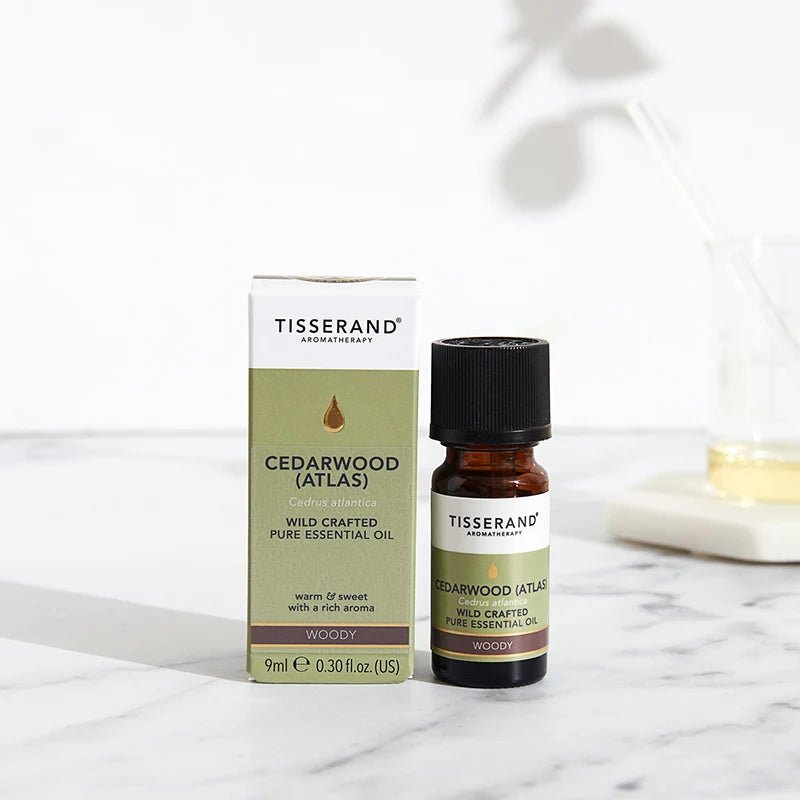
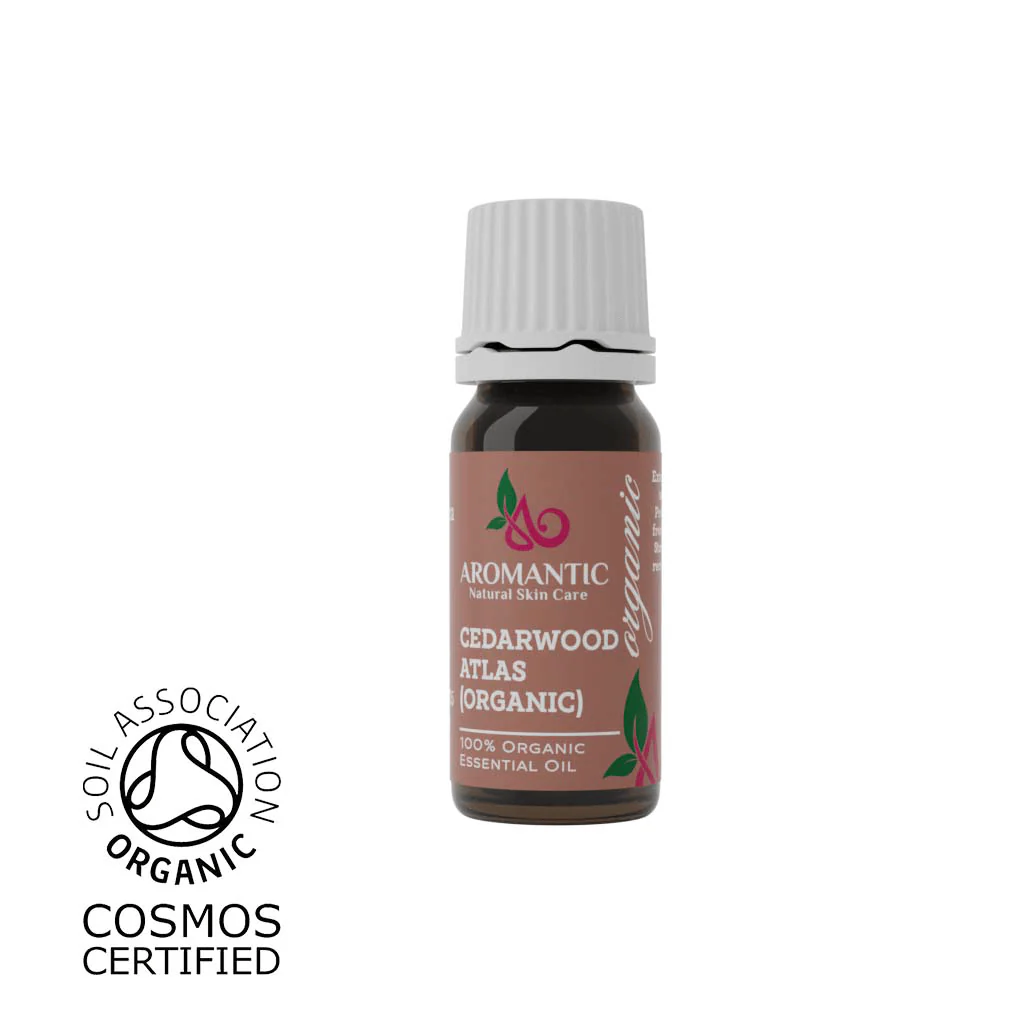
- Clinical Evidence: Highlighted in the classic Hay et al. (1998) aromatherapy trial, Cedarwood oil combined with Lavender, Thyme and Rosemary essential oils significantly improved hair regrowth in patients experiencing patchy hair loss.
- Mechanism: Cedarwood essential oil balances the oil-producing sebaceous glands on the scalp, making it ideal for individuals who experience seasonal shedding alongside greasy or irritated scalps.
Peppermint Essential Oil (Mentha piperita)
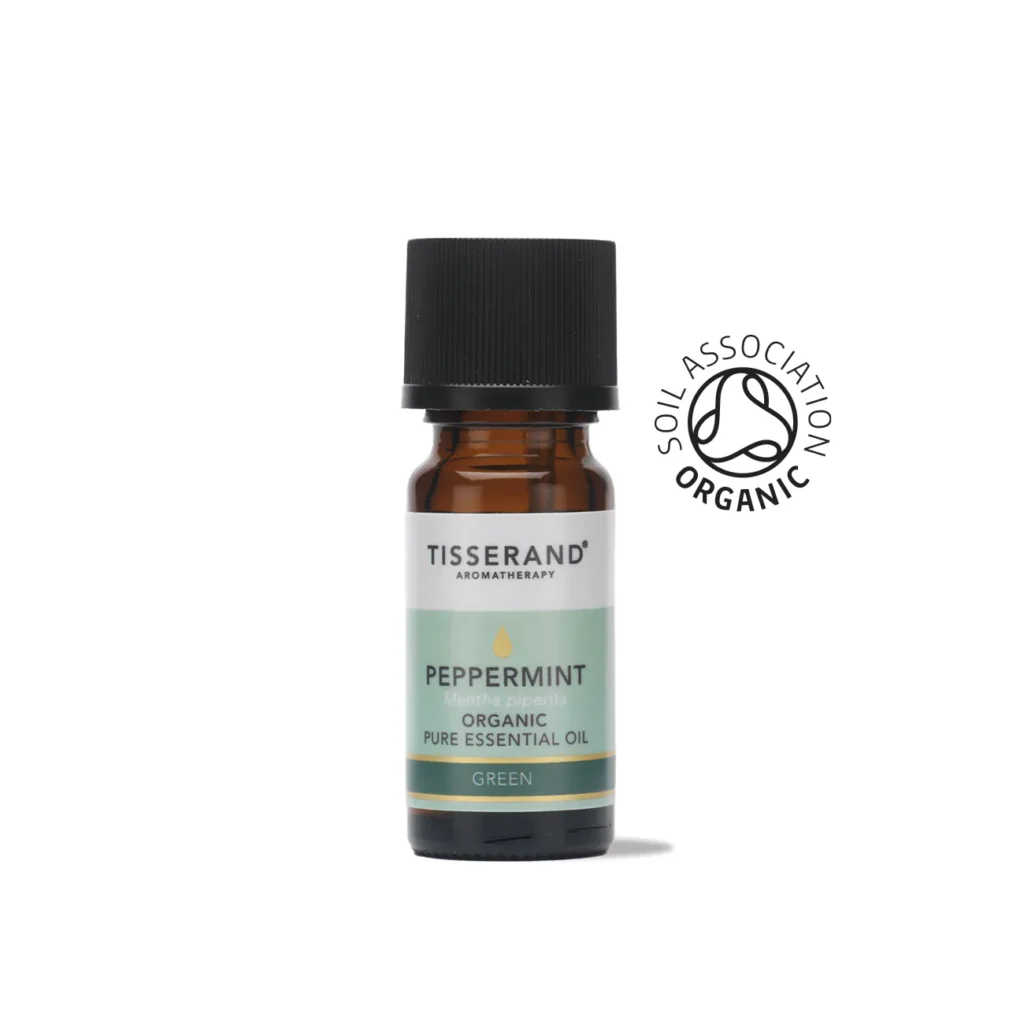
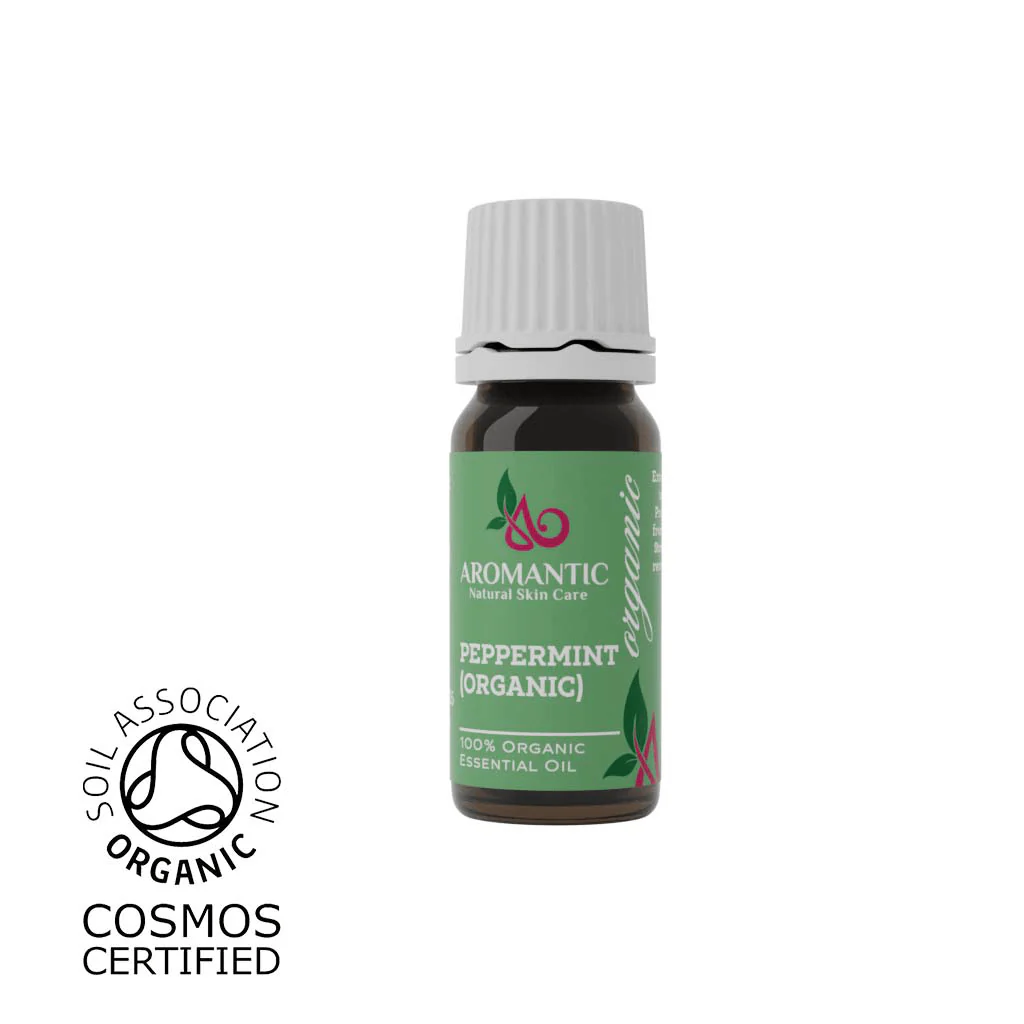
- Clinical Evidence: Preclinical studies showed that a 3% Peppermint oil solution induced a rapid, pronounced transition into the Anagen (growth) phase. It increased dermal thickness, follicle depth and overall hair count.
- Mechanism: The high menthol content in Peppermint oil triggers cold-sensitive TRPM8 receptors in the skin, causing rapid blood vessel dilation. Increased blood flow delivers vital oxygen and nutrients directly to dormant follicles thus “waking” them up.
Lavender Essential Oil (Lavandula angustifolia)
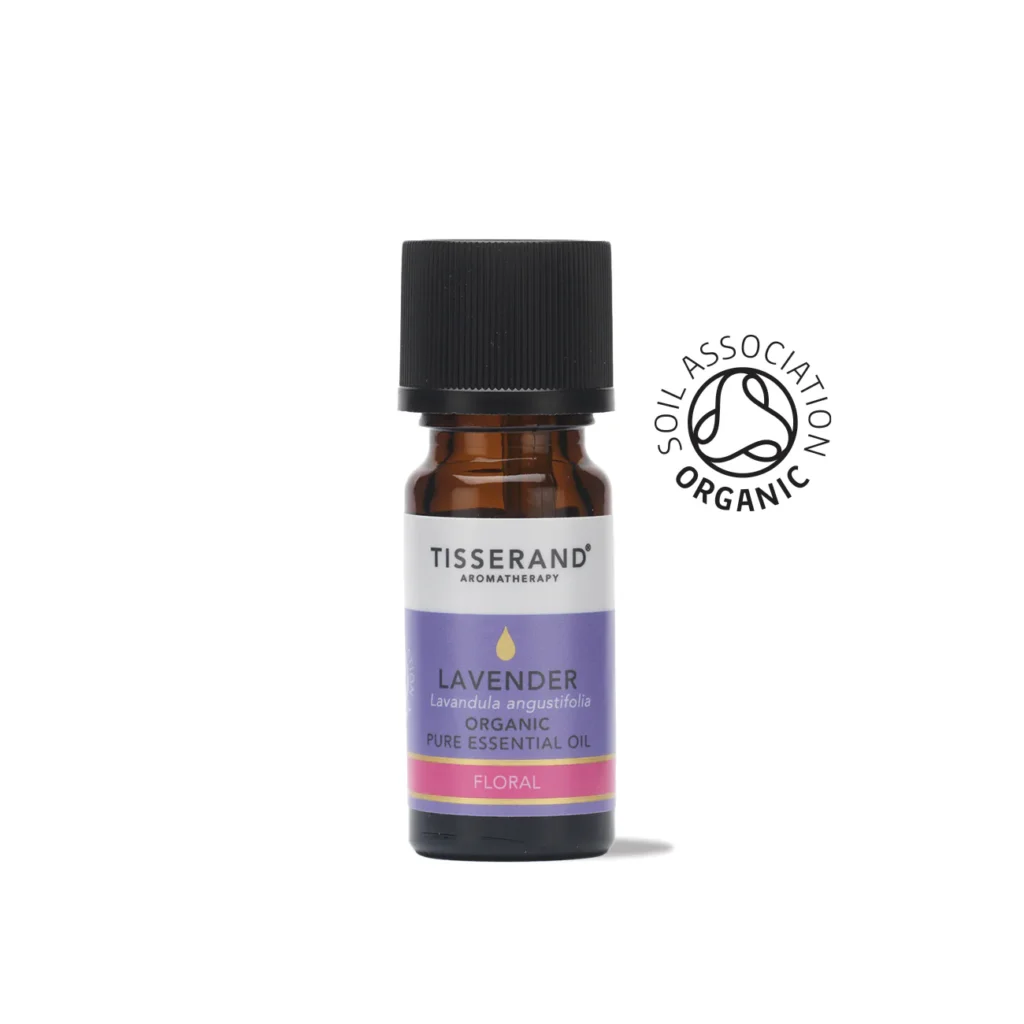
- Clinical Evidence: One study showed that topical application of Lavender essential oil increased the number of active hair follicles, deepened follicle placement within the dermal layer and significantly thickened the scalp’s dermal wall.
- Mechanism: Lavender essential oil contains high concentrations of bioactive terpene alcohols which have potent anti-inflammatory and antimicrobial properties. By neutralising scalp inflammation and lowering localised oxidative stress, Lavender oil prevents the follicle from aborting its growth phase prematurely.
DIY Autumn Shedding Recipe
Here is a DIY oil blend I formulated for you specifically to soothe autumn scalp irritation, stimulate blood supply to dormant follicles and protect fragile curly strands.
Curls Scalp-Soothing & Shed-Control Serum
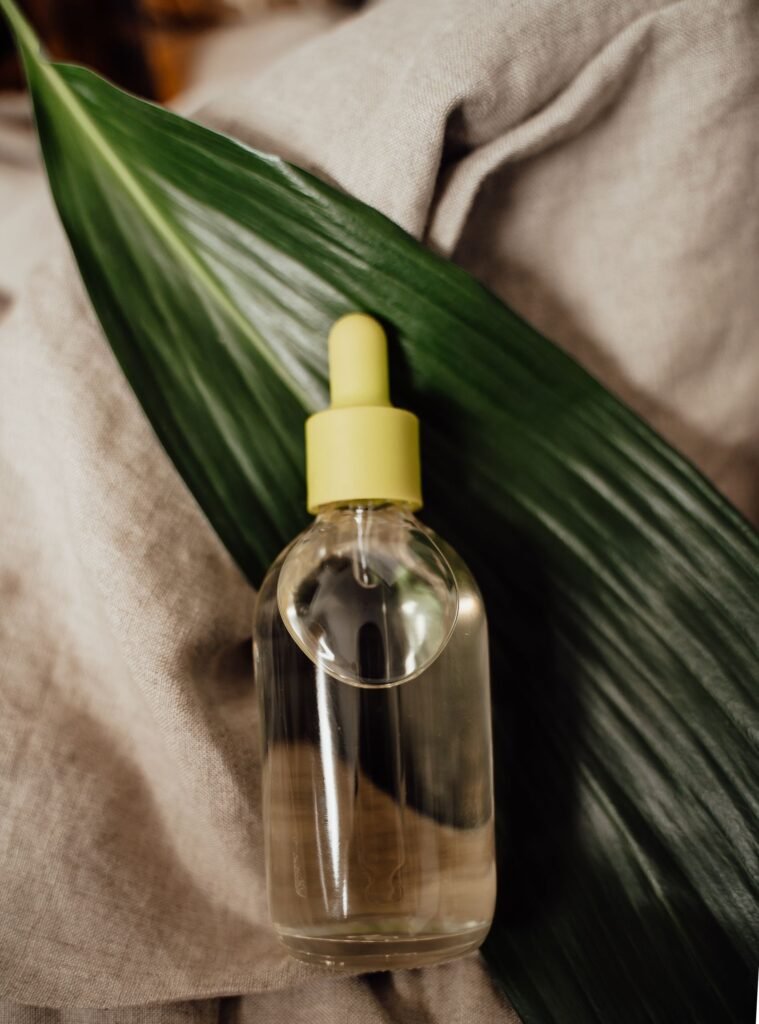
Ingredients:
- 20 ml Pumpkin Seed carrier oil
- 20 ml Jojoba carrier oil
- 10 ml Grapeseed carrier oil
- 8 drops Rosemary essential oil
- 6 drops Cedarwood essential oil
- 4 drops Lavender essential oil
- 2 drops Peppermint essential oil
How to make: Combine carrier oils in a 50 ml amber glass dropper bottle. Add essential oils, cap and invert gently to mix the blend. Store somewhere dark and cool and use within three months.
How to use it: Apply to a dry scalp on your pre-wash day. Part your hair into four to six sections and dispense two or three drops directly onto each parting working across the scalp. Once applied, perform a firm scalp massage for four minutes. Please don’t skip this part. Remember the massage is as beneficial for your curls as oils themselves. Then leave for a minimum of thirty minutes or overnight under a bonnet. Then wash your hair as normal. If you have high-porosity hair, here you can find more blends that will work for your type of hair.
Final Thoughts
Autumn curl shedding can feel alarming, but as you can see now it’s almost always a temporary biological reset. By using carrier and essential oils you will keep your hair hydrated, reduce mechanical breakage and and keep your scalp healthy and inflammation-free. In my case incorporating regular oil treatments turned my flat, dry hair that was falling out in clumps into a healthy bouncy waves and curls.
How do you use natural oils in your curly routine? Does it make make a difference for you? Please leave a comment down below, I’d love to hear from you.
Disclaimer: This post contains affiliate links. If you purchase through these links, I may earn a small commission at no extra cost to you — it helps me keep creating free content. I only ever recommend products I personally use and trust. This information is for educational purposes only and is not intended to diagnose, treat, cure, or prevent any disease. Always patch test new ingredients, and consult with a healthcare provider if you have specific skin conditions or concerns. If you’re pregnant, nursing, or on medication, check with your doctor before using essential oils.
Related Posts:
- CGM-Safe Essential Oils: The Complete Curly Girl Approved List
- Why Curly Hair Needs Scalp SPF More Than You Think: The CGM-Safe, Natural Way to Protect It
- Scalp Skinification: The Essential Oil Routine for Hair Growth and Thickness
- Must-Have Carrier Oils for Thin Curly Hair (Without Weighing it Down)
- Best Essential Oils for Curly Hair in Winter (Plus Easy DIY Curly Hair Winter Serum Recipe)