Scalp Skinification: The Essential Oil Routine for Hair Growth and Thickness

Scalp skinification isn’t just another fleeting TikTok trend; it’s a fundamental shift in how we perceive and approach our hair health. The core philosophy is simple yet revolutionary: your scalp is an extension of your face. Just as you wouldn’t expect a glowing complexion if you only washed your face once a week with harsh soap without ever moisturising it, you shouldn’t expect thick, vibrant hair if your scalp is neglected, congested, or dry.
In this post we will dive deep into the world of scalp skinification. We’ll explore the science of why essential oils work so well for it, identify the best carrier oils for your specific needs, and provide you with a beginner-friendly scalp care routine for hair growth. In addition there’s and DIY recipes to start your journey toward the hair of your dreams.
What is Scalp Skinification?
At its essence, scalp skinification is the recognition that the scalp is a complex organ with its own microbiome, pH balance, and cellular turnover rate. In fact, the scalp is one of the most absorbent parts of our body, with a high density of blood vessels and sebaceous glands.
The “Scalp is Skin” Philosophy
Think about your facial skincare routine. It likely involves several steps:
- Cleansing: To remove dirt and excess oil.
- Exfoliation: To slough off dead skin cells and prevent clogged pores.
- Hydration: To maintain the moisture barrier.
- Targeted Treatment: Serums or actives to address specific concerns like aging or acne.
Scalp skinification mirrors this exactly. Traditionally we used “one-size-fits-all” shampoos that were often too harsh, stripping the scalp of its natural oils and causing it to overproduce sebum in a panic. This led to a cycle of oily hair and dry, flaky scalps. Scalp skinification breaks this cycle by treating the scalp with the same care we treat our faces.
Why the Shift is Happening
The rise of skinification is driven by a growing understanding of the Scalp-Hair Connection. Modern science has shown that a “distressed” scalp—one suffering from inflammation, oxidative stress, or fungal overgrowth—is the leading cause of premature hair thinning and loss. By treating the scalp like skin, we are addressing the root cause rather than just masking the symptoms with silicone-heavy hair products.
The Anatomy and Microbiome of the Scalp
To truly appreciate scalp skinification, we must understand that the scalp is anatomically unique. It has a higher density of hair follicles and a more complex vascular network than almost any other part of the body. Each follicle is essentially a mini-organ, complete with its own blood supply and command center—the dermal papilla. Scalp skinification ensures this command center isn’t buried under sebum or choked by inflammation.
Furthermore, your scalp is home to a diverse microbiome of bacteria and fungi. When this is out of balance, you get dandruff and itching. Scalp skinification aims to “garden” this microbiome, using natural antimicrobials like essential oils to keep it healthy. This holistic approach ensures that every layer of the scalp, from the surface to the deep dermal papilla, is optimised for performance.
Why Essential Oils Belong in a Scalp Skinification Routine

If scalp skinification is the framework, essential oils are the “active ingredients.” These aren’t just pleasant-smelling liquids; they are highly concentrated plant extracts containing volatile organic compounds that can penetrate the skin and interact with hair follicles. Most scalp skinification routines focus on lab-synthesised actives: peptides, niacinamide, hydroxy acids. And while those ingredients have merit, they miss a category of scalp actives found in essential oils that fit perfectly into the barrier-first, microbiome-friendly philosophy that scalp skinification demands plus can target multiple scalp concerns at once.
Best Essential Oils for Scalp Skinification
Rosemary Essential Oil: The Natural Minoxidil
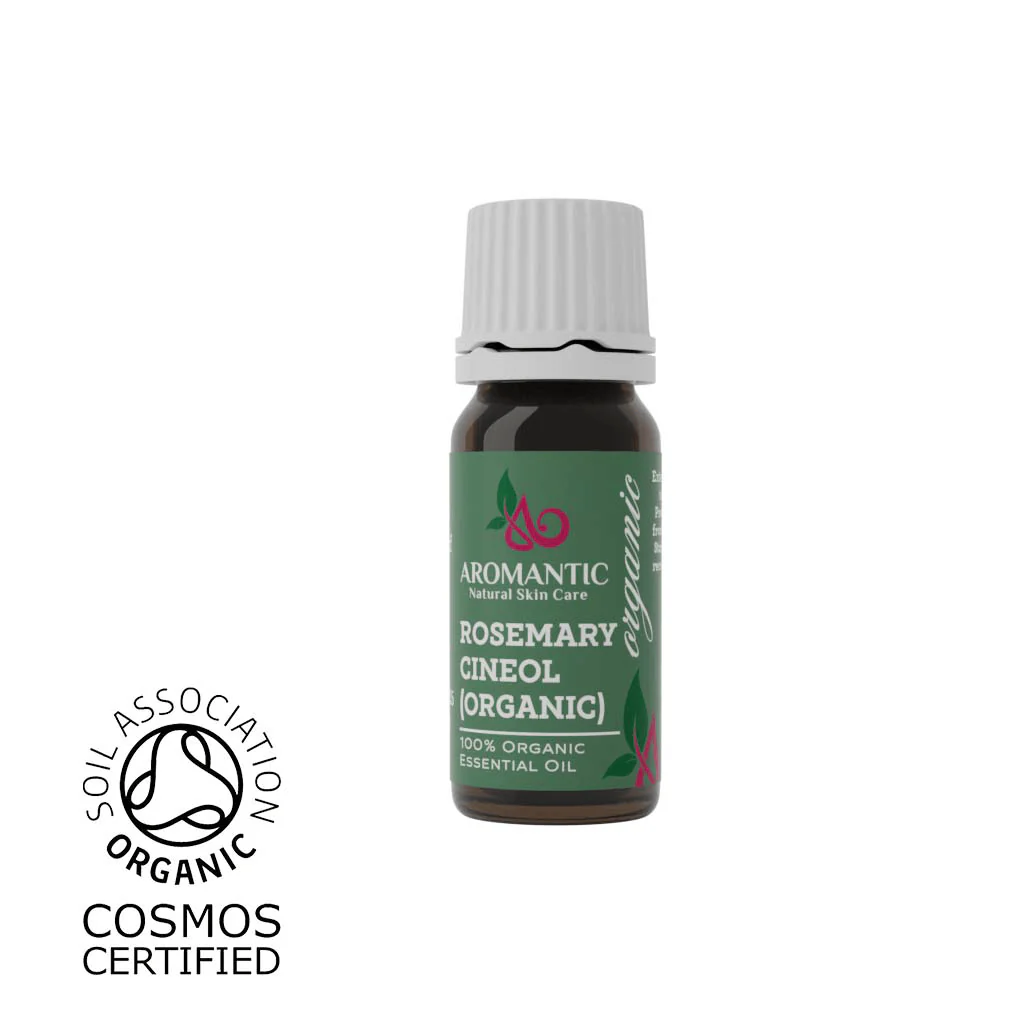
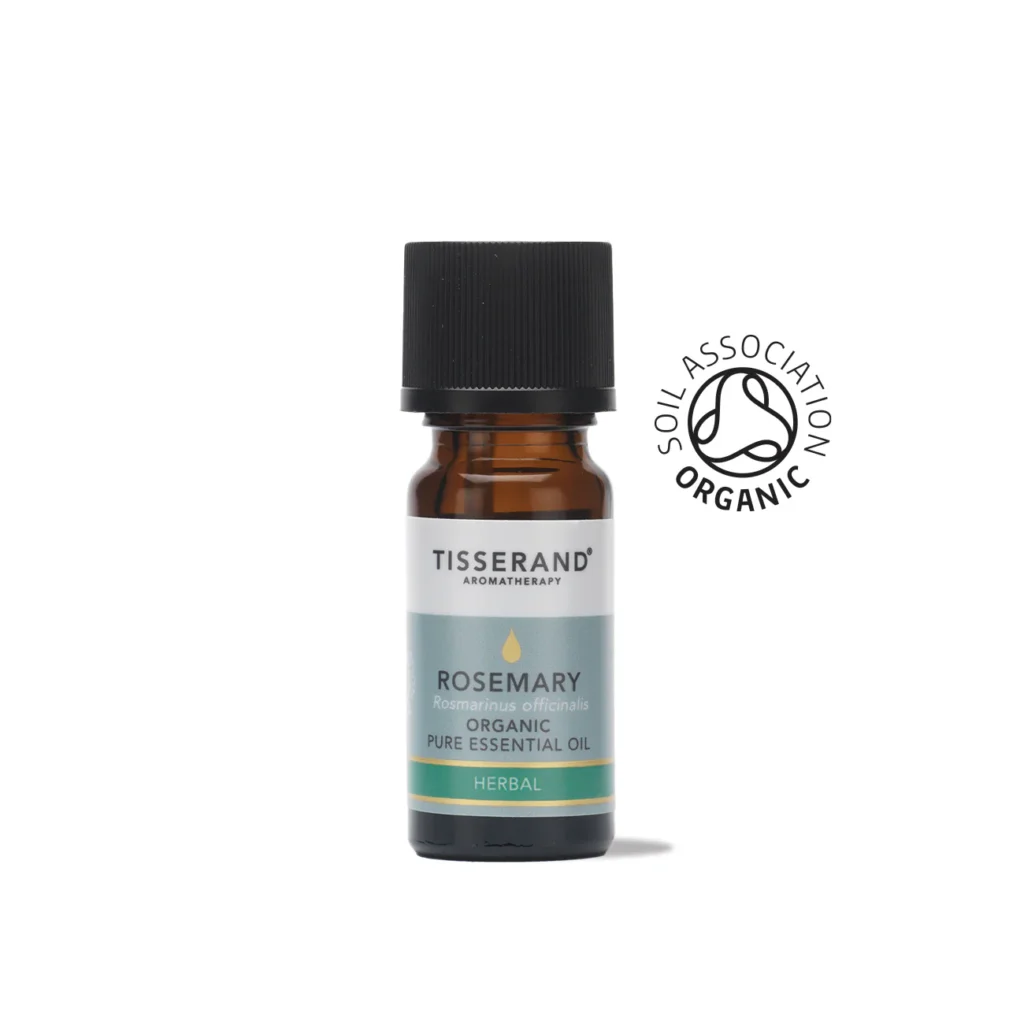
Perhaps the most famous essential oil in the scalp skinification world is Rosemary (Rosmarinus officinalis). In a landmark 2015 study, researchers compared rosemary oil to 2% minoxidil (the active ingredient in Rogaine). After six months, both groups showed a significant increase in hair count. Crucially, the rosemary group reported significantly less scalp itching and irritation than the minoxidil group.
Rosemary works by:
- Improving Circulation: It acts as a vasodilator, widening blood vessels to ensure follicles receive a steady supply of oxygen and nutrients.
- Blocking DHT: Some evidence suggests rosemary can help inhibit dihydrotestosterone (DHT), the hormone responsible for androgenetic alopecia (pattern baldness).
Peppermint Essential Oil: The Cooling Catalyst
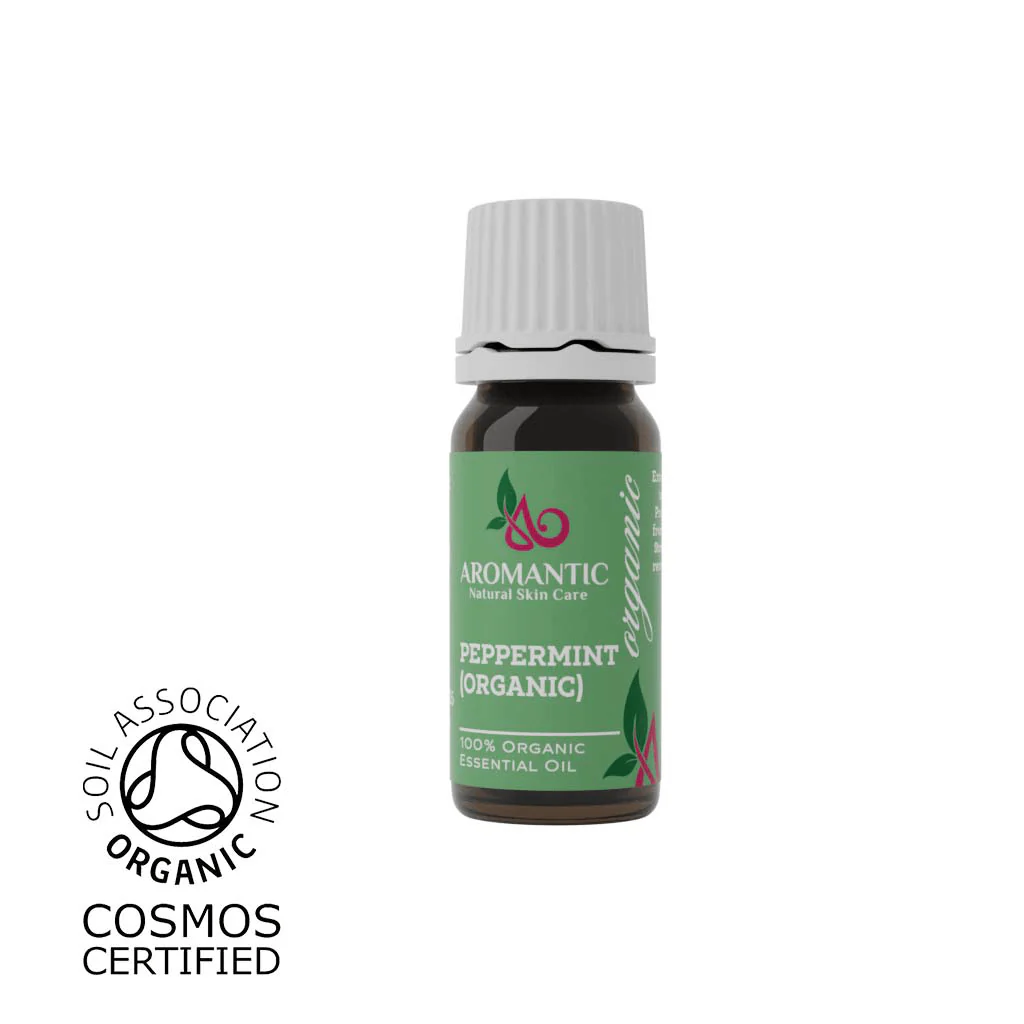
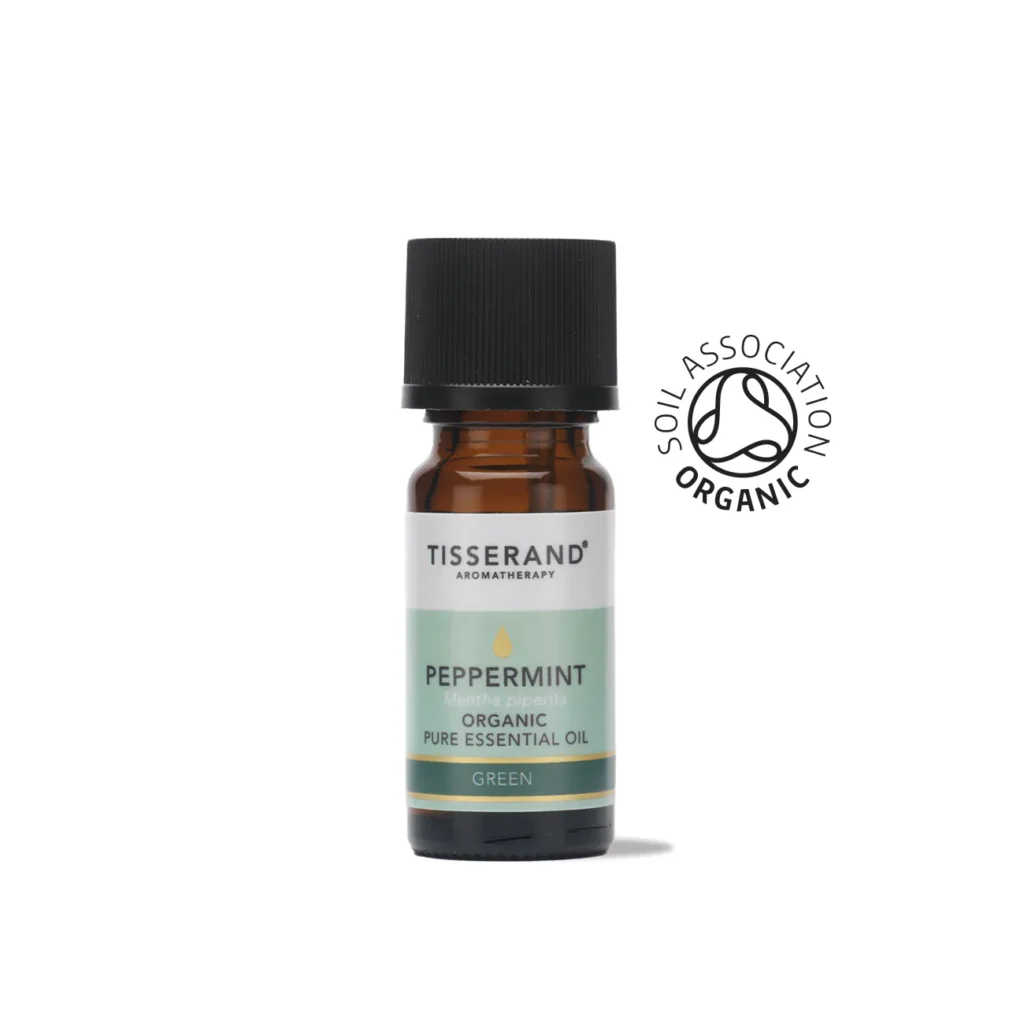
Peppermint essential oil is more than just a refreshing scent. A 2014 study published in Toxicological Research found that peppermint oil outperformed both saline and jojoba oil (and even minoxidil) in promoting hair growth in animal models. It increased the number of follicles, follicle depth, and overall hair thickness.
The secret lies in menthol, which induces a cooling sensation that triggers a massive increase in blood flow to the area. This “micro-circulation” wake-up call is exactly what dormant follicles need to enter the anagen (growth) phase.
Lavender Essential Oil: The Soothing Healer
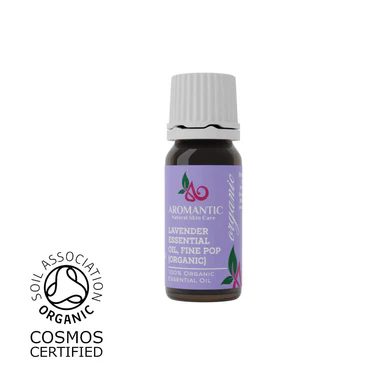
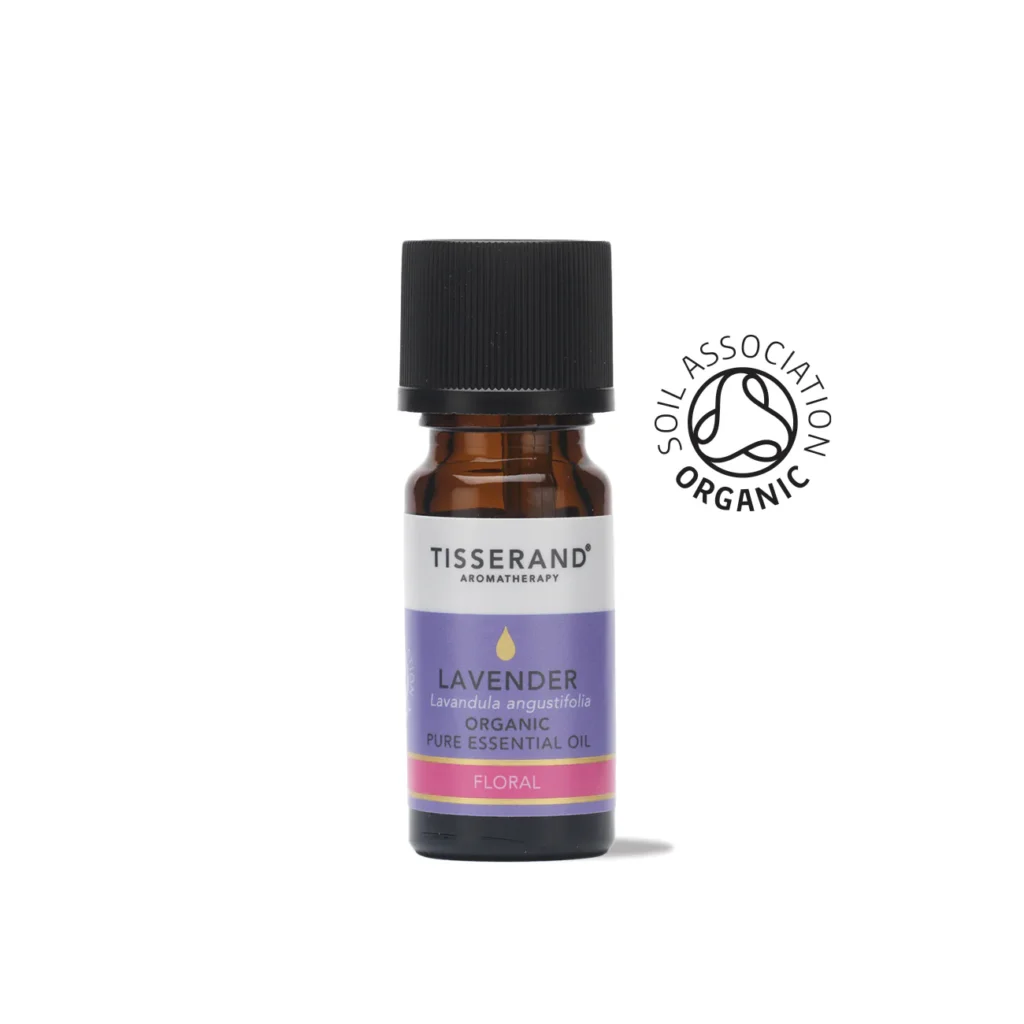
Lavender essential oil is the ultimate balancer. It possesses potent antimicrobial and antibacterial properties, making it excellent for those dealing with dandruff or scalp inflammation. It’s well known that a stress is a major contributor to hair loss (telogen effluvium). Having a scalp massage with lavender essential oil is deeply relaxing and helps lower cortisol levels and reduce the stress thus indirectly supports hair retention.
Cedarwood Essential Oil: The Oil of Stability
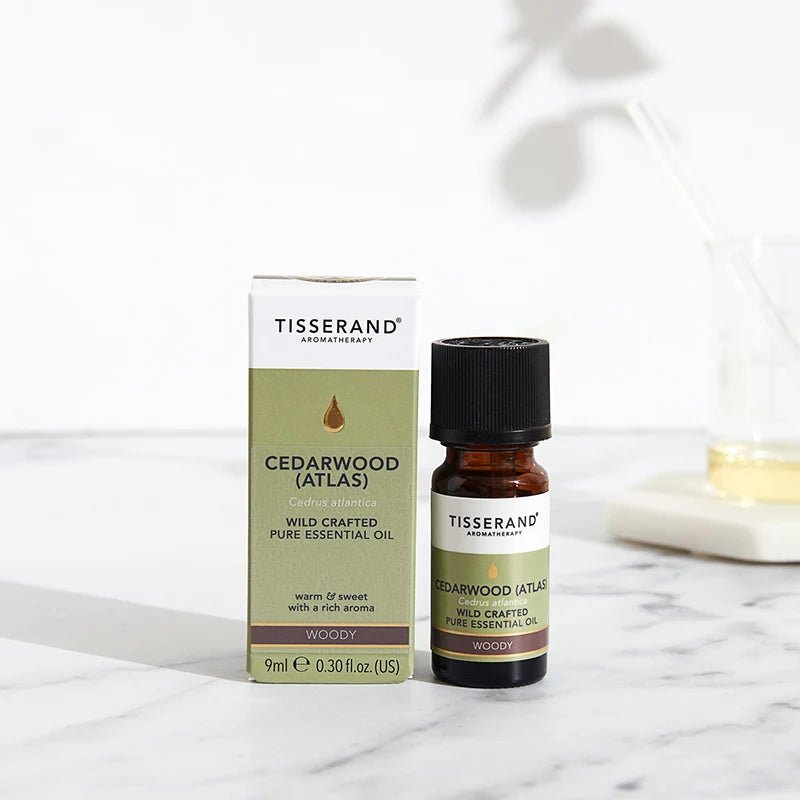
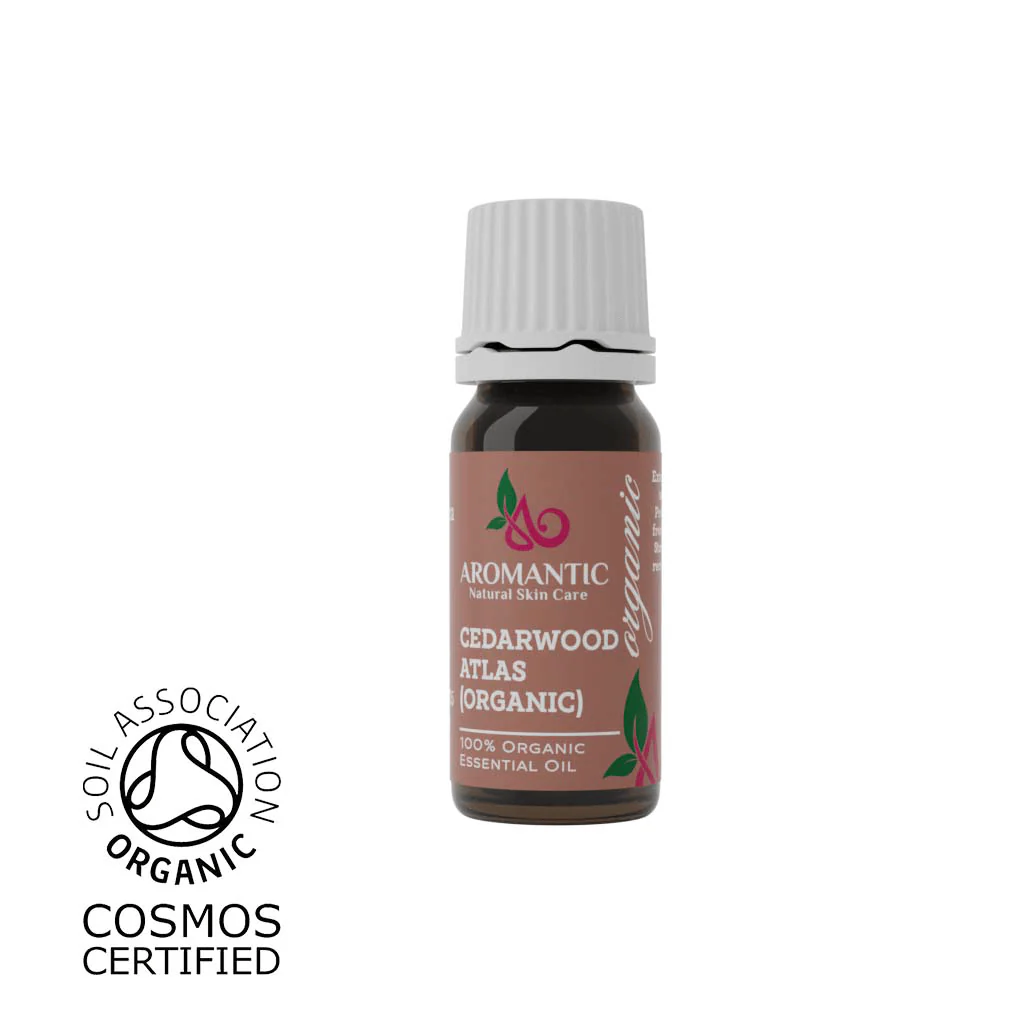
Cedarwood essential oil is often overlooked, but it is a powerhouse for those with oily scalps or thinning hair. It works by balancing the sebaceous glands, ensuring that your scalp isn’t too oily or too dry. Because Cedarwood essential oil increases the blood circulation, it has been used in various cultures to treat alopecia areata. Its antifungal and antibacterial properties keep at bay dandruff, flaky scalp, excess sebum and help scalp sensitivity.
Thyme Essential Oil: The Potent Stimulant
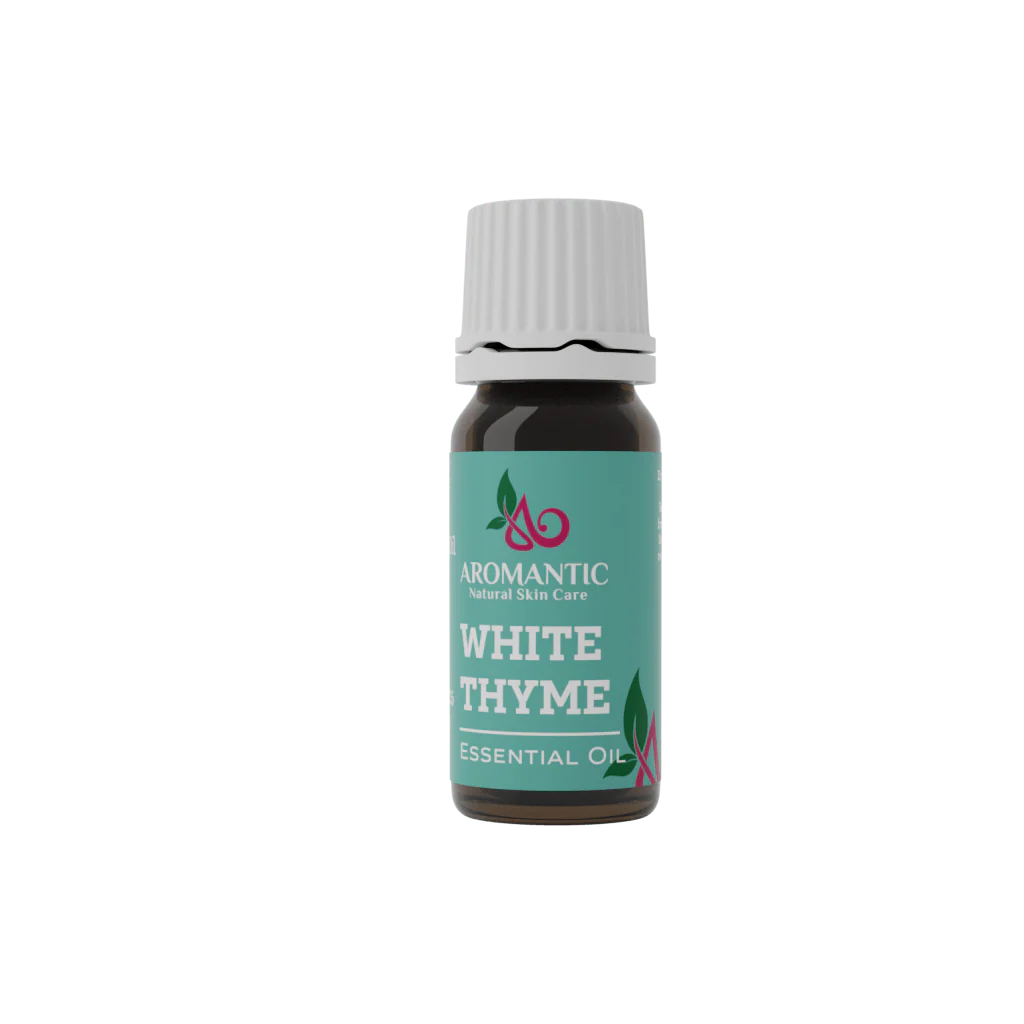
Thyme is one of the strongest essential oils for stimulating the scalp. It is highly effective at increasing blood flow and has been a staple in traditional herbal hair tonics for centuries. Because it is so potent, it must be used sparingly and always well-diluted. It’s particularly useful for “spot treating” areas where the hair seems to be thinning the most, such as the temples or the crown.
Clary Sage Essential Oil: The Hormonal Balancer
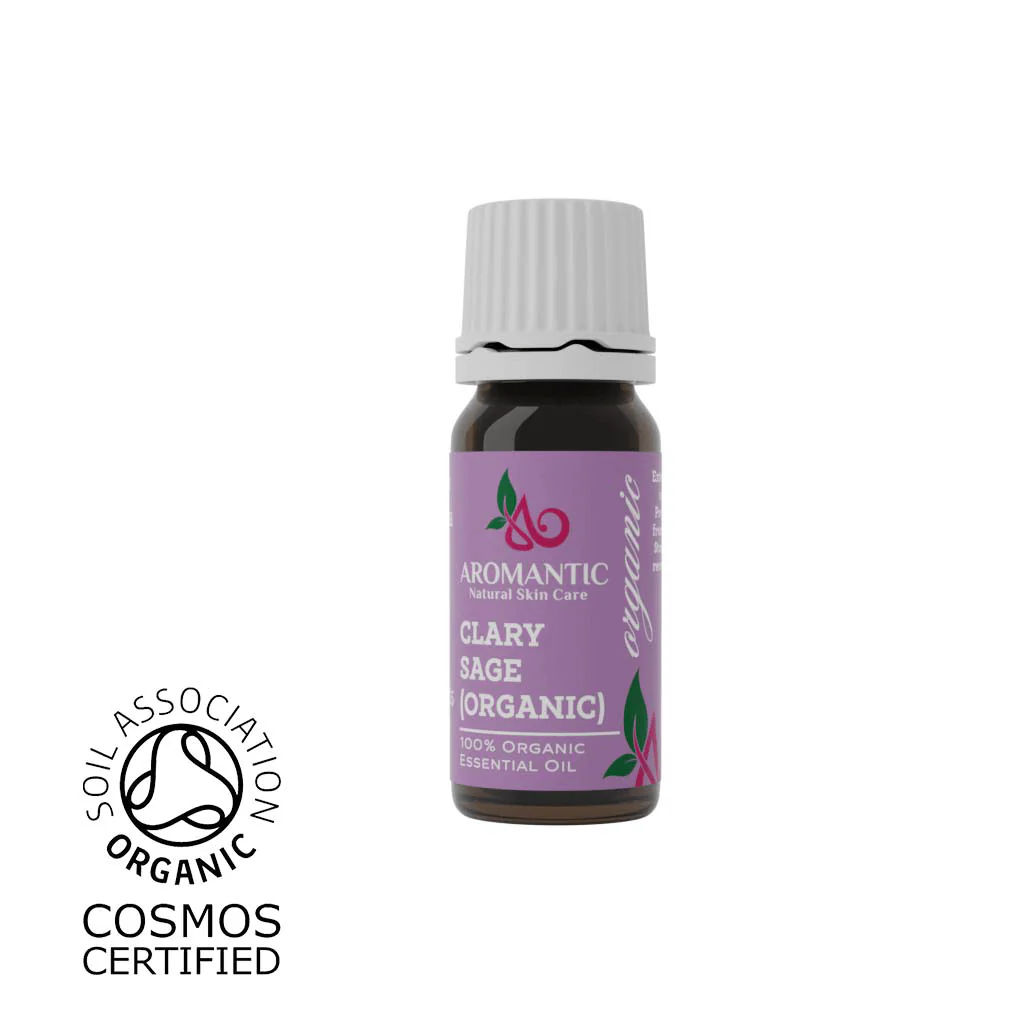
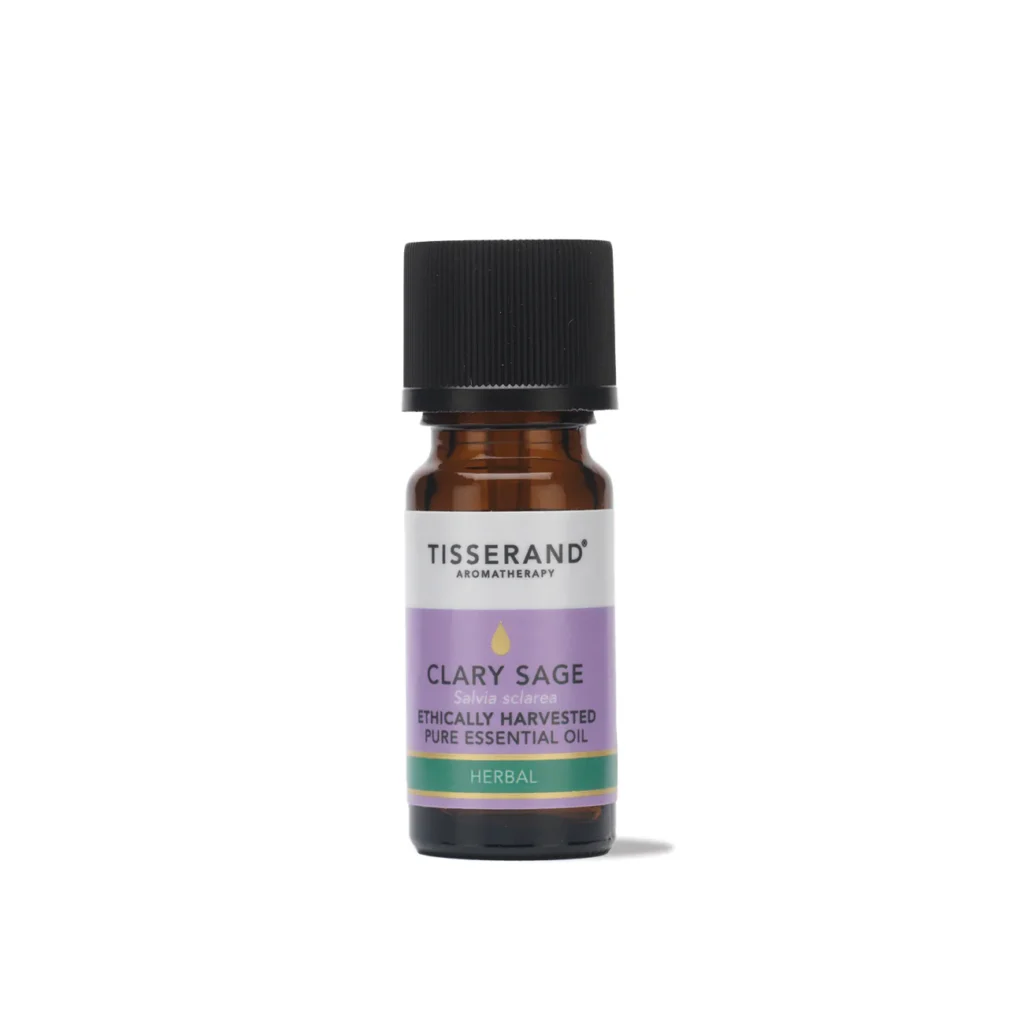
For many women hair thinning is tied to hormonal fluctuations. Clary Sage essential oil contains a compound called linalyl acetate, which helps regulate skin oils and can have a balancing effect on the scalp’s environment. It’s also known for its ability to improve hair strength, making the strands less prone to breakage as they grow.
Tea Tree Essential Oil: The Scalp Decongestant
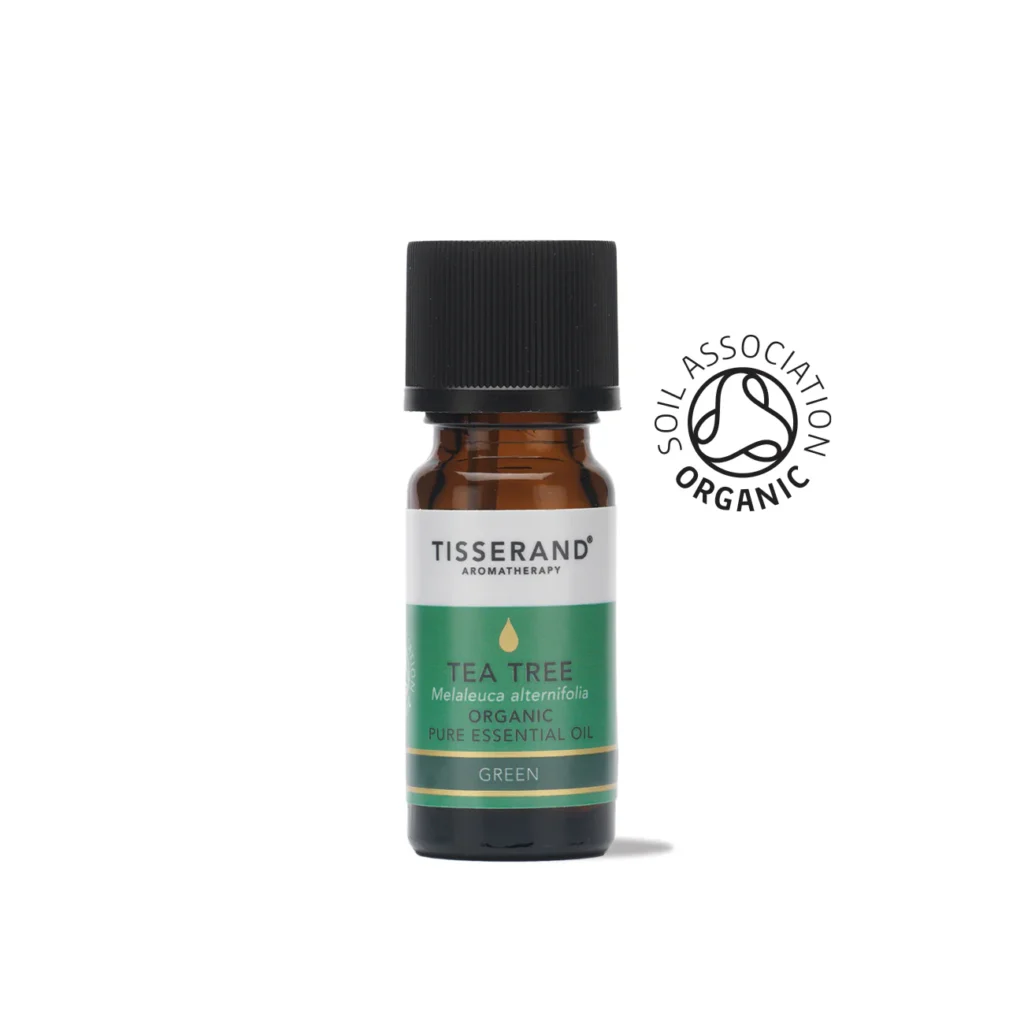
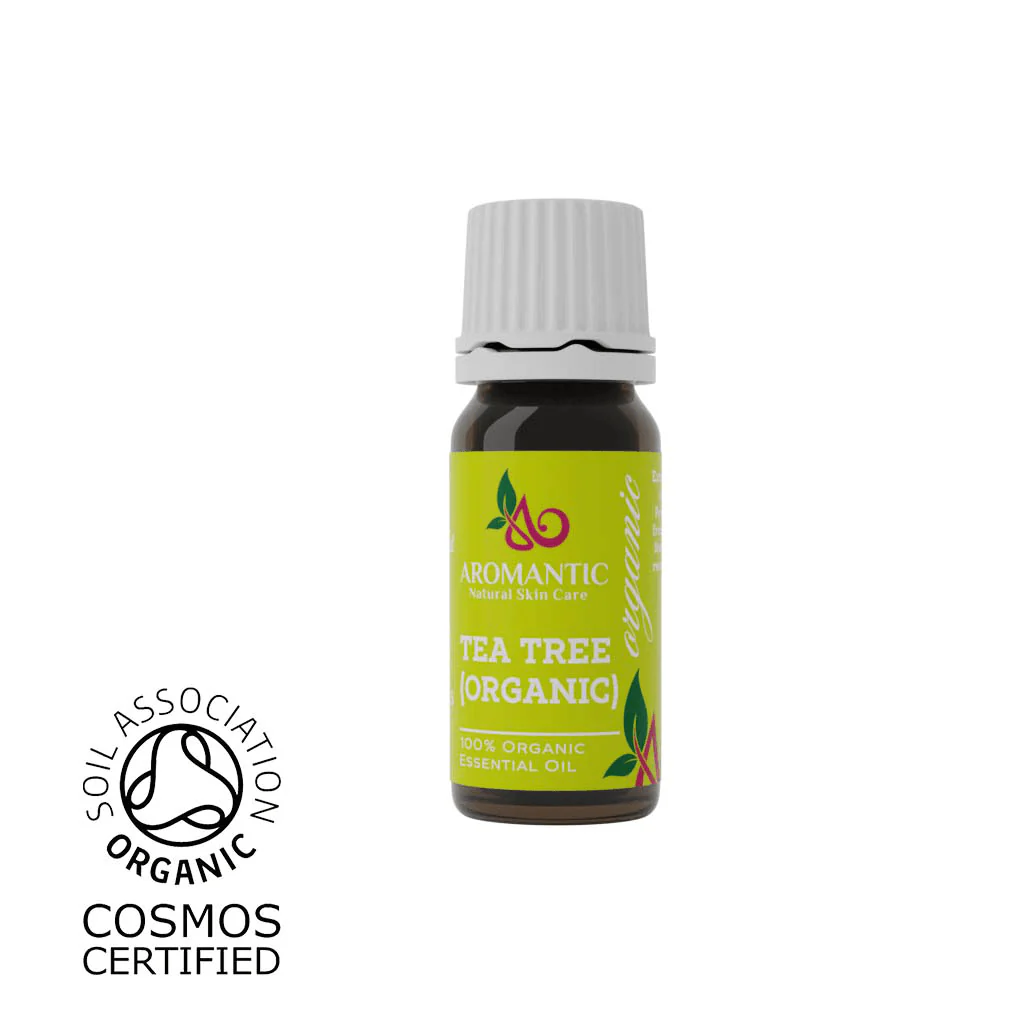
Tea Tree essential oil is the gold standard for “cleansing” the scalp. If you suffer from “scalp acne” or persistent dandruff, Tea Tree essential oil is your best friend. It acts as a natural solvent by breaking down the waxy buildup of old product and sebum that can literally “suffocate” the hair follicle. By clearing this debris, you create a clear path for new hair to emerge.
Choosing the right Carrier Oil: The Scalp Skinification Base
Essential oils can’t be applied directly to the skin, instead they require a “carrier” oil that acts as a base oil. You dilute your essential oils in the carrier oils of your choice to create customised blends suited to your specific therapeutic needs. Carrier/base oils have their own benefits that work in synergy with essential oils. That is why choosing the right carrier oil is just as important as choosing your essential oils.
The golden rule for scalp application when it comes to oils is lightweight over heavy. The scalp already produces sebum. A carrier oil that mimics or supports that without congesting follicles is what you’re after. Heavy, occlusive oils can trap debris, disrupt the microbiome, and ironically worsen the scalp conditions they’re marketed to fix. Here’s in my opinion the best options:
Jojoba Carrier Oil
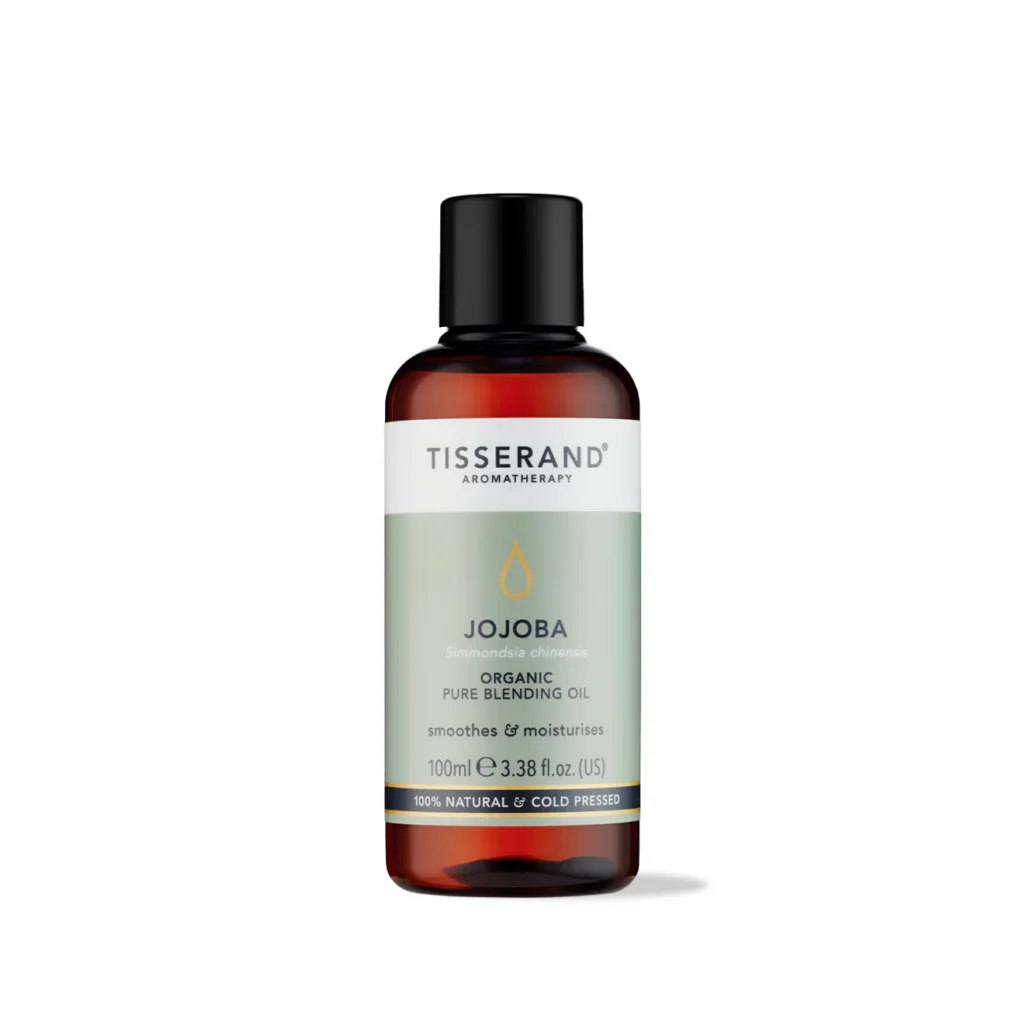
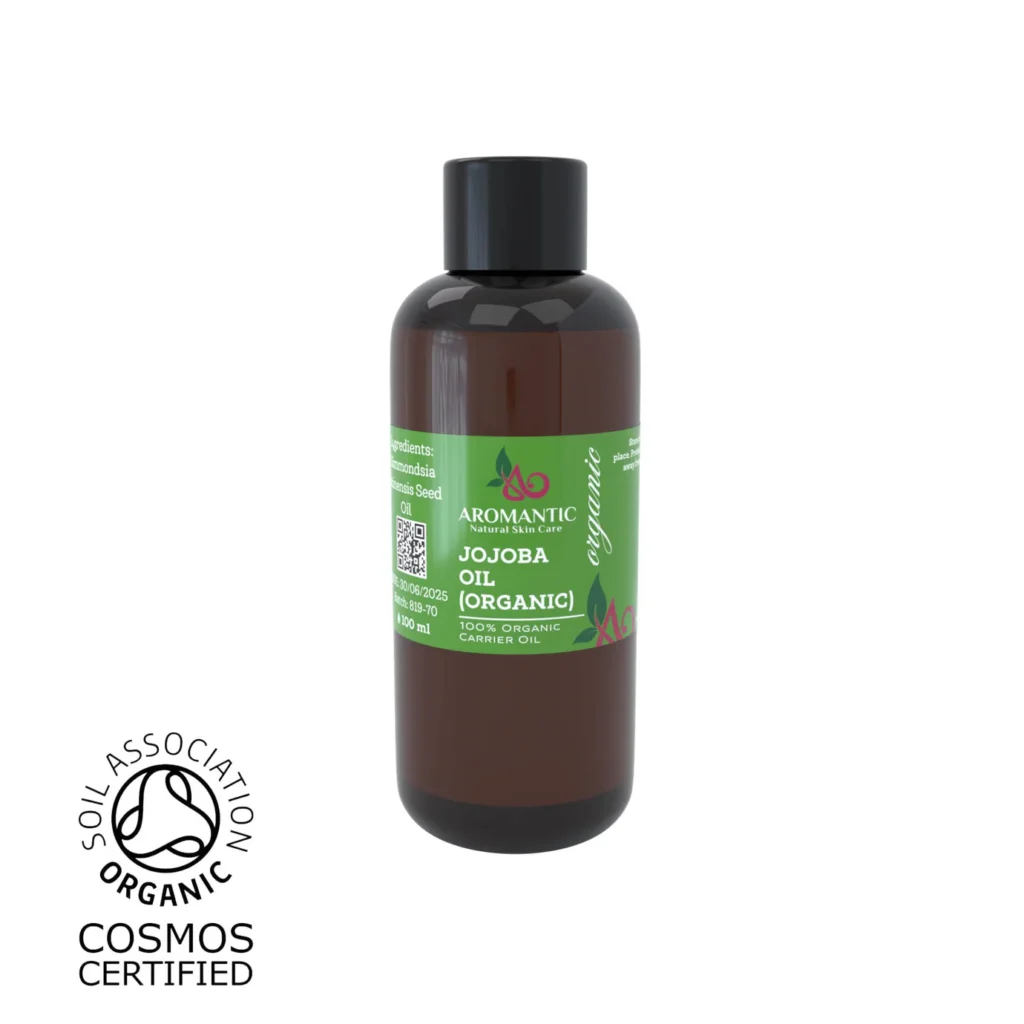
Jojoba oil is one of the closest matches to the scalp’s natural sebum. It’s lightweight, non-greasy, and ideal for both oily and dry scalps.
- Suitable for sensitive skin
- Helps balance oil production
- Easily absorbed
Castor Carrier Oil
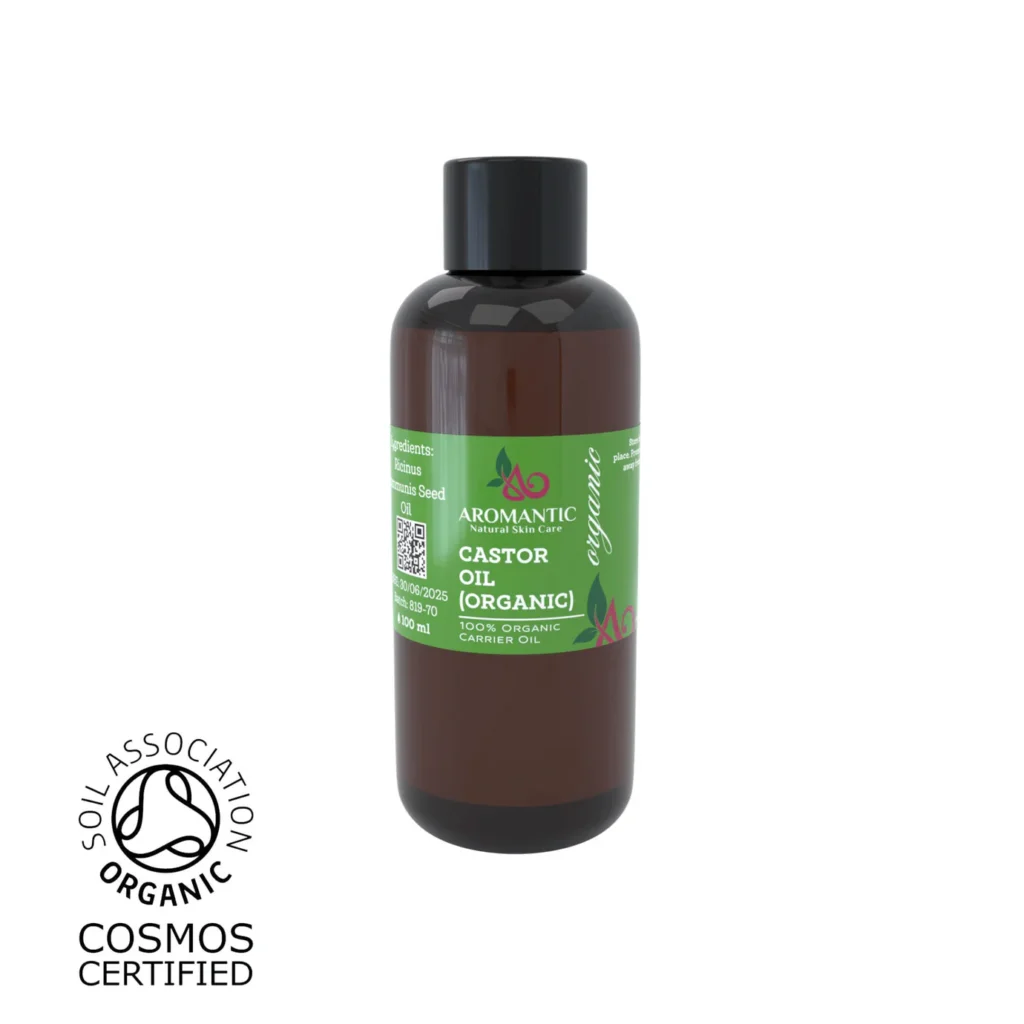
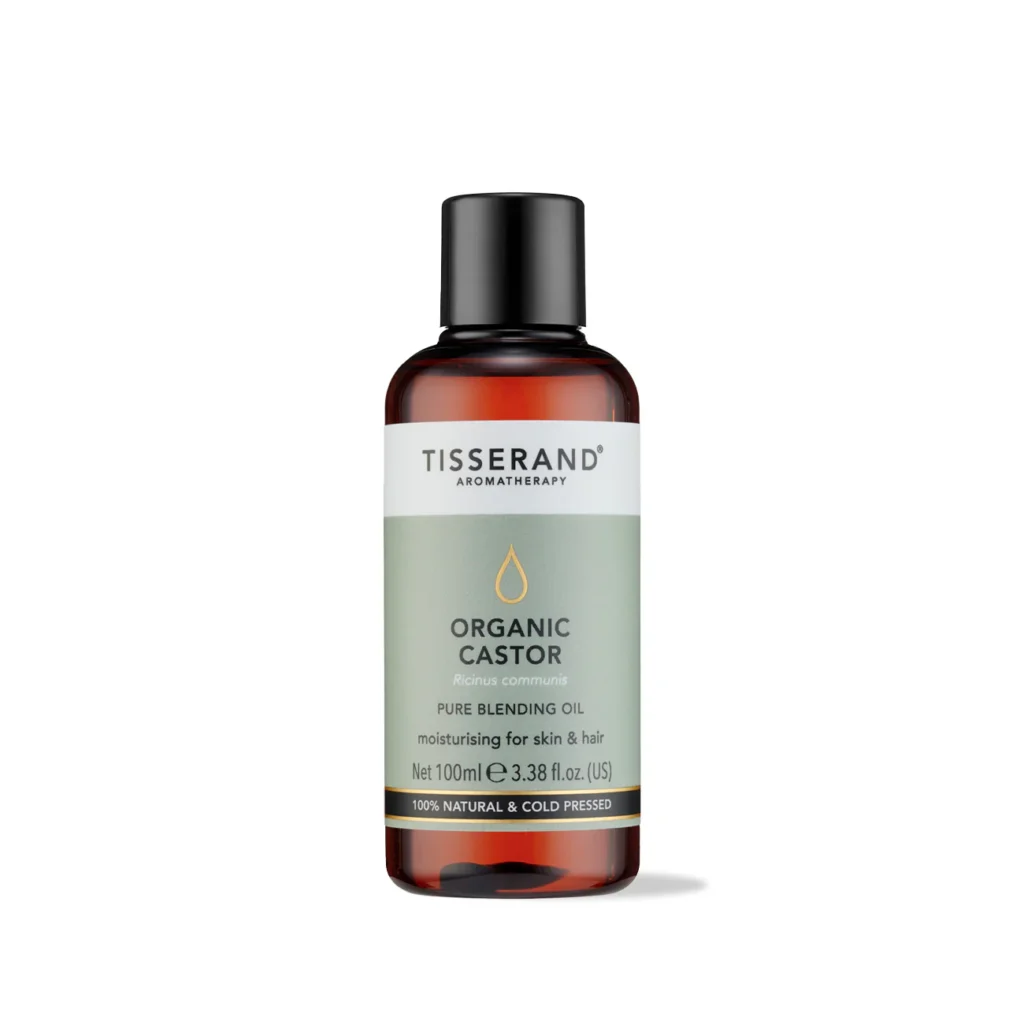
Castor oil is often associated with hair growth due to its high ricinoleic acid content.
- Best diluted with lighter oils to avoid heaviness
- Thick and deeply nourishing
- May support thicker-looking hair
Pumpkin Seed Carrier Oil
Pumpkin seed oil is a standout for hair growth. Some studies suggest it may support hair growth when used consistently, making it a valuable addition to your routine, particularly for those concerned about hormonal hair loss.
- Rich in zinc and phytosterols
- May help reduce DHT-related hair loss
- Nourishes follicles
Argan Carrier Oil
Rich in vitamin E and fatty acids, Argan oil is excellent for nourishing both the scalp and hair strands.
- Helps reduce breakage
- Adds shine and softness
- Supports scalp hydration
Hemp Seed Carrier Oil
Hemp Seed oil is an excellent choice for scalp skinification. It’s particularly useful for irritated, sensitive, or acne-prone scalps.
- Rich in omega-3 and omega-6 fatty acids
- Helps reduce inflammation
- Supports the scalp barrier
- Lightweight and non-comedogenic
Grapeseed Carrier Oil
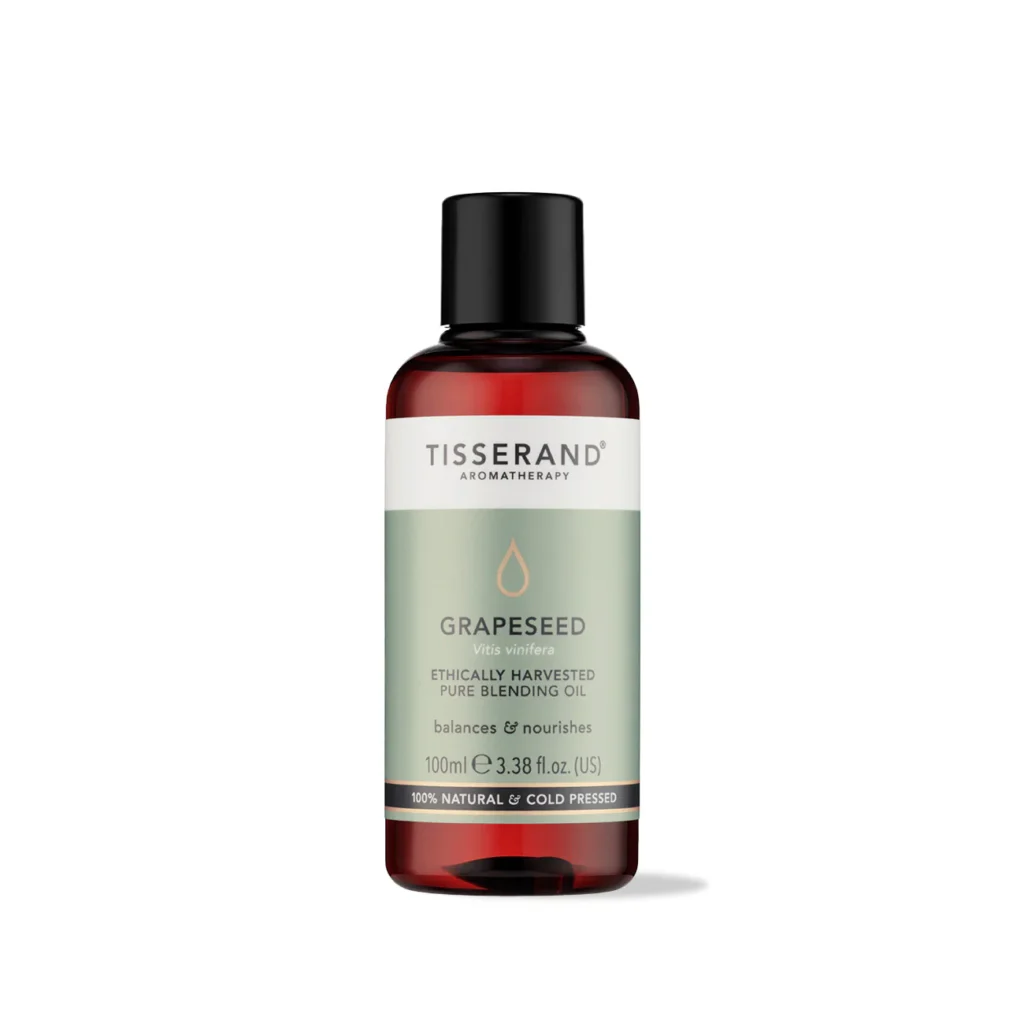
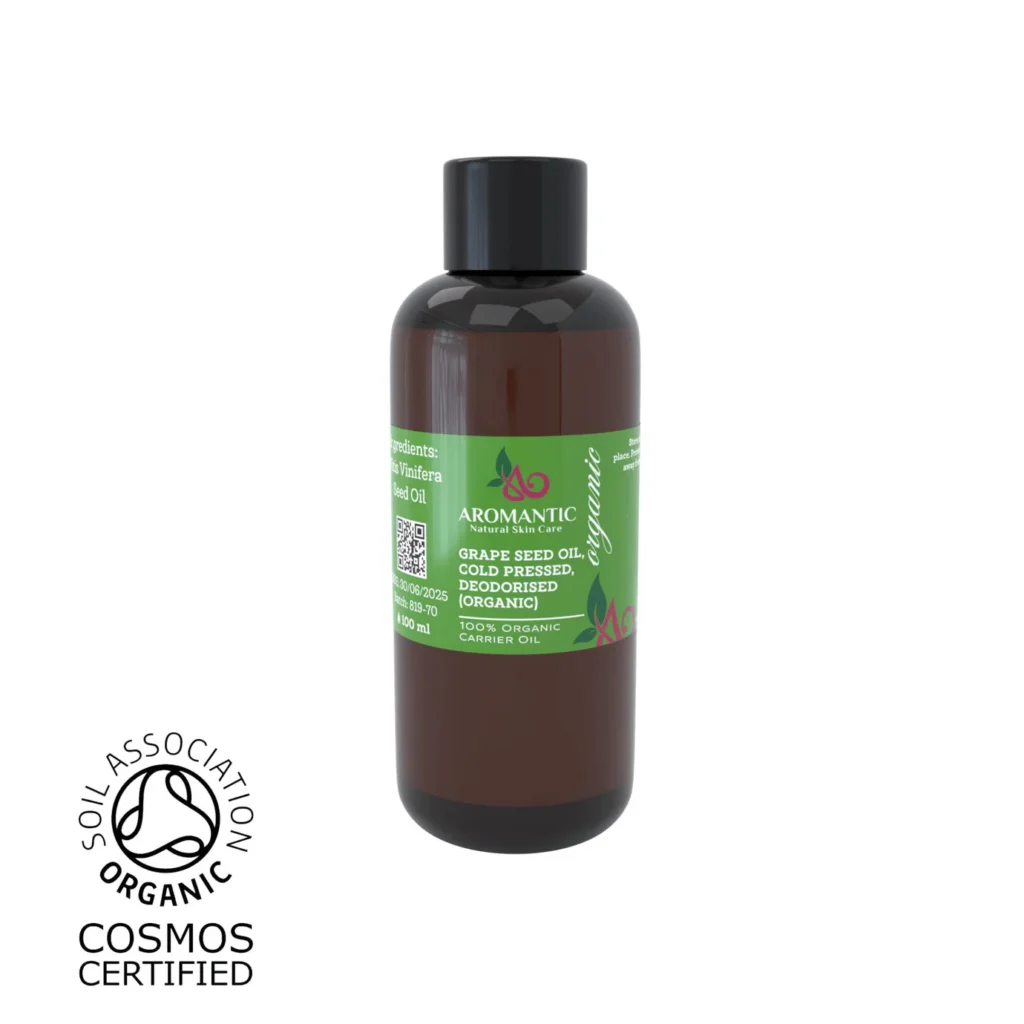
Grapeseed oil is a very lightweight option ideal for oily scalps.
- Doesn’t leave a greasy residue
- Non-comedogenic
- Absorbs quickly
Basic Easy-to-Follow Scalp Skinification Routine for Beginners
You don’t need a complicated routine to see results. Consistency matters more than complexity. Here’s a simple routine you can follow 2–3 times per week:
Step 1 — Pre-Cleanse Scalp Treatment (1–2x per week)
This is your treatment oil application, the equivalent of a facial serum or overnight mask. Apply to a dry scalp before washing, section by section, and follow with a scalp massage. The massage matters. Research consistently shows that regular scalp massage, even without oil, increases scalp thickness and contributes to hair growth by stimulating dermal papilla cells. With a growth-supporting oil blend applied, you’re amplifying that effect.
Use the pads of your fingertips (not nails), work in small circular motions across the full scalp, and aim for 4–5 minutes minimum. No rushing this step. Leave the oil on for 20–30 minutes before cleansing, or overnight if your hair type allows.
See the DIY Scalp Serum recipe in the next section for exactly what to apply.
Step 2 — Cleanse Gently, Thoughtfully
Scalp skinification is not compatible with harsh, sulphate-heavy shampoos that strip the barrier and destabilise the microbiome. Look for a sulphate-free or low-sulphate formula with a balanced pH and no synthetic fragrance. Fragrance is one of the most common reason for scalp sensitivity and inflammation.
If you have product build-up, particularly if you use styling products or dry shampoo, a gentle clarifying wash once a month is appropriate. For regular wash days, a mild, microbiome-friendly cleanser is the goal.
How often to wash depends on your scalp type, but the instinct to wash less often to “preserve natural oils” should be balanced against the fact that build-up left on the scalp can also block follicles and drive inflammation.
Step 3 — Leave-On Scalp Treatment
Post-wash, while the scalp is clean and the barrier is receptive, is the optimal time to apply a leave-on treatment. This is your lightweight serum or toner equivalent — a small amount applied directly to the scalp, not the lengths, and left to absorb.
This can be a diluted Rosemary hydrosol or a very lightly diluted essential oil blend in a water-soluble base. The key distinction from the pre-cleanse treatment: this should be light enough not to require rinsing and not to weigh the hair down. A few drops applied to sections and gently worked in with your fingertips.
Step 4 — Between-Wash Maintenance
For longer-lasting results, consider a between-wash scalp spritz — aloe vera juice or rose hydrosol with a few drops of diluted rosemary or peppermint in a small spray bottle. A light mist at the roots refreshes the scalp environment, supports moisture balance, and keeps the active botanical ingredients working between wash days. Shake before each use.
DIY Scalp Skinification Recipes

The “Ultimate Growth” Blend
Goal: To stimulate follicles and increase hair count.
Ingredients:
- 30 ml Pumpkin Seed Oil
- 15 ml Jojoba Oil
- 6 drops Rosemary Essential Oil
- 4 drops Peppermint Essential Oil
Why it works: You get the DHT-blocking power of pumpkin seed, the circulation boost of peppermint, and the scientifically proven growth properties of rosemary.
The “Soothe and Smooth” Blend
Goal: For dry, itchy scalps and dandruff.
Ingredients:
- 45 ml Argan Oil
- 5 drops Lavender Essential Oil
- 3 drops Tea Tree Essential Oil
- 2 drops Cedarwood Essential Oil
Why it works: Lavender and Tea Tree tackle fungus and inflammation, while Argan oil provides deep hydration.
The “Daily Maintenance” Scalp Spray
Goal: A lightweight, non-greasy way to keep the scalp hydrated between washes.
Ingredients:
- 120 ml Distilled Water or Rose Water
- 15 ml Aloe Vera Gel
- 5 drops Peppermint Essential Oil
- 5 drops Rosemary Essential Oil
Instructions: Mix in a spray bottle. Shake well before each use. Spritz onto the scalp and give a quick 1-minute massage.
Why it works: This provides a daily “micro-dose” of stimulation without the weight of a heavy oil treatment.
Safety, Precautions and Best Practices
As with any potent natural treatment, safety should be your priority. Essential oils are powerful chemicals produced by plants, and they must be respected.
The Importance of Patch Testing
Before you apply any new blend to your entire head, perform a patch test. Apply a small amount of your diluted oil to the inside of your elbow or behind your ear. Wait 24 hours. If you see any redness, itching, or swelling, that specific oil might not be for you.
Sun Sensitivity (Phototoxicity)
Some essential oils, particularly citrus oils like Lemon or Bergamot, can make your skin more sensitive to UV rays. While we haven’t focused on citrus oils here, be aware that if you add them to your routine, you should avoid direct sun exposure on your scalp for 12 hours.
Pregnancy and Nursing
If you are pregnant or nursing, always consult with your healthcare provider before starting an essential oil routine. Some oils, like Clary Sage or Rosemary, are often recommended to be avoided or used with extreme caution during pregnancy.
Quality Matters
Not all essential oils are created equal. Avoid “fragrance oils” or cheap synthetic versions. Look for oils that are 100% Pure, Therapeutic Grade, and Organic. The bottle should list the Latin name of the plant and the country of origin.
What to Expect: The Timeline of Success
In a world of instant gratification, scalp skinification is a marathon, not a sprint. You are working with biological cycles, and hair growth takes time.
Month 1: The “Adjustment” Phase
You might notice your scalp feels cleaner and less itchy. Some people experience a “purge” where they see slightly more shedding—don’t panic! This is often just the scalp releasing hairs that were already in the telogen (shedding) phase to make room for new growth.
Month 3: The “Texture” Phase
By now, you should notice that your scalp is more balanced (less oily or less dry). The new hair growth reaching the surface may feel stronger and look shinier.
Month 6 and Beyond: The “Growth” Phase
This is where the magic happens. Following the timeline of the 2015 Rosemary study, six months is the benchmark for seeing a visible increase in hair density and thickness. Consistency is the absolute key; skipping weeks will reset your progress.
Conclusion
Your scalp is skin. It has a barrier to protect, a microbiome to support, and follicles that respond to what you put on them and how consistently you do it. Scalp skinification isn’t a trend that will pass. It’s a return to biological common sense and essential oils with genuine clinical backing are a natural fit at the centre of it.
Give your scalp the same considered attention you’ve always given your skin, be consistent and you will be rewarded with beautiful, thick, healthy hair you deserve. Ready to start? Pick your recipe, grab your carrier oil, and let the skinification begin!
Have you tried a scalp oil routine before? Drop your experience in the comments — I’d love to hear what’s worked for you.
Disclaimer: This post contains affiliate links. If you purchase through these links, I may earn a small commission at no extra cost to you — it helps me keep creating free content. I only ever recommend products I personally use and trust. This information is for educational purposes only and is not intended to diagnose, treat, cure, or prevent any disease. Always patch test new ingredients, and consult with a healthcare provider if you have specific skin conditions or concerns. If you’re pregnant, nursing, or on medication, check with your doctor before using essential oils.