Why Skin Gets Dry After 40 and How to Fix it with Natural Oils

Yes, the skin gets drier in your forties and it is a fact. I’ve noticed that change in my own skin recently and it’s inspired me to write this post. I’ve always been the one who wouldn’t go a day without a full body moisturising and I would always choose the best products with nourishing ingredients. So I wouldn’t exaggerate If I say that seeing my skin being suddenly flaky and dry came as a shock. I was puzzled and couldn’t understand why my skin stopped responding the skincare routine that I used successfully for ages. Many women go through the same experience around their early 40s and complain about their skin not being as it used to be.
The good news? This isn’t a flaw in your skin; it’s simply a shift in its requirements. When your skin changes its language, you have to change how you answer. The most effective, restorative way to answer mature, dry skin is by reintroducing the very biological building blocks it is losing: pure, botanical lipids.
In this article, I will explain the science of ageing skin, difference between dehydrated and dry skin and suggest specific “super-oils” that can transform your complexion from dull to dazzling. By understanding why your skin dries out after 40 and harnessing the targeted power of exotic carrier oils and luxurious essential oils, you can easily restore your skin’s radiant, velvety glow. Let’s look closely at what is happening beneath the surface and how you can use nature’s most potent oils to completely transform your skin.
What’s Actually Happening to Your Skin After 40
To fix dry skin, we must first understand the “perfect storm” of biological changes occurring beneath the surface. After 40, your skin isn’t just “getting old”; it is undergoing a structural renovation influenced by hormones, genetics, and the environment.
Oestrogen decline changes how your skin holds water. Oestrogen plays a significant role in the skin’s ability to retain moisture. As levels begin to fall, often gradually through perimenopause which can start in the early 40s, skin cells lose some of their capacity to hold onto water. The result is a kind of internal dehydration that no amount of water-based moisturiser fully compensates for.
Progesterone affects sebum production. Sebum, your skin’s own natural oil, is partly regulated by progesterone. As progesterone declines, the sebaceous glands become less active. This is why skin that was once combination or even oily can shift toward dry, and why the t-zone stops being the reliable source of natural moisture it once was.
The skin’s Natural Moisturising Factor (NMF) slows down. NMF is a group of water-binding compounds naturally present in the skin’s surface layers — amino acids, urea, lactic acid, and others. Production slows with age, which means the skin’s own built-in humectant system becomes less effective. Surface dehydration increases even when the deeper layers are hydrated.
Collagen loss affects structure and moisture retention. You may already know that collagen declines after 40. What’s less often discussed is that collagen provides the structural scaffold that helps the dermis hold water. As it breaks down skin doesn’t just lose firmness, it loses some of its ability to stay plump and hydrated throughout the day.
Cell turnover slows, weakening the barrier. The outer layer of skin (the stratum corneum) is renewed more slowly after 40. This means the skin’s protective barrier, which normally keeps moisture in and irritants out, becomes less efficient. Small gaps appear in the lipid matrix. Water escapes more easily. Sensitivity increases.
All of this together explains why dry skin after 40 feels different from the kind of dryness you might have experienced in your 20s. It’s structural, hormonal, and multi-layered. And it calls for a different kind of response.
Dry Skin vs Dehydrated Skin. Why the Distinction Matters
These two terms are often used interchangeably, but they describe different things and after 40 most women are dealing with both simultaneously.
Dry skin is a skin type. It refers to a lack of oil (lipids). Skin that is genuinely dry doesn’t produce enough sebum to maintain a healthy surface barrier.
Dehydrated skin is a skin condition. It refers to a lack of water. Even oily skin can be dehydrated. After 40 declining NMF and oestrogen levels mean the skin struggles to retain water regardless of how much you apply.
The practical implication of the skin becoming dry and dehydrated at the same time after 40 is that you need ingredients that address both layers:
- Humectants (hyaluronic acid, glycerin, aloe) draw water into the skin
- Emollients (fatty acids in plant oils) fill gaps in the barrier and soften skin texture
- Occlusives (heavier oils, butters, waxes) seal moisture in and slow water loss
Carrier oils sit beautifully in the emollient and light-occlusive space. They don’t just add temporary moisture, they replenish the lipid content that mature skin is no longer producing in sufficient quantities. That’s a fundamentally different action from applying a water-based cream/moisturiser.
Why Your Old Moisturiser Might Have Stopped Working
This is one of the most common frustrations women describe after 40 and it’s not imagined.
Many mainstream moisturisers are formulated primarily with water, humectants, and light emollients. They’re designed to feel pleasant on younger skin that still has a reasonably intact lipid barrier. When the barrier is functioning well, these formulas work beautifully. They deliver water and the skin’s own oils help hold it there.
After 40, that equation changes. With declining sebum and a less efficient barrier, water-based moisturisers may hydrate briefly and then allow moisture to evaporate faster than before. The skin feels temporarily plump, then tight again within hours.
Adding a plant oil, either blended into your routine or mixed with your moisturiser, provides the lipid-rich layer the skin can no longer generate adequately on its own. It reinforces the barrier, slows transepidermal water loss (TEWL), and gives the moisturiser something to work with rather than evaporate through. This is where the right carrier oil becomes genuinely therapeutic, not just luxurious.
5 Best Carrier Oils to Rebuild Mature Skin After 40
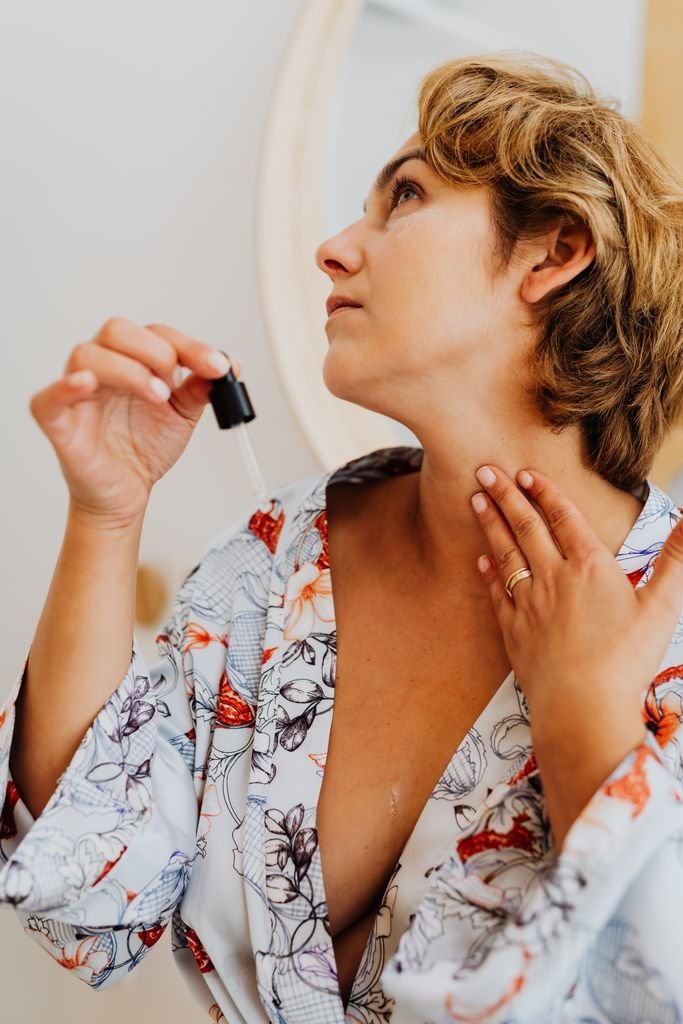
These five oils were chosen specifically for their relevance to the hormonal and structural changes that drive dryness after 40. Each has a distinct fatty acid profile and a distinct role to play. Together they cover the full spectrum — from ultralight to richly nourishing — so you can choose based on your skin’s current needs and the season.
Macadamia Carrier Oil – The Oil That Replaces What Your Skin Stops Making
Best for: very dry, tight, mature skin; winter use; evening application
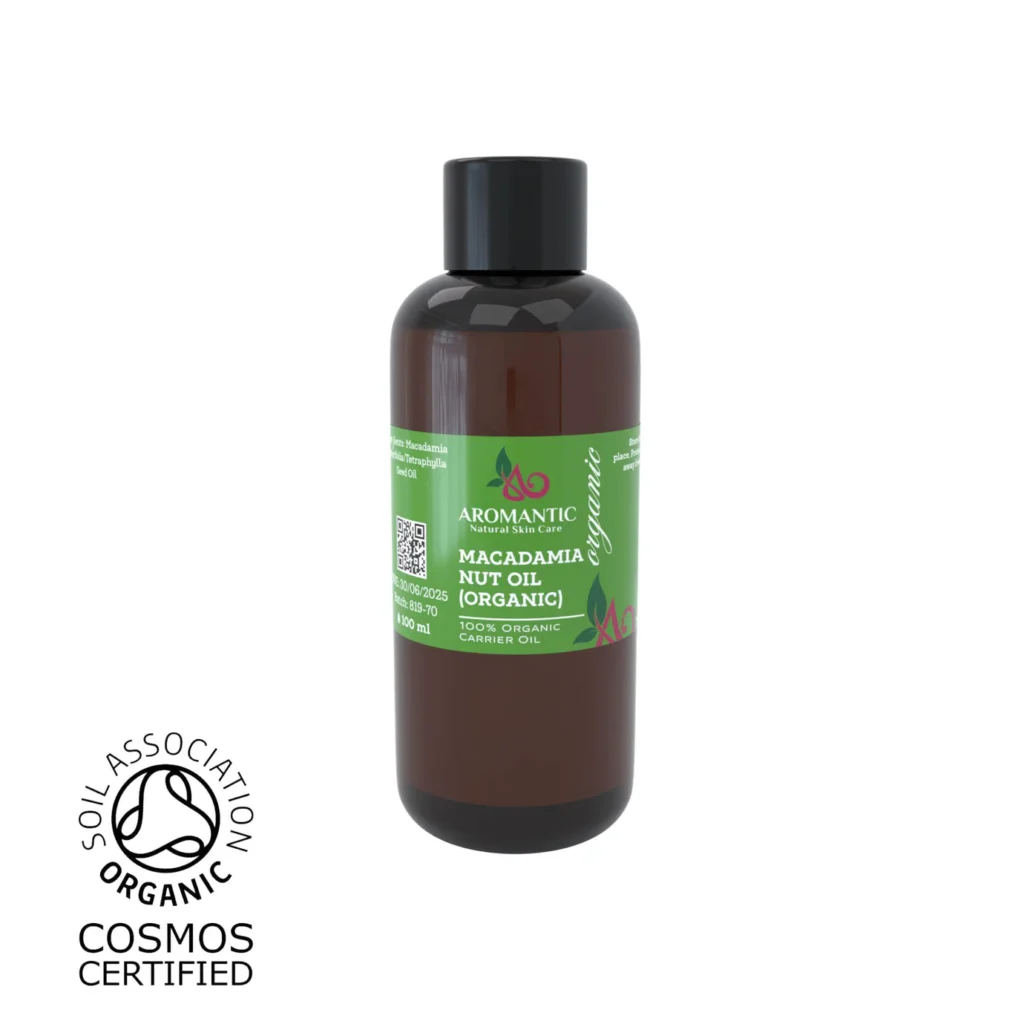
Macadamia oil has a unique distinction among plant oils: it is one of the richest natural sources of palmitoleic acid (omega-7), a fatty acid that is actually present in young, healthy skin sebum and that declines significantly with age.
This makes Macadamia oil arguably the most biologically relevant oil you can apply to mature skin. Rather than simply adding generic moisture, it replenishes a specific lipid that the skin’s own sebaceous glands are no longer producing in the same quantities. The skin recognises it, absorbs it readily, and the barrier responds.
Macadamia is a medium-weight oil with a silky texture that sits comfortably on dry skin without feeling greasy. It is also rich in oleic acid, which supports deep penetration and long-lasting emolliency.
How to use it: Apply 4–6 drops to slightly damp skin after cleansing either alone or as the base of a facial oil blend. You can also add a couple of drops to your moisturiser. It is particularly effective when it’s used as the last step of an evening routine.
Kiwi Seed Carrier Oil — The Rare Omega-3 Your Skin Barrier Needs
Best for: barrier-compromised skin; sensitivity; skin that feels reactive or easily irritated
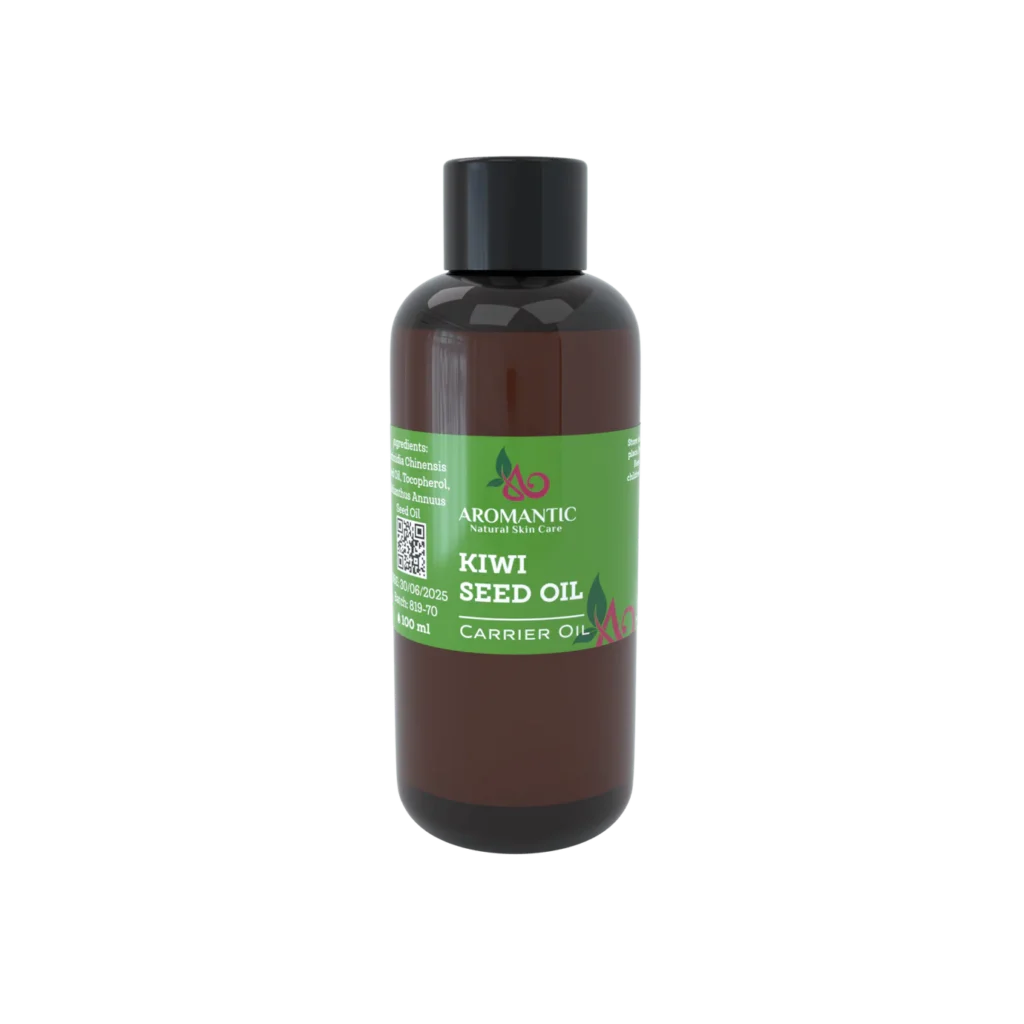
Kiwi seed oil is one of very few plant oils with a genuinely high concentration of alpha-linolenic acid (ALA), an omega-3 fatty acid. Most plant oils are dominated by omega-6 (linoleic) or omega-9 (oleic). Omega-3 rich oils are relatively rare in skincare and Kiwi seed oil is exceptional in this regard.
Why does that matter for skin over 40? Omega-3 fatty acids have potent anti-inflammatory properties and play a key role in maintaining the integrity of the skin barrier. After 40, as the barrier becomes more porous and reactive, an omega-3-rich oil helps to calm the inflammatory signals that contribute to sensitivity, redness, and accelerated moisture loss.
Kiwi seed oil is also notably lightweight despite its impressive fatty acid profile. It absorbs without heaviness, making it well-suited for daytime use or for skin that is dry but congestion-prone.
How to use it: Use alone as a morning facial oil, or blend with macadamia for a balanced day/night formula. 2–3 drops is sufficient given its potency.
Blueberry Seed Carrier Oil — The Antioxidant Oil Mature Skin Deserves
Best for: mature skin with dullness, uneven tone, and dryness combined; antioxidant protection; hyperpigmentation-prone skin

Blueberry seed oil is rare in mainstream skincare content, which is a genuine oversight because its profile is exceptional for mature skin.
It contains a near-ideal 1:1 ratio of omega-3 to omega-6 fatty acids (alpha-linolenic and linoleic acids), which supports both barrier repair and anti-inflammatory action simultaneously. But what distinguishes blueberry seed oil is its remarkable antioxidant content: it is rich in tocopherols (vitamin E), phytosterols, and the same resveratrol precursors and anthocyanin-related compounds that make blueberries so nutritionally prized.
For skin over 40 that is dealing with both dryness and the early signs of oxidative stress, such as dullness, uneven texture, fine lines, Blueberry seed carrier oil addresses multiple concerns at once. It supports moisture retention, helps neutralise free radical damage, and brings a subtle brightening quality over time.
How to use it: Use in an evening blend or apply 2–3 drops as a standalone serum-oil before moisturiser. It blends particularly well with Rosehip carrier oil, and you can add Frankincense essential oil for a synergistic mature skin formula.
Passionflower Seed Oil — The Lightweight Option for Dry and Reactive Skin

Best for: skin that is dry yet congestion-prone; combination-dry; for humid months; sensitive skin
One of the most underused oils in natural skincare, Passionflower seed oil has an exceptionally high linoleic acid (omega-6) content, typically around 70–75%, which places it among the most linoleic-rich oils available.
Linoleic acid is a critical component of the skin’s lamellar bodies, the structures within the barrier that organise lipids into their protective layers. As skin ages and goes through a hormonal change, it becomes deficient in linoleic acid, which leads to a compromised, poorly functioning barrier. Supplementing it (linoleic acid) topically has been shown to support barrier repair and reduce TEWL.
Passionflower seed oil is also remarkably lightweight for such a lipid-rich oil. It absorbs quickly without a heavy residue, making it the right choice for women who want the barrier and hydration benefits of a facial oil without feeling the grease.
How to use it: Use as a morning oil by applying 3–4 drops on slightly damp skin. You can also blend it with other oils such, as Macadamia carrier oil, for more nourishing formula.
Watermelon Seed Carrier Oil — The Skin-Smoothing Oil With a Hidden Antioxidant Weapon
Best for: sluggish mature skin; dull skin; dehydrated skin
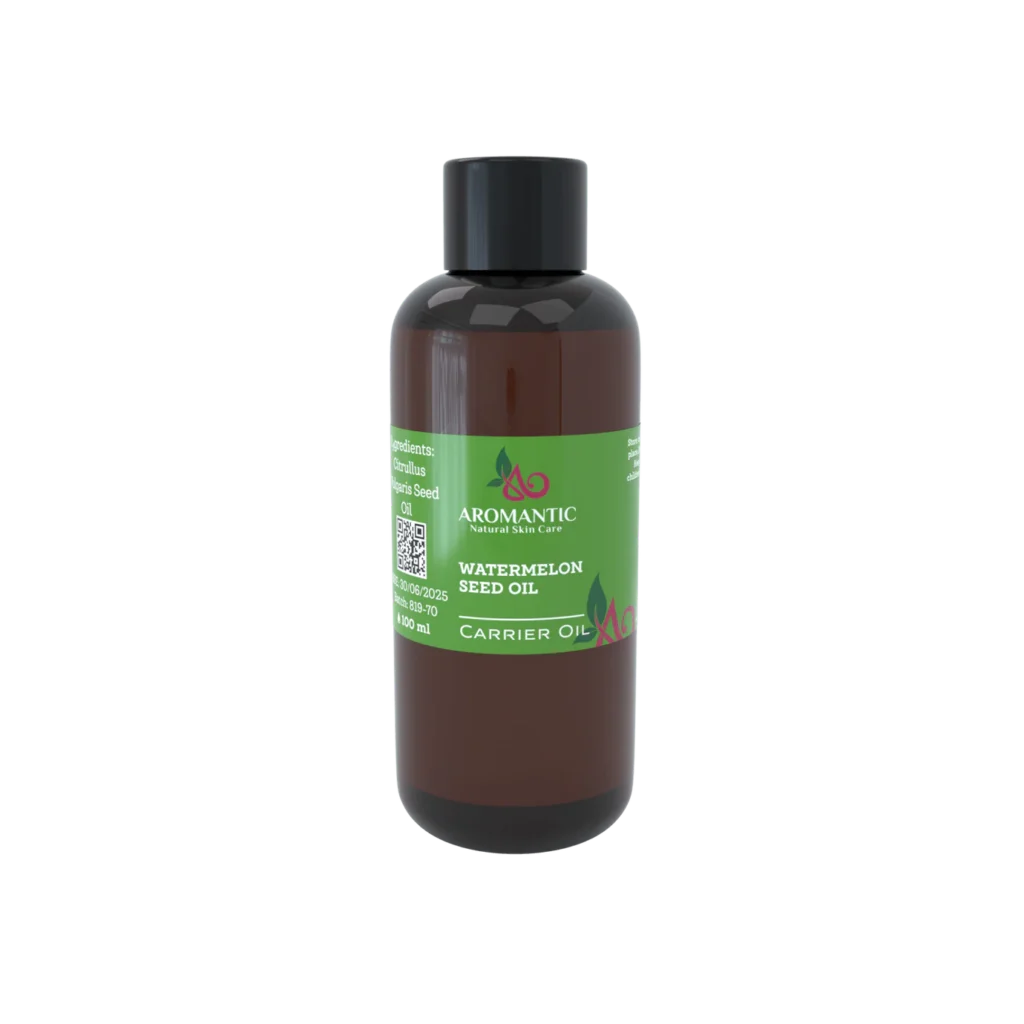
Watermelon seed oil is one of the most elegant lightweight oils available for mature skin. It has a clean, high linoleic acid content that supports barrier function, balanced with enough oleic acid for genuine emolliency. But its distinguishing feature is lycopene, the same carotenoid antioxidant that gives watermelon its red colour and one of the most potent antioxidants in the carotenoid family.
For skin over 40, oxidative stress is a real driver of accelerated ageing and moisture barrier degradation. Lycopene has been shown to help protect skin cells from UV-induced oxidative damage and to support skin elasticity. Used consistently in a facial oil, Watermelon seed oil brings both topical antioxidant protection and lightweight hydration to the table.
It is also almost completely non-comedogenic, with a dry, fast-absorbing finish that makes it accessible to women whose dry skin is complicated by occasional congestion, which is not uncommon during perimenopause.
How to use it: Apply 3–4 drops to a damp skin every morning or evening. Particularly effective in warmer months when richer oils feel too heavy. Blends well with Kiwi seed carrier oil for a supercharged, lightweight barrier-repair duo.
Essential Oils That Hydrate, Revitalise and Rejuvenate
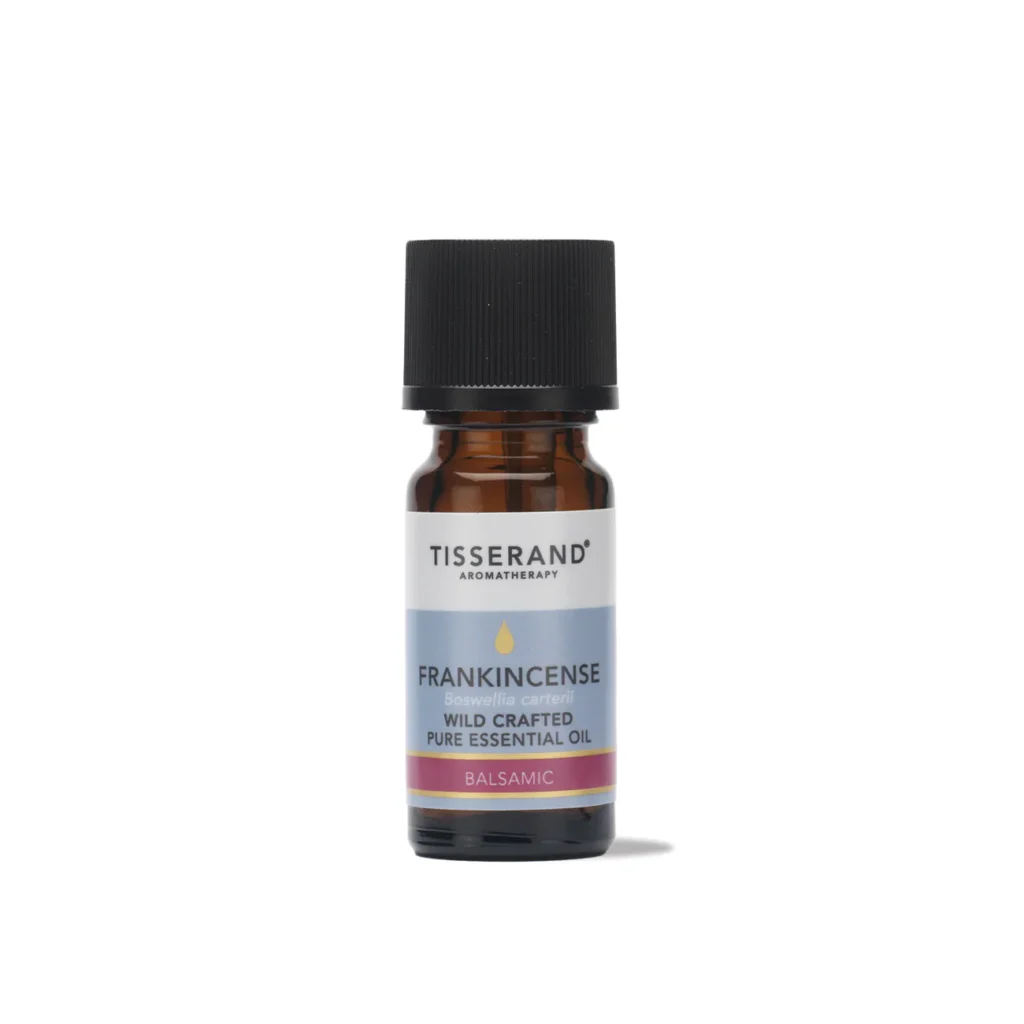
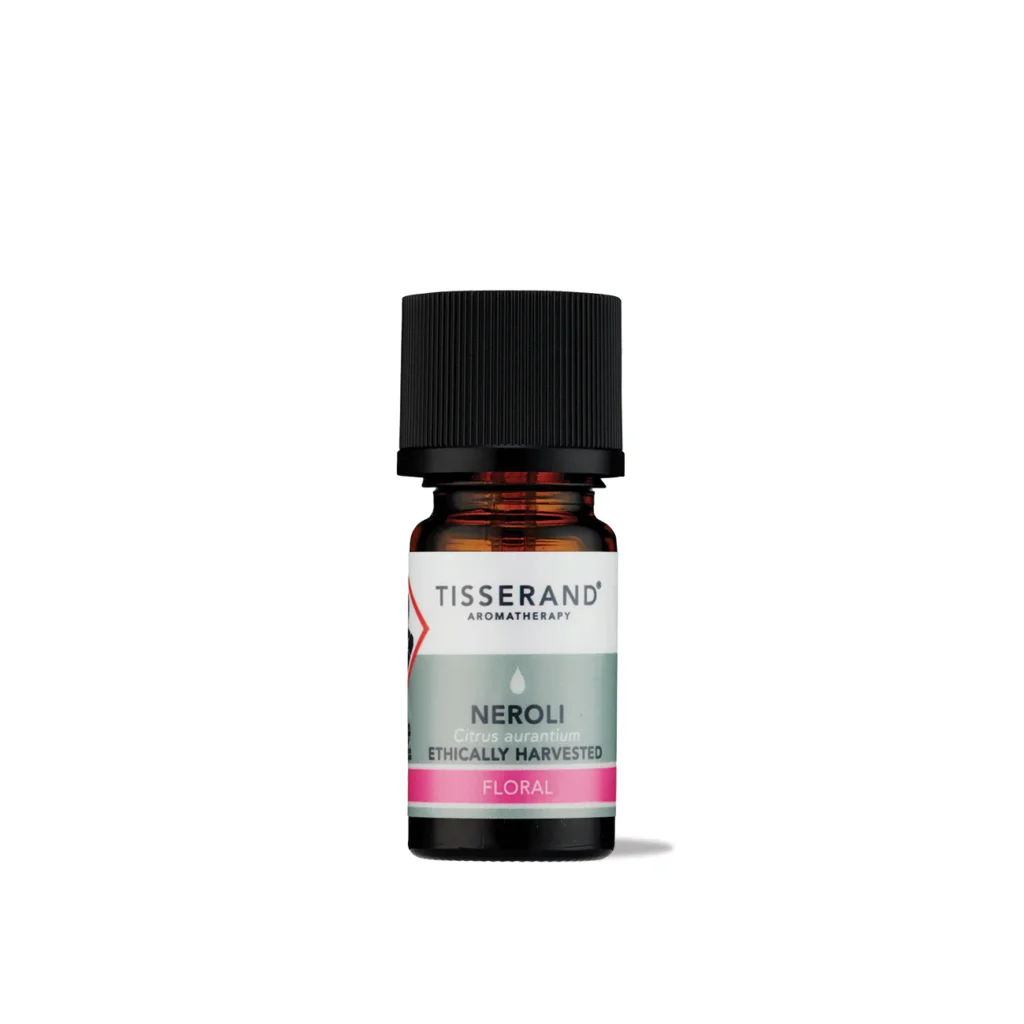
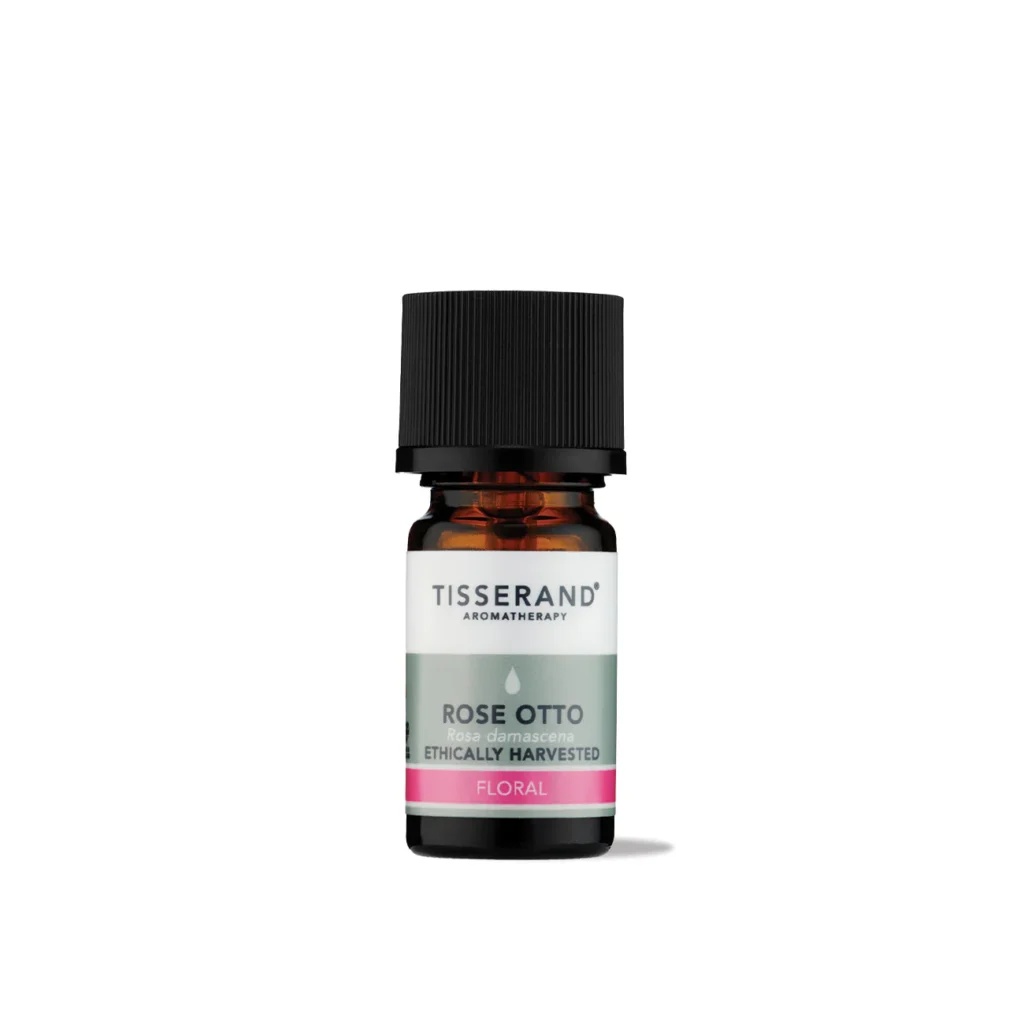
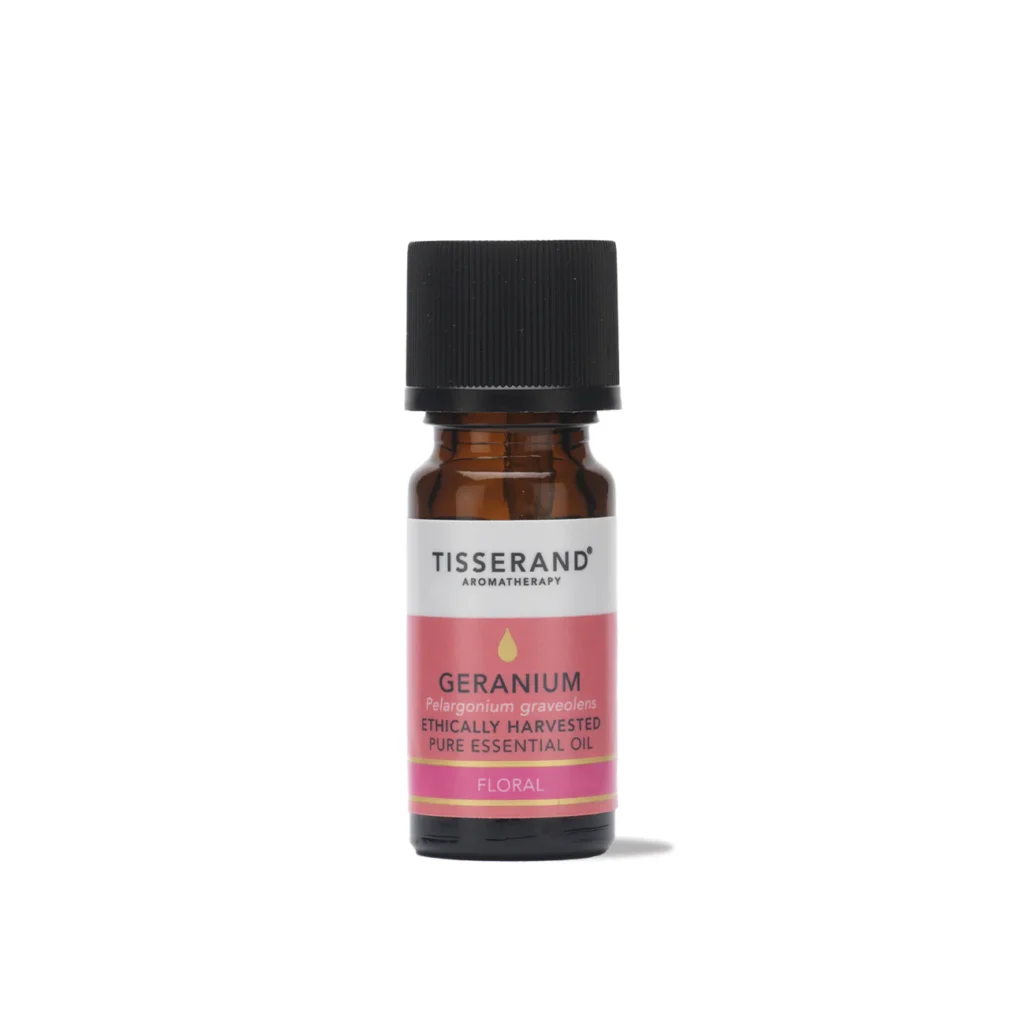
Essential oils are highly aromatic, concentrated volatile compounds distilled from therapeutic plants. Because of their tiny molecular size, they can pass through the stratum corneum easily, carrying active cellular benefits deep into the skin. For 40 + skin the following oils are particularly well-regarded.
Important Safety Note: Essential oils are incredibly potent and must never be applied directly to the skin undiluted. They should always blended into your carrier oils at a safe, skin-loving dilution rate, roughly 1%, which equates to 3 to 6 drops of essential oil per 30ml of carrier oil.
- Frankincense essential oil perhaps the most classic choice for mature skin; supports cell regeneration, helps firm the appearance of skin, beautifully complementary to the carrier oils listed above
- Rose otto essential oil is deeply nourishing, supports skin tone and elasticity; a traditional favourite for mature, dry skin
- Neroli essential oil is known for its regenerative properties, suits sensitive and dry skin well
- Geranium essential oil helps balance skin and supports an even tone; a useful addition for perimenopausal skin that swings between dry and reactive
Adding 1–2 drops of these to your chosen carrier oil blend creates a genuinely personalised, therapeutic facial oil , one that goes well beyond anything available in a standard moisturiser.
A Simple Routine for Hydrated, Supple Skin After 40
You don’t need a complicated multi-step routine. What mature dry skin needs most is consistency and layering in the right order — so each product can do its job without interference.
Morning
- Cleanse — use a gentle, non-foaming cleanser or cleansing milk. Avoid anything that strips or leaves skin feeling tight.
- Hydrate — apply a water-based toner or a few drops of Aloe vera gel to damp skin. This is your humectant layer for drawing water in.
- Seal with oil — while skin is still slightly damp, apply 2–4 drops of your chosen carrier oil (or blend). This traps the moisture beneath it.
- Sun Protection – SPF always, even in winter. UV exposure significantly accelerates the collagen breakdown and barrier degradation that drives dryness after 40.
Evening
- Double cleanse if wearing SPF or makeup — oil cleanse first, then a gentle second cleanse.
- Hydrate — water-based toner or Aloe vera gel that you already used in the morning.
- Facial oil — you can use a richer option in the evening, for example Macadamia carrier oil.
- Moisturiser if needed — layer a cream over the top of the oil/blend to maximise occlusion.
DIY Facial Oil Blend for Dry Mature Ski
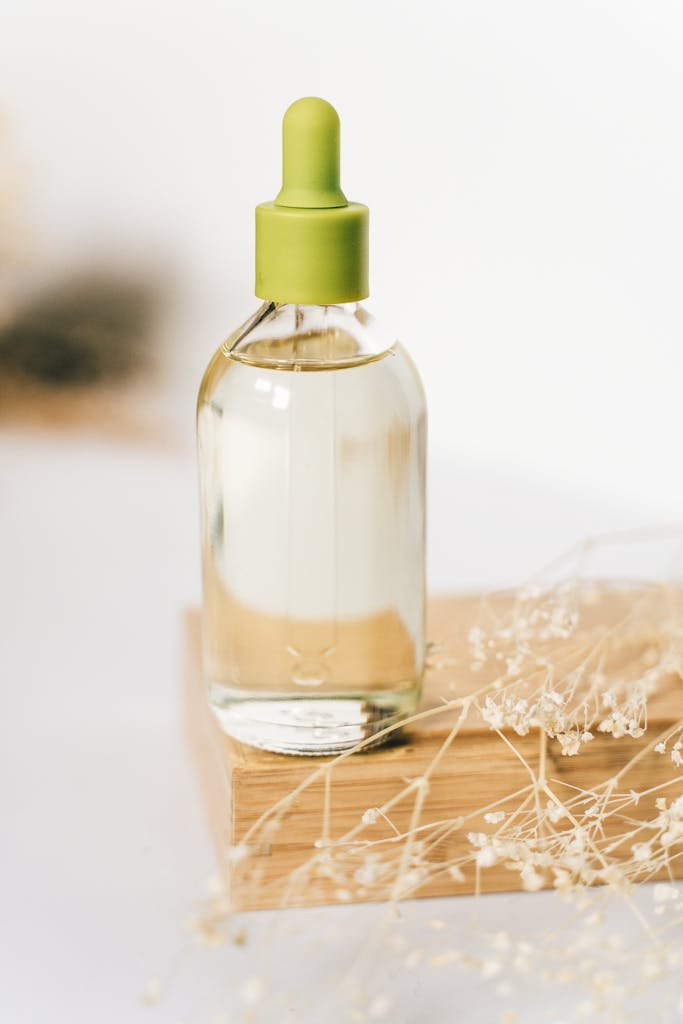
Supple Skin Facial Oil (10ml)
- 4ml Macadamia carrier oil
- 3ml Passionflower seed carrier oil
- 2ml Kiwi seed carrier oil
- 1ml Watermelon seed carrier oil
- 1 drop Frankincense essential oil
- 1 drop Rose otto or Geranium essential oil
Instructions: Pour all ingredients into a 10ml amber glass dropper bottle. Close the cap tightly and roll the bottle gently between your palms for 30 seconds to fully blend the oils. Apply 3–4 drops to slightly damp skin morning or evening.
What to Avoid After 40
A few common habits that actively worsen dryness in mature skin:
- Foaming cleansers — most contain surfactants that strip the skin’s natural oils along with dirt
- Alcohol-containing toners — particularly denatured alcohol (ethanol), which disrupts the barrier
- Hot water — breaks down the lipid matrix; use lukewarm water and keep cleansing brief
- Over-exfoliation — particularly physical scrubs; mature skin’s barrier is more fragile and needs protection, not abrasion
- Skipping oil — relying on water-based moisturiser alone after 40 often isn’t enough; the lipid layer needs direct replenishment
Final Thought
Dry skin after 40 is not a “sentence” you have to live with; it is simply a signal from your body that your needs have changed. Your skin is no longer the self-sufficient organ it was in your twenties—it now requires a partnership.
By moving away from synthetic, water-heavy products and embracing the lipid-rich, nutrient-dense world of natural oils, you are giving your skin exactly what it is asking for: protection, nourishment and the building blocks for regeneration.
Whether you choose the sebum-mimicking power of Macadamia carrier oil or the luxurious hydration of Rose Otto essential oil, the key is consistency and kindness. Treat your skin like the precious silk it is and it will reward you with a radiance that proves beauty truly has no age. Welcome to your most glowing decade yet!
If you’ve already discovered an oil that works particularly well on your skin and reduce considerably dryness, please share your experience by leave a comment in the box below: I would like to hear from you!
Disclaimer: This post contains affiliate links. If you purchase through these links, I may earn a small commission at no extra cost to you — it helps me keep creating free content. I only ever recommend products I personally use and trust. This information is for educational purposes only and is not intended to diagnose, treat, cure, or prevent any disease. Always patch test new ingredients, and consult with a healthcare provider if you have specific skin conditions or concerns. If you’re pregnant, nursing, or on medication, check with your doctor before using essential oils.