Skin Cycling: How to Use Essential Oils on Recovery Nights for Calmer, Stronger Skin

The skincare world has undergone a radical transformation in recent years. We have moved away from the “more is better” philosophy towards a more intuitive, respectful approach to our skin’s biology. If you’ve spent any time on skincare corners of the internet recently, you’ve probably come across the term skin cycling. It’s one of those trends that sounds complicated at first, but actually it’s based on a simple idea: our skin thrives on a balance of stimulation and rest. That’s exactly what skin cycling is all about.
When I first learnt about skin cycling I thought to myself: What if we could take this balanced approach a step further? What if we could combine the clinical precision of skin cycling with the ancient, therapeutic power of aromatherapy? Because I believe by integrating specific essential oils into your “recovery nights,” we can do more than just rest our skin. We actually can actively nourish, soothe and strengthen its barrier. In this article I will walk you through the basics of skin cycling, explain why I think essential oils can be a beneficial addition to it and what oils are the best for this purpose.
What Is Skin Cycling and Why Does It Matter?
Skin cycling is a structured approach to your evening skincare routine that alternates between active treatment nights and recovery nights. The term was popularised by dermatologist Dr. Whitney Bowe and the basic four-night framework looks like this:
- Night 1: Exfoliation (chemical exfoliants like AHAs or BHAs)
- Night 2: Retinoids (vitamin A derivatives that stimulate cell turnover)
- Nights 3 & 4: Recovery (gentle, barrier-supporting ingredients only)
Then you repeat. That’s it — that’s the whole system. This pattern gives your skin time to rejuvenate and repair instead of facing constant stress from active ingredients.
Why Recovery Nights Are So Important
The reason this matters comes down to one crucial concept: your skin barrier. During active nights acids and retinoids encourage cellular renewal, but they can also temporarily disrupt the skin barrier, the protective layer that locks in moisture and keeps irritants out. Recovery nights help rebuild this outer defence layer by focusing on barrier support, deep hydration and inflammation control.
When the skin isn’t constantly bombarded with actives, several good things happen:
- Barrier repair accelerates which results in reduced redness and dryness.
- Natural oils and lipids balance is restored making the barrier more resilient.
- Hydration improves, hence the skin looks plumper and calmer.
- Sensitivity drops so there’re fewer breakouts caused by irritation.
Essentially alternating your skincare routine helps avoid its burnout. Just like your body needs rest days after an intense workout, your skin needs recovery days to repair and recharge too.
How Recovery Nights Strengthen the Skin Barrier
The skin barrier—scientifically known as the stratum corneum—is made up of skin cells (corneocytes) surrounded by lipids such as ceramides, cholesterol and fatty acids. When this fine balance is disturbed by frequent exfoliation or actives, the skin becomes more prone to transepidermal water loss (TEWL), irritation and dullness. Recovery nights aim to rebuild these natural lipids and prevent inflammation, allowing skin cells to retain moisture and function optimally.
Hydrating ingredients like hyaluronic acid, glycerin and ceramides are excellent for this phase. Adding essential oils to your recovery nights can elevate restoration to a more holistic level. Because aromatherapy brings in botanical actives that soothe, regenerate and align both skin and mind for complete nighttime recovery.
Why Essential Oils Belong in Your Skin Cycling Routine
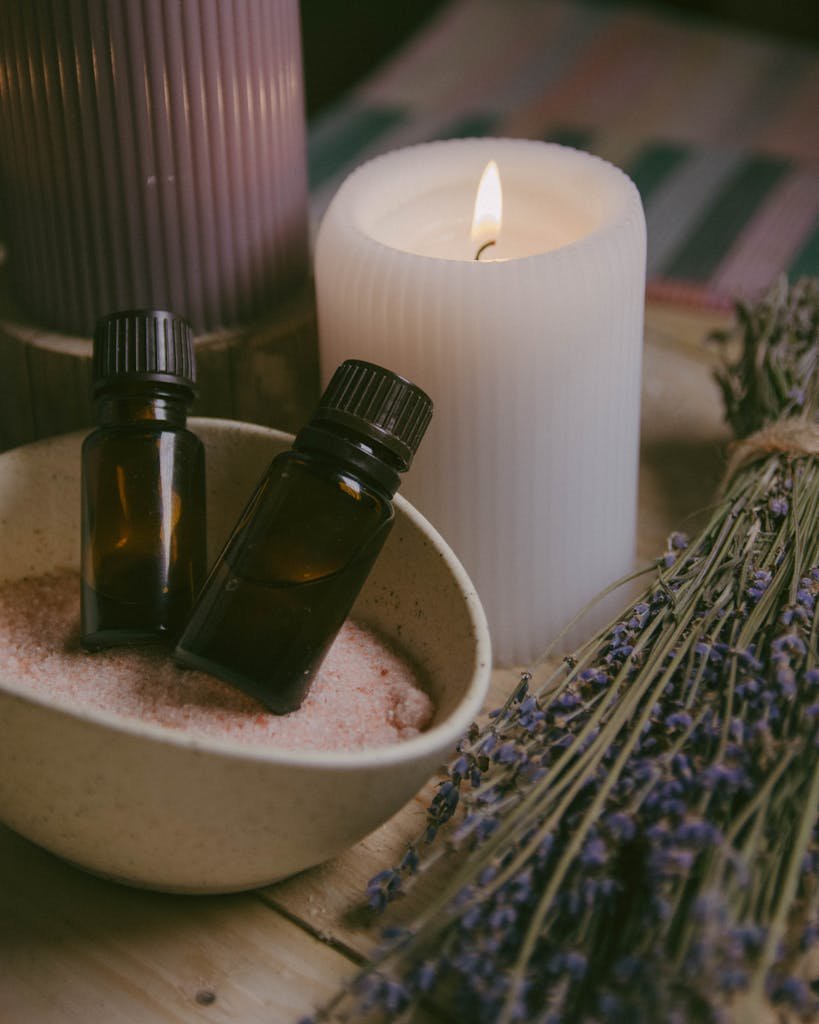
In skin cycling system recovery nights are an opportunity to actively nourish and support your skin with ingredients that help it do what it’s already trying to do: rebuild, calm and strengthen. This is precisely where used correctly essential oils become a genuinely valuable part of your routine.
Essential oils are concentrated plant extracts that contain a complex mixture of aromatic compounds — terpenes, esters, alcohols, ketones and more. Far from being simply fragrant extras, the right essential oils can actively support skin recovery in several important ways.
They can help calm inflammation. After an active night, your skin may be mildly inflamed even if it doesn’t look dramatically red. Certain essential oils — particularly those high in linalool (Lavender), alpha-bisabolol (German Chamomile) or sesquiterpenes (Frankincense) — have documented anti-inflammatory activity that can help settle this down.
They support barrier lipid production. Some carrier oils used as the base for essential oil blends — Rosehip, Jojoba, Squalane — are rich in fatty acids that mimic the lipids naturally found in the skin barrier. Combined with barrier-supportive essential oils, they help replenish what active nights deplete.
They encourage cell regeneration: Essential oils like Helichrysum and Carrot Seed are known for promoting tissue renewal.
They provide antioxidant protection. Many essential oil compounds neutralise free radicals, which are unstable molecules generated by UV exposure, pollution and even the skin’s own metabolic processes. On recovery nights, this antioxidant support helps reduce oxidative stress while the skin is rebuilding.
They can improve hydration indirectly. By supporting a healthy barrier, essential oils help your skin hold onto the moisture it already has — one of the most underrated aspects of truly healthy skin.
Soothing aromatherapy benefits. The evening ritual with beautifully scented oils signals to your nervous system that it’s time to wind down thus reduces stress hormones that can impact skin health. Given that stress is one of the most significant drivers of skin inflammation, this benefit isn’t the one to underestimate. I invite you to read my other article How High Cortisol Ages Your Skin Faster and 6 Essential Oils That Help Naturally if you want to know how chronicle stress affects your skin.
How to Use Essential Oils Safely in Skin Cycling
Essential oils are powerful and must be diluted properly to avoid sensitization or barrier damage. Here are must-follow safety notes:
Dilution rates:
- Face care: 0.5–1% essential oil dilution (that’s about 3–6 drops total per 30ml of carrier oil).
- Body care: Up to 2–3%, but keep recovery blends for the face gentler.
Patch testing: Always patch-test new oils behind the ear or on the inner forearm for 24 hours before applying to your face.
Avoid photosensitising oils during the day. Several citrus oils, for instance Bergamot, Lemon, Lime and Grapefruit, contain compounds called furanocoumarins that can cause serious reactions when skin is exposed to UV light after application. On recovery nights (evening use only), cold-pressed citrus oils are a lower risk, but it’s still advisable to choose bergapten-free versions or simply stick to non-photosensitising options.
Storage: Keep blends in amber glass bottles away from heat and sunlight to maintain stability.
Timing: Apply essential oils during your nighttime routine. Their calming scent helps induce relaxation while skin receives the benefits from repair during sleep.
The Best Essential Oils for Recovery Nights
Here are some superstar essential oils for barrier repair and calm recovery:
Lavender (Lavandula angustifolia): The Universal Soother
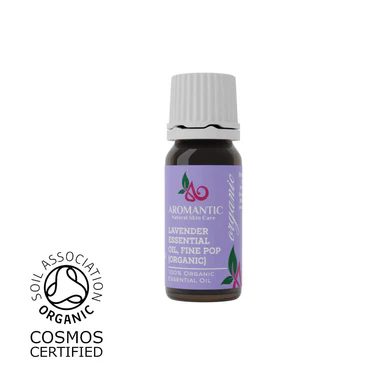
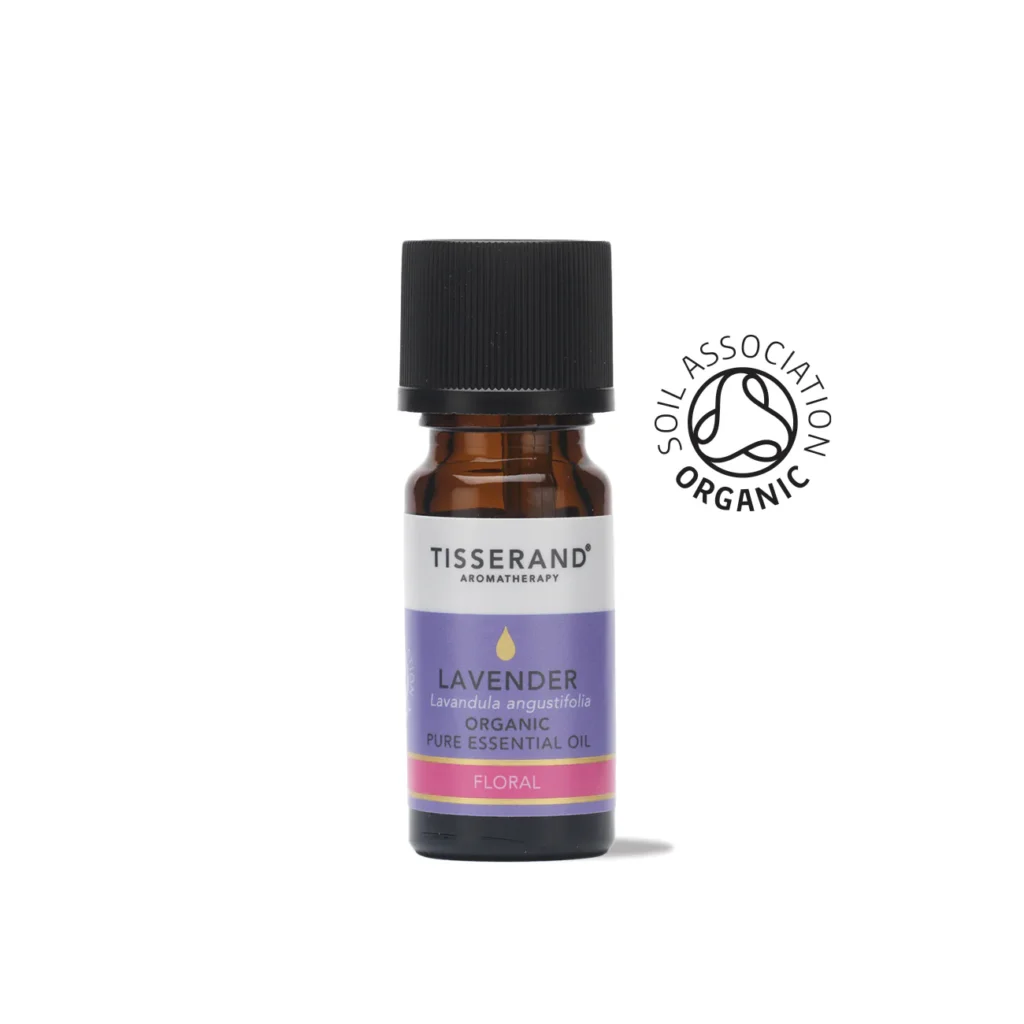
Lavender oil is perhaps the most famous essential oil in aromatherapy and for a good reason. It is incredibly gentle and has potent anti-inflammatory and antimicrobial properties. For that reason it’s perfect for recovery night as it will help to calm any lingering stinging from the previous night’s active ingredients.
Beyond its soothing scent, Lavender essential oil contains high levels of linalool and linalyl acetate, compounds that have been scientifically shown to reduce inflammation and promote wound healing. This makes it an ideal choice for recovery nights when your skin might be feeling slightly tender or over-stimulated. By incorporating Lavender into your routine, you are providing your skin with a gentle but effective tool for repair, ensuring that you wake up with a complexion that feels refreshed and rejuvenated.
Frankincense (Boswellia carterii): The Cellular Regenerator
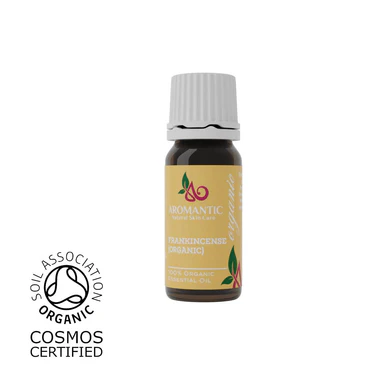
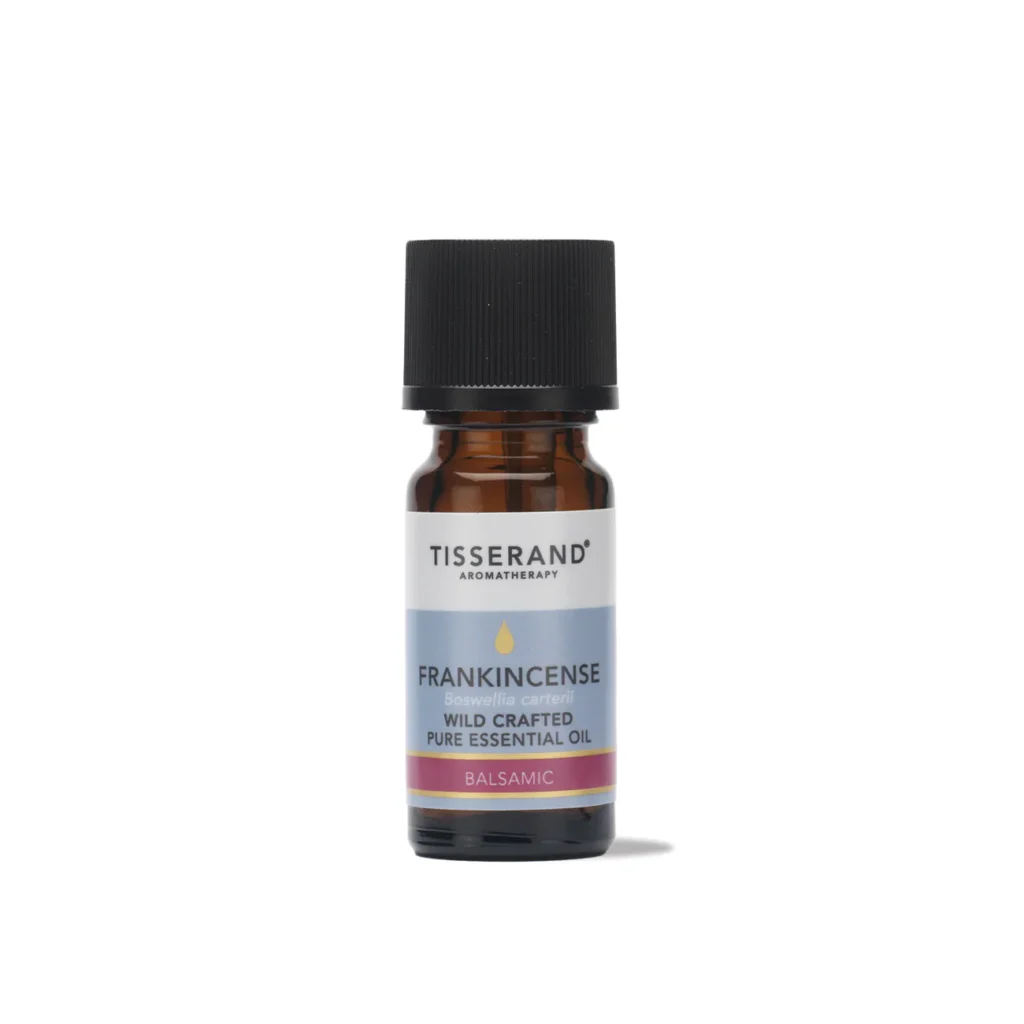
Often referred to as the “King of Oils,” Frankincense essential oil has been used for millennia for its skin-rejuvenating properties. It helps to support the skin’s natural healing processes and can improve the appearance of fine lines and uneven texture, all while being exceptionally gentle on the barrier.
Frankincense oil is rich in boswellic acids which have been studied for their ability to support cellular health and reduce the signs of ageing. On recovery nights, Frankincense oil works to rejuvenate the skin at a deep level by repairing any minor damage that could be caused by any active ingredients on the previous nights.
German Chamomile (Matricaria recutita): The Redness-Reducer
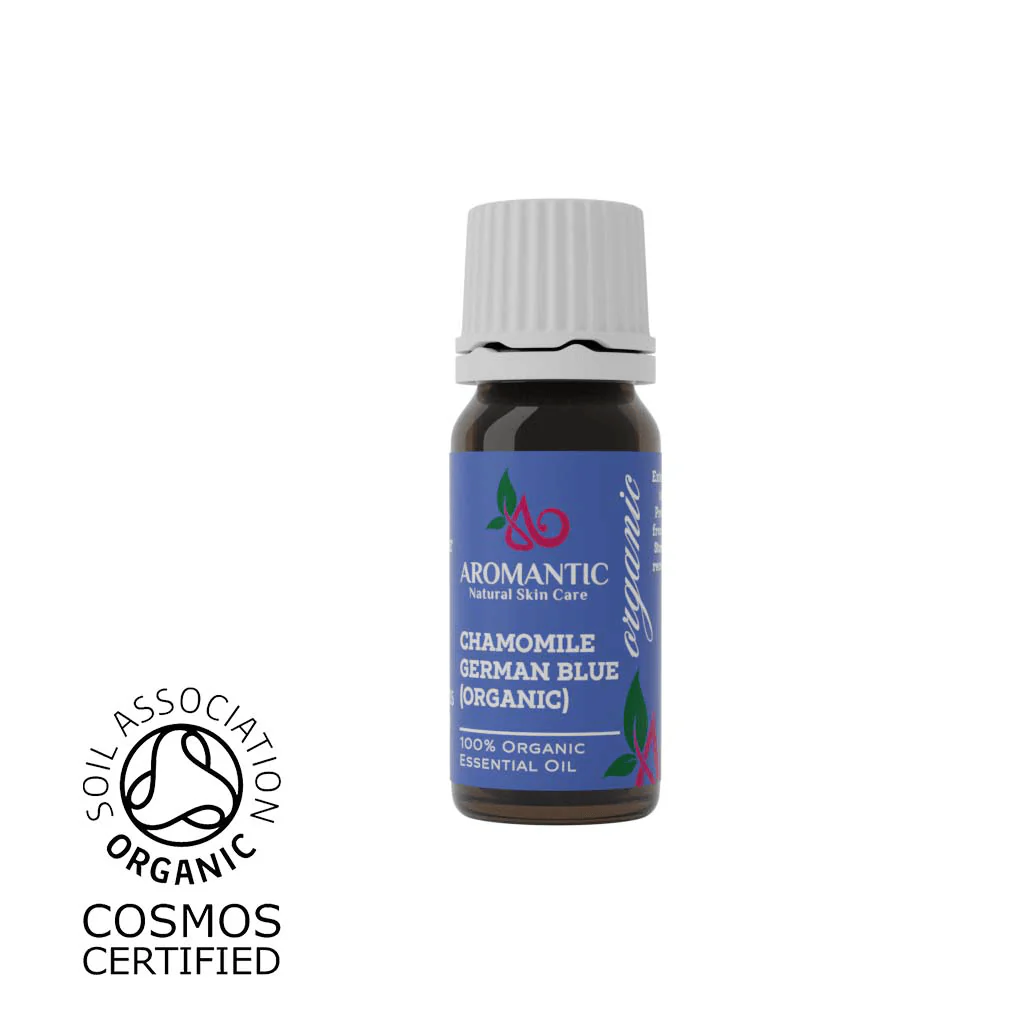
German Chamomile essential oil is deep blue in color due to its high concentration of chamazulene. This compound is a powerhouse for reducing inflammation and heat in the skin. If your skin feels particularly “angry” or red after a retinoid night, German Chamomile is your best friend. This oil is particularly effective at soothing the “heat” that can often accompany a compromised skin barrier. Whether you are dealing with a reaction to a new product or just the typical redness associated with retinoid use, German Chamomile essential oil can provide immediate relief. Its ability to calm the skin and reduce visible inflammation makes it an essential part of any recovery night routine, especially for those with sensitive or reactive skin types. Adding this oil will help bring your skin quickly back into balance, ensuring that it remains calm and comfortable throughout the cycling process.
Helichrysum (Helichrysum italicum): The “Immortelle”
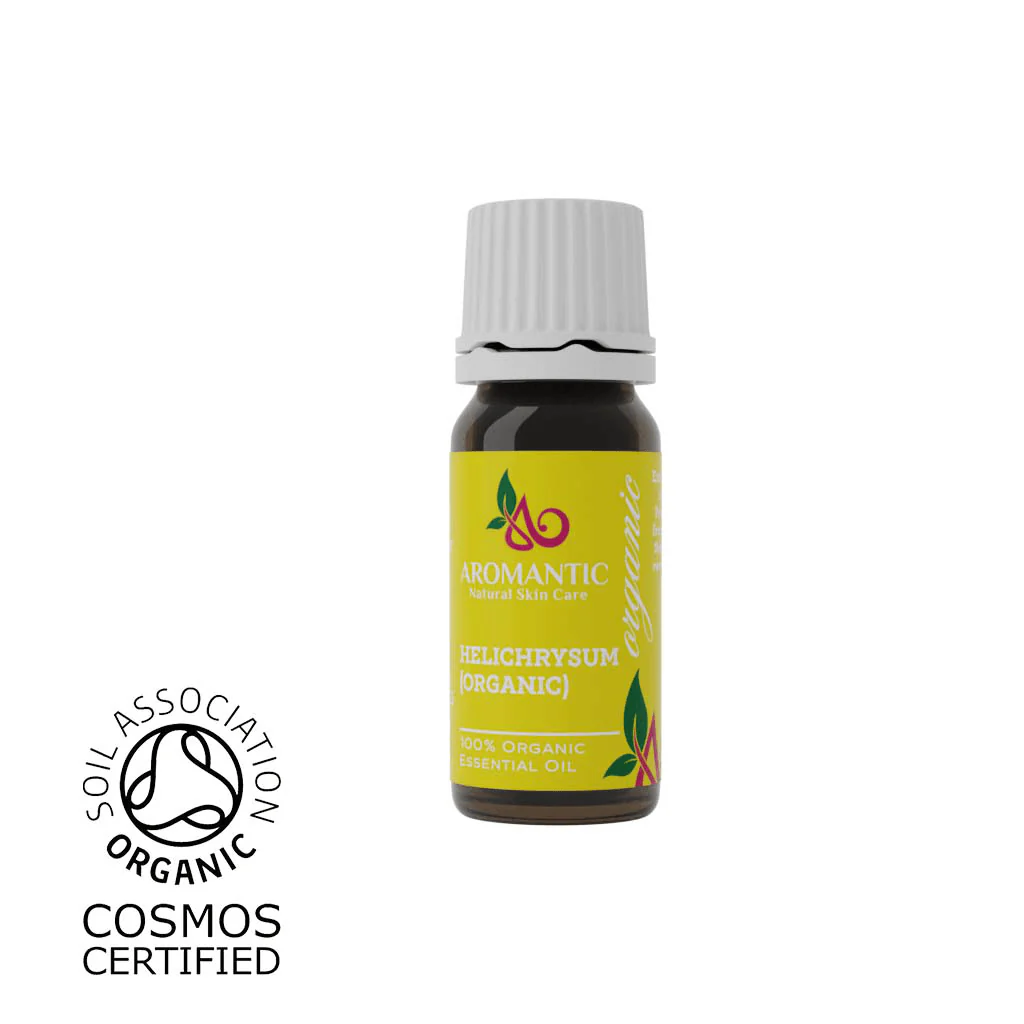
Helichrysum is a rare and precious essential oil known for its remarkable abilities. What makes to stand out is its concentration of italidiones (also called di-ketones), a group of compounds rarely found in other essential oils that are associated with tissue regeneration and the reduction of bruising and scarring. It also contains arzanol, a potent antioxidant and anti-inflammatory compound that has attracted attention in dermatological research for its ability to inhibit inflammatory pathways in the skin. Add to this a generous proportion of neryl acetate, which contributes to its cell-renewing and soothing activity and you have an oil that works on multiple recovery fronts simultaneously.
For skin cycling purposes, Helichrysum is particularly valuable after retinoid nights, when the skin may be experiencing low-grade inflammation and accelerated cell turnover. It supports the skin’s own regenerative processes rather than overriding them, making it a beautifully complementary ingredient for this phase. It is also excellent for anyone working on uneven skin tone, post-breakout marks, or early signs of ageing.
Sandalwood: The Cooling Hydrator
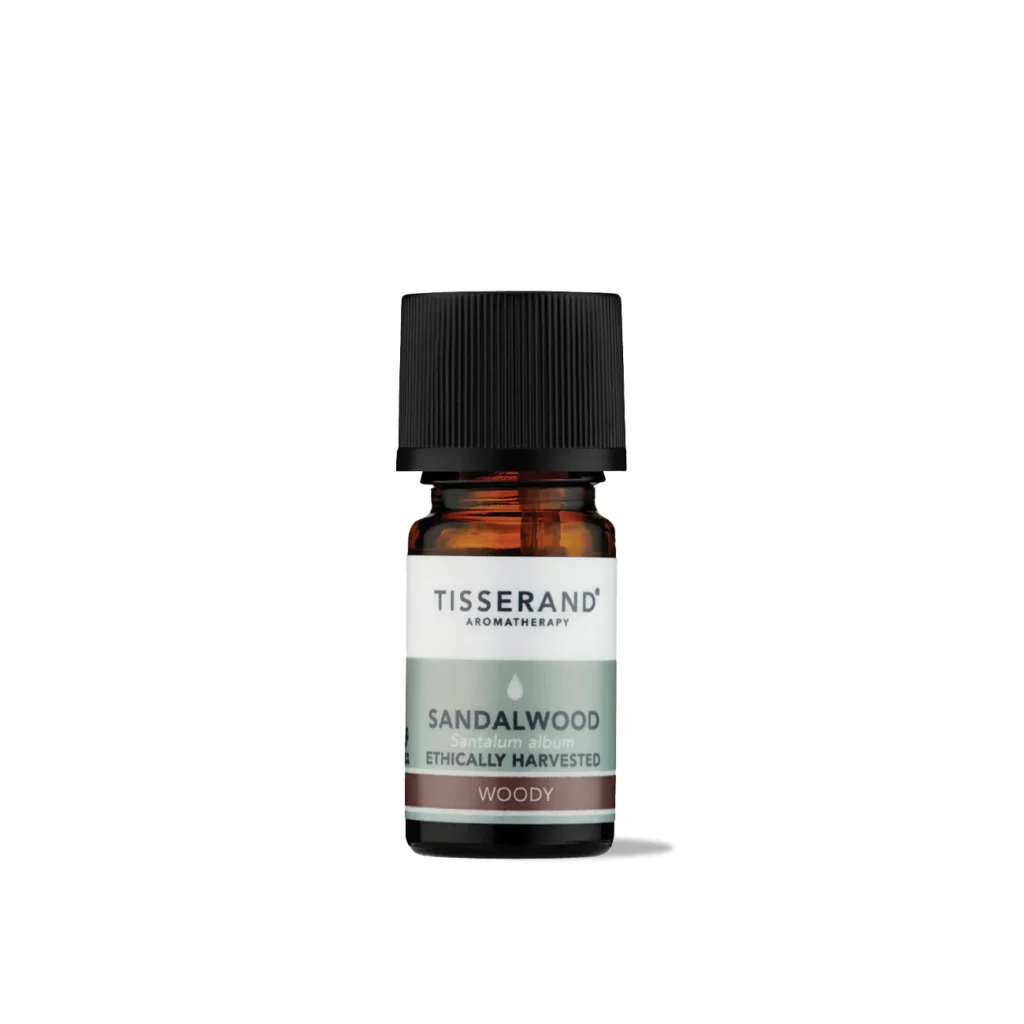
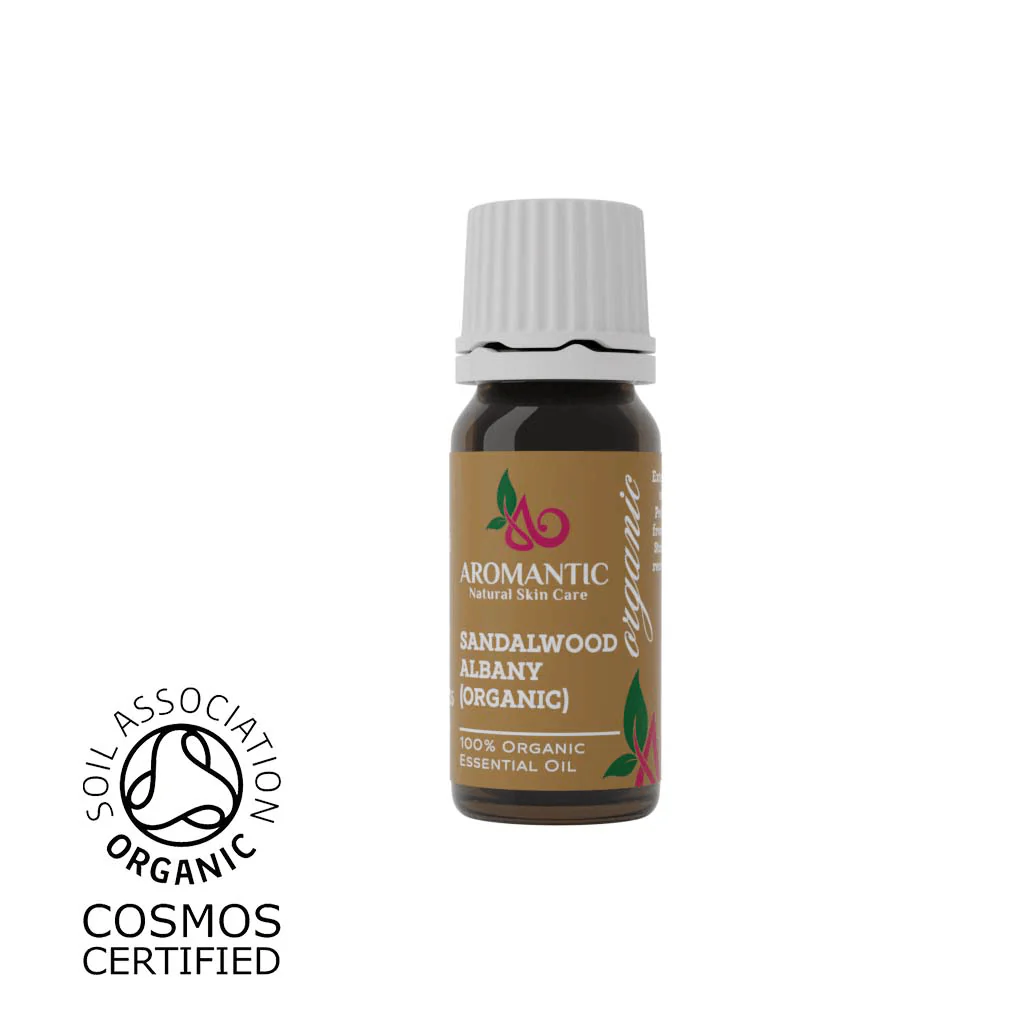
Sandalwood is a thick, grounding essential oil that is exceptionally cooling and moisturising. For skin cycling specifically, it’s an excellent choice for dry, dehydrated or mature skin types. Sandalwood essential oil has a naturally emollient quality that creates a soft, protective layer on the skin surface, helping to reduce moisture loss during the night. It is also remarkably well-tolerated by sensitive skin compared to many other essential oils. It is an important quality given that recovery nights follow what may have been a challenging retinoid or exfoliation night for a reactive skin.
Rose (Rosa damascena): The Luxurious Barrier-Booster
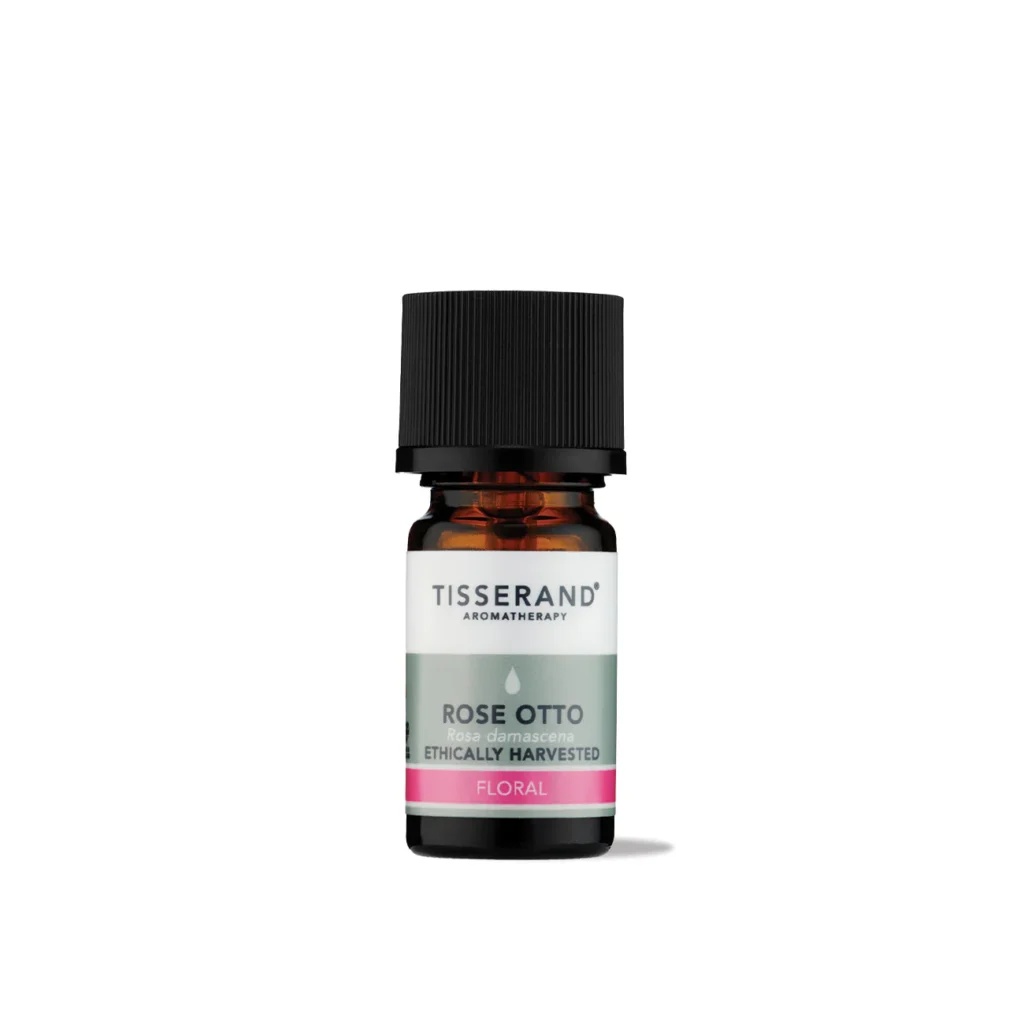
Rose essential oil is not only incredibly fragrant, but also highly beneficial for dry and mature skin. It is rich in vitamins and antioxidants that help to hydrate the skin and strengthen its natural defences. Rose essential oil has a well-established reputation for reducing transepidermal water loss, which means it actively helps the skin hold onto the moisture you’ve layered underneath it. It’s a perfect complement to hyaluronic acid or a hydrating toner used earlier in your recovery night sequence.
Neroli (Citrus aurantium var. amara, blossom): The Regenerative Hero
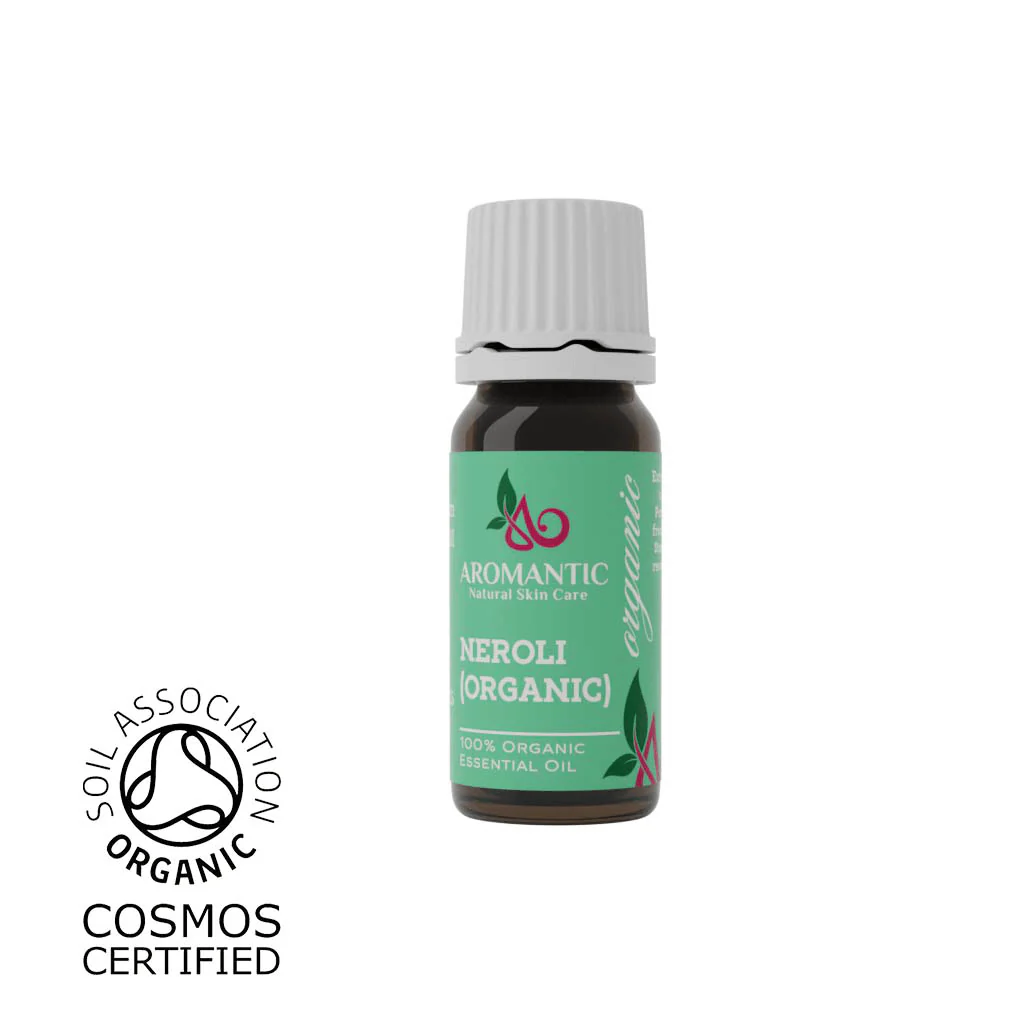
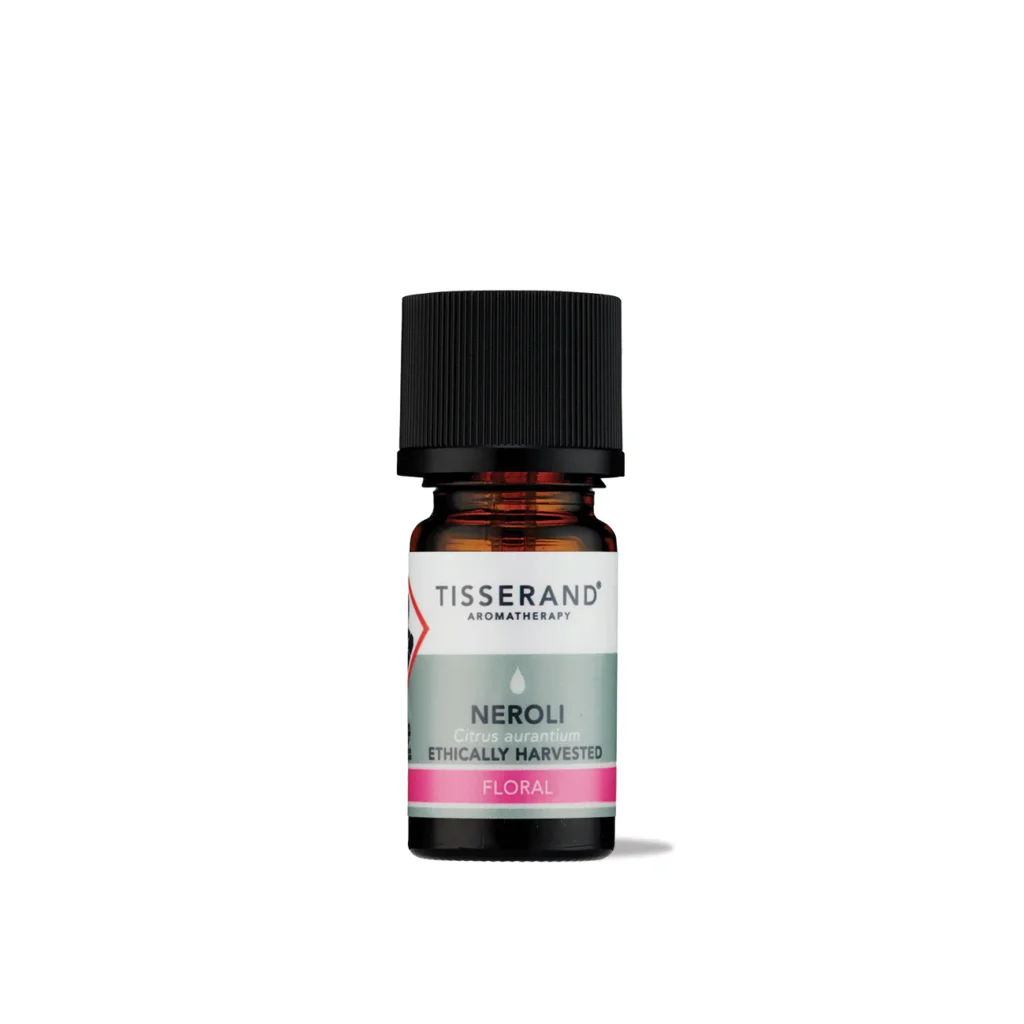
Neroli is another skin-regenerating essential oil with particular affinity for dry or mature skin. It’s high in linalool (just like Lavender essential oil) and also contains antioxidant compounds. Unlike cold-pressed citrus oils, Neroli essential oil is not photosensitising which makes it a safe choice for facial blends.
Choosing the Right Carrier Oils for Recovery Nights
Carrier oils are not just a base for the blends, they’re active partners in synergy with essential oils and add even more benefits to the skin recovery.
Here are great options of carrier oils for a strong skin barrier:
- Jojoba oil: Closely resembles natural sebum, excellent for all skin types.
- Rosehip Seed oil: Packed with vitamins A and C, ideal for renewal and tone repair.
- Evening Primrose oil: Contains gamma-linolenic acid (GLA) for strengthening cell membranes.
- Camellia Seed oil: Lightweight, antioxidant-rich, great for dry or mature skin.
- Squalane: Non-comedogenic, weightless, and boosts hydration instantly.
Aim for richer oils on recovery nights that nourish deeply and absorb gracefully without leaving greasy residue.
DIY Recovery Night Oil Blends
Calm & Repair Face Oil
This is a gentle, approachable blend that works well for most skin types — including those that are post-exfoliation sensitive. It’s designed to soothe, replenish and support overnight recovery.
Ingredients:
- 20ml Rosehip Seed oil
- 10ml Jojoba oil
- 3 drops Lavender essential oil
- 2 drops Frankincense essential oil
- 1 drop German Chamomile essential oil
Method: Combine your carrier oils in a dark glass dropper bottle. Add the essential oils and roll the bottle gently between your palms to blend. Label with the date and contents.
To use: Warm 3–4 drops between your fingertips and apply after cleansing and any water-based serums, including hyaluronic acid, by pressing gently onto the skin. Avoid the eye area. Use on recovery nights (nights 3 and 4) of your skin cycling routine.
Shelf life: Up to 6 months if stored away from heat and light.
Deep Recovery Elixir
This rich blend is formulated for skin that needs more intensive support. It will be particularly good for you if you’re experiencing dryness, visible signs of ageing or signs of compromised skin barrier, such as sensitivity, redness, itchiness, etc.
Ingredients:
- 10ml Rosehip Seed oil
- 5ml Squalane oil
- 2 drops Frankincense essential oil
- 2 drops Neroli essential oil
- 1 drop Rose Otto essential oil
- 1 drop Sandalwood essential oil
Method: Combine all the ingredients in a dark glass dropper or roller bottle. Mix gently. Label clearly with a date.
To use: Apply 2–3 drops to clean skin on recovery nights, pressing rather than rubbing to avoid unnecessary friction on a sensitised skin surface. Follow with a gentle moisturiser if needed or use this as your final step if your skin is combination to oily.
Shelf life: Up to 4–5 months.
Building Your Recovery Night Ritual
The practical application matters as much as the ingredients. Aim for this kind of sequence on your recovery nights:
- A gentle cleanse — no stripping cleansers. Avoid foaming cleanser and opt for cream or oil cleansers instead. They won’t disturb your barrier.
- Hydrating toner or mist (optional) — something simple with natural, soothing ingredients.
- Hyaluronic acid or water-based serum — apply while skin is still slightly damp to lock in moisture.
- Your essential oil recovery blend — pressed gently into the skin.
- Moisturiser (if needed) — a moisturiser made with natural ingredients without harsh chemicals will work really well.
The goal of recovery nights is simple: you’re creating the optimal conditions for your skin to do its own repair work.
Final Thoughts
Essential oils are a beautiful fit for the recovery phase of the skin cycling method. They bring real, evidence-informed benefits to the skin barrier when it comes to its repair and reduce the inflammation. They don’t contain synthetic fragrances, harsh preservatives or potentially disruptive actives found in many mainstream recovery products. Plus they bring something that’s harder to quantify but genuinely matters: a moment of calm, a ritual, a sensory experience that tells your whole nervous system it’s time to slow down and rest.
If you’re new to the skin cycling, I suggest that you start to introduce your recovery blends from the very first cycle. Pay attention to how your skin feels over several weeks — not day to day, but across cycles. Most people notice that using essential oils on their recovery nights makes their skin become more resilient, less reactive and more tolerant to the actives used during other days of the skin cycling.
I won’t get tired repeating that essential oils are amazing gifts of nature with so many amazing benefits for us. Follow the safety rules when it comes to their usage and don’t be shy to experiment. It’s the best you can do for yourself! Don’t be shy to share your thoughts and experiences on the subject in the comments below, I would like to hear from you.
Disclaimer: This post contains affiliate links. If you purchase through these links, I may earn a small commission at no extra cost to you — it helps me keep creating free content. I only ever recommend products I personally use and trust. This information is for educational purposes only and is not intended to diagnose, treat, cure, or prevent any disease. Always patch test new ingredients, and consult with a healthcare provider if you have specific skin conditions or concerns. If you’re pregnant, nursing, or on medication, check with your doctor before using essential oils.