Natural Retinol Alternatives: The Best Carrier Oils for Collagen Boost and Firmer, Younger-Looking Skin
What if the most effective collagen-boosting ingredients weren’t found in a pharmacy — but in a cold-pressed plant oil? Retinol is one of the most researched and celebrated ingredients in mainstream skincare. It’s praised for its ability to speed up cell turnover, boost collagen production and smooth out fine lines. However, for many women, particularly those in their 30s, 40s, 50s and 60s, traditional synthetic Retinol comes with a significant catch. It can be notoriously harsh, leading to redness, peeling, dryness and a compromised skin barrier. The good news is that nature provides an abundance of powerful, skin-loving alternatives. Plant-based carrier oils are emerging as some of the most effective, nourishing and scientifically backed natural Retinol alternatives available today. These botanical extracts do not simply moisturise; they are packed with active compounds that work synergistically with your skin to support its structural integrity, fight off environmental damage and promote a firmer, more resilient complexion.
In this article I’ll walk you through the science behind skin ageing, specifically focusing on the crucial roles of collagen and elastin. We will explore exactly how certain carrier oils can mimic the benefits of Retinol without the irritation. Finally, we will break down the absolute best carrier oils for firming the skin, provide a quick-reference comparison table and share three luxurious, easy-to-make DIY recipes so you can start blending your own custom anti-ageing elixirs at home.
The Foundation of Youthful Skin: Understanding Collagen and Elastin
To truly appreciate how natural Retinol alternatives work, it is essential to first understand what is happening beneath the surface of your skin as the years go by. The firmness, plumpness and smooth texture we associate with youthful skin are primarily maintained by two vital structural proteins found in the dermis (the middle layer of the skin): collagen and elastin.
Collagen is the most abundant protein in the human body, acting as the primary building block for your skin, bones, muscles and tendons. In the context of skincare, collagen is what gives your skin its strength, structure and volume. Think of it as the scaffolding that holds everything up and keeps the skin looking plump and firm. Type I collagen is the most prevalent type found in the skin and it is responsible for that dense, resilient quality we strive to maintain.
Elastin, as the name suggests, is a highly elastic protein that allows tissues in the body to resume their shape after stretching or contracting. While collagen provides the rigid structure, elastin provides the “snap-back” capability. It is what allows your skin to stretch when you smile or frown and then return to a smooth, unlined state.
So when the scaffolding (collagen) weakens and the snap-back (elastin) diminishes, the visible results are exactly what we associate with ageing skin: fine lines, deep-set wrinkles, jowls, drooping eyelids and a general loss of firmness and contour. This is precisely why supporting the production and preservation of these proteins is the primary goal of any effective anti-aging skincare routine.
What causes collagen and elastin decline?
Unfortunately, our bodies do not produce these proteins at a constant rate throughout our lives. The natural production of both collagen and elastin begins to slow down surprisingly early, typically in our mid-20s to early 30s. Research indicates that after the age of 20, a person produces about 1 percent less collagen in the skin each year. As a result, the skin becomes thinner and more fragile with age. But this decline is not just a matter of chronological ageing; it is significantly accelerated by external factors too.
Oxidative stress: Free radicals from UV rays, pollution and smoking damage structural proteins and impair fibroblast function.
Hormonal changes: For women hormonal shifts play a massive role in this process. During perimenopause and menopause, the dramatic drop in estrogen levels leads to a rapid and significant loss of collagen. Studies suggest that women’s skin loses approximately 30% of its collagen during the first five years of menopause. This accelerated loss is why many women notice a sudden increase in sagging, deeper wrinkles and a loss of overall skin density during their 40s and 50s.
UV exposure: Excess ultraviolet radiation accelerates “photoaging,” breaking down collagen fibrils and stiffening elastin, causing wrinkles and rough texture.
Poor nutrition: Deficiency in amino acids (like glycine and proline), vitamin C, zinc and antioxidants reduces the body’s capacity to synthesise new collagen.
Stress and high cortisol: This factor has been overlooked for years. Chronic stress increases a hormone called cortisol, which triggers collagen breakdown and inflammation. It also impairs repair mechanisms. I invite you to check my other post How High Cortisol Ages Your Skin Faster and 6 Essential Oils That Help Naturally that explain in details detrimental effect that high cortisol has on the skin.
Sugar and glycation: High glucose levels bind to collagen fibers, forming stiff, brittle complexes known as AGEs (advanced glycation end-products).
Inflammation and oxidative damage: Persistent inflammation triggered by poor diet, lack of sleep or exposure to toxins degrades elastin and weakens the extracellular matrix.
Lack of sleep and hydration: Reduced restorative processes and dehydration make the skin less resilient and more prone to collagen loss.
How Carrier Oils Support Collagen and Skin Firmness
When we think of oils, we often just think of moisture. While it is true that carrier oils are excellent emollients that help seal in hydration, viewing them merely as moisturisers is a vast underestimation of their capabilities. High-quality, cold-pressed carrier oils are complex botanical extracts teeming with bioactive compounds that actively improve the health and structure of the skin. Here is how the specific components found in carrier oils work to support collagen, protect elastin and mimic the firming effects of synthetic Retinol:
Antioxidants: The Protectors
As mentioned earlier, free radicals generated by UV rays and pollution are the sworn enemies of collagen and elastin. Antioxidants are the defense mechanism against this oxidative stress. They work by neutralizing free radicals before they can cause cellular damage. Many carrier oils are incredibly rich in natural antioxidants, particularly Vitamin E (tocopherol) and Vitamin C. By applying these antioxidant-rich oils topically, you are providing your skin with a shield that protects its existing collagen and elastin network from premature degradation.
Retinoid-Like Compounds: The Stimulators
This is where the “natural Retinol alternative” aspect truly shines. Certain carrier oils contain compounds that interact with the skin in ways remarkably similar to synthetic retinoids. The most famous of these is Bakuchiol, found in the seeds of the Psoralea corylifolia plant. Bakuchiol has been clinically shown to function as a functional analogue of Retinol. It upregulates collagen and stimulates cellular turnover, leading to smoother skin and reduced hyperpigmentation. And it does it without the irritation, redness or photosensitivity associated with traditional Retinol. Other oils, like Rosehip and Cacay, contain natural forms of Vitamin A (such as trans-retinoic acid), which gently encourage cell renewal and collagen synthesis.
Essential Fatty Acids: The Barrier Builders
Essential fatty acids (EFAs), such as Omega-3 (linolenic acid), Omega-6 (linoleic acid), Omega-7 (palmitoleic acid) and Omega-9 (oleic acid), are crucial for maintaining a healthy skin barrier. As we age, our skin’s natural lipid barrier weakens, leading to increased transepidermal water loss (TEWL). When the skin is dehydrated, fine lines appear more pronounced and the skin looks dull and deflated. EFAs help to rebuild this lipid barrier, locking in moisture and keeping the skin plump and hydrated. Furthermore, certain fatty acids have potent anti-inflammatory properties, which is vital because chronic, low-grade inflammation (often called “inflammaging”) is a significant driver of collagen breakdown.
Phytosterols: The Structural Supporters
Phytosterols are plant-based compounds that structurally resemble cholesterol, a key component of the human skin barrier. When applied topically, phytosterols help to replenish the skin’s lipid profile, improving elasticity and reducing roughness. They also have soothing, anti-inflammatory effects and have been shown to help prevent the breakdown of collagen after UV exposure, making them an excellent supportive ingredient for ageing skin.
The Best Carrier Oils for Collagen Boost and Firmer Skin
Bakuchi Seed Oil (Psoralea corylifolia)
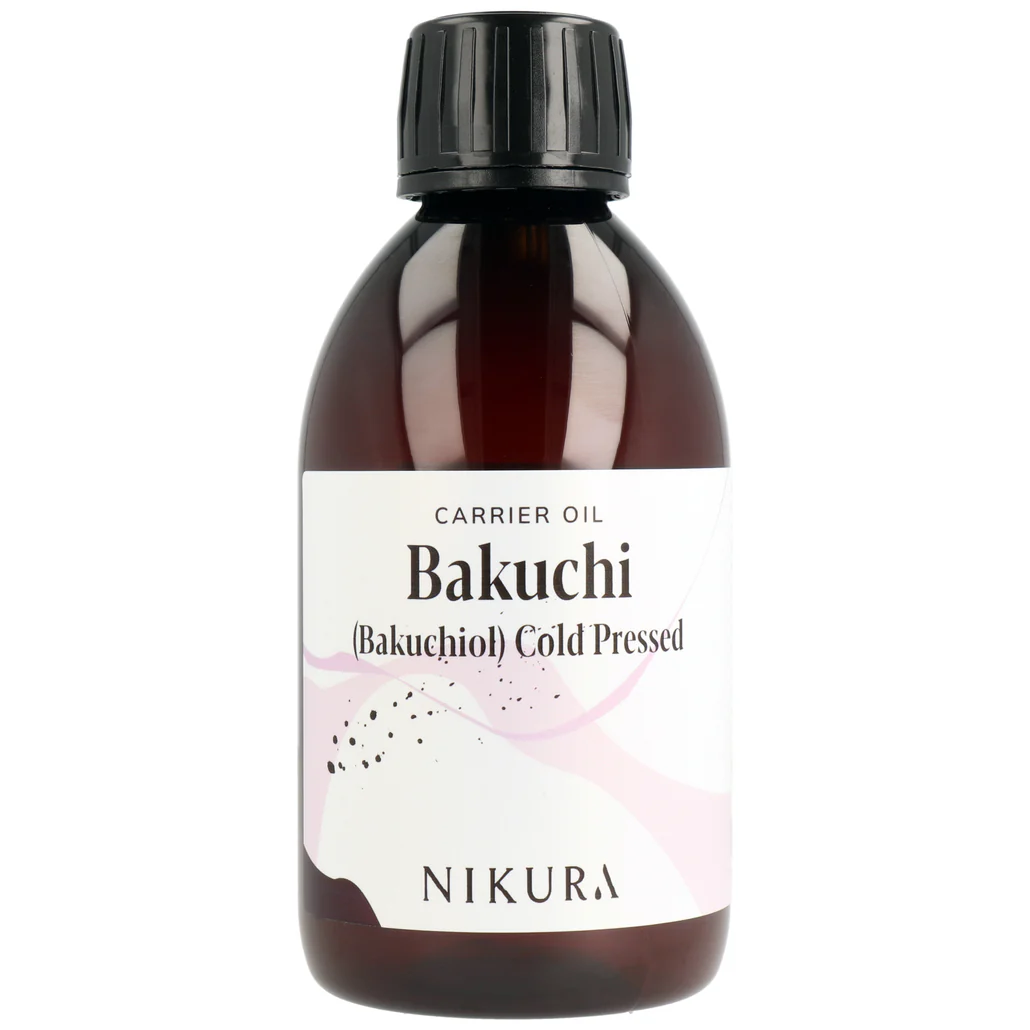
Key Actives: Bakuchiol.
Why it works: Derived from the Psoralea corylifolia plant, bakuchiol is perhaps the most celebrated natural retinol alternative. Clinical studies have demonstrated its ability to significantly reduce wrinkles and hyperpigmentation, improve elasticity and firmness and stimulate collagen production—all without the common side effects of irritation, dryness or photosensitivity often associated with traditional retinoids. It is a powerful antioxidant and anti-inflammatory, making it ideal for sensitive skin types that cannot tolerate Retinol.
Skin Type Suitability: All skin types, especially sensitive, mature or acne-prone skin.
Rosehip Seed Oil (Rosa Canina / Rosa Rubiginosa)
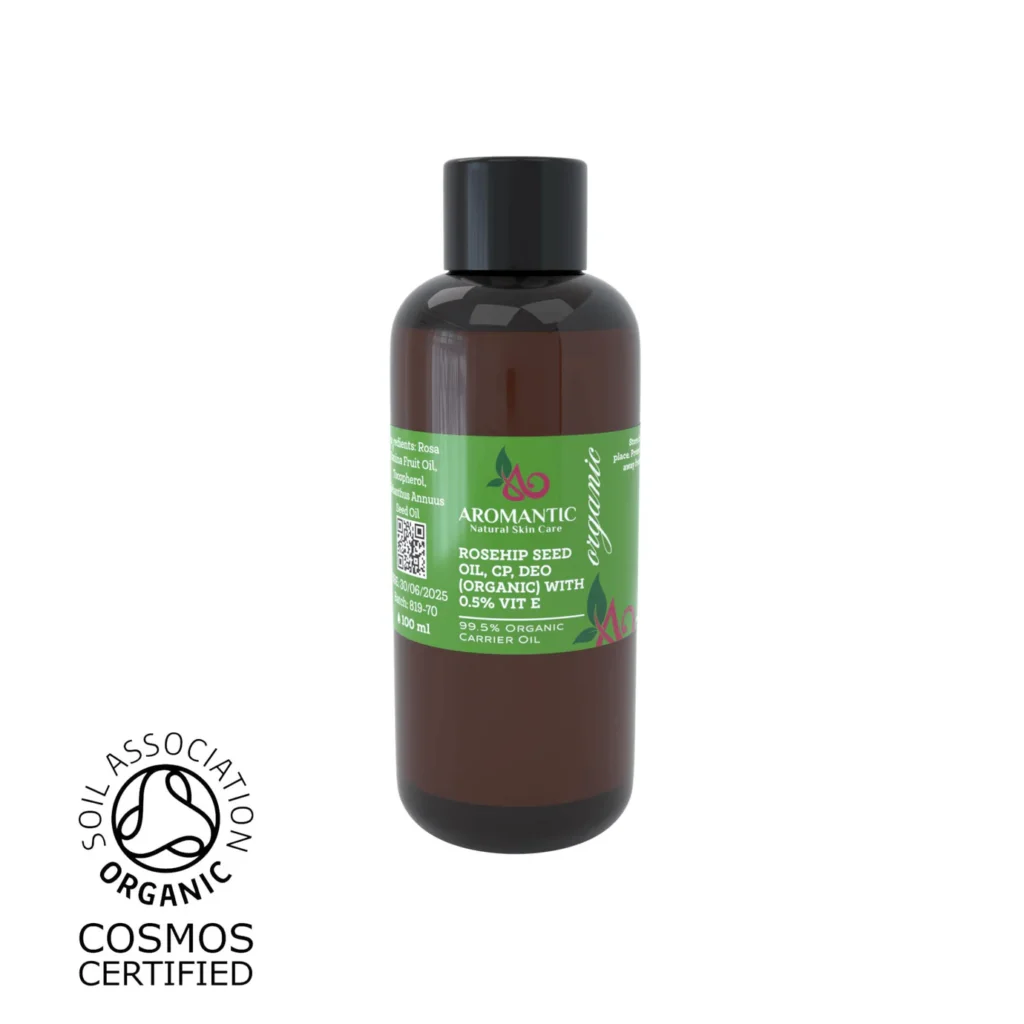
Key Actives: Trans-retinoic acid (a natural form of Vitamin A), Vitamin C, Omega-3 (linolenic acid), Omega-6 (linoleic acid).
Why it works: Extracted from the seeds of wild rose bushes, Rosehip oil is a skincare legend. Its natural trans-retinoic acid content makes it a gentle yet effective cell regenerator that helps to reduce the appearance of scars, fine lines and hyperpigmentation. The high concentration of essential fatty acids supports skin barrier function and hydration, while Vitamin C provides antioxidant protection and brightens the complexion .
Skin Type Suitability: Dry, mature, sun-damaged, scarred or hyperpigmented skin.
Pomegranate Seed Oil (Punica Granatum)
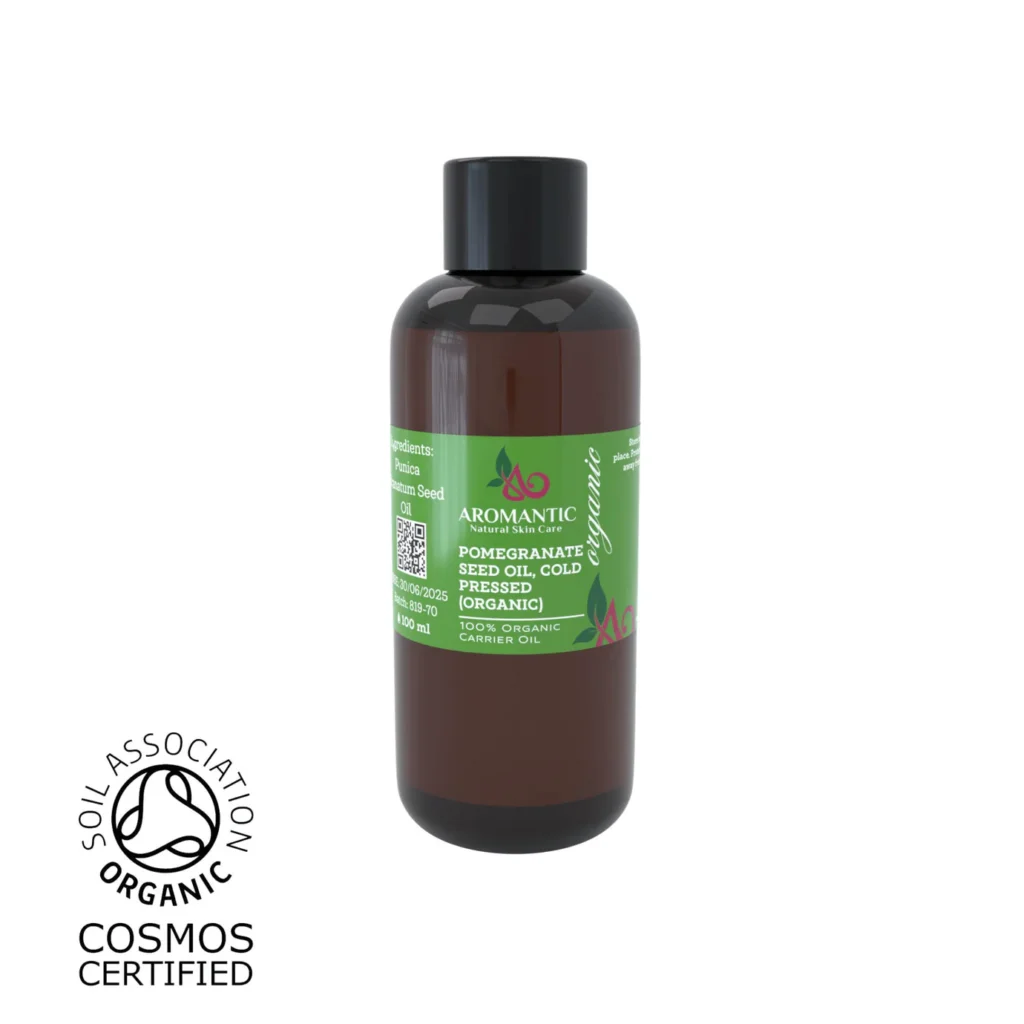
Key Actives: Punicic Acid (Omega-5), Ellagic Acid, Vitamin E.
Why it works: This luxurious oil is a powerhouse of antioxidants and anti-inflammatory compounds. Punicic acid, a rare Omega-5 fatty acid, has been shown to stimulate keratinocyte proliferation, promoting regeneration and repair. It also protects against UV damage and helps to prevent collagen breakdown, making it excellent for firming and plumping the skin .
Skin Type Suitability: Mature, dry, inflamed or sun-damaged skin.
Prickly Pear Seed Oil (Opuntia Ficus-Indica)
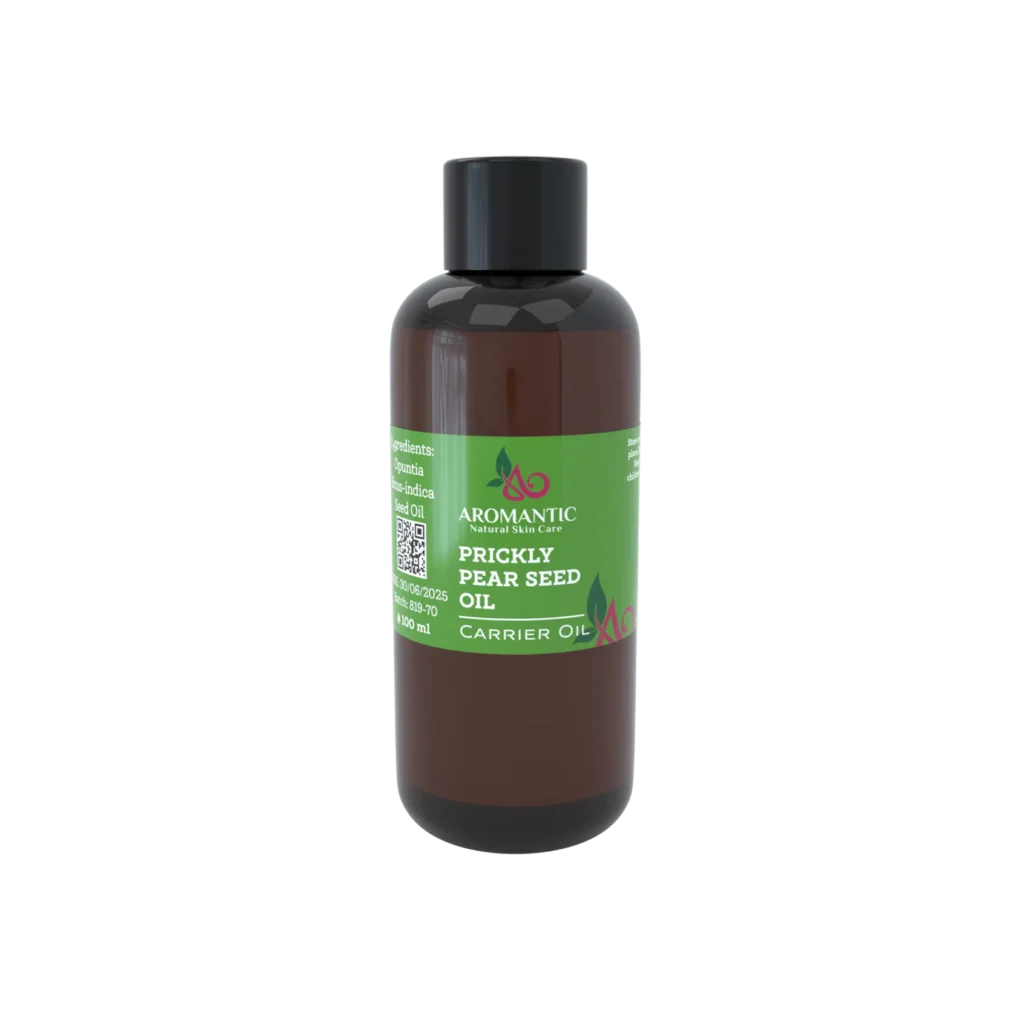
Key Actives: Extremely high Vitamin E (tocopherols), Vitamin K, Linoleic Acid (Omega-6).
Why it works: Often called “nature’s botox,” Prickly Pear Seed oil is one of the most expensive and potent oils available. Its exceptionally high Vitamin E content provides powerful antioxidant protection, while Vitamin K helps to brighten dark circles and improve skin tone. The linoleic acid content helps to improve skin elasticity and reduce the appearance of fine lines, making it particularly effective for the delicate eye area .
Skin Type Suitability: All skin types, especially mature, dry or dull skin, and those concerned with dark circles.
Cacay Oil (Caryodendron Orinocense)
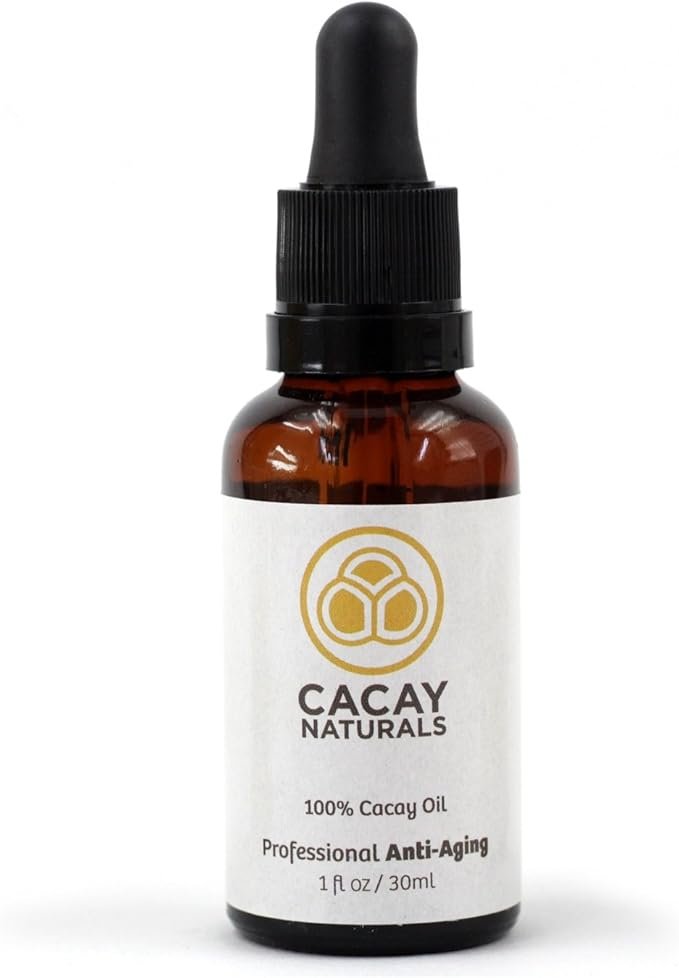
Key Actives: Natural Retinol (retinyl palmitate), Linoleic Acid (Vitamin F), Vitamin E.
Why it works: Hailing from the Amazon, Cacay oil boasts an impressive profile containing three times more natural retinol than Rosehip oil, more Vitamin E than Argan oil and a significant amount of linoleic acid. This combination makes it a potent anti-aging oil that helps to reduce wrinkles, improve skin texture and promote cellular regeneration without irritation .
Skin Type Suitability: Mature, dry or sun-damaged skin.
Broccoli Seed Oil (Brassica Oleracea Italica)
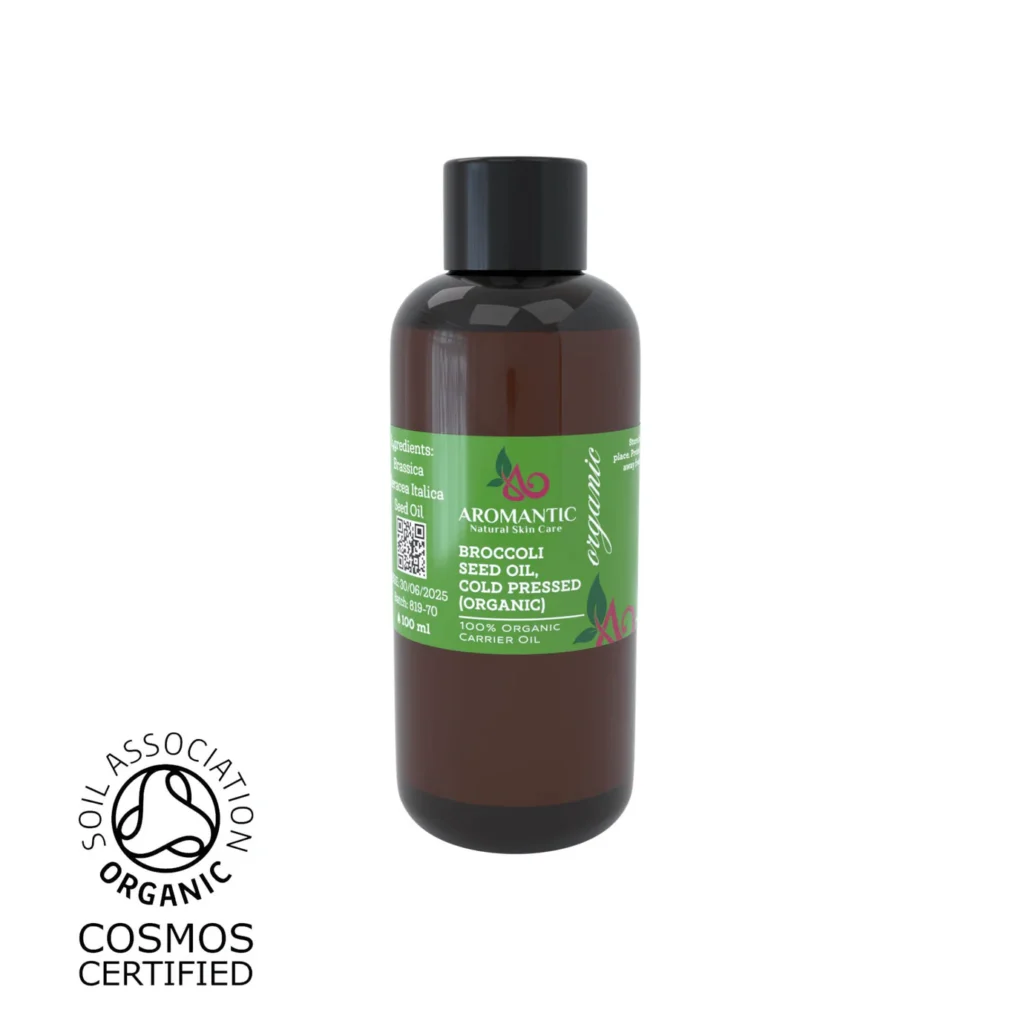
Key Actives: Erucic Acid (Omega-9), Sulforaphane, Vitamin A precursors.
Why it works: This unique oil is often lauded as a natural alternative to silicone due to its smooth, non-greasy feel. Rich in erucic acid, it provides excellent emollience and a protective barrier. More importantly it contains sulforaphane, a powerful antioxidant, that helps protect the skin from environmental damage, and precursors to Vitamin A which gently support cell turnover and skin renewal .
Skin Type Suitability: Combination, oily or mature skin looking for a smooth finish.
Marula Oil (Sclerocarya Birrea)
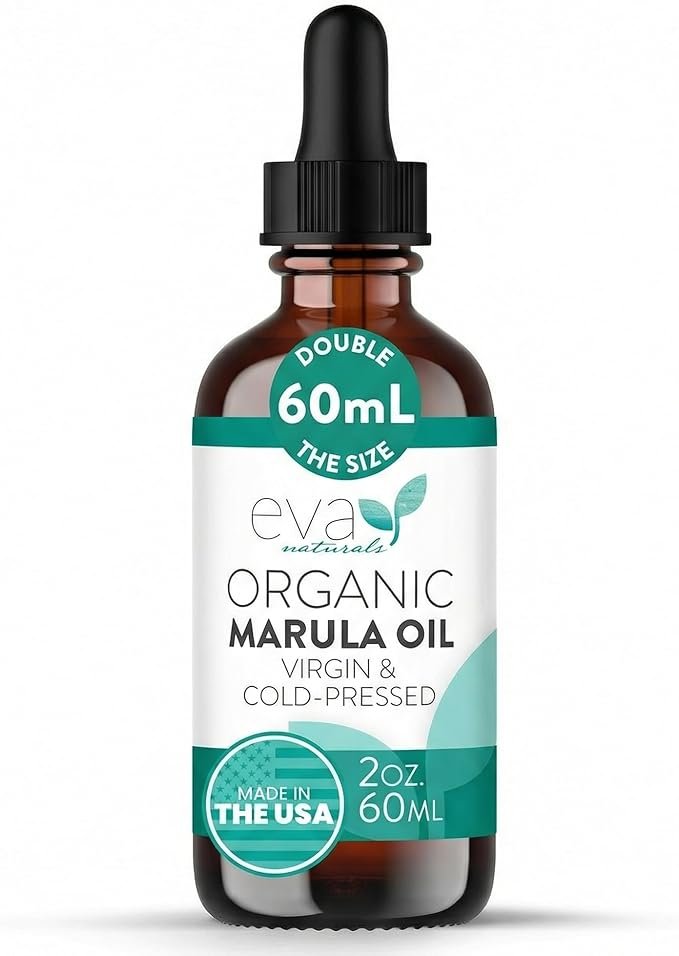
Key Actives: Oleic Acid (Omega-9), Linoleic Acid (Omega-6), Vitamin C, Vitamin E.
Why it works: A highly stable and deeply nourishing Marula oil is celebrated for its exceptional hydrating and antioxidant properties. Its high oleic acid content makes it incredibly moisturising and easily absorbed, while Vitamins C and E provide robust protection against free radical damage. It helps to improve skin elasticity and reduce redness leaving the skin soft and supple.
Skin Type Suitability: Dry, sensitive, mature or dehydrated skin.
Sea Buckthorn Seed Oil (Hippophae Rhamnoides)
Key Actives: Omega-7 (Palmitoleic Acid), Carotenoids (Vitamin A precursors), Vitamin E, Vitamin C.
Why it works: Sea Buckthorn oil is a powerhouse for skin repair and regeneration. It is one of the few botanical sources of Omega-7, which is a component of healthy skin and helps with wound healing and tissue regeneration. The high concentration of carotenoids, which give it its distinctive colour, are powerful antioxidants and precursors to Vitamin A that support cell renewal and protect against UV damage .
Skin Type Suitability: Damaged, mature, dry or inflamed skin.
Note: Can temporarily tint skin orange due to high carotenoid conten
Meadowfoam Seed Oil (Limnanthes Alba)
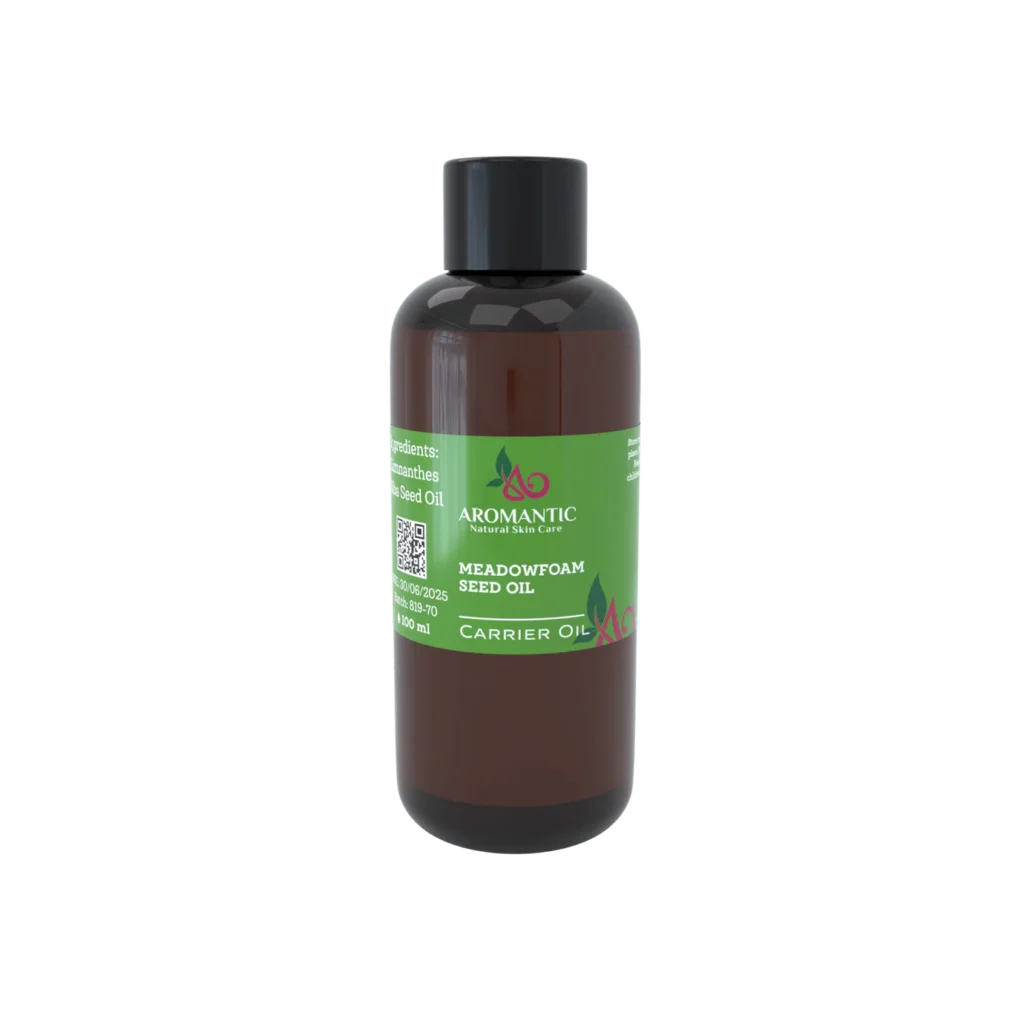
Key Actives: Long-chain fatty acids (Eicosenoic Acid, Docosenoic Acid), Vitamin E.
Why it works: Meadowfoam Seed oil is renowned for its exceptional oxidative stability, meaning it resists rancidity better than many other oils. Its unique composition of long-chain fatty acids closely mimics the skin’s natural sebum, making it an excellent emollient that locks in moisture without feeling greasy. It forms a protective barrier, preventing water loss and helping to keep the skin plump and firm .
Skin Type Suitability: All skin types, especially sensitive, dry or mature skin. It also makes a stable base for oil blends.
Quick-Reference Comparison Table
| Oil | Key Actives | Best For | Skin Types | Texture |
|---|---|---|---|---|
| Bakuchi Seed | Bakuchiol | Collagen boost, tone renewal | All, especially sensitive | Light |
| Rosehip Seed | Trans-retinoic acid, omega-3/6 | Regeneration, brightening | Dry, sun-damaged, mature | Medium |
| Pomegranate Seed | Punicic acid, ellagic acid | Elasticity, anti-inflammatory | Dry, ageing, hyperpigmented | Rich |
| Prickly Pear Seed | Vitamin E, betalains | Deep hydration, antioxidant | Mature, dry | Light |
| Cacay | Vitamin A, E, F | Firmness, wrinkle reduction | Dehydrated, sun damaged, mature | Medium |
| Broccoli Seed | Sulforaphane, erucic acid | Pollution protection, glow | Combination. oily, mature | Light |
| Marula | Vitamin C, oleic acid | Elasticity, smoothness | Dry, sensitive, dehydrated, mature | Medium |
| Sea Buckthorn | Omega-7, carotenoids | Regeneration, soothing | Ageing, sensitive | Rich |
| Meadowfoam Seed | Phytosterols, tocopherols | Hydration, barrier support | Dry, mature | Medium-rich |
DIY Recipes for Firmer, Younger-Looking Skin

“Daily Radiance” Facial Serum (30ml)
This serum is designed for daily use to hydrate, protect and gently encourage cell renewal, leaving your skin with a healthy, youthful glow.
Ingredients:
•15ml Marula Oil
•10ml Rosehip Seed Oil
•5ml Pomegranate Seed Oil
•2 drops Vitamin E Oil
Instructions: Using a small funnel, carefully pour all the oils into a clean, dark 30ml glass dropper bottle. Add the Vitamin E oil, if using. Cap the bottle tightly and gently roll it between your palms to thoroughly mix the ingredients.
How to Use: After cleansing and toning, apply 3-4 drops to your damp face and neck every morning. Gently massage until absorbed. Follow with your favorite moisturiser and SPF.
“Ageless Eyes & Neck” Firming Oil (30ml)
Target the delicate skin around your eyes and neck with this potent blend designed to brighten, tighten and reduce the appearance of fine lines.
Ingredients:
• 10ml Prickly Pear Seed Oil
•10ml Meadowfoam Seed Oil
• 10ml Cacay Oil
Instructions: Combine all oils in a clean, dark 30ml glass dropper bottle or a roll-on bottle for easy application. Cap tightly and gently shake to combine.
How to Use: In the evening after cleansing, gently pat 1-2 drops around the orbital bone (avoiding direct contact with eyes) and massage upward on your neck and décolletage. Can also be used in the morning before moisturiser.
Deep Renewal” Intensive Overnight Treatment (30ml)
This powerful overnight treatment works while you sleep to stimulate collagen, repair damage and deeply nourish for a firmer, more radiant complexion by morning.
Ingredients:
•15ml Bakuchi Seed Oil
•10ml Broccoli Seed Oil
Instructions: Carefully measure and pour all oils into a clean, dark 30ml glass dropper bottle. Cap tightly and gently roll to mix.
How to Use: Apply 4-5 drops to your clean face and neck as the final step in your evening skincare routine. Gently massage until absorbed. Be aware that Sea Buckthorn Seed Oil has a vibrant orange color and can temporarily tint the skin, so use sparingly and allow time for absorption before resting your face on light-colored linens.
Important Safety Notes and Best Practices
While natural carrier oils are generally well-tolerated, it is important to approach their use with care and awareness to ensure the best results and avoid potential sensitivities.
• Patch Testing is Essential: Before applying any new oil or blend to your entire face, always perform a patch test. Apply a small amount behind your ear or on your inner forearm and wait 24-48 hours to check for any signs of allergic reaction such as redness, itching or irritation.
• Quality Matters: The efficacy and safety of your carrier oils heavily depend on their quality. Always opt for cold-pressed, unrefined and ideally organic oils. Cold-pressing ensures that the delicate nutrients and active compounds are preserved, while unrefined oils retain their full spectrum of beneficial components. Organic certification guarantees that the oils are free from pesticides and harmful chemicals. Aromantic UK is a good place to start, they have a variety of high quality carrier oils to choose from.
• Storage for Longevity: Carrier oils, especially those rich in polyunsaturated fatty acids (like Rosehip and Sea Buckthorn), are susceptible to oxidation and can go rancid. Store your oils in dark amber or cobalt blue glass bottles away from direct sunlight, heat and humidity. For extended shelf life consider storing them in the refrigerator. If an oil develops an off-odor (like crayons or stale nuts), it has likely gone rancid and should be discarded.
• Photosensitivity: While the carrier oils discussed here are not typically phototoxic in the way some essential oils can be, it is still a good practice to use oils containing natural Vitamin A (like Rosehip or Cacay) or bakuchiol primarily in your evening routine. If you use them during the day, always follow with a broad-spectrum sunscreen with an SPF of 30 or higher to protect your skin from UV damage.
• Pregnancy and Nursing: If you are pregnant or nursing always consult your healthcare provider before introducing new skincare products, including natural oils.
Final Thoughts
Embracing natural Retinol alternatives through carrier oils is a journey towards healthier, more resilient skin. These botanical treasures offer a gentle, yet powerful way to support your skin’s natural processes, boost collagen and achieve a firmer, more youthful appearance without the harsh side effects often associated with synthetic ingredients.
Remember, skincare is not about instant miracles; it is about a consistent, loving care. Incorporate these oils into your daily and nightly rituals, pay attention to your skin’s responses and enjoy the process of nurturing your complexion with nature’s finest. With patience and consistency you will unlock the radiant, firm and younger-looking skin you desire naturally.
Start small. My favourite combination is Bakuchi, Pomegranate and Rosehip oils: powerful and well-tolerated. I add to the blend some Frankincense, Patchouli and Neroli essential oils. They synergise beautifully with the carrier oils of my choice and also absolute heroes when it comes to support skin regeneration. If you’re curious about essential oils that improve skin elasticity and firmness, I invite you to read my other post Best Essential Oils for Ageing Skin: Natural Solutions That Actually Work. Give your skin eight to twelve weeks of consistent use before evaluating results. Collagen synthesis is a slow, biological process, not an overnight transformation. Combine topical care with the internal foundations it relies on such as adequate dietary protein, vitamin C-rich foods and daily sun protection. And you will soon see notable results because your skin has a remarkable capacity to respond when given the right tools. These oils are an excellent place to begin.
Disclaimer: This post contains affiliate links. If you purchase through these links, I may earn a small commission at no extra cost to you — it helps me keep creating free content. I only ever recommend products I personally use and trust. This information is for educational purposes only and is not intended to diagnose, treat, cure, or prevent any disease. Always patch test new ingredients, and consult with a healthcare provider if you have specific skin conditions or concerns. If you’re pregnant, nursing, or on medication, check with your doctor before using essential oils.