Rosemary Essential Oil for Curly Hair Growth — Does It Work and Is It CGM-Friendly?

By now you’ve almost certainly seen Rosemary essential oil for hair growth all over your social media feeds. It’s been one of the most talked-about natural hair care ingredients of the last few years — and unlike many TikTok trends, this one actually has some science behind it.
But if you’re a curly girl following the Curly Girl Method (CGM), you probably have a very specific set of questions that the generic “rosemary oil for hair growth” posts don’t answer. Is it CGM-friendly? Will it disrupt your curl pattern or weigh your curls down? How do you apply it on wash day without undoing everything your routine has carefully built? And does it actually do anything specifically useful for curly hair, or is this just a straight-hair trend that doesn’t translate?
This post answers all of those questions — from someone who knows both sides of the equation. Here’s everything you need to know about Rosemary essential oil and curly hair, including a CGM-friendly DIY scalp treatment recipe you can add to your next wash day.
What Is Rosemary Essential Oil?
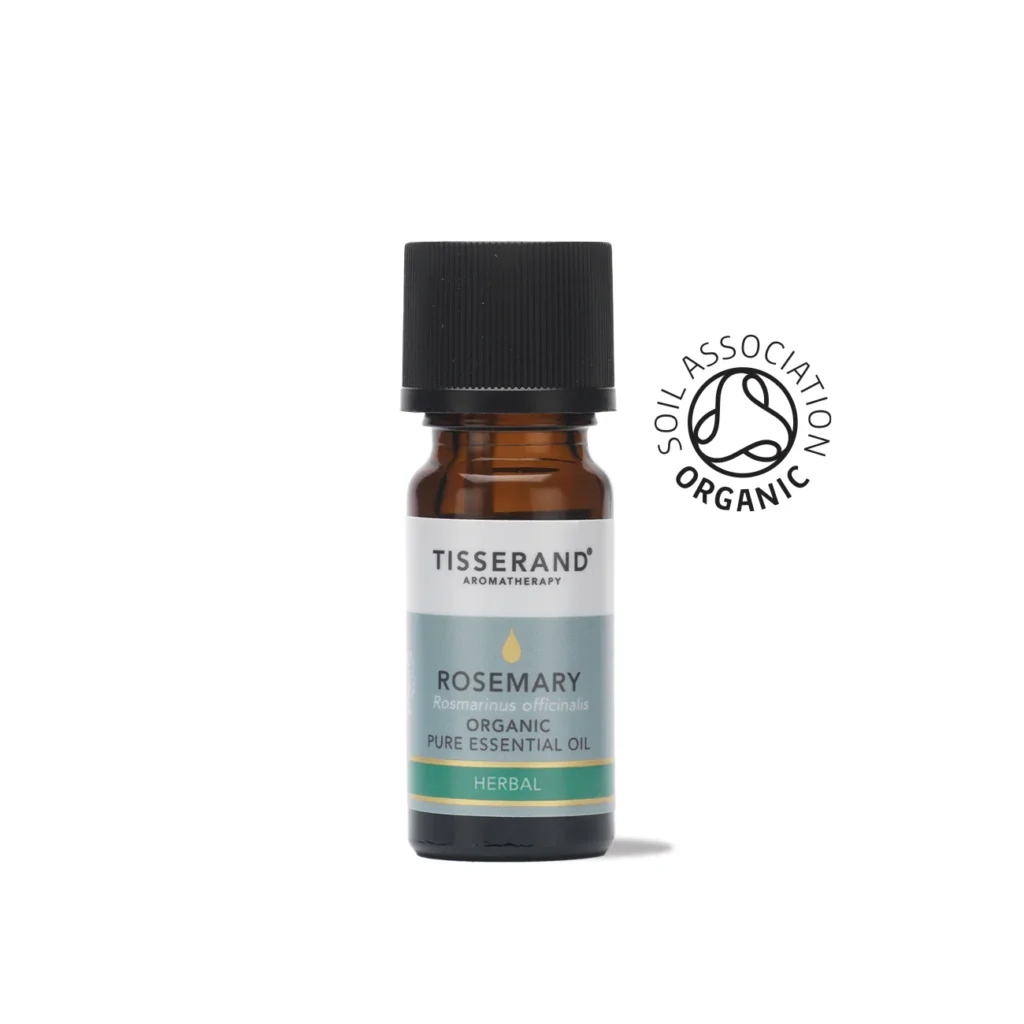
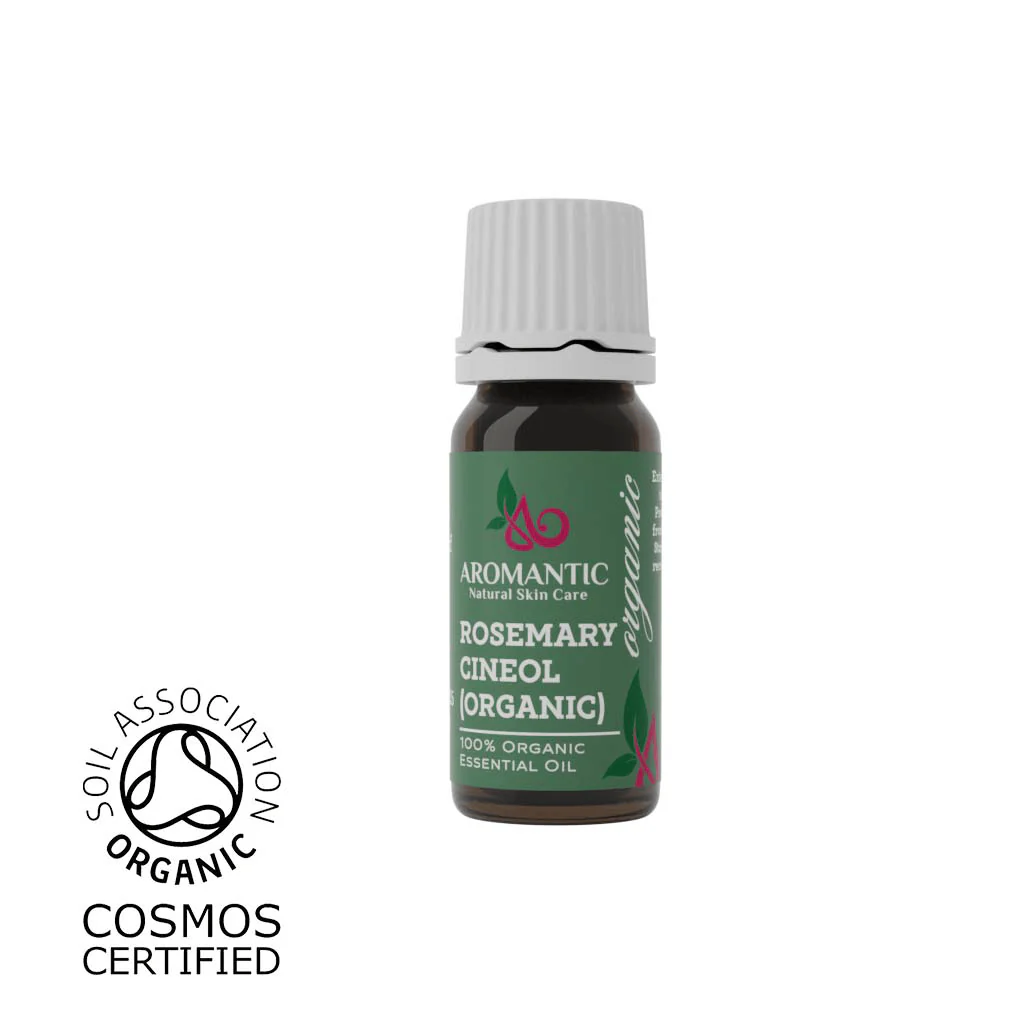
Rosemary (Salvia rosmarinus, formerly Rosmarinus officinalis) is a Mediterranean herb whose essential oil is extracted by steam distilling the flowering tops and leaves of the plant. The resulting oil is clear to pale yellow, with a fresh, herbaceous, slightly camphorous scent that is immediately recognisable.
It’s important to distinguish between Rosemary essential oil — the pure, concentrated aromatic extract — and Rosemary-infused products like Rosemary water, Rosemary hair serums, and Rosemary-scented shampoos. These vary enormously in quality, concentration and actual rosemary content. For the hair growth benefits we’re discussing here pure Rosemary essential oil properly diluted is what the research supports.
How Rosemary Essential Oil Stimulates Hair Growth — The Science
Rosemary essential oil‘s reputation for supporting hair growth isn’t just social media hype. There are several well-understood mechanisms through which it works, and they’re worth understanding because they explain both why it’s effective and how to use it correctly.
It Improves Scalp Circulation
The most significant mechanism is vasodilation — Rosemary essential oil has demonstrated ability to improve blood circulation to the scalp. Better circulation means more oxygen and nutrients delivered directly to the hair follicles, which supports stronger, faster growth at the root. This is the same basic principle behind scalp massage, which is why combining rosemary oil application with massage amplifies the effect considerably.
It May Inhibit DHT
Rosemary essential oil contains ursolic acid, a compound that has shown potential to inhibit 5-alpha reductase — the enzyme that converts testosterone into DHT (dihydrotestosterone). DHT is the hormone most closely linked to androgenic hair loss and thinning, particularly around the temples and crown. While the research is still developing, this DHT-blocking mechanism is one of the reasons Rosemary essential oil is being studied as a natural alternative to pharmaceutical hair loss treatments.
It Reduces Scalp Inflammation
Chronic low-grade scalp inflammation is an underappreciated contributor to hair thinning and poor growth. Rosemary oil‘s well-documented anti-inflammatory properties help calm an irritated reactive scalp, creating a healthier environment for the follicles to function optimally. For curly girls, who often deal with dryness-related scalp sensitivity, this is particularly relevant.
It Keeps the Scalp Balanced and Healthy
Rosemary essential oil has antifungal and antibacterial properties that help manage the scalp microbiome — reducing dandruff, controlling buildup, and maintaining the clean, balanced scalp environment that supports healthy hair growth. A congested or imbalanced scalp is one of the most overlooked barriers to length retention in curly hair.
The Minoxidil Study — What It Actually Said
A landmark 2015 study published in Skinmed journal provided clinical proof of Rosemary essential oil‘s efficacy, comparing it directly to 2% minoxidil (the active ingredient in Rogaine). The results were remarkable: after six months of using Rosemary essential oil, participants experienced a comparable increase in hair count to those using minoxidil. Crucially, the Rosemary oil group reported significantly less scalp irritation, making it a gentler yet equally effective alternative for long-term use.
This study generated enormous interest — and enormous exaggeration as it passed through social media. A few important caveats are worth knowing: the study was relatively small and focused specifically on androgenetic alopecia rather than general hair thinning or growth support. It compared Rosemary essential oil to 2% minoxidil, not the stronger 5% formulation more commonly used today. And like all single studies, it needs replication to be considered conclusive.
What study does tell us though is genuinely encouraging: Rosemary oil has measurable, clinically observed effects on hair growth, not just anecdotal ones. For someone looking to support healthy hair growth naturally — which is a different goal from treating significant hair loss — the evidence is solid enough to take seriously.
Is Rosemary Essential Oil Good for Curly Hair?
This is the question that matters most if you’re a curly girl. The short answer is yes and not just for its hair growth benefits.
It Supports Scalp Health, The Foundation of Curl Health
This is something the CGM community doesn’t always emphasise enough. We spend enormous amounts of time and attention on our lengths and ends by deep conditioning, sealing, layering products, etc. But the scalp is where everything begins. A healthy, well-circulated, balanced scalp produces stronger hair from the root. Stronger hair means better curl pattern, less breakage and, most importantly, better length retention. Supporting growth at the root while simultaneously reducing breakage is how length retention actually improves. And Rosemary essential oil addresses both: the growth and the scalp health.
It’s Lightweight Enough For Curly Hair
Oil weight is one of the legitimate concerns curly girls have when it comes to using them. Heavy oils applied to the scalp or lengths can disrupt curl clumping, cause buildup and make fine or low porosity curls go limp and greasy. Rosemary essential oil being a true essential oil is volatile and lightweight. It doesn’t coat the hair shaft or sit on the scalp. When diluted in a CGM-compatible carrier oil and used as a pre-poo scalp treatment, it delivers its benefits to the scalp without affecting the lengths at all.
It Supports Curl Pattern Indirectly
Healthier, stronger hair from a well-nourished scalp holds its curl pattern better. Damaged, weak hair loses definition faster and requires more product to behave. By supporting hair health at the root, Rosemary oil contributes to better curl definition over time – not directly, but through the cumulative effect of healthier hair growth.
It Addresses Stress-Related Hair Thinning
If you’ve noticed more shedding during stressful periods, Rosemary Essential oil is particularly relevant. Chronic stress elevates cortisol which disrupts the hair growth cycle and pushes more follicles into the resting (telogen) phase thus causing increased shedding. Rosemary oil‘s circulation-boosting properties help counteract this at the scalp level and its calming aromatic effect during application helps address the stress response more broadly.
Is Rosemary Essential Oil CGM-Friendly?
Pure Rosemary essential oil itself contains no silicones, sulfates, drying alcohols or any other ingredient that conflicts with the Curly Girl Method. It is, by definition, a single-ingredient natural plant extract. From a CGM ingredient perspective it is completely clean. The carrier oils you use with it, it is where you need to pay attention
We all know by now that essential oils must always be diluted in a carrier oil before applying to the scalp. This is non-negotiable for safety reasons, hence the carrier oil you choose matters enormously for CGM compliance and curl compatibility.
CGM-friendly carrier oils for Rosemary essential oil scalp treatments:
- Jojoba oil — technically a liquid wax, structurally similar to the scalp’s own sebum, non-comedogenic and compatible with all curl types including low porosity
- Sweet Almond oil — lightweight, nourishing, absorbs well without residue, good for most curl types
- Argan oil — lightweight and non-greasy, high in vitamin E, works well for medium to high porosity curls
- Grapeseed oil — very lightweight, almost no residue, particularly good for fine curls or low porosity hair
Carrier oils to avoid for CGM scalp use:
- Coconut oil — while loved by many curlies for their lengths, coconut oil can be comedogenic on the scalp for some people and may cause buildup
- Castor oil — too heavy and thick for scalp application in most curl types, can cause significant buildup
- Mineral oil — not CGM-approved
How to Use Rosemary Essential Oil on Curly Hair
The Pre-Poo Scalp Treatment
Pre-poo (pre-shampoo) application is by far the best way to use Rosemary essential oil if you follow CGM. You apply the diluted oil directly to your scalp before your wash day, leave it to work and then wash it out completely with your CGM-approved cleanser. This means:
- The oil never touches your lengths and ends — no disruption to your curl pattern or product layering
- It washes out completely — no residue or buildup concerns
- You get the full scalp benefit without any compromise to your CGM routine
How to Apply Without Disrupting Your Curls
Section your hair, four sections works well for most curl types. Using a dropper bottle, apply your diluted rosemary oil blend directly to each section of scalp, not to the hair itself. Then using the pads of your fingers (never your nails), massage your scalp in small circular motions for 3–5 minutes. Work through each section systematically. By the way, the massage is not optional — it is a significant part of the mechanism. Scalp massage alone has been shown in research to support hair thickness. And combined with Rosemary oil treatment it amplifies the circulation benefits considerably. Leave the treatment on for 20–30 minutes before washing. If you want to maximise absorption, cover with a shower cap to create gentle warmth.
How often:
- Normal to high porosity curls — once weekly on wash day
- Low porosity curls — once every 7–10 days to avoid any risk of buildup
- Fine curls — once weekly, use the lightest carrier oil (grapeseed or jojoba)
What not to do:
- Do not apply rosemary oil to your lengths and ends — this is a scalp treatment, not a hair oil
- Do not use it undiluted — ever
- Do not leave a heavy carrier oil on low porosity hair overnight as this can cause significant buildup that is difficult to remove with CGM-approved cleansers
- Do not expect overnight results — consistent weekly use over 8–12 weeks is where the research shows meaningful improvement
DIY Rosemary Oil Pre-Poo Scalp Treatment for Curly Hair
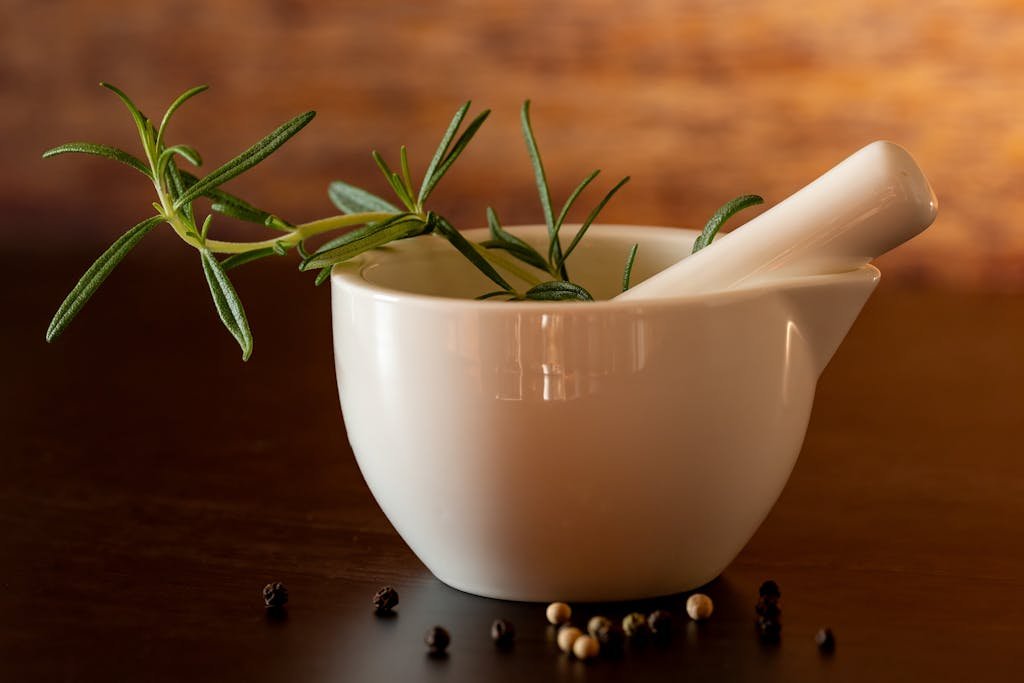
A simple, CGM-friendly scalp treatment designed specifically for curly hair. Use this as your pre-poo treatment on wash day.
Single Application Version
Ingredients:
- 1 teaspoon Jojoba carrier oil
- 2 drops Rosemary essential oil
Method: Combine in a small dish or the palm of your hand. Apply immediately to sections of scalp, massage for 3–5 minutes, leave 20–30 minutes, then wash out with your CGM cleanser.
Batch Version (makes enough for 4–6 applications)
Ingredients:
- 30ml Jojoba carrier oil
- 12 drops Rosemary essential oil
- 2 drops Peppermint essential oil (optional — enhances the tingling, circulation-boosting effect)
- 2 drops Lavender essential oil (optional — adds calming scalp-soothing benefit)
Method: Combine all ingredients in a dark glass dropper bottle. Roll gently between palms to blend. Store away from direct light and heat. Shake gently before each use.
To use: Apply 8–10 drops directly to the scalp using the dropper, section by section. Massage thoroughly for 3–5 minutes. Leave for 20–30 minutes under a shower cap, then wash out completely on wash day.
Shelf life: up to three months.
Frequently Asked Questions (FAQs)
Can I use Rosemary essential oil every day?
Because Rosemary oil is a natural potent product it needs a mindful usage. For the majority of individuals incorporating it into a scalp 1 time per week is optimal. Too often application, particularly for those with thin hair, risks scalp irritation or an overly greasy appearance as is used along with a carrier oil which adds weight.
Will Rosemary essential oil change my curl pattern?
No, Rosemary essential oil does not possess the capability to alter the genetic makeup of your hair follicles or fundamentally change your natural curl pattern. Its action is to improve the overall health and strength of your hair, which can result in your existing curls appearing more defined, vibrant, and bouncy.
Is it safe for color-treated hair?
Generally pure Rosemary essential oil, when diluted with lightweight carrier oils, is considered safe for color-treated hair. Its antioxidant properties can even offer a degree of protection against environmental damage. Nevertheless if you have recently undergone a chemical treatment, it is always prudent to perform a patch test first.
Can I leave the oil in my hair without washing it out?
For individuals with very thin hair leaving Rosemary oil in without rinsing can potentially weigh down the strands and result in a flat appearance. It is generally recommended to use it as a pre-shampoo treatment. If you opt for a leave-in application, use a minimal amount (1–2 drops) and ensure it is applied strictly to the scalp, avoiding the hair shaft.
Safety Notes
Always dilute. Rosemary essential oil should never be applied neat to the scalp. Stick to a 2% dilution — approximately 12 drops per 30ml of carrier oil. The recipes above are formulated within this range.
Patch test first. Apply a small amount of your diluted blend to the inside of your elbow and wait 24 hours before applying to your scalp. This is especially important if you have a sensitive scalp.
Epilepsy and high blood pressure. Rosemary essential oil is not recommended for people with epilepsy or high blood pressure due to its stimulating properties. If either applies to you, consult your healthcare provider first.
Pregnancy. Avoid rosemary essential oil during pregnancy without medical guidance.
Quality matters. Use 100% pure therapeutic-grade Rosemary essential oil. Tisserand and Aromantic are excellent and widely trusted sources — their rosemary essential oil is consistently high quality and ideal for scalp treatments. Avoid synthetic rosemary fragrance oils, rosemary-scented products, or heavily diluted pre-mixed blends — none of these will deliver the same results.
Managing expectations. Rosemary essential oil supports and stimulates hair growth — it is not a cure for significant hair loss conditions. If you are experiencing sudden, severe or patchy hair loss, consult a trichologist or dermatologist rather than relying on essential oils alone.
Final Thoughts
Rosemary essential oil has a lot to offer to curly girls. It addresses the scalp health foundation, that Curly Girl Method often overlooks. It’s also lightweight enough to work beautifully as a pre-poo treatment without disrupting your carefully built routine. I personally use it in a blend with Baobab Seed carrier oil, which I discovered recently, for better results. This lightweight, quickly absorbed, non-greasy moisturising oil enriches hair with moisture without weighing it down. That’s why I love it!
Are you already using rosemary oil or is this something you’re considering? Let me know in the comments — I’d love to hear how it works for different curl patterns.
Disclaimer: This post contains affiliate links. If you purchase through these links, I may earn a small commission at no extra cost to you — it helps me keep creating free content. I only recommend products I personally use and trust. This information is for educational purposes only and is not intended to diagnose, treat, cure, or prevent any disease. Always patch test new ingredients and consult with a qualified healthcare provider before making changes to your hair care routine.