The Ayurvedic-Inspired Morning Oil Ritual I Use for Dry Skin After 40
A slow oil massage before you shower. Ten minutes that changed how my skin feels in my 40s.
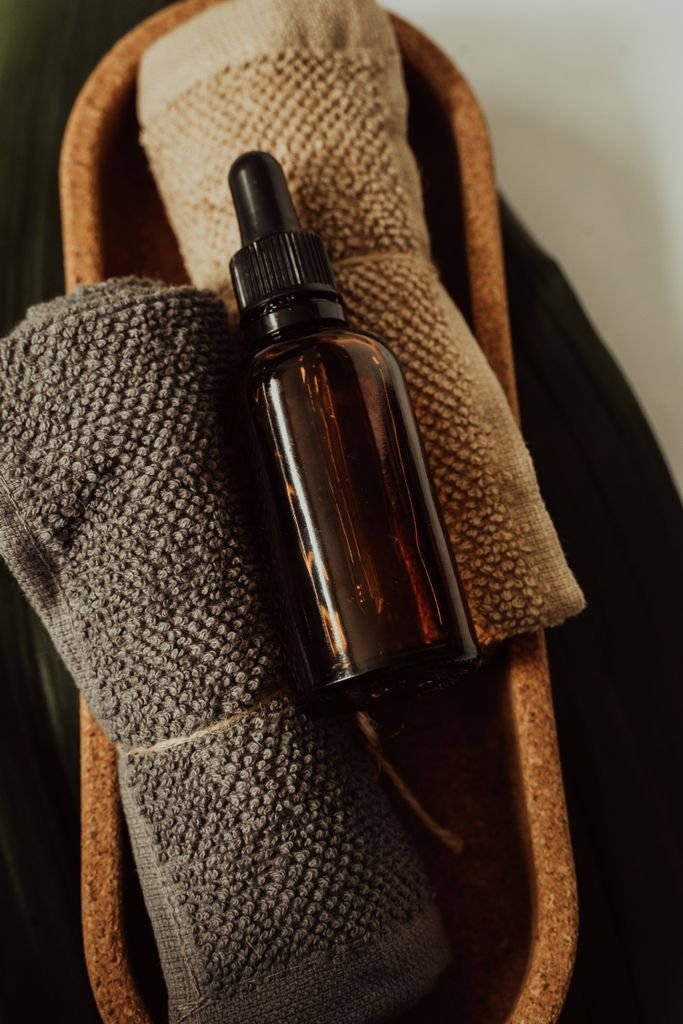
There is a particular kind of dryness that arrives in your forties and doesn’t leave. It shows in a persistent dullness across the shins, a papery feel on the forearms, a sense that body lotion sinks in and disappears within the hour without ever really landing. You moisturise. It helps for a while. By mid-afternoon your skin feels thirsty again.
I’ve always been good at regular moisturising. And I mean really, really good. I’d moisturise twice a day after a shower and would use only lotions with natural ingredients. My routine worked perfectly… Until I reached my 40s. Then I swapped lotions for richer creams because they were not doing their job any more. But even creams at some point stopped giving me nourishment and sense of supple, hydrated skin I used to have. Then I came across an ancient practice which consisted in applying oil onto the skin before washing it. And that was it. It’s become a part of my daily routine and my skin absolutely loves it.
The practice I borrowed is from abhyanga, the self-massage with warm oil that sits at the heart of the Ayurvedic daily routine. I want to be clear about what this post is and isn’t. I’m not an Ayurvedic practitioner, and I’m not going to tell you which dosha you are or which oil your constitution demands. What I’ve done is take the mechanics of abhyanga adapt it for one specific purpose: nourishing dry, mature skin. So I use oil (in my case room temperature, but you can do warm if you like), unhurried strokes, time for it to settle, then a warm shower. The original practice is a whole philosophy of health. What I use is the skin-care part of it, and that part works beautifully on its own for me and I hope will do for you too. So let me tell you how this simple routine can change the texture of your skin. And it only takes about 10 mins. So let’s go!
What Abhyanga Actually Is
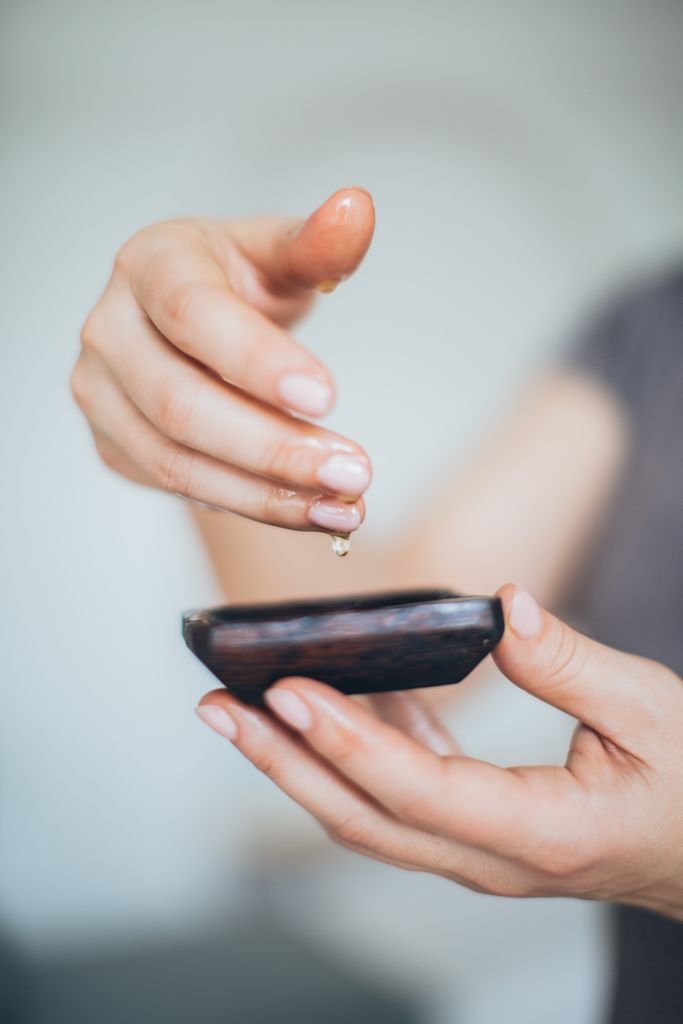
Abhyanga is the practice of massaging the whole body with warm oil, traditionally as part of dinacharya, the Ayurvedic daily routine. It’s done in the morning, before bathing, and it’s done to yourself. This is a self-massage, not something that requires a therapist or a treatment room. In Ayurvedic thought it’s considered nourishing and grounding, something that settles the nervous system as much as it softens the skin. Sesame oil is the classic choice, warmed gently and generously applied.
The method is unfussy, which is part of why it has survived for a few thousand years. Here is how it’s done:
Warm the oil. Not hot, comfortably warm. The easiest way is to pour what you need into a small bottle or jug and stand it in a mug of just-boiled water for a couple of minutes. Warm oil spreads further, sinks in faster and feels considerably nicer than cold oil straight from the bottle on a chilly morning.
Start at the top and work down. Scalp first if you’re including it (many people skip this on days they’re not washing their hair), then face and ears, then neck and shoulders, arms, torso, back as far as you can reach, hips, legs and feet last.
Match the stroke to the body part. Long, sweeping strokes along the length of the limbs: up and down the forearms, the upper arms, the thighs, the shins. Circular strokes over the joints: shoulders, elbows, wrists, knees, ankles. Circular, clockwise strokes over the abdomen and the chest. The traditional logic is about the direction of the tissues and the flow of energy; the practical logic is that long bones get long strokes and round joints get round ones, which is easy to remember at seven in the morning.
Use more oil than feels sensible. For a full body, 15–20 ml is about right. It should look glossy, not faintly damp.
Give it time. Ten to fifteen minutes of sitting with the oil on is traditional, and this is the step people skip and then wonder why it didn’t do much. I use it to make the bed, drink a glass of water, or brush my teeth.
Then shower, warm, with barely any soap. This is the part that surprises everyone. You do not need to scrub the oil off. Warm water and the heat of the shower will take the excess, and you use cleanser only where you actually need it — underarms, groin, feet. You step out with skin that feels conditioned rather than stripped, and you often don’t need body lotion at all.
Why A Morning Oil Massage Works So Well On Skin After 40
The reason this practice suits mature skin specifically comes down to what changes in the skin in our forties and beyond.
Your skin makes less of its own oil. Sebum production falls steadily from around our mid-thirties and drops more sharply through perimenopause and after. Sebum isn’t just grease, it’s part of the film that keeps water inside the skin. Less of it means more water escaping through the surface all day long. That’s the mechanism behind the thirsty by mid-afternoon feeling. A rich oil applied onto the skin replaces some of what the skin is no longer producing, and slows that water loss down.
Oil applied before washing protects you from the wash. This is the genuinely clever part of abhyanga and the reason morning, pre-shower timing matters. Hot water and surfactants strip lipids from the skin, including the ones needed for healthy barrier function. If your skin is coated in oil when you step into the shower, the water and cleanser have something to work on other than your own barrier lipids. You come out having been washed without having been stripped.
Warmth and pressure improve how the oil behaves. Warm skin is more permeable than cold skin, and massage encourages local blood flow to the surface. The oil spreads into the fine lines and the dry patches rather than sitting on top of them. You’re also, quite literally, working it in for several minutes rather than swiping lotion on in fifteen seconds.
Massage itself does something. Firm, rhythmic stroking of the limbs supports circulation and lymphatic movement, which is why legs often look less puffy and more even-toned after a few weeks of this. And the benefits to nervous-system aren’t something to underestimate. Slow, sustained touch lowers the body’s stress response by lowering cortisol levels. High cortisol is something to watch out for it ages the skin faster regardless of age and is not a friend to the skin barrier. Ten minutes of deliberate, unhurried self massage in the morning sets your body up for a good day and sends your brain calming and reassuring signals.
The cumulative effect is textural. You won’t see much after one session beyond a nice glow. After three or four weeks of doing two or three sessions a week, the change shows up as smoothness in different areas. Shins won’t look chalky, forearms won’t catch the light in that dry, papery way, elbows and heels will stop cracking.
Best Carrier Oils For The Body That Absorb Well And Genuinely Nourish
Not every oil suits this. You want oils that absorb reasonably well, feel good under the hands, and carry a decent lipid and vitamin load for mature skin. All six below are easy to buy, well-priced and widely stocked.
Sesame Carrier Oil (Sesamum indicum)
The traditional choice and still the best all-rounder
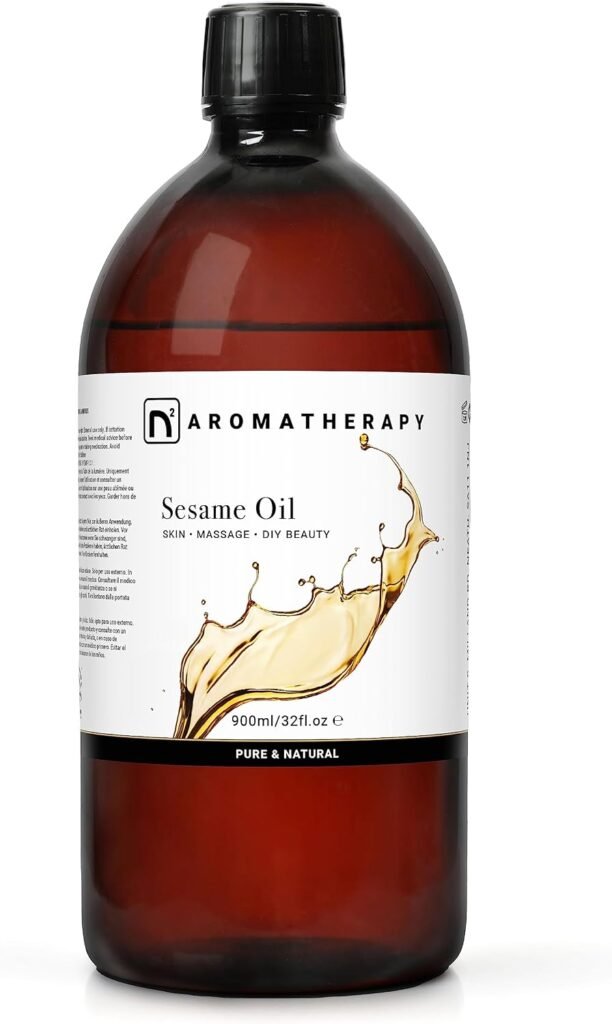
Sesame carrier oil is the oil abhyanga is built around and it earns the position. It’s warming and holds onto the skin long enough to do the protective job through the shower. It still allows skin to absorb the moisture without sitting like a film. Buy light, untoasted sesame oil, not the toasted kind from the food aisle., unless you want to smell like a stir-fry all day.
Sweet Almond Carrier Oil (Prunus dulcis)
The gentle, affordable workhorse
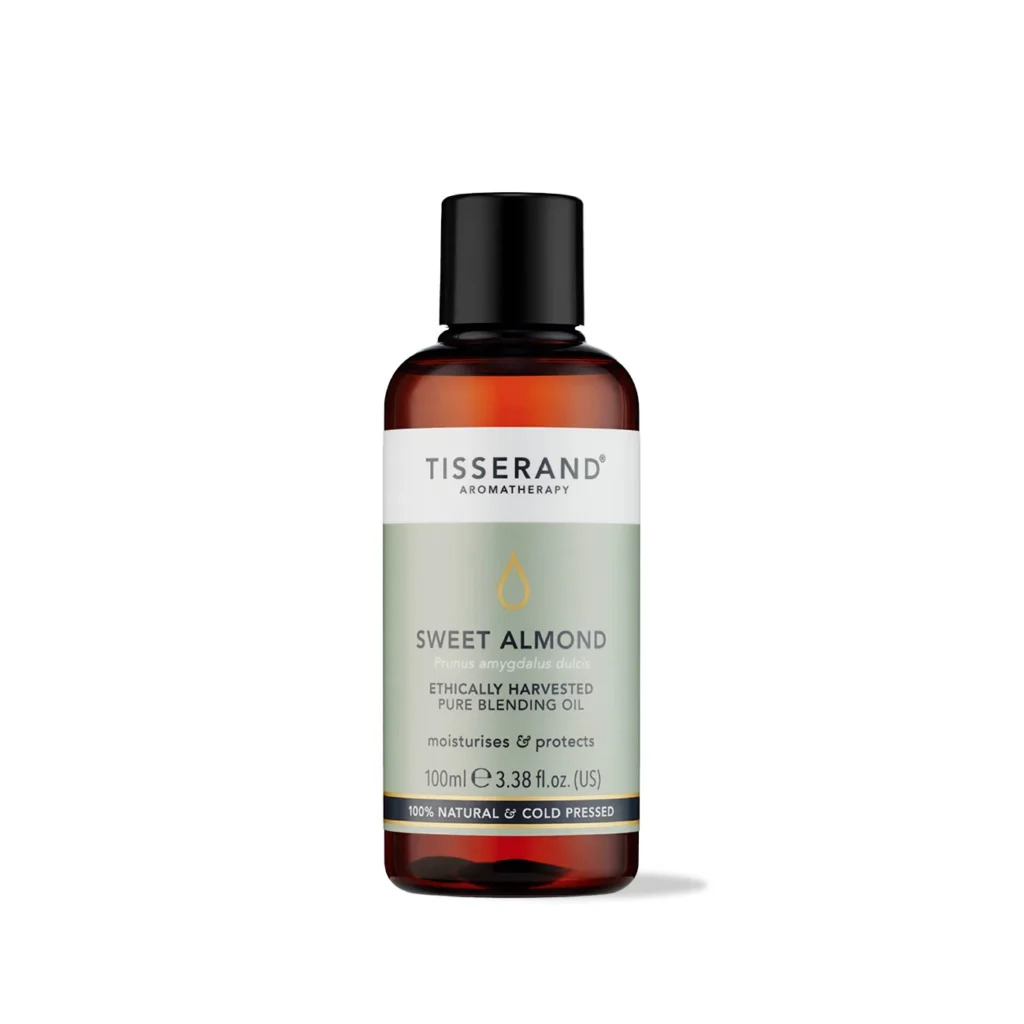
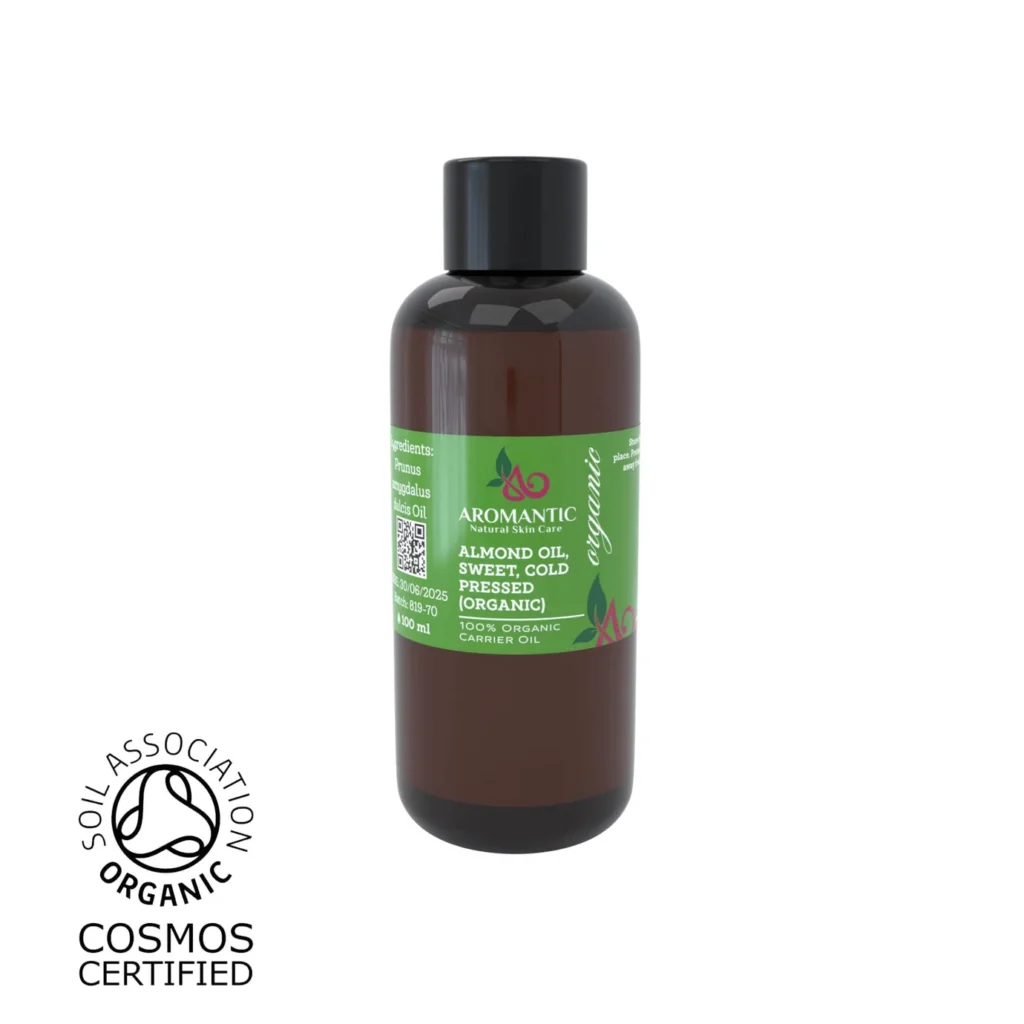
If Sesame oil feels too heavy or the smell doesn’t suit you then Sweet Almond carrier oil is the natural substitute. It’s light enough to spread beautifully over a whole body, absorbs at a moderate pace and leaves skin soft. Sweet Almond oil is high in oleic acid and carries useful amounts of vitamin E. It’s also the most forgiving oil for sensitive or reactive skin and the easiest to find in quantity at a sensible price.
Apricot Kernel Carrier Oil (Prunus armeniaca)
For skin that’s dry, but doesn’t like heavy oils
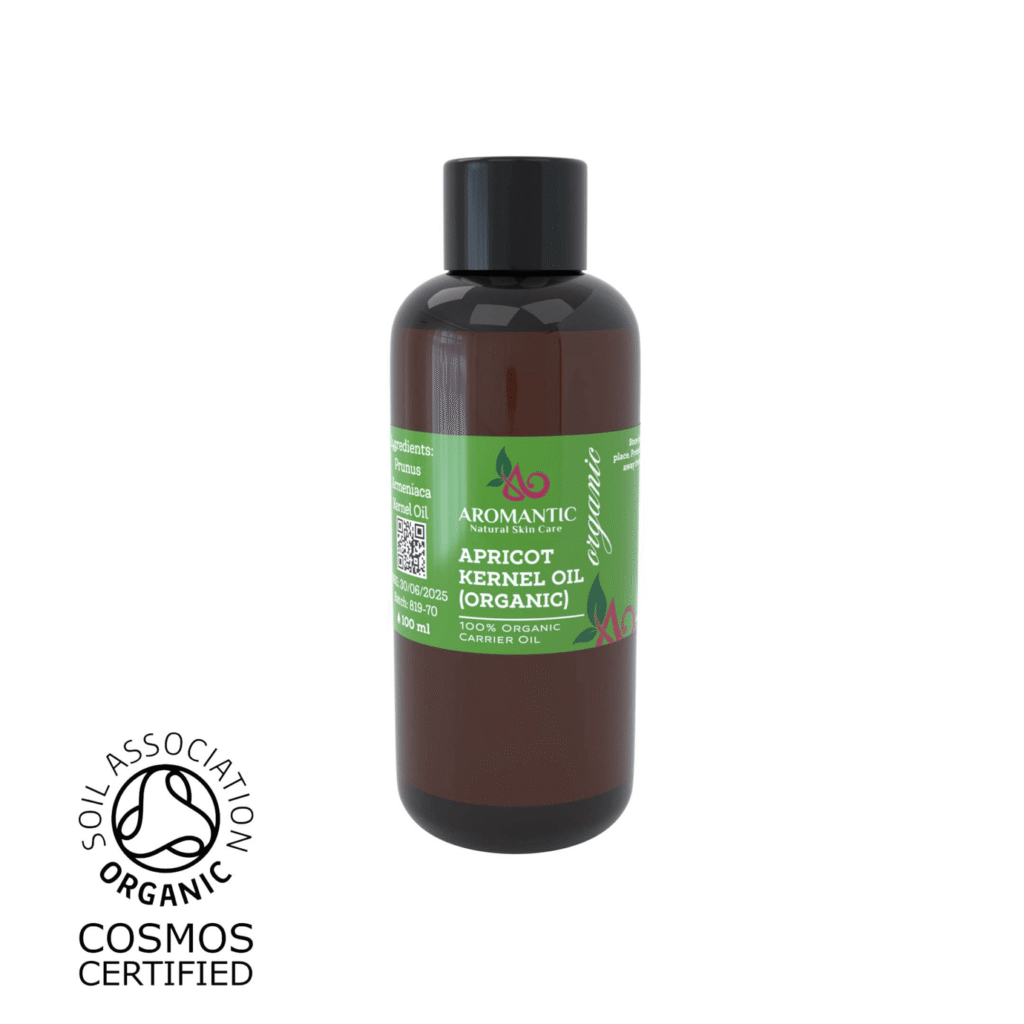
Apricot kernel carrier oil is my favourite for mature skin. It’s lighter than Sweet Almond oil, sinks in quickly and cleanly and has an almost silky feel that makes it a pleasure to massage with. It suits people who want nourishment without any sense of being coated. It’s high in oleic acid with a good dose of vitamin E and carotenoids.
Jojoba Carrier Oil (Simmondsia chinensis)
The one that behaves like your own skin
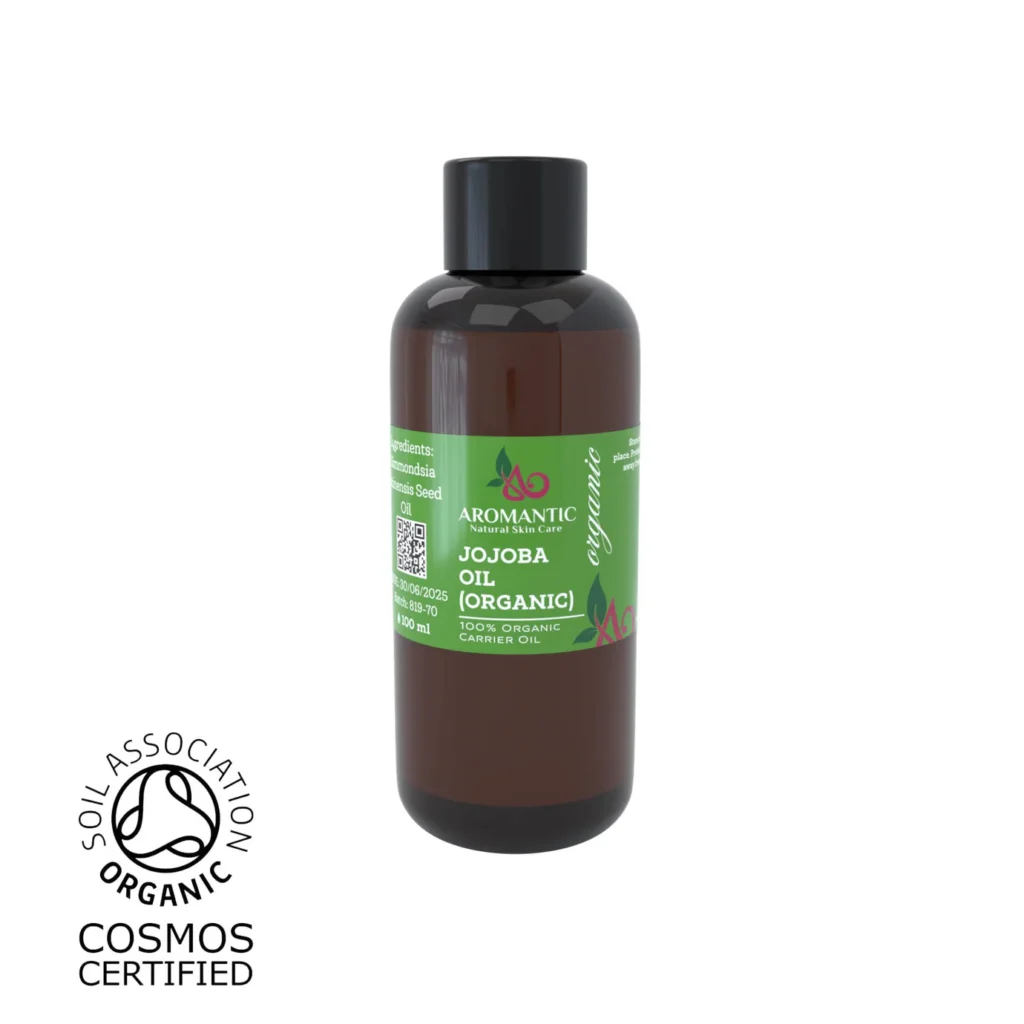
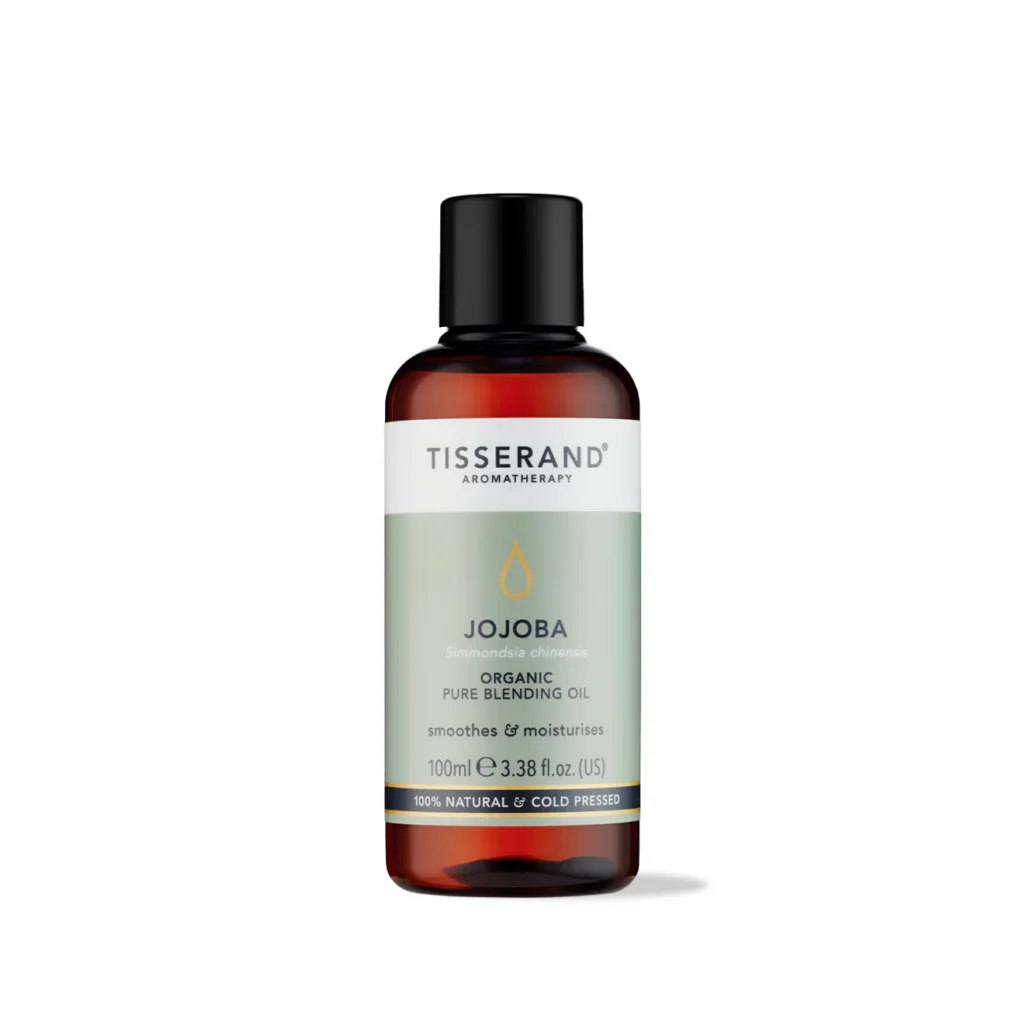
Jojoba carrier oil isn’t technically an oil but a liquid wax, and its composition is unusually close to human sebum. That makes it the most suitable for the skin because it sinks in fast, never feels greasy and is exceptionally well tolerated.
Avocado Carrier Oil (Persea americana)
For the genuinely parched
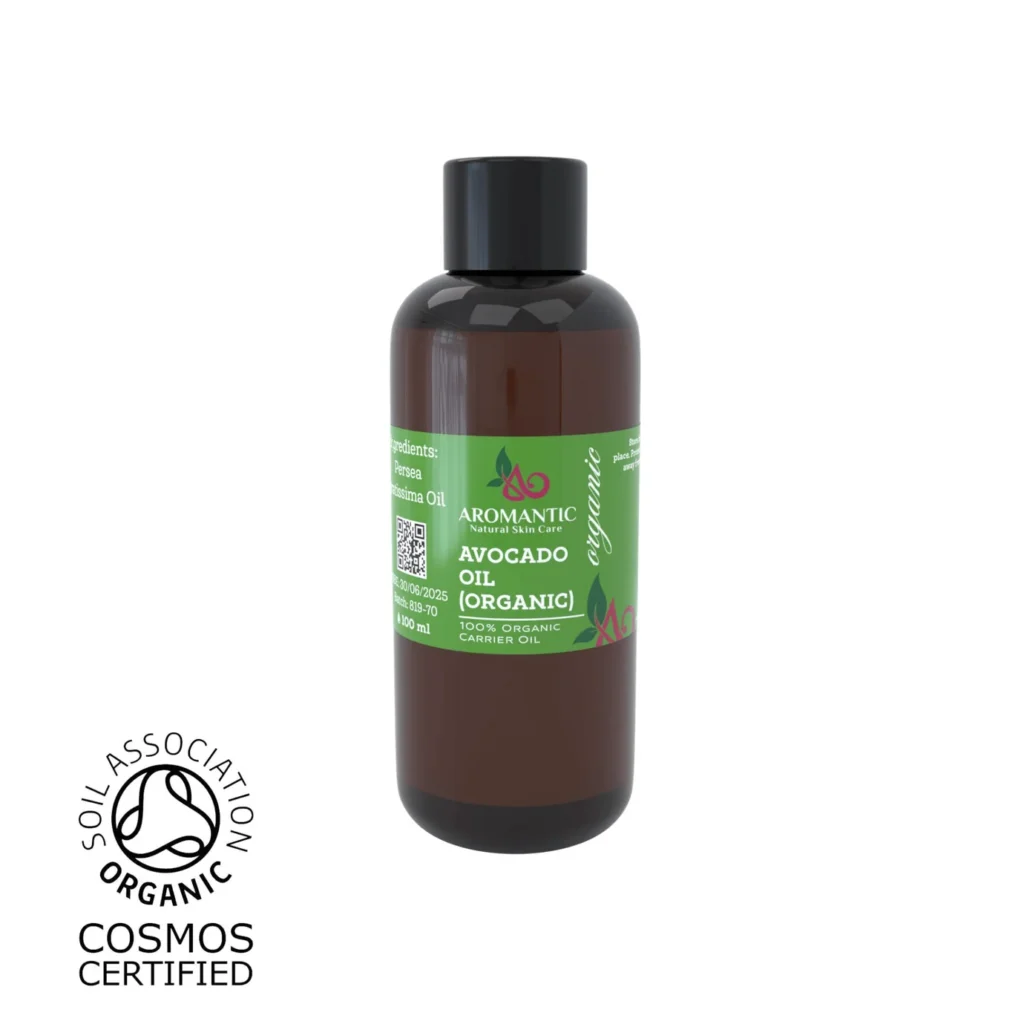
Avocado carrier oil is perfect for rough areas such as cracked heels, flaking shins, elbows and knees that stay dry no matter how much lotion you use. It softens those areas fast because avocado oil is heavy and slow to absorb, so it stays on the surface long enough to soften hardened skin properly. And it carries an unusually high proportion of the non-fatty components — plant sterols and vitamin E — that genuinely condition skin rather than just coating it. Use it as a part of a blend for a whole body and use it undiluted only for very dry areas.
Macadamia Carrier Oil (Macadamia integrifolia)
The closest match to what your skin stops making
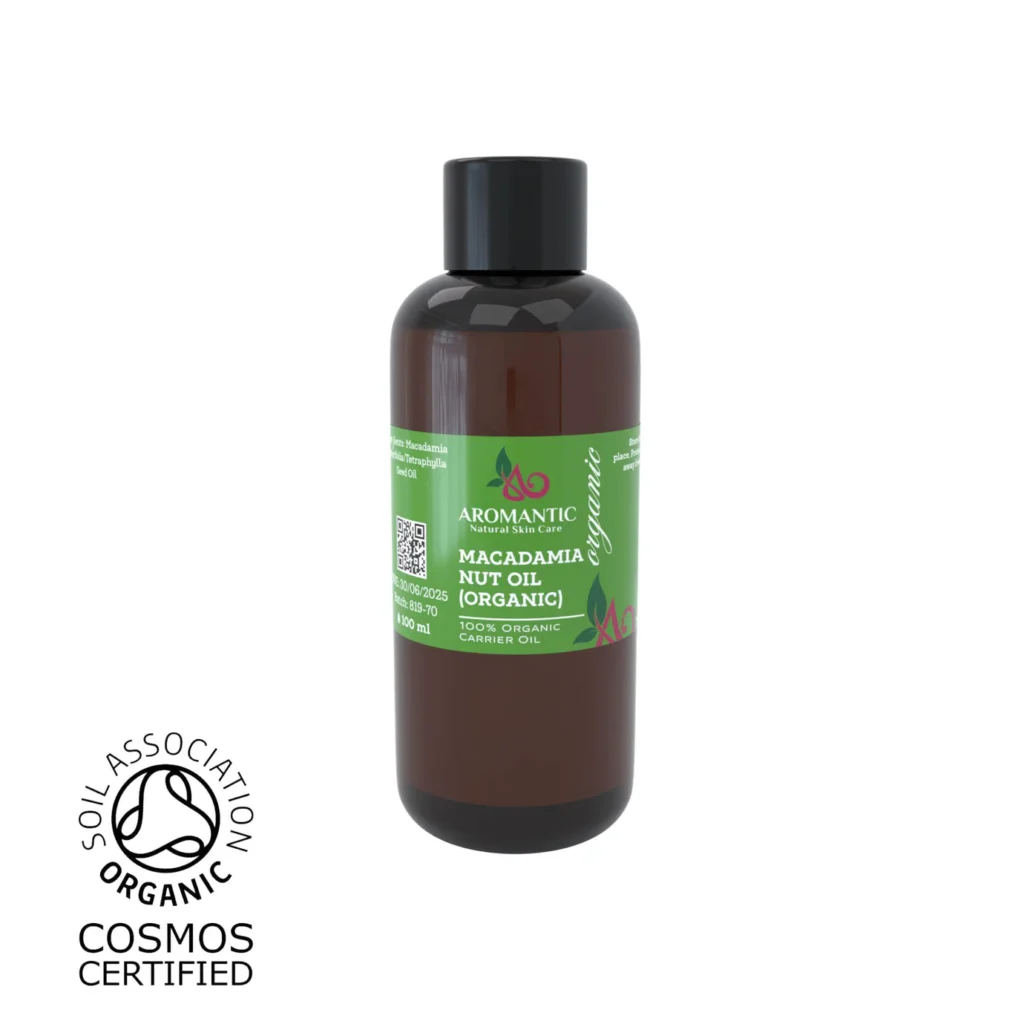
If your skin feels thin and depleted rather than simply dry, then Macadamia carrier oil is the one. It sinks in fast and leaves a soft, cushioned finish with no grease at all, which makes it ideal for the face, neck, chest and hands. What makes this oil unique is its unusually high palmitoleic acid content, which is one of the main fatty acids found in young sebum. Unfortunately palmitoleic acid declines steadily with age, that’s why using Macadamia oil on your skin you will replenish something your body can’t produce enough any more. It absorbs too quickly to use neat for a full-body massage, so blend it at 20–30% into apricot, almond or sesame. Buy cold-pressed; it’s inexpensive and widely stocked.
Benefits Of Adding Essential Oils To Your Morning Ritual
Carrier oils do the nourishing. Essential oils do three things on top: they make the ritual smell like something you want to do, they bring their own skin-relevant properties, and because scent reaches the limbic system faster than almost any other input, they set the tone of the next hour of your day. Adding them turns a skincare step into something closer to an actual ritual, which is probably why you’ll keep doing it.
There are plenty of oils you can choose for your morning routine and you can choose them according to your requirements and their therapeutic properties. My favourites for mature, dry skin and the ones I always come back to are:
- Frankincense (Boswellia carterii) — calming, resinous and grounding, traditionally associated with mature skin. My first choice for anything to do with skin texture and tone.
- Geranium (Pelargonium graveolens) — the balancing oil for skin that’s dry in some places and congested in others, which is a common pattern after 40 as sebum production becomes uneven. Antioxidant and soothing.
- Lavender (Lavandula angustifolia) — soothing, well tolerated and reliable on irritated or reactive skin.
- Palmarosa (Cymbopogon martinii) — one of the best oils for dry, mature skin, with a soft rosy-green scent that sits somewhere between geranium and lemongrass. Inexpensive and easy to find, and it extends geranium nicely in a floral blend.
- Patchouli (Pogostemon cablin) — deeply grounding and long associated with dry, tired, crepey skin. Earthy and sweet.
- Carrot seed (Daucus carota) — the traditional mature-skin oil, high in carotol, with real antioxidant activity behind it. Earthy and root-like rather than pretty, but it blends well with frankincense and is inexpensive and easy to find.
- Sweet orange (Citrus sinensis) — a gentle antioxidant from its limonene content, and one of the few citrus oils that isn’t phototoxic, so it’s safe in a morning blend you’ll wear into daylight.
DIY Oil Blends For Ayurvedic-Inspired Morning Oil Ritual
Each makes 100 ml, enough for roughly five to six full-body sessions. All of them are very easy to make. Just combine the carrier oils in a 100ml dark glass bottle, add the essential oils, cap and roll gently between your palms to mix. Leave it a day before first use if you can so blends settle and round out. Store away from light and heat and use within six months.
The Grounding Morning Blend
Classic abhyanga in feel — warm, resinous, faintly sweet. The one I use the most through winter.
Ingredients:
The Renewing Blend
Lighter, floral and quick to absorb. Will leave your skin feeling silky.
Ingredients:
The Comfort Blend
The richest of the three for skin that’s both very dry and easily upset.
Ingredients:
Final Thoughts
What I like most about this ritual is how little it asks of me. It’s just oil, my own hands and ten minutes of my time. And yet the effect it creates on my skin is amazing.
Start with the simplest possible version. One carrier oil, no essential oils, just a couple of times a week. Notice how your skin feels after that week, and again after two weeks. Then you can experiment and start blending different oils till you find that ideal blend that works for your skin particularly. Let me know how it’s going by leaving a comment down below, I’d love to hear from you.
Disclaimer: This post contains affiliate links. If you purchase through these links, I may earn a small commission at no extra cost to you — it helps me keep creating free content. I only ever recommend products I personally use and trust. This information is for educational purposes only and is not intended to diagnose, treat, cure, or prevent any disease. Always patch test new ingredients, and consult with a healthcare provider if you have specific skin conditions or concerns. If you’re pregnant, nursing, or on medication, check with your doctor before using essential oils.
Related Posts:
- Why Skin Gets Dry After 40 and How to Fix it with Natural Oils
- Turmeric Essential Oil for Joint Pain After 40 – Does It Actually Work?
- Natural Retinol Alternatives: The Best Carrier Oils for Collagen Boost and Firmer, Younger-Looking Skin
- Neck, Chest and Hands: Natural Oils to Prevent Premature Ageing