CGM-Safe Essential Oils: The Complete Curly Girl Approved List
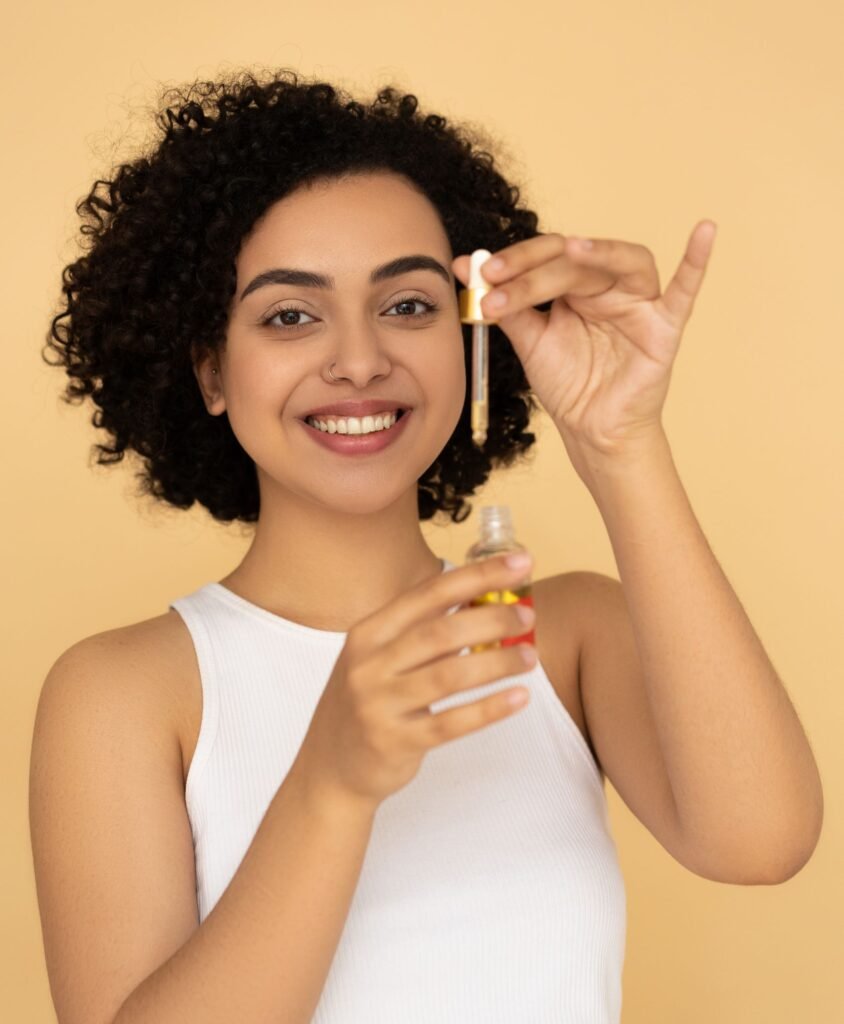
If you’ve gone looking for a “curly girl approved” essential oil list, you’ve probably noticed something: it doesn’t really exist. What you find instead are generic CGM ingredient lists that cover carrier oils, sulfates, and silicones in detail. And then either skip essential oils entirely, or lump them all together as if Lavender and Cinnamon bark belong in the same sentence.
That’s not because essential oils are some CGM grey area nobody’s bothered to figure out. It’s because most curly hair content and most essential oil content live in two completely separate corners of the internet, written by people who only know one side. You end up choosing between a curl expert who’s never opened a bottle of Ylang Ylang or an aromatherapy site that couldn’t tell you what “high porosity” means.
So I decided to create this guide that lives in the overlap. Every oil below is looked at through both lenses at once: what it actually does for curls and how to use it properly and risk free. Let’s go!
What Actually Makes an Essential Oil “CGM-Compatible”
To understand how essential oils fit into the Curly Girl Method, we have to look at what the method actually guards against. The strict rules established by Lorraine Massey target ingredients that build up on the hair shaft and block moisture, specifically non-water-soluble silicones, heavy mineral waxes and drying alcohols that strip the hair’s natural lipid barrier.
Essential oils operate entirely differently. As volatile plant extracts obtained through distillation or expression, they evaporate or absorb readily when properly diluted. They do not leave behind a plasticizing film or cause structural buildup on your curls. Therefore, essential oils are entirely CGM-compatible, provided they are handled with proper respect for their potency.
However, incorporating essential oils into your routine requires mastering four golden rules:
- Carrier Dilution: Essential oils are exceptionally potent and should never be applied directly to the scalp or hair in their pure, undiluted form. They must always be anchored in a suitable carrier oil or incorporated into a water-based emulsion like a leave-in conditioner or deep treatment.
- Porosity and Weight: While the essential oil itself does not cause buildup, the carrier oil you choose to dilute it with can make or break your curl definition. Matching your carrier oil to your hair porosity is essential to maintaining bouncy, defined ringlets. For instance, lightweight Grapeseed or Jojoba oils would do great for low porosity hair while richer Argan or Avocado oils would suit better for high porosity one.
- Photosensitivity and Cautions: Certain citrus oils contain furanocoumarins that react with ultraviolet light, increasing the skin’s sensitivity to the sun. Furthermore, highly stimulating oils require careful patch-testing to prevent contact dermatitis on a delicate scalp.
- Patch testing. Every single time you try a new oil, even one that’s “generally safe,” patch test it on your inner arm 24–48 hours before it goes anywhere near your scalp. Skin sensitivity is individual, and no essential oil can promise a reaction-free experience for every reader.
The Complete List of CGM-Safe Essential Oils by Hair Goal
Organising your essential oil routine around your specific hair and scalp goals means you can choose oils with a purpose rather than simply adding fragrance to your routine.
Whether you’re hoping to support healthy hair growth, maintain a balanced scalp, tame frizz or bring more shine to dull curls, different essential oils have traditionally been used for different hair-care purposes.
Below, you’ll find my favourite essential oils organised by what your curls actually need — from growth and scalp health to frizz, dryness and shine. I’ve also included practical dilution guidance and recommendations for pairing your essential oils with carrier oils according to your hair’s porosity.
For Curls Growth and Thickness
Rosemary Essential Oil (Rosmarinus officinalis)
Rosemary essential oil is one of the most popular essential oils in traditional aromatherapy hair-care routines. It is particularly associated with invigorating the scalp and supporting hair-growth and scalp-massage rituals.
For curly-haired people concerned about thinning or wanting to encourage healthier-looking, fuller hair, Rosemary essential oil is a natural choice for a growth-focused essential oil blend. For a more detailed look at using this botanical in your routine, read my guide Rosemary Essential Oil for Curly Hair Growth.
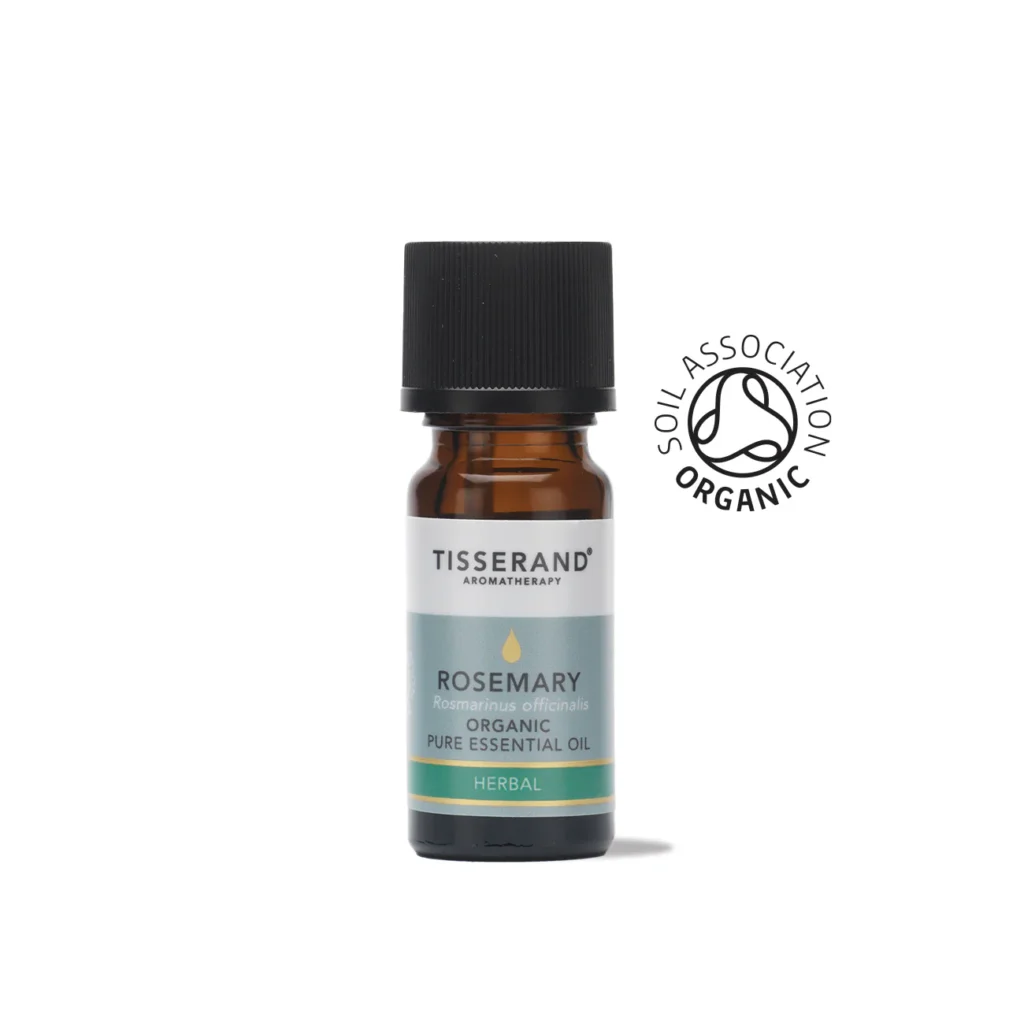
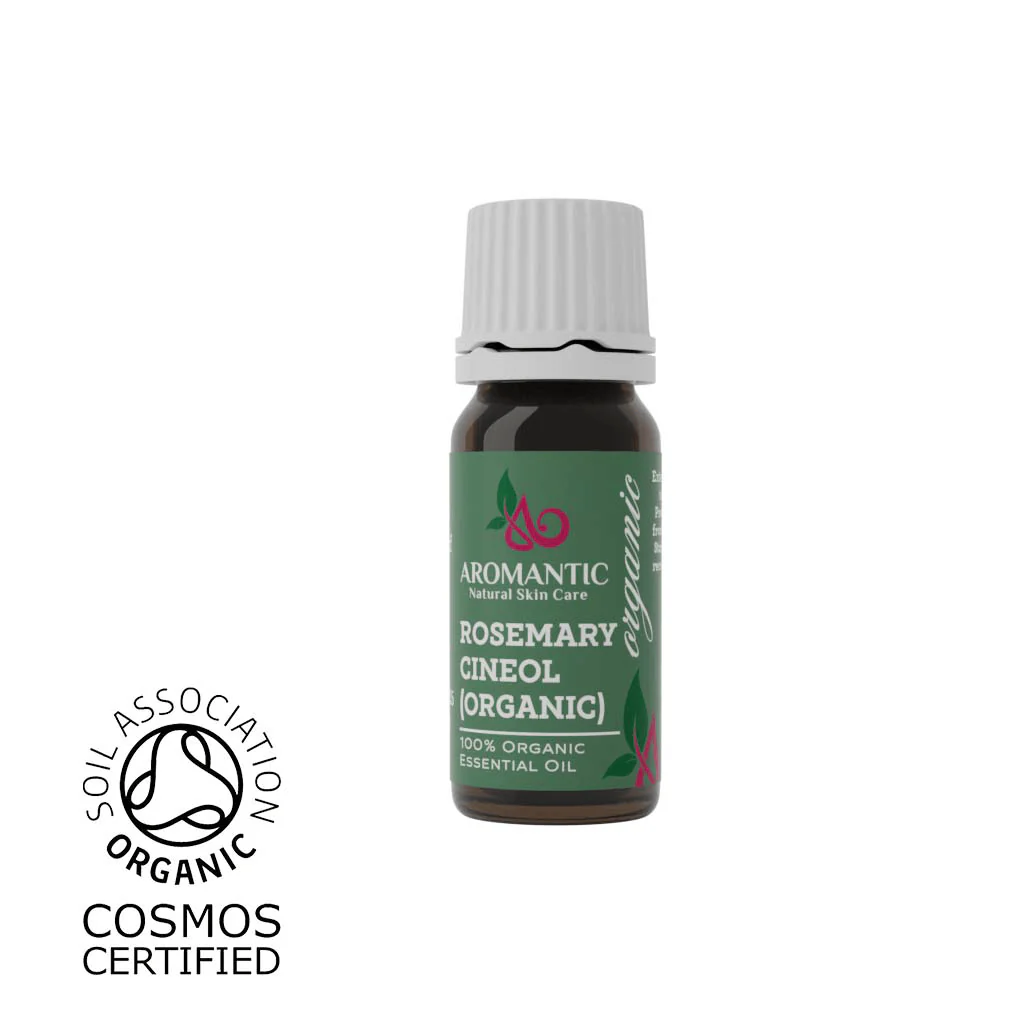
- Dilution Ratio: 1% to 2% in a carrier oil.
- Curl Benefit: Traditionally used to invigorate the scalp and support hair-growth routines. It is particularly suited to curls and coils where scalp care and maintaining healthy-looking roots are a priority.
Peppermint Essential Oil (Mentha piperita)
Peppermint essential oil is best known for its fresh, cooling and invigorating sensation. In aromatherapy, it is often incorporated into scalp massage blends designed to stimulate and refresh the scalp.
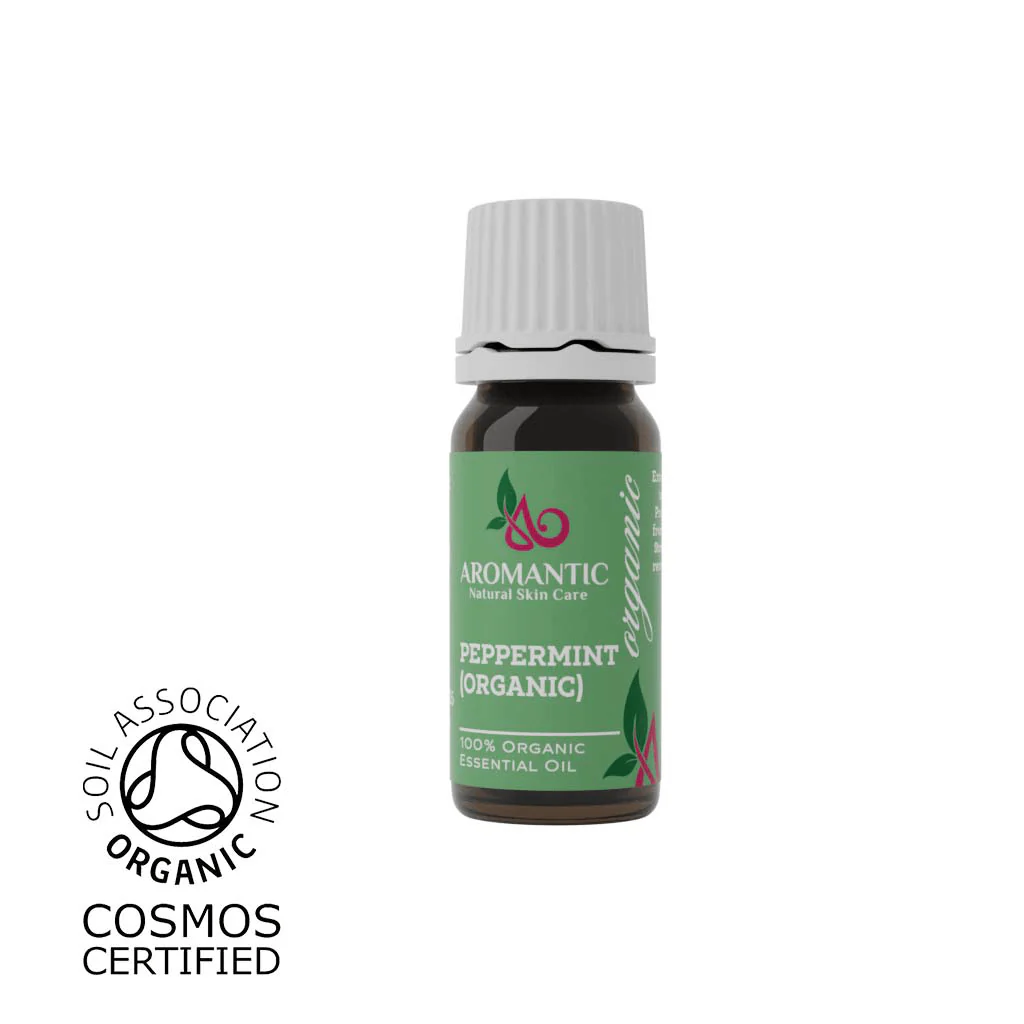
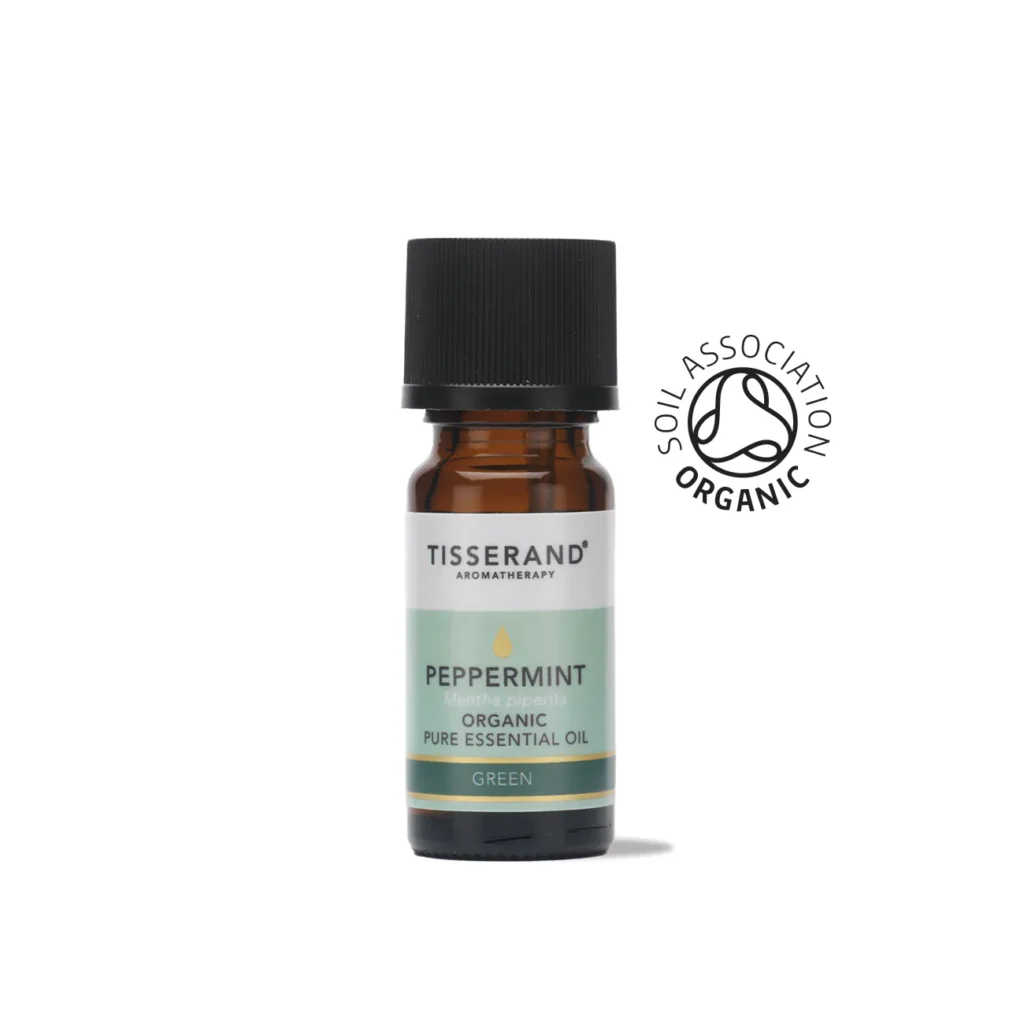
- Dilution Ratio: Around 0.5–1% in a carrier oil. Peppermint essential oil is potent and can feel intensely cooling, so more is not better.
- Curl Benefit: Refreshes and invigorates the scalp and makes an excellent companion to Rosemary essential oil in growth-focused scalp blends, particularly for dense Type 3 and Type 4 curls.
For Scalp Health and Balance
Tea Tree Essential Oil (Melaleuca alternifolia)
Tea Tree essential oil is a classic aromatherapy choice for scalp care thanks to its cleansing and purifying properties. It is particularly popular in formulations designed for oily scalps, occasional flaking and the buildup that can occur when curly hair is washed less frequently or when rich styling products are used.
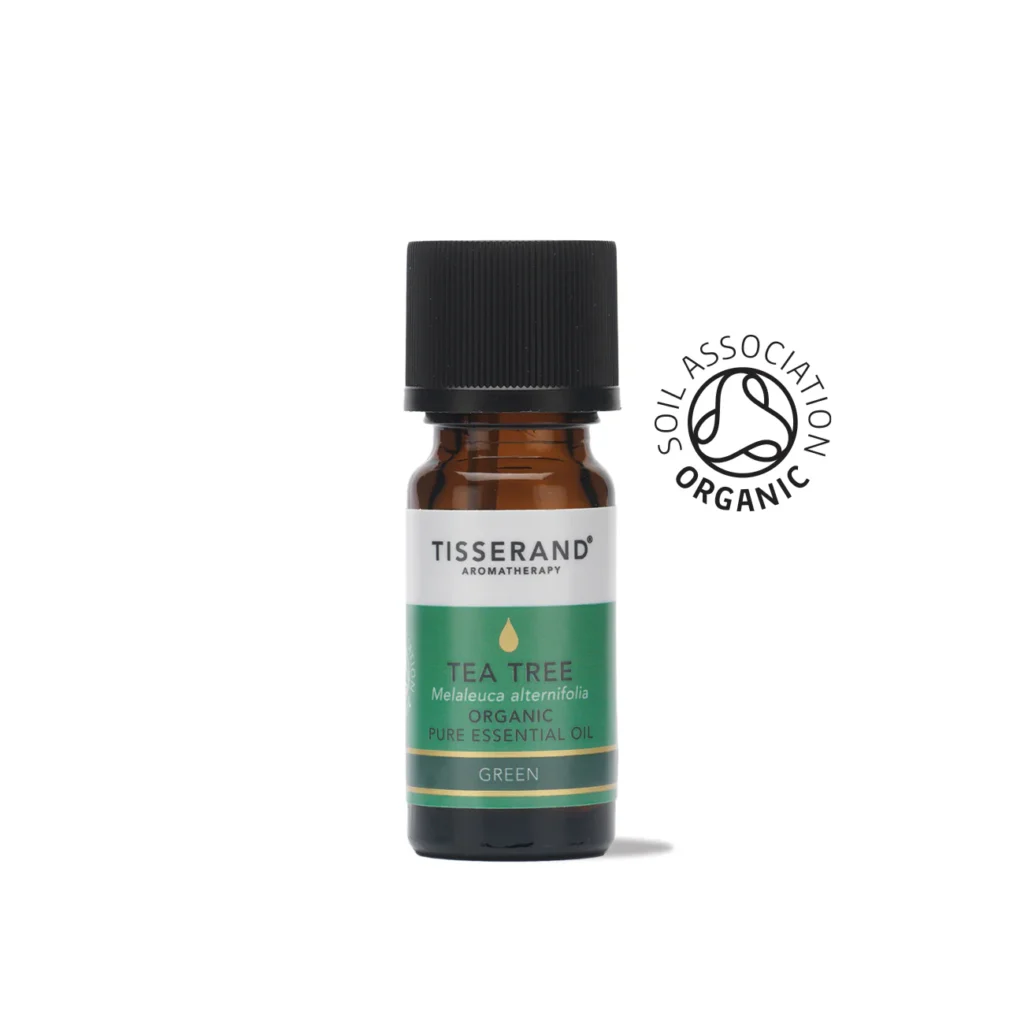
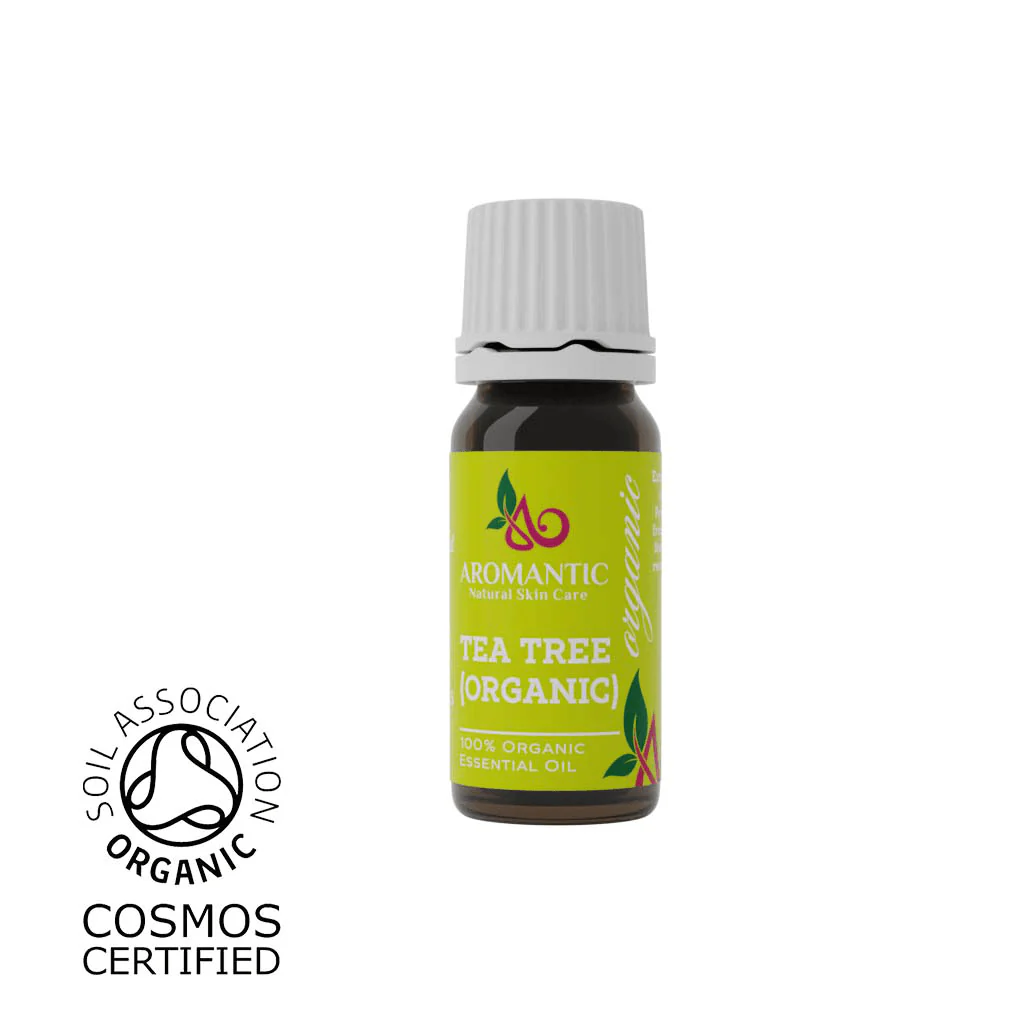
- Dilution Ratio: Around 1% for a leave-on scalp formulation.
- Curl Benefit: Helps maintain a clean, fresh-feeling scalp and is traditionally valued for its purifying properties. It can be particularly useful for curly-haired people who experience product buildup or an oily scalp between wash days.
Cedarwood Essential Oil (Cedrus atlantica)
Cedarwood essential oil has a long history in aromatherapy hair and scalp formulations. Its warm, woody aroma accompanies traditional uses focused on scalp cleansing, toning and maintaining a healthy-looking scalp.
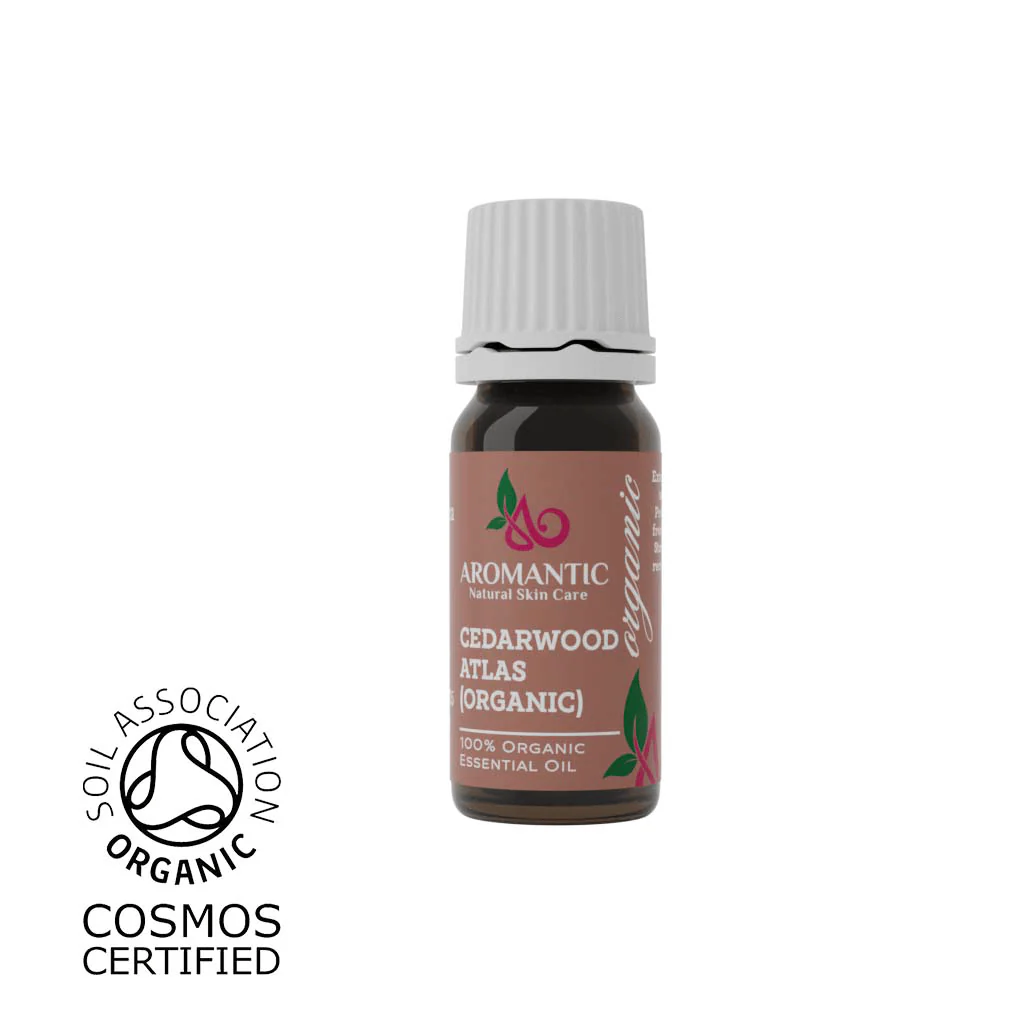
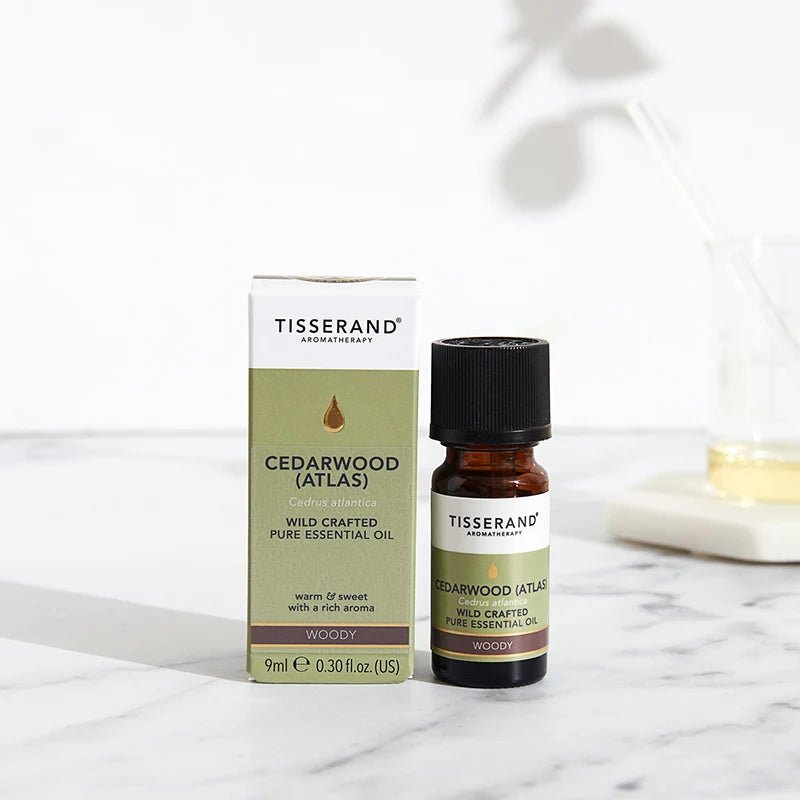
- Dilution Ratio: Around 1% in a carrier oil.
- Curl Benefit: Traditionally valued for its cleansing and scalp-supportive properties, Cedarwood essential oil is particularly interesting for curly-haired people prone to excess oil.
For Frizz & Dryness
Ylang Ylang Essential Oil (Cananga odorata)
Ylang Ylang essential oil is one of the most beautiful essential oils to include in a hair-care routine for dry, dull and unruly curls. It is traditionally associated with hair beautifying, softness and lustre and is often included in oil treatments for dry or brittle hair. For curly hair, this makes it particularly appealing when your curls feel rough, fluffy or lacking softness.
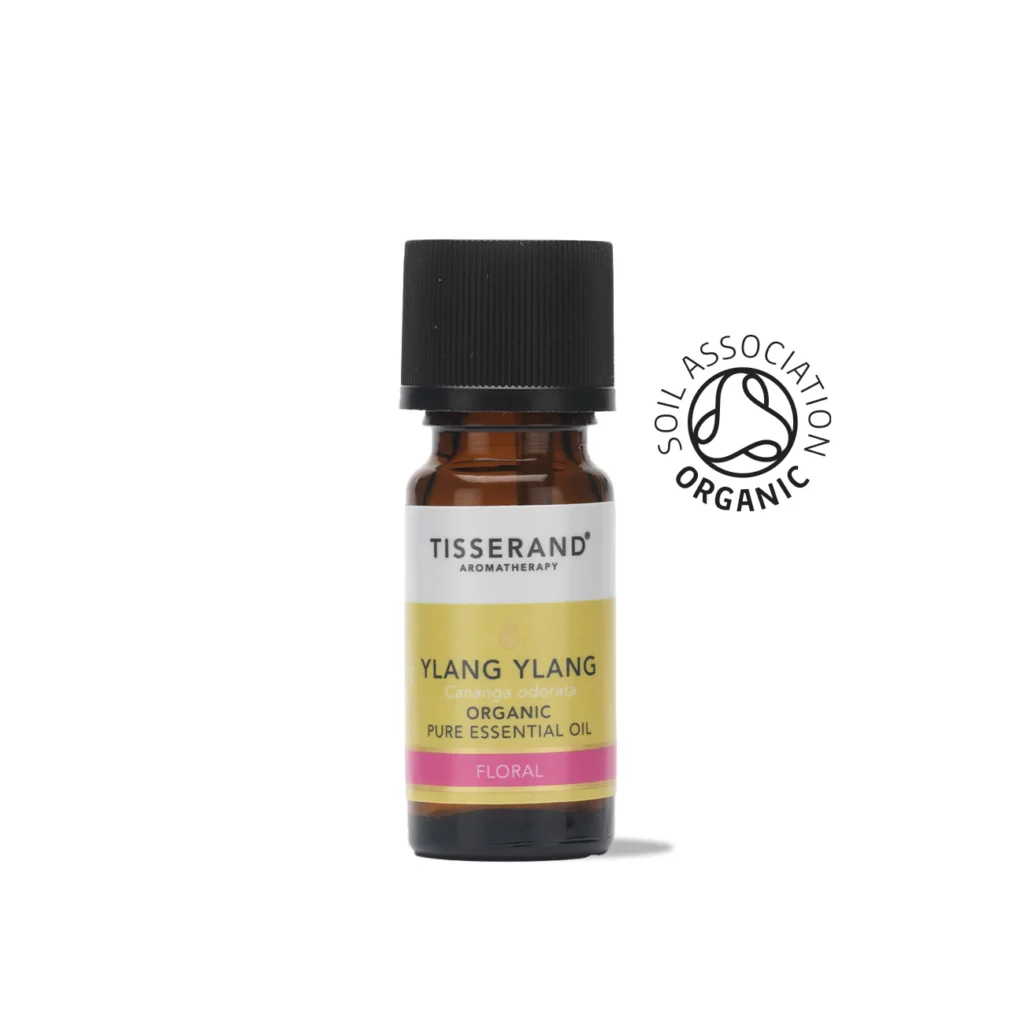
- Dilution Ratio: Around 1% in a carrier oil.
- Curl Benefit: Traditionally valued for dry, dull and brittle hair, Ylang Ylang essential oil is a lovely choice for dry, frizz-prone curls that need softness and lustre. It is particularly appealing in richer oil blends for high-porosity hair.
Geranium Essential Oil (Pelargonium graveolens)
Geranium essential oil is traditionally appreciated for its balancing and beautifying qualities and is a popular addition to natural hair and scalp formulations. Its floral aroma pairs beautifully with other hair-care essential oils, while its traditional cosmetic use makes it particularly suited to dry, dull or unruly hair.
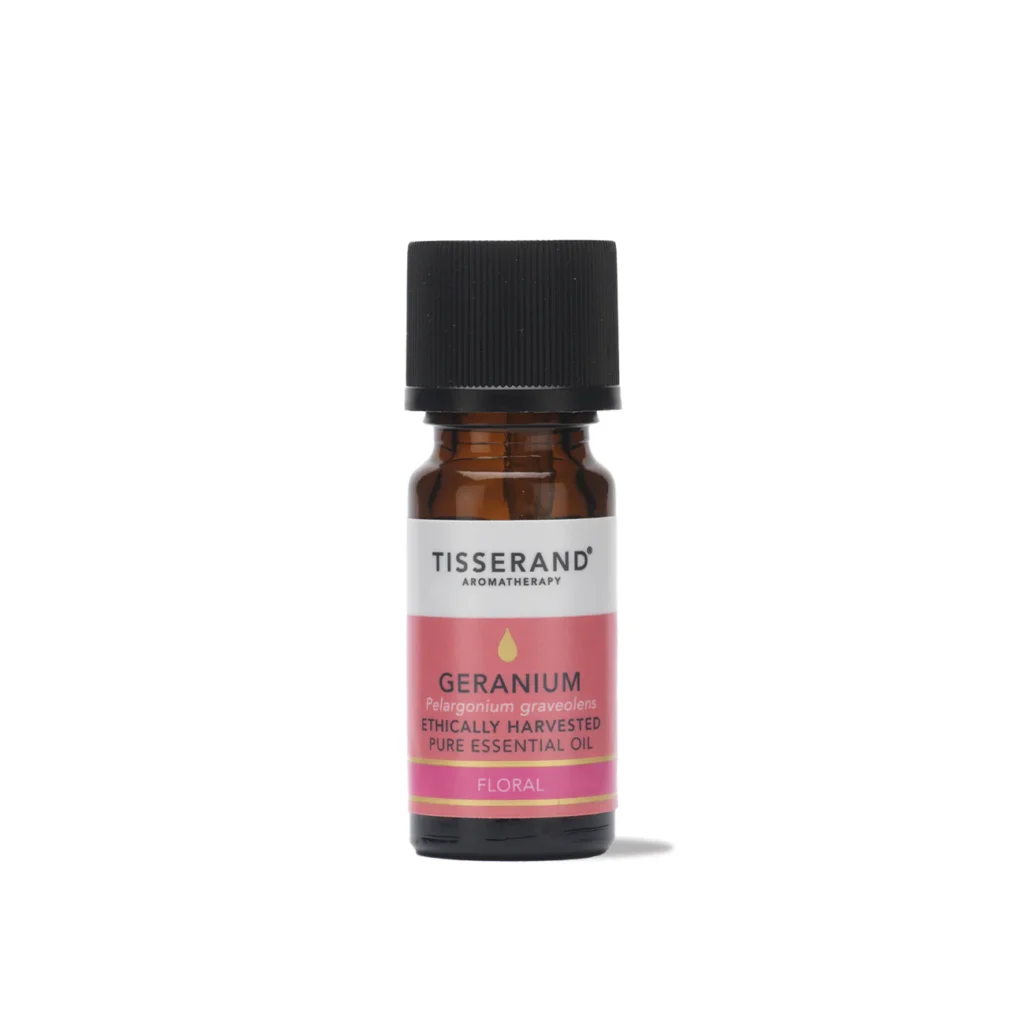
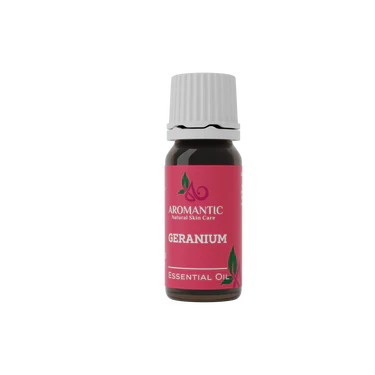
- Dilution Ratio: Around 1% in a carrier oil.
- Curl Benefit: Traditionally used to beautify and condition the hair, Geranium essential oil is a lovely choice for dry, frizz-prone curls and can help create a softer, smoother and more lustrous-looking finish.
For Curls Shine & Smoothness
Sweet Orange Essential Oil (Citrus sinensis)
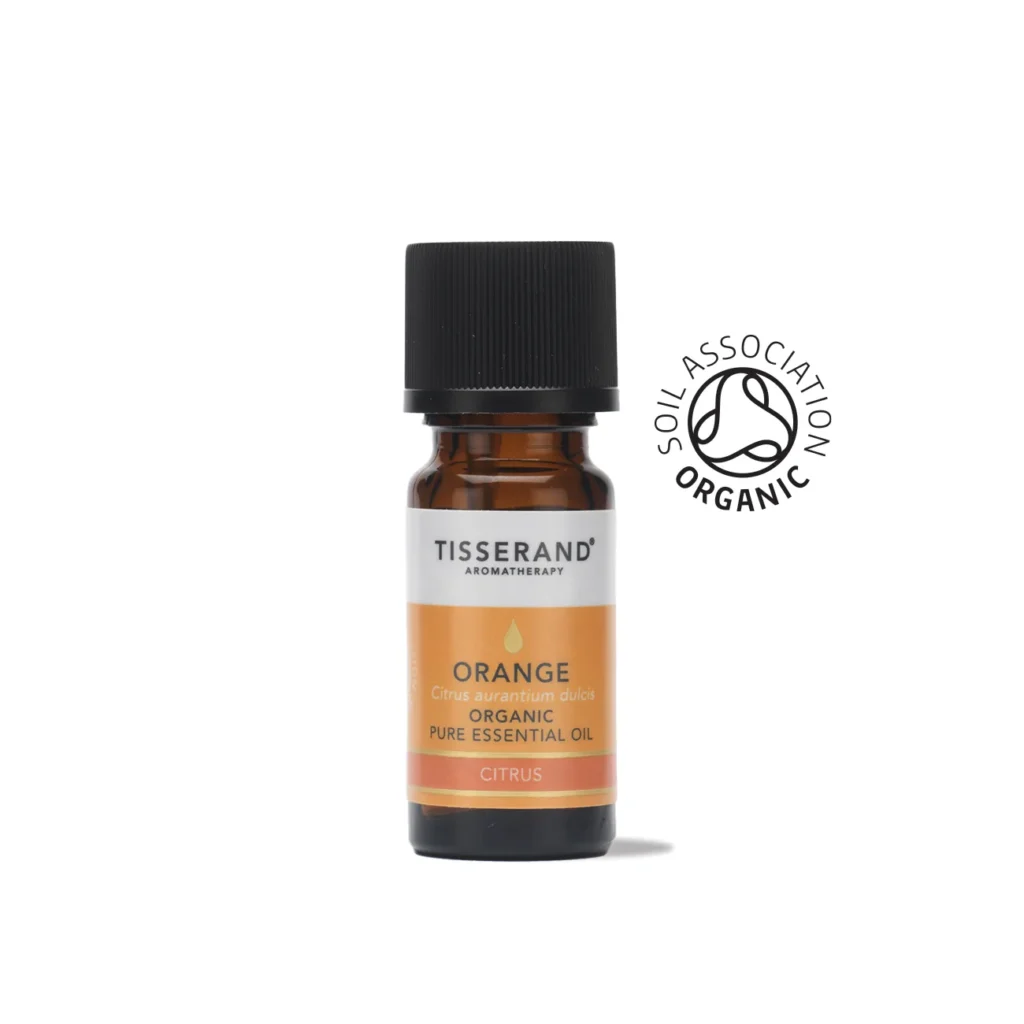
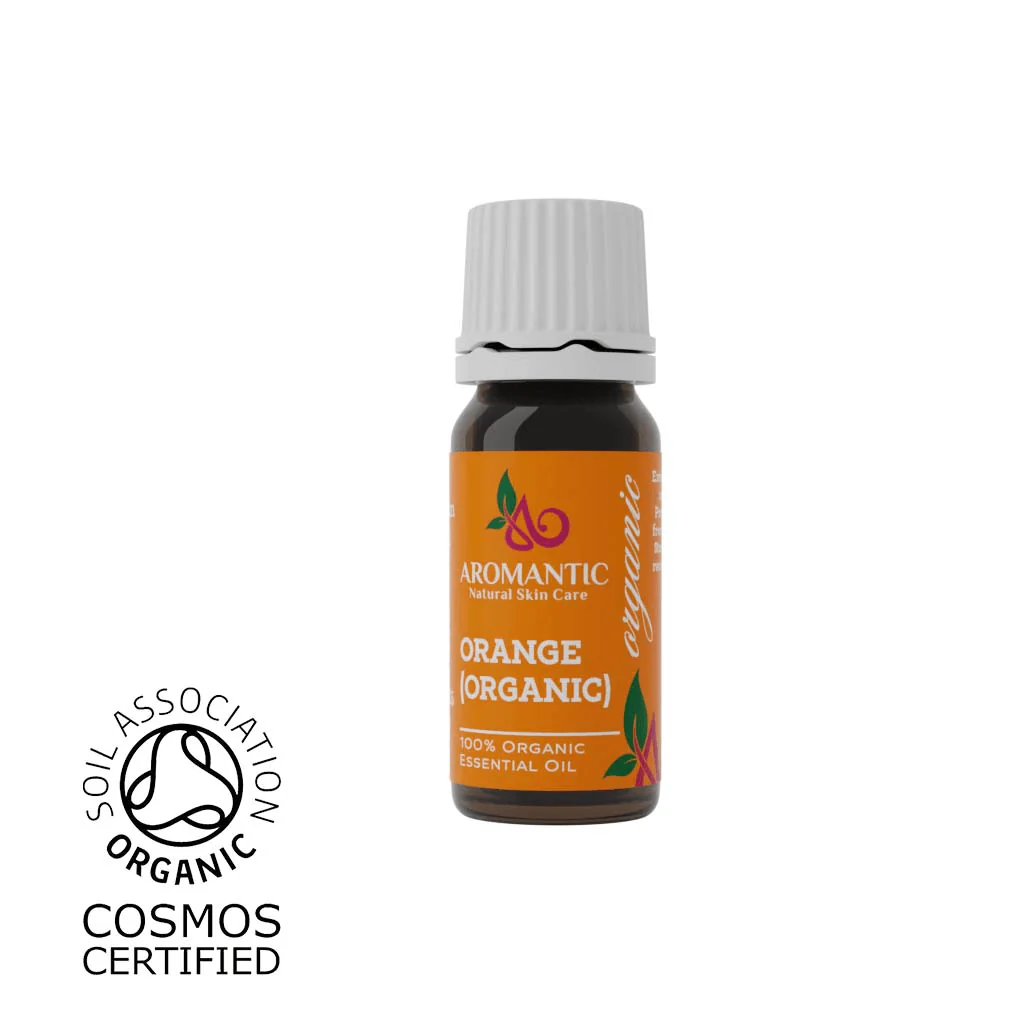
Sweet Orange essential oil brings more than its bright, uplifting citrus aroma to a hair-care blend. In traditional cosmetic aromatherapy, Sweet Orange essential oil is associated with beautifying dull-looking hair and enhancing the appearance of lustre. It can be especially appealing in a lightweight sealing oil designed to leave curls looking glossy without feeling overly heavy.
- Dilution Ratio: About 1% in a carrier oil.
- Curl Benefit: Traditionally used in cosmetic hair blends to enhance lustre and give dull curls a brighter, more polished appearance.
- Important: Sweet orange essential oils is generally considered not significantly phototoxic. However, always check the specific oil’s safety information before creating a leave-on formulation.
Lemongrass Essential Oil (Cymbopogon citratus)
Lemongrass essential oil is perhaps better known for its fresh, uplifting aroma and scalp-cleansing qualities, but it also has a place in traditional hair-care formulations aimed at revitalising dull-looking hair. Its toning and refreshing character makes it an interesting choice for hair that looks lacklustre and needs a little extra vitality.
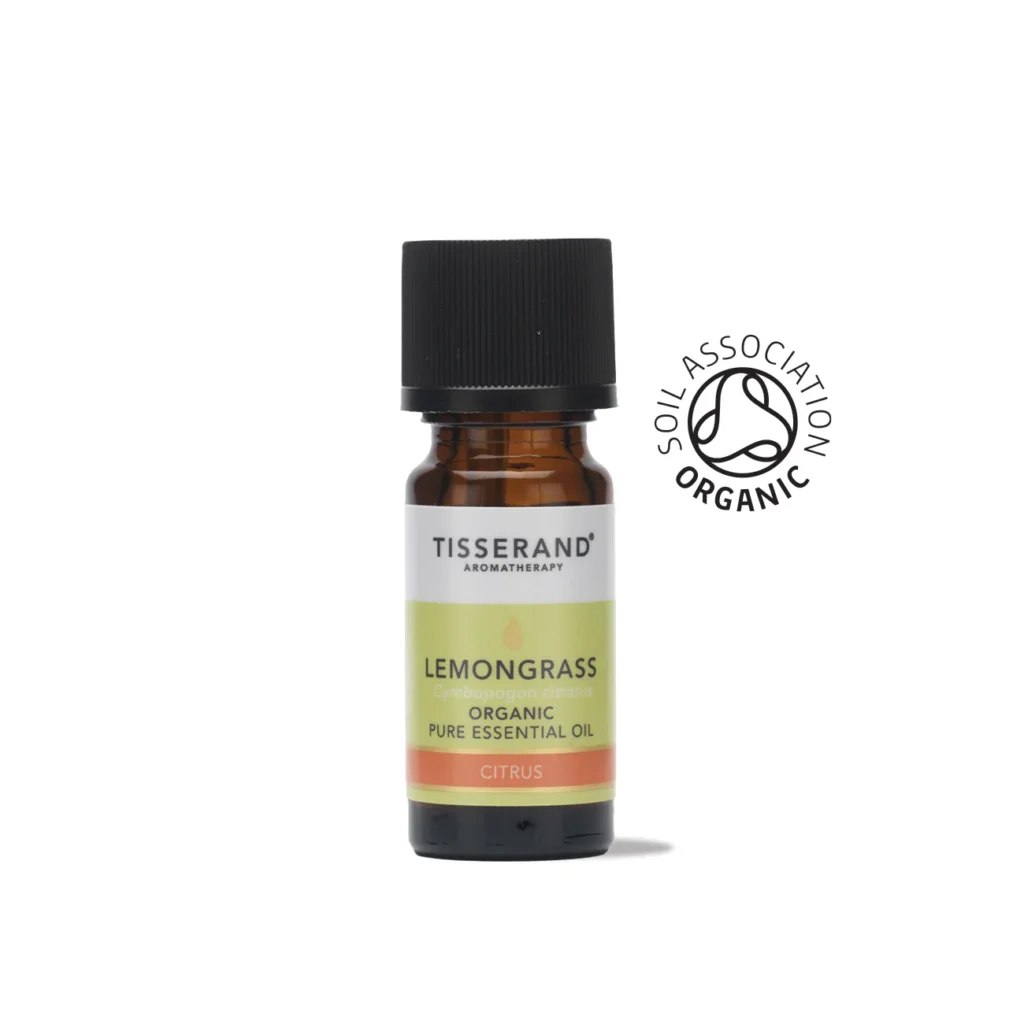
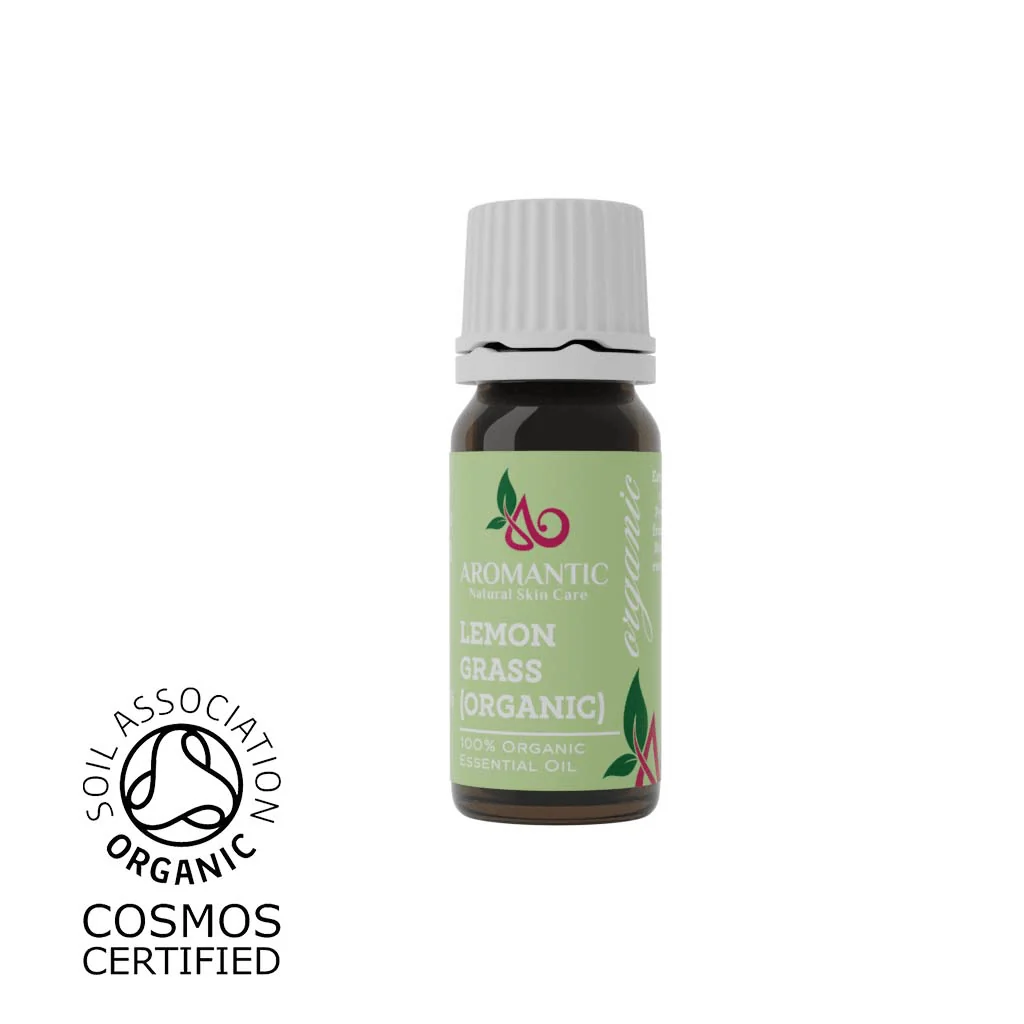
Dilution Ratio: Use a conservative dilution of 0.5%, particularly for scalp applications, because Lemongrass can be irritating to sensitive skin.
Curl Benefit: Traditionally valued for its toning and revitalising qualities, Lemongrass essential oil complements formulations designed to leave hair looking fresh, healthy and lustrous.
For Low-Porosity vs High-Porosity Curls
Your hair porosity doesn’t necessarily determine which essential oil you need. Instead, it can help you choose the carrier oil and overall formulation that will work best with your curls.
- Low-porosity curls tend to be less receptive to heavy product layers and can easily feel coated or weighed down, particularly when you have fine curls. Choose lightweight, easily spreadable carrier oils and use them sparingly. For tailored oil blends, read Essential Oils for Low-Porosity Curly Hair. And if you have fine hair, check out my guide to Must-Have Carrier Oils for Thin Curly Hair.
- High-porosity curls have raised cuticles that absorb moisture fast but lose it just as quickly. You can use richer carrier oils such as Argan or Avocado oils. Ylang Ylang and Geranium essential oils are perfect here. For more information on targeted blends for this types of hair, read 5 Essential Oil Blends for High-Porosity Curly Hair.
Oils to Use With Caution — Or Skip Entirely
- Cinnamon Bark and Clove essential oils are two of the most common irritants in the essential oil world. They’re “hot” oils that can cause a burning sensation and skin reactions even in fairly low dilutions. There’s no scalp benefit here worth the irritation risk — leave these out of hair care altogether.
- Cold-pressed citrus oils such as Bergamot, Lemon and Lime are phototoxic which means they increase your skin’s sensitivity to UV light. If you’re applying oils to your scalp or hairline and then heading outside, these are the ones to either avoid or use only in your evening routine. This becomes especially relevant in summer and if you haven’t already, it’s worth reading Why Curly Hair Needs Scalp SPF More Than You Think alongside this section, since oil choice and sun protection go hand in hand.
- Oregano and Thyme essential oils are potent, “hot” oils similar to Cinnamon and Clove essential oils. They’re not standard hair care oils and there’s no real upside to including them here.
Build Your Own CGM-Safe Blend: A Simple Framework
You don’t need a cabinet full of single oils to get started — one carrier, one or two essential oils, and a consistent ratio will take you further than a complicated 8-ingredient blend you’ll never repeat.
- Pick your carrier oil base (80–95% of your blend). Match it to your porosity and hair type. For instance, lighter oils like Camellia work well for low porosity or fine hair, while richer oils like Argan suit for high porosity better.
- Add your essential oil(s) at 1–3% total of the finished blend. For a 30ml bottle, that’s roughly 6–18 drops. Start at the lower end and increase gradually.
- Apply with intention. Apply the blend directly to your scalp before washing (a pre-poo treatment). Massage gently with your fingertips for 5 minutes. Leave on for 30–60 minutes, then wash out using your favorite CGM-approved low-poo shampoo or co-wash.
FAQ
Do essential oils cause buildup on curls? Not in the way silicones or heavy waxes do. Used at the small percentages recommended here, essential oils don’t coat the hair shaft or block moisture. Buildup issues in a CGM routine almost always trace back to the carrier oil, styling product, or wash frequency — not the essential oils themselves.
Can I use essential oils on colour-treated curly hair? Generally yes, though it’s worth patch testing and introducing one oil at a time so you can tell if any sensitivity shows up. Colour-treated hair can sometimes be more porous, which actually makes it a good match for the high porosity notes above.
How often can I use essential oils on my scalp? For most of the oils on this list, two to three times a week is a sensible starting point. Give your scalp days off in between rather than using a blend daily, and watch for any signs of irritation, such as redness, itching, or tightness, as a sign to scale back.
Conclusion
Navigating the Curly Girl Method often feels like following a strict set of “don’ts,” but incorporating essential oils isn’t about breaking the established rules. It is about doing what supports your unique scalp chemistry, doing what encourages your curls to thrive. It’s about doing it all with the confidence that comes from understanding the science behind the bottle.
Just remember, your curls are as individual as you are. What works for a 2C wave might be too light for a 4C coil. And a scalp that loves Rosemary essential oil might find Peppermint a bit too intense. Take it slow, always prioritise safe dilution and choose high-quality carrier oils from trusted sources. And of course, always listen to how your hair responds. Botanical care is not about overnight miracles; it is about the consistent, intentional steps that lead to long-term hair health.
Have you tried any essential oils for your curls yet? Or maybe you’ve already got your favourites? Please leave the comments in a box below – I’d like to hear from you.
Disclaimer: This post contains affiliate links. If you purchase through these links, I may earn a small commission at no extra cost to you — it helps me keep creating free content. I only ever recommend products I personally use and trust. This information is for educational purposes only and is not intended to diagnose, treat, cure, or prevent any disease. Always patch test new ingredients, and consult with a healthcare provider if you have specific skin conditions or concerns. If you’re pregnant, nursing, or on medication, check with your doctor before using essential oils.