Essential Oils for Perimenopausal and Menopausal Hair Thinning
Your hair growth is directly connected to hormonal balance. For that reason perimenopause and menopause can be challenging times when it comes to how your hair looks and feels. Knowing what factors influence hair health helps to choose the right supportive tools such as natural oils.
Are you noticing more hair in your shower drain, a wider part line, or ponytail elastics that wrap around three or four times instead of two? You aren’t imagining it and you aren’t alone. I remember how suddenly my hair became flat, dull and brittle when I reached perimenopause. It was falling out so much that I was scared nothing was going to be left on my head. I was constantly hiding it in a bun so no one could see how thin and dry it was.
What happened to me was something very common. During perimenopause and menopause, up to 40% of women experience noticeable hair thinning. There’re expensive prescription foams and synthetic treatments on the market. There’s also a growing body of scientific research pointing to a botanical alternative: essential oils paired with targeted carrier oils.
In this post I will explain what factors affect hair growth, how “going through change” affects your hair, how oils can help and which ones to choose. And of course, you will have a couple of easy to make DIY recipes to help your mane survive perimenopause and menopause. Let’s go!
How Your Hair Actually Grows
Every hair on your head runs on a repeating four-phase cycle, and every follicle runs its own cycle independently.
Anagen is the growth phase, lasting anywhere from two to seven years. At any given time, around 85–90% of your hairs are in it.
Catagen is a brief transition of a couple of weeks, when the follicle detaches from its blood supply.
Telogen is a resting phase of roughly three months. The old hair stays anchored in place but has stopped growing, while a new one begins forming in the follicle beneath it.
Exogen is the shedding phase. The old hair is finally released and falls out — the hairs in your brush, on your pillow, around the plughole. Losing 50 to 100 of them a day is completely normal. What matters is not how many you shed, but whether a new hair is coming through behind each one.
So as you can see, your hair thickness depends on how many hairs are in anagen phase at once. That means the longer the growth phase, the more of your hairs are actively growing rather than resting or shedding and the longer each one can get. Another important factor that affects hair thickness is the size of hair follicles because thickness of each individual hair strand directly correlates with the size of the follicle producing it. Perimenopause and menopause interfere with both.
How Hormones Change Your Hair in Perimenopause and Menopause
There are three important hormonas in your body: oestrogen, progesterone and testosterone. Each of them affect hair growth differently. Between roughly 40 and 50 your hormonal balance changes and our hair is affected directly by this change.
Oestrogen – Its job is to hold hairs in the growth phase, so the more of it you have, the more of your hairs are actively growing at any moment and the longer each one grows before resting. You’ve seen this at full strength in pregnancy, when hair looks magnificent, and then in the heavy shed a few months after birth when oestrogen crashes. During perimenopause oestrogen starts to fall which is why growth phases shorten, more hairs sit resting and more of them shed.
Progesterone – Progesterone doesn’t act on your hair at all. Instead it protects its growth indirectly by acting as a brake when it comes to DHT ( dihydrotestosterone), powerful hormone and androgen (sex hormone) that our body makes naturally from testosterone. It believes DHT plays important role in hair growth and oil production in females. Let me explain the link between progesterone and DHT. Testosterone is converted into DHT by an enzyme in your skin called 5-alpha-reductase. Progesterone inhibits that enzyme: more progesterone means less DHT. So as progesterone drops during perimenopause and menopause, more testosterone is converted into DHT. High levels of DHT shrink hair follicles and shorten the hair growth cycle, resulting in hair thinning and loss.
Testosterone – Every woman produces testosterone in her ovaries and adrenal glands throughout her life. It does decline with age, but far more slowly than oestrogen and progesterone.
And there it is, the hormonal imbalance responsible for your hair changing during perimenopause and menopause. Testosterone levels hardly change, but two other hormones that used to balance it, oestrogen and progesterone, decline dramatically. As a result, there’re fewer hairs in the growth phase and each of those hairs finer than it used to be.
How Perimenopause And Menopause Changes Your Hair
Female pattern hair loss shows up as diffuse thinning across the top of the head with the parting widening like a Christmas tree from the front, but the hairline itself usually holds. It’s because you’re not losing dramatically more hairs, instead you’re growing progressively finer ones. And that loss of diameter across thousands of hair strands shows in the loss of volume.
At the same time, a large batch of follicles can shift into the resting phase at once, and you shed heavily two to three months later. Plus perimenopause and menopause bring broken sleep, sustained stress, thyroid changes, low ferritin that intensify shedding phase and you lose more hair than usual.
At the same time other changes to your hair and scalp are quietly happening on the side:
- Sebum production drops. Less oil means a drier, tighter, sometimes flakier scalp and a hair fibre that’s more prone to snapping.
- The scalp itself thins. Dermal collagen declines and microcirculation reduces, so the follicle sits in a less well-supplied environment.
- Low-grade inflammation around the follicle, sometimes called microinflammation. It’s a consistent finding in hair loss and it accelerates miniaturisation of hair follicles.
What Essential Oils Can Realistically Do
Essential oils cannot fix hormonal imbalance or change the size of the follicles, but they can act on the scalp environment and here’s what they can do.
Increase blood flow to the follicle. Several oils are vasodilators applied topically, you can feel it as warmth or tingle. More circulation means better delivery of oxygen, nutrients and hormones to a follicle that’s currently under-supplied.
Interfere with DHT locally. Rosemary’s carnosic acid and related diterpenes show 5-alpha-reductase inhibiting activity in laboratory work. The single most-cited piece of evidence is a 2015 trial that compared rosemary essential oil against 2% minoxidil over six months in men with androgenetic alopecia. Both groups gained hair count, with no significant difference between them at six months — and the rosemary group reported markedly less scalp itching.
Calm follicular inflammation. Anti-inflammatory constituents of essential oils reduce the irritation that speeds miniaturisation of the follicles. They’re also very helpful with the itch and sensitivity that often accompany a perimenopausal and menopausal scalp.
Control the scalp microbiome. Scalp flaking, seborrhoeic dermatitis or Malassezia overgrowth can be significantly improved by essential oils application. Improvement of those conditions in turn leads to the improvement of the environment the follicle grows in.
Reduce stress load. Telogen, or resting phase, is very much stress-responsive. Inhaled aromatic components from essential oils have measurable effects on cortisol and sleep quality. For the woman in perimenopausal or menopausal shedding triggered by poor sleep, this may be very useful.
Prevent breakage. Half of “thin hair” is hair that keeps snapping before it reaches length. Oils protect the fibre, and retained length keeps hair looking denser.
Must Have Essential Oils For Perimenopausal and Menopausal Hair
Rosemary Essential Oil (Rosmarinus officinalis)
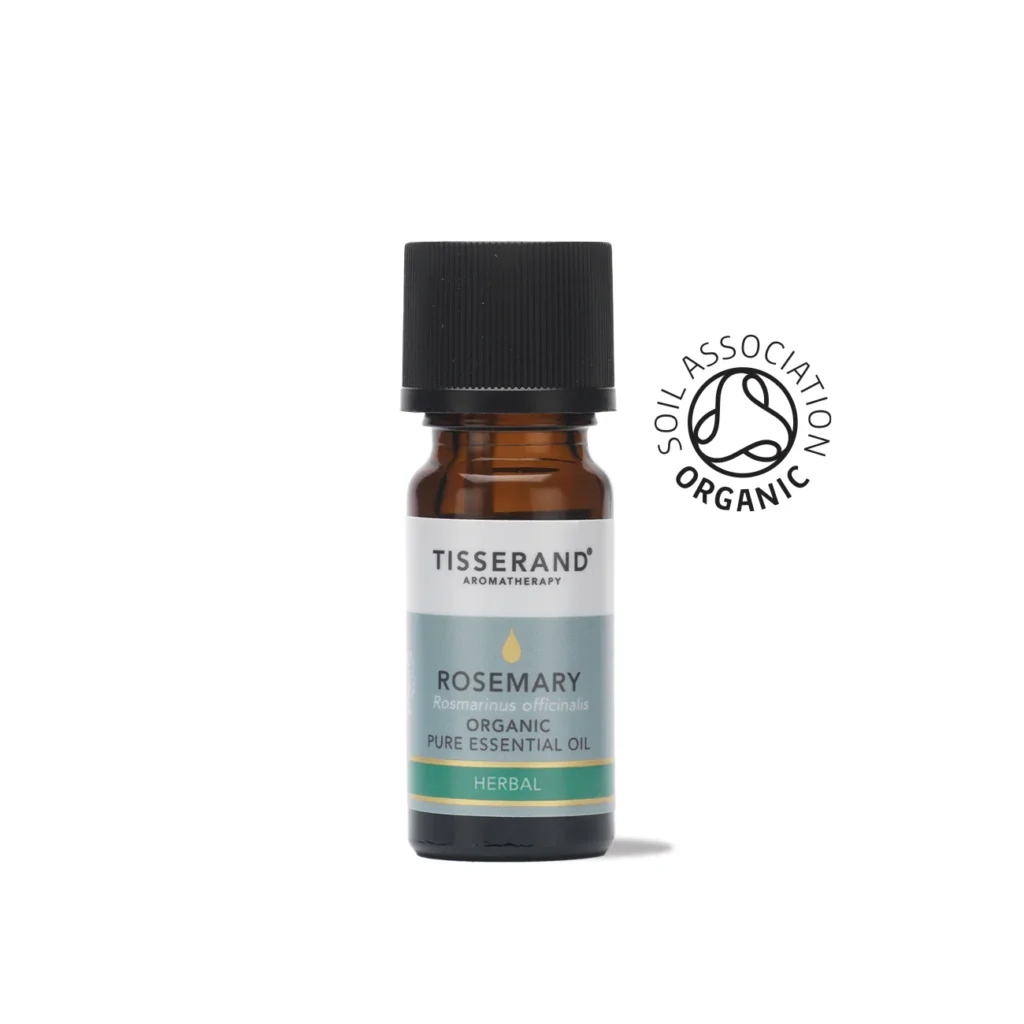
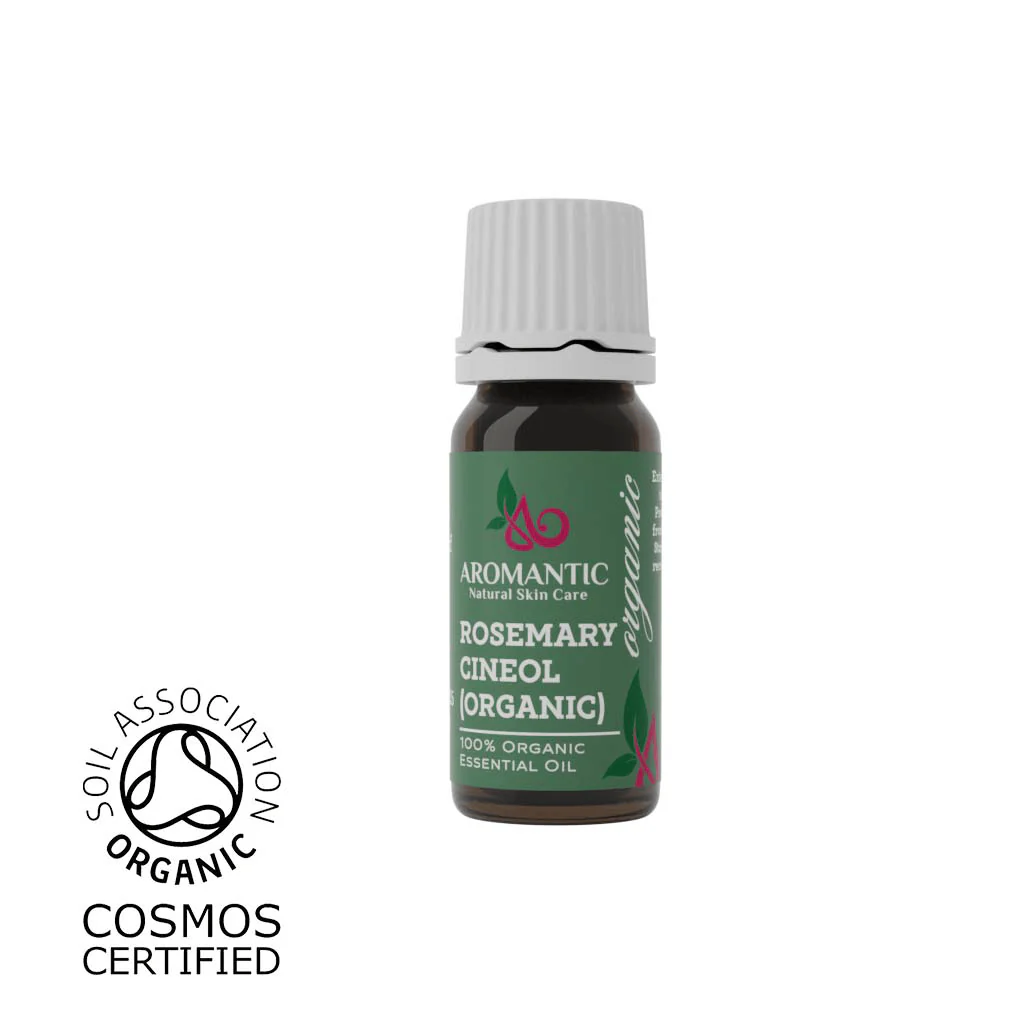
Rosemary essential oil is the one to buy first, if you buy only one. It’s the best-evidenced oil for pattern thinning specifically. It works on two fronts at once: it stimulates scalp circulation and its diterpene content acts against the local conversion of testosterone to DHT. That combination targets the exact mechanism of perimenopausal and menopausal thinning.
Buy the cineole chemotype where you can. Rosemary ct. camphor is more stimulating and harsher on a dry, thinning scalp. Rosemary ct. cineole is better tolerated for daily use and is the version to reach for in leave-on blends.
Peppermint Essential Oil (Mentha piperita)
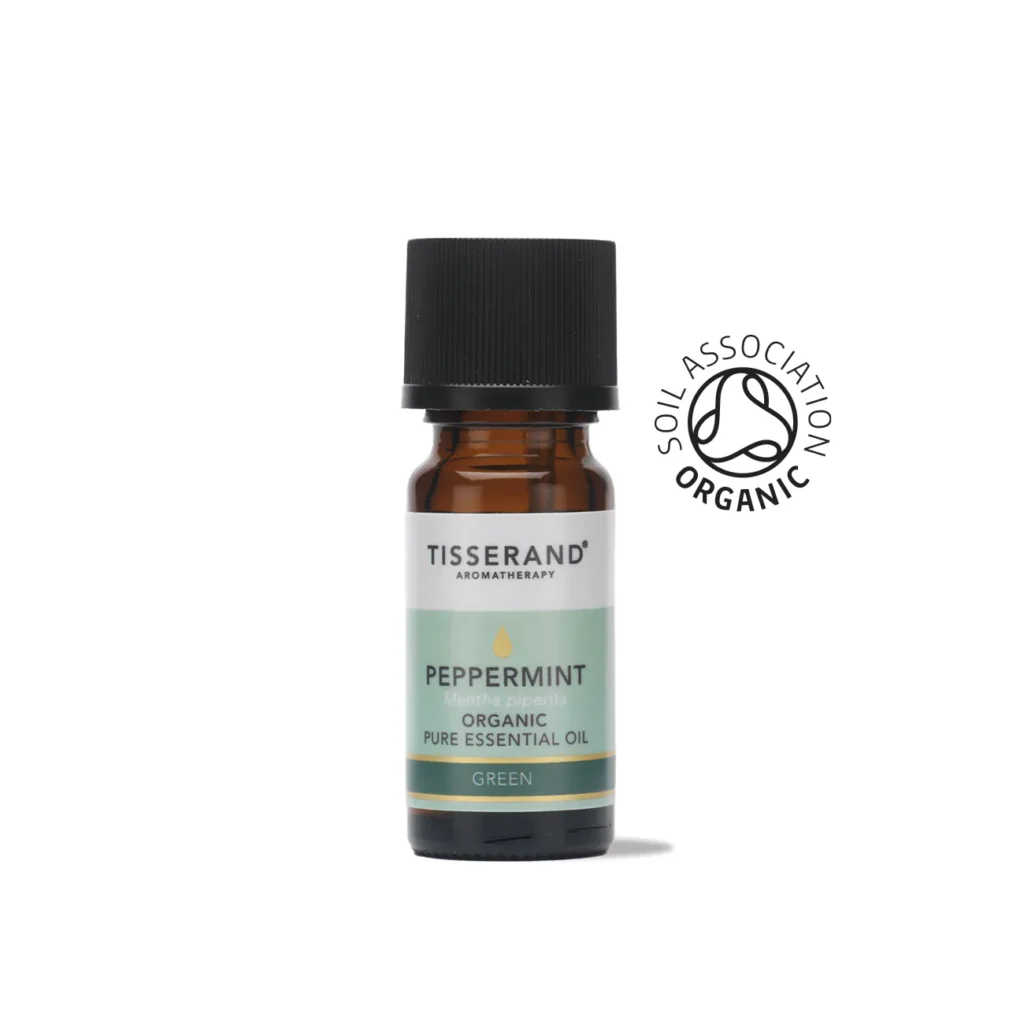
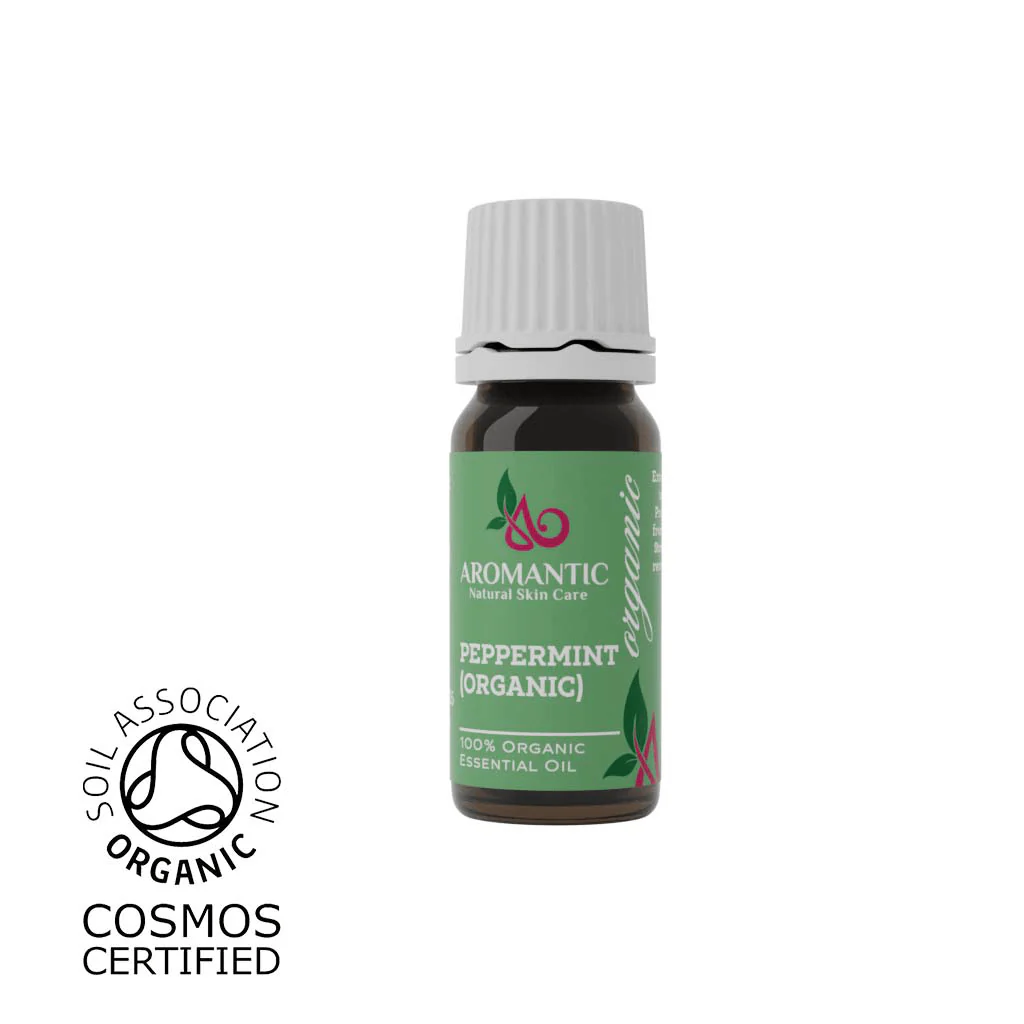
Peppermint essential oil is rich in menthol which produces immediate vasodilation. The research showed 3% concentration used on animals led to increase in follicle number, follicle depth and dermal thickness. When it’s used on a human scalp alongside Rosemary essential oil it acts as an accelerator and sharpens the circulatory effect.
Use in a low amount only to start with as a thinning perimenopausal scalp is often more sensitive than it used to be. Two to four drops in a 50 ml blend is plenty.
Cedarwood Essential Oil (Cedrus atlantica)
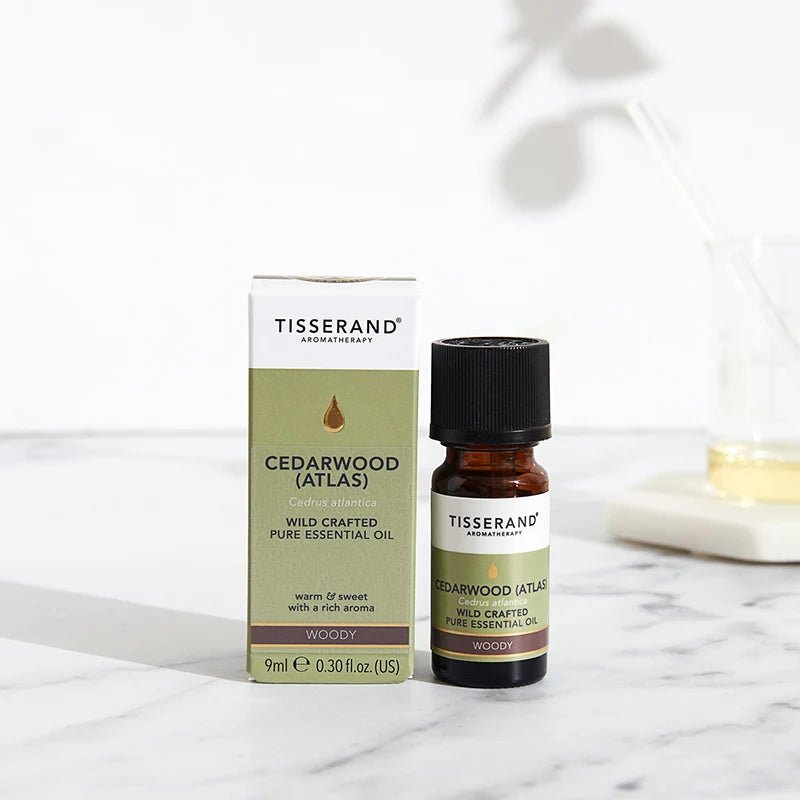
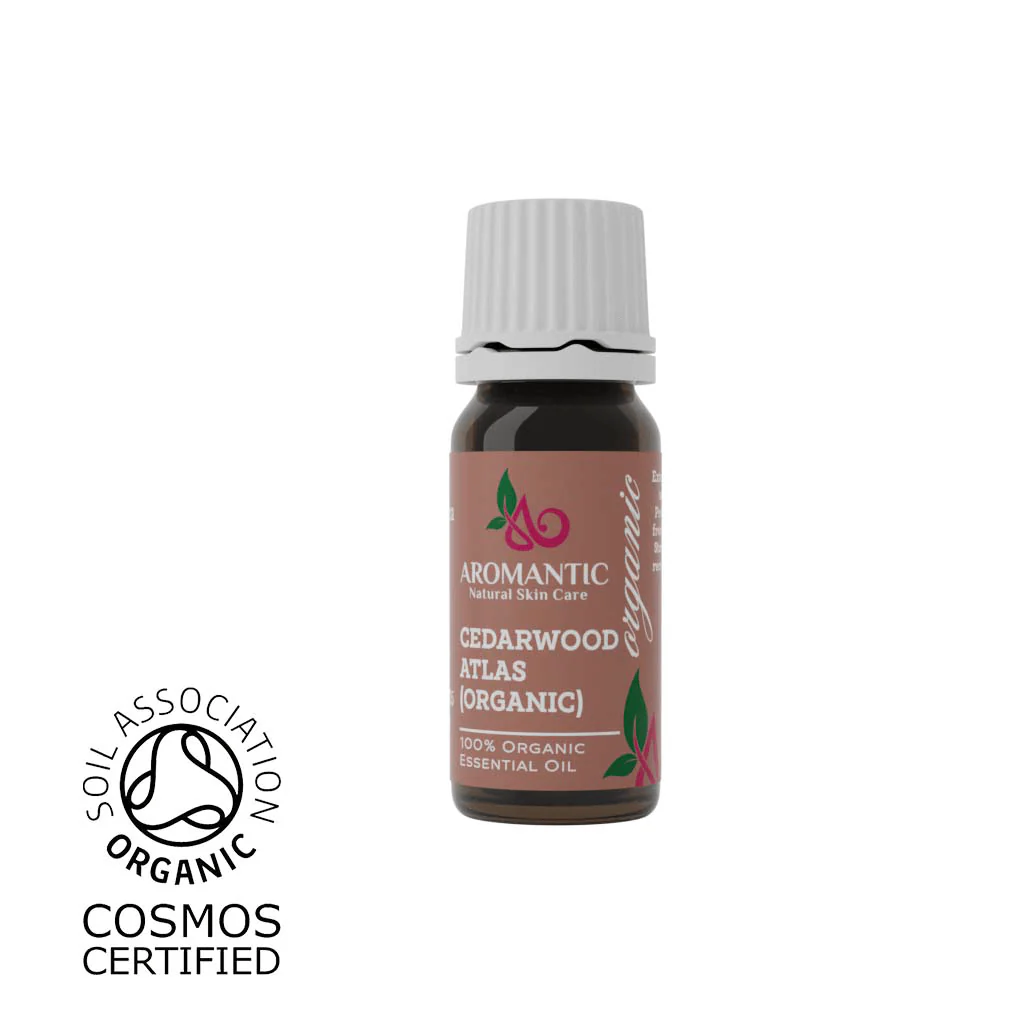
Cedarwood essential oil was one of the four oils used in the famous Scottish hair-loss study. The blend, which it was part of, improved hair growth in 44% of the people who used it. Cedarwood is rich in sesquiterpenes, which are anti-inflammatory, and it’s also sebum-balancing which is useful whether your scalp has become drier or has swung oddly greasy at the roots while hair strands get dry. The oil is grounding and mildly sedative in scent, which makes it ideal in a blend you apply at night.
Lavender Essential Oil (Lavandula angustifolia)
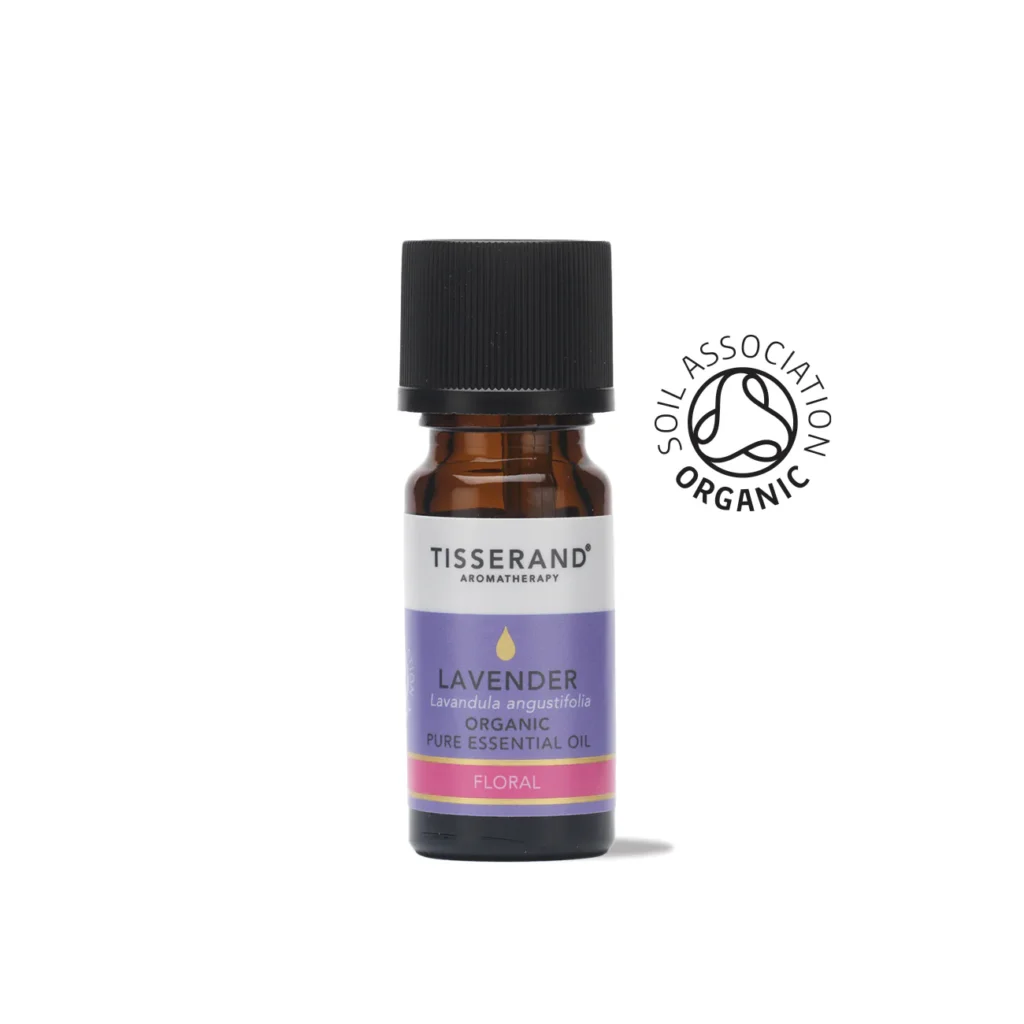
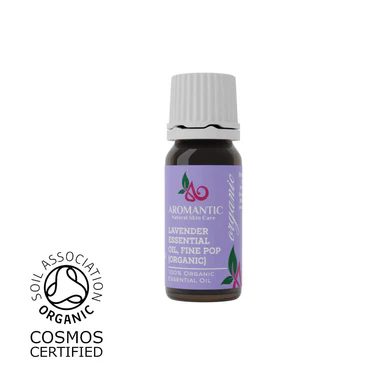
Lavender essential oil it’s well known and needs no introduction. The oil has many properties, including anti-inflammatory that makes it a perfect choice if you have an irritated scalp. When it comes to hair, in studies conducted in animals Lavender oil increased follicle number and their depth. Plus Lavender essential oil is deeply relaxing and it has the best-established evidence for improving sleep quality and easing anxiety. These are two things most likely to be feeding a perimenopausal telogen effluvium in the first place.
Clary Sage Essential Oil (Salvia sclarea)
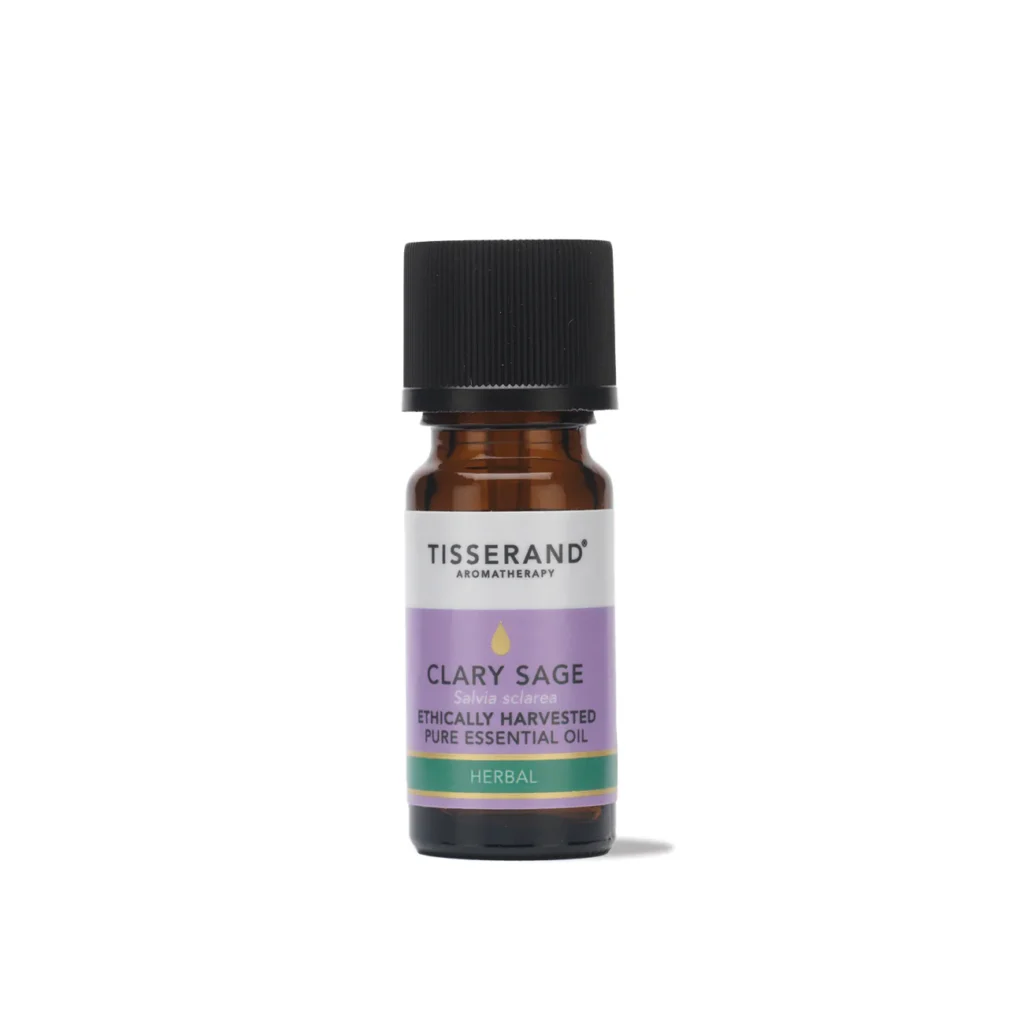
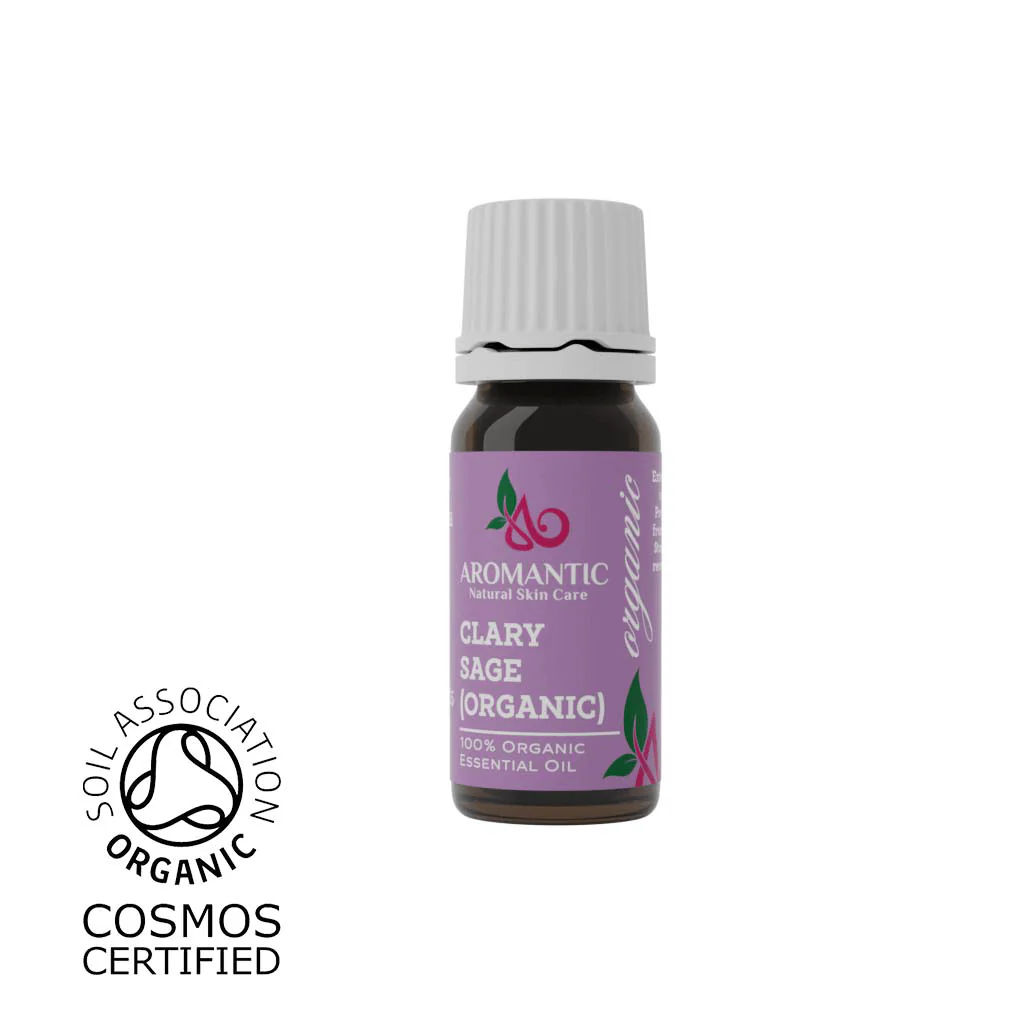
Clary Sage essential oil doesn’t act on the follicle, instead it works on the other half of the problem. Perimenopausal shedding is frequently stress-driven: broken sleep, night sweats and a raised stress load push batches of follicles out of the growth phase into the resting phase. And then you shed heavily two to three months later. Clary Sage oil is one of the most reliable calming oils for exactly those symptoms, which is why it has been a menopause favourite for decades. Its main benefit for your hair is fewer stress-triggered sheds.
Thyme Essential Oil (Thymus vulgaris)
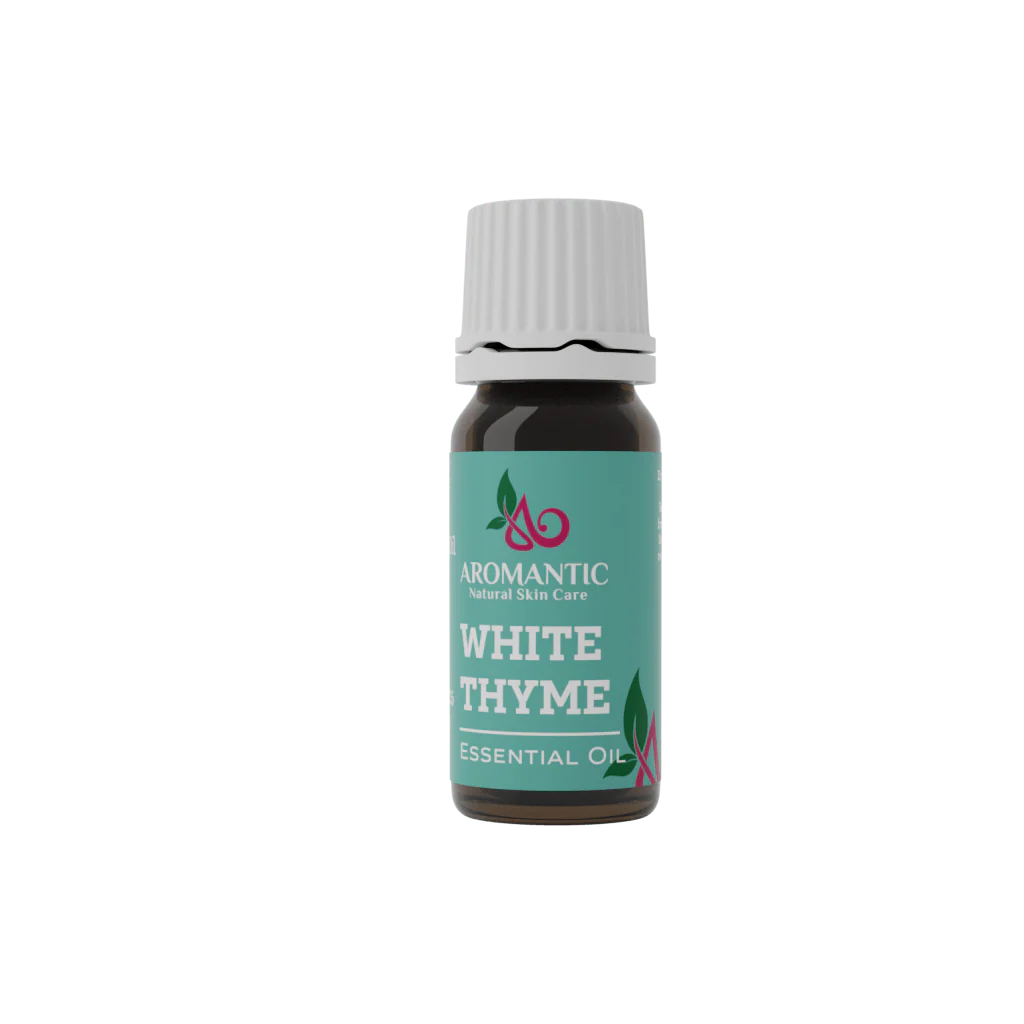
As oestrogen declines your scalp produces less oil and the microbial balance that oil used to maintain shifts with it. Many women develop itching and flaking in their forties and fifties for the first time for that reason. Thyme essential oil is antimicrobial and anti-inflammatory, it keeps microbial balance under control. That results in the reduction of the inflammation around the follicle that causes hair follicles miniaturisation thus reducing hair thinning.
Chemotype of Thyme essential oil matters here. The thymol and carvacrol chemotypes are potent but far too harsh for scalp use. GIve preference to Thyme ct. linalool, at small percentages, in a rinse-off or well-diluted blend.
Tea Tree Essential Oil (Melaleuca alternifolia)
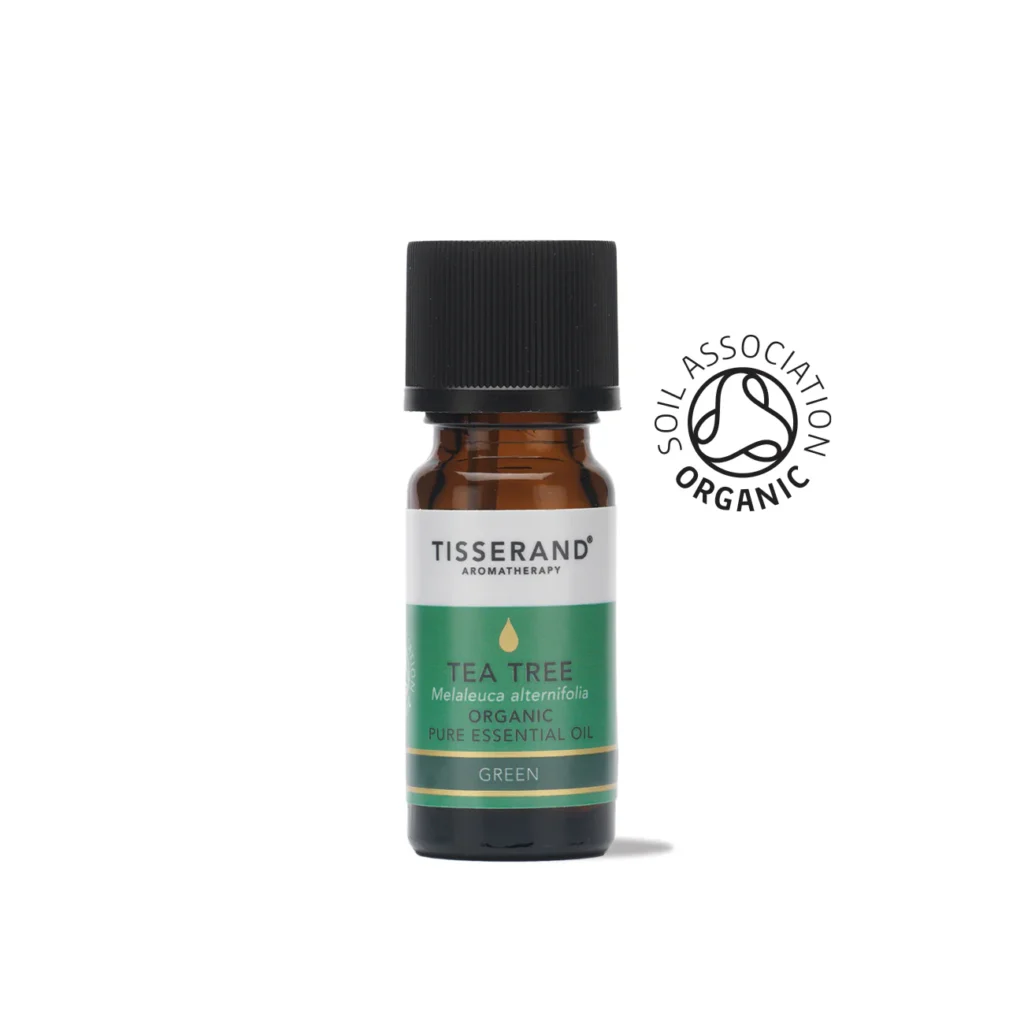
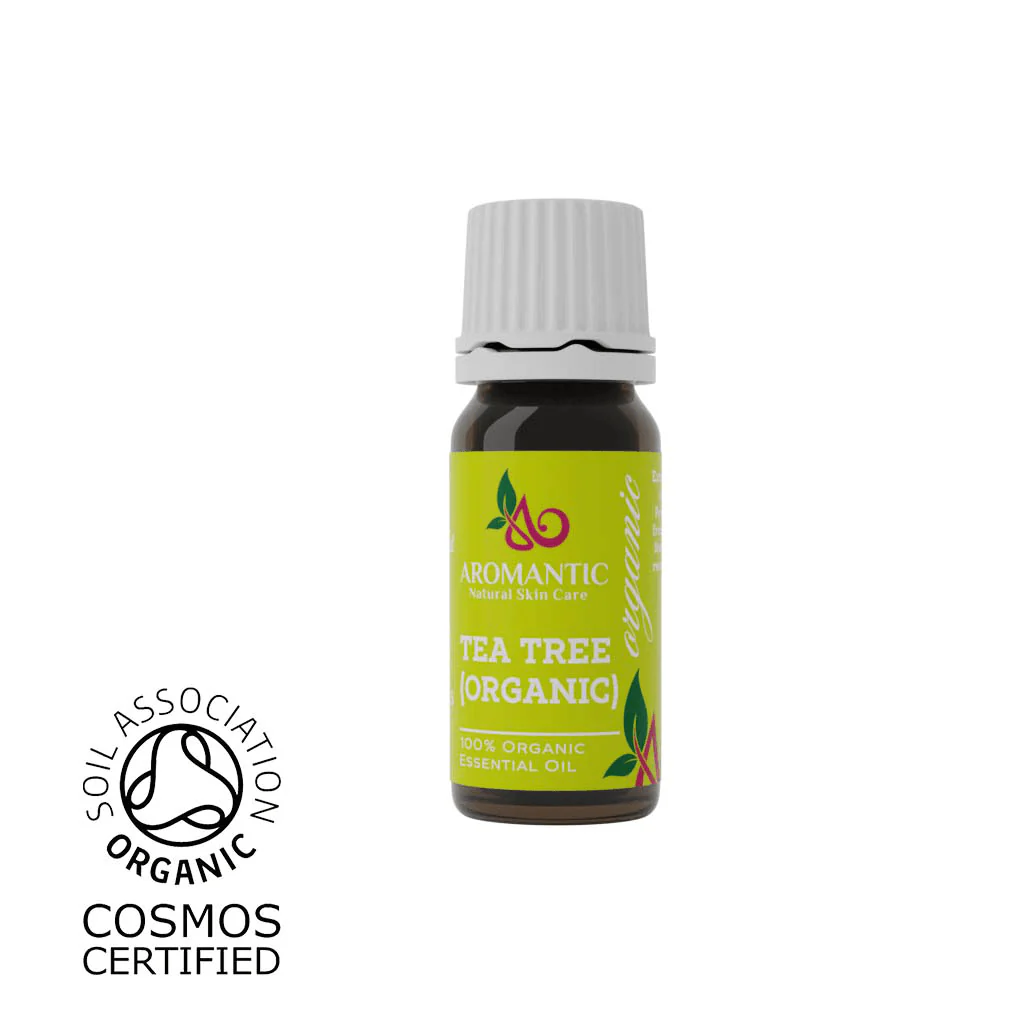
Reach for Tea Tree essential oil when flaking, itching or seborrhoeic dermatitis is part of your picture. An overgrowth of Malassezia yeast keeps the scalp persistently inflamed and, as we well know, inflammation accelerates follicle miniaturisation and pushes more hairs into shedding. The benefits of using Tea Tree essential oil are an end to scalp itching, less flaking and healthier follicles growing in skin that isn’t irritated.
Carrier Oils For Perimenopausal and Menopausal Hair
Most hair-oil articles reach for coconut, argan and castor. They’re good conditioners, but they do nothing about DHT, inflammation or a scalp that has lost its natural oil. The carrier oils I selected not only will condition your hair, but will also work on a specific part of the perimenopausal and menopausal hair problem.
Pumpkin Seed Carrier Oil (Cucurbita pepo)
Best for: slowing the thinning along your parting.
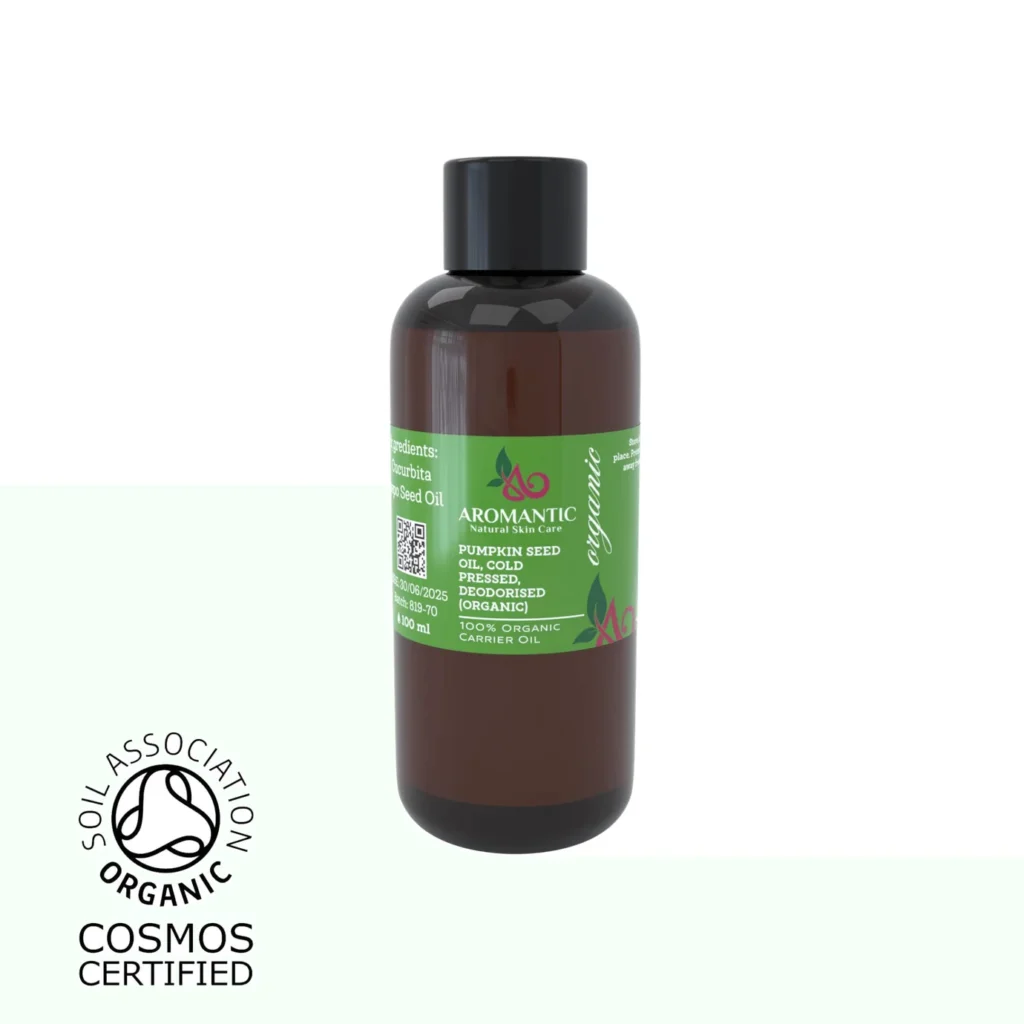
Pumpkin seed carrier oil is rich in plant sterols that inhibit 5-alpha-reductase, the enzyme that turns testosterone into DHT, and the one progesterone used to hold back. In a recent study 60 women with female pattern hair loss were asked to either apply 1 ml of pumpkin seed oil daily to the scalp or minoxidil 5% foam for three months. The Pumpkin seed oil group ended with significantly fewer fine, miniaturised hairs and significantly more upright regrowing ones. Buy cold-pressed and unrefined because the refining process strips out the sterols that make it work.
Black Cumin Seed Carrier Oil (Nigella sativa)
Best for: perimenopausal and menopausal shedding.
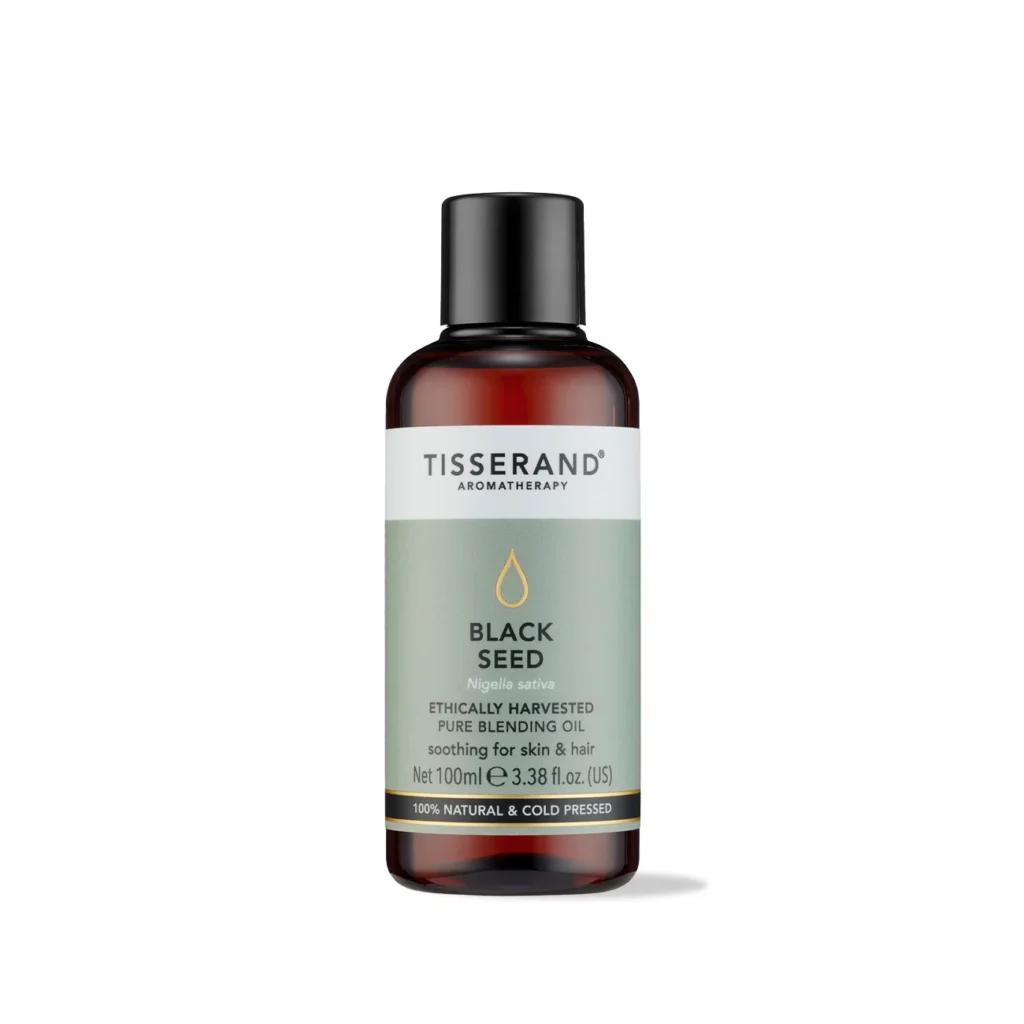
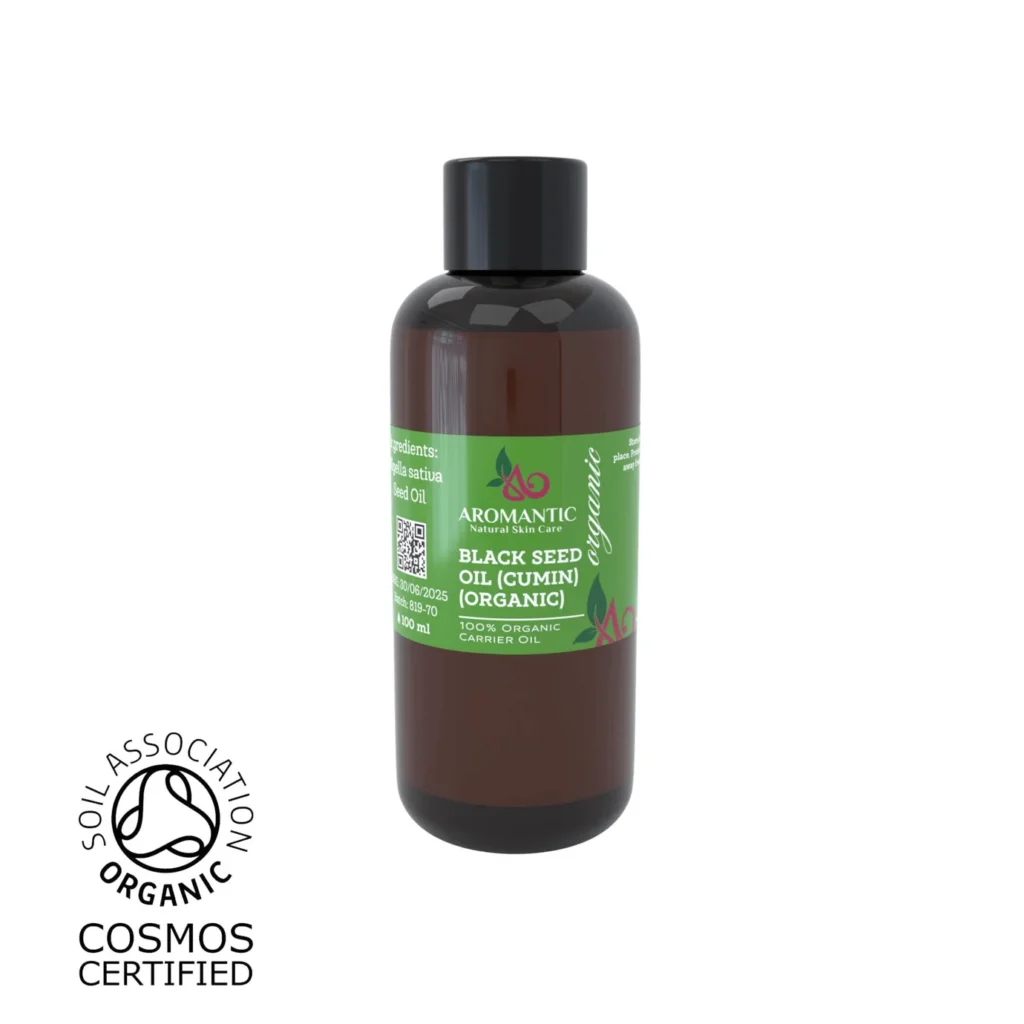
Key compound of Black cumin seed carrier oil, also sold as Black seed carrier oil, is thymoquinone. It calms inflammation around the follicle and blocks prostaglandin D2, a compound that stops follicles from growing and usually found at raised levels on thinning scalps. In a study 70% of people who were using a black cumin lotion for three months showed increased hair density and thickness. The oil is potent so use it at 10–20% of a blend.
Sea Buckthorn Berry Carrier Oil (Hippophae rhamnoides)
Best for: a dry, tight, thinning scalp.
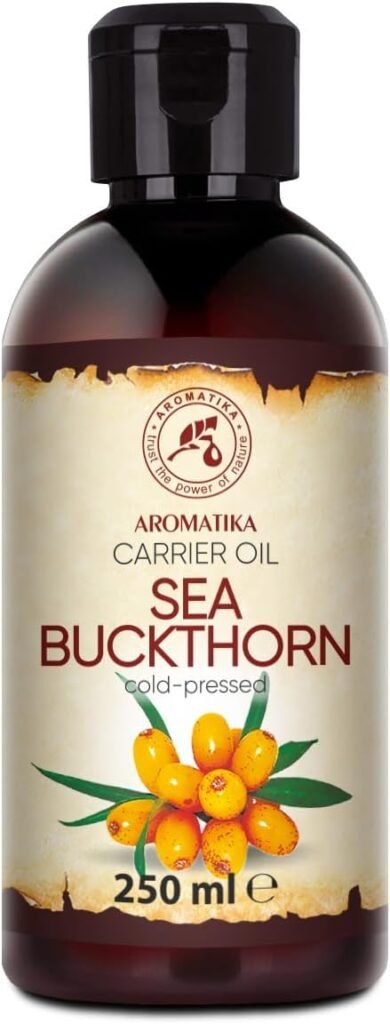
Sea Buckthorn carrier oil is one of the richest sources of omega-7, a fatty acid that helps to maintain healthy skin barrier and which our bodies make less efficiently after 45. As oestrogen falls, the scalp produces less oil and loses moisture. Omega-7 from Sea Buckthorn oil helps rebuild that barrier, so follicles sit in nourished, comfortable skin rather than dry, irritated skin. As a result scalp feels less taut and there’s less flaking, plus it boosts healthy growth. Buy the berry or pulp oil, which is deep orange — the golden seed oil contains no omega-7. It tints pale and grey hair, so keep it to 5% in leave-on blends.
Broccoli Seed Carrier Oil (Brassica oleracea italica)
Best for: stopping breakage so you keep your length.
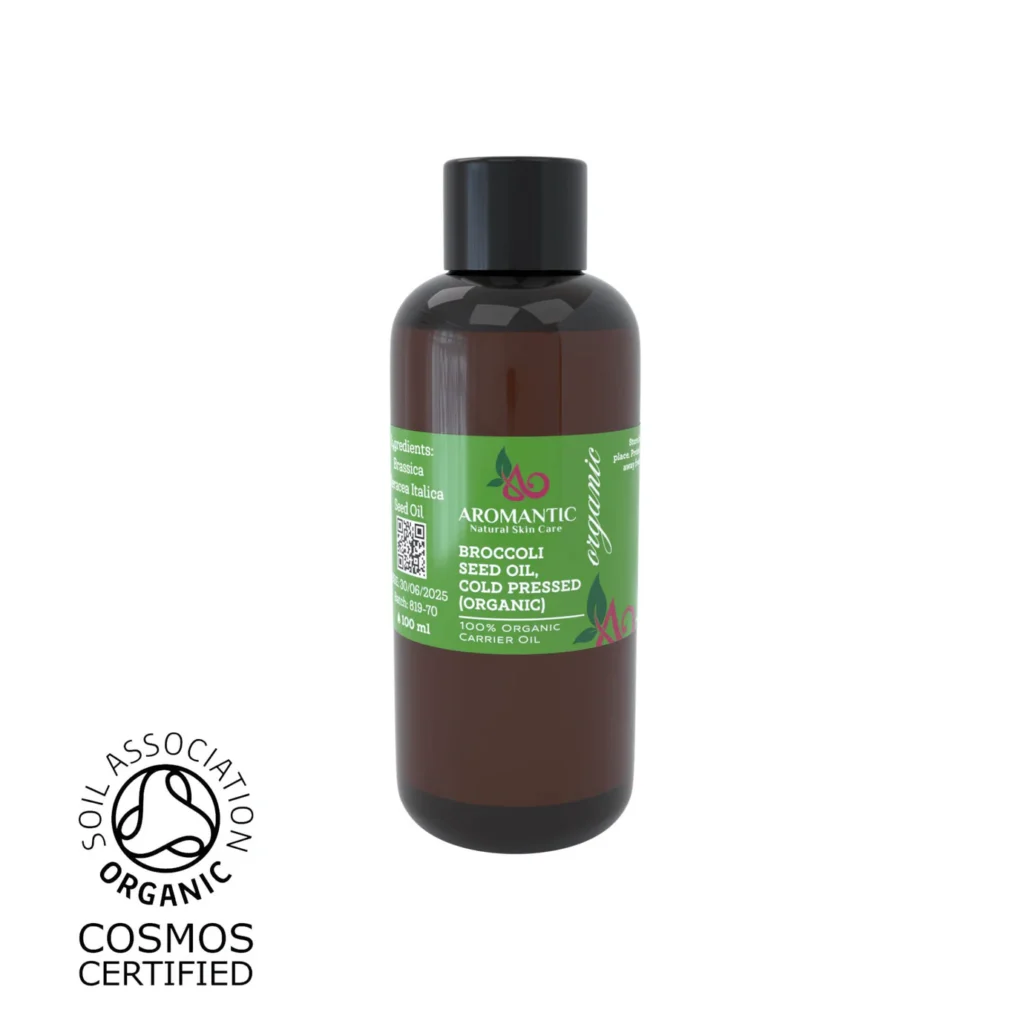
A large share of what looks like thinning is hair snapping before it reaches length. Perimenopausal and menopausal hair snaps even more easily because it’s drier, finer, more fragile. Broccoli seed oil coats each strand in a light, silky film that behaves remarkably like silicone, but washes out cleanly without build-up. That protection cuts friction from brushing, pillows and styling. That is why you’ll have fewer broken hairs, more retained length, visibly fuller ends and a natural shine on hair that has turned dull.
Abyssinian Carrier Oil (Crambe abyssinica)
Best for: a leave-on scalp serum that won’t weigh fine hair down.
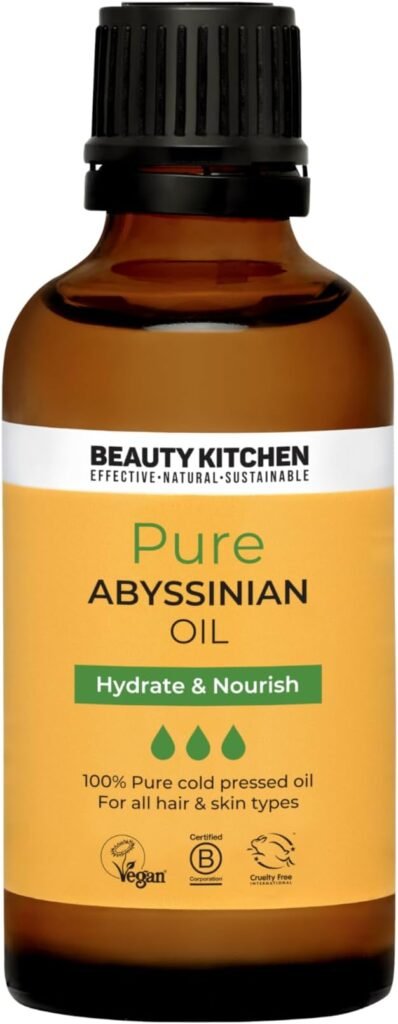
Abyssinian carrier oil is exceptionally light and absorbs to a dry, silky finish, which makes it the ideal base for a serum for thinning hair you leave on overnight. It carries the active oils and essential oils to the scalp without coating the hair. Using this oil as a base for a nightly scalp treatment results in smooth hair next morning without flat roots.
Baobab Carrier Oil (Adansonia digitata)
Best for: an itchy, flaky or irritated scalp.
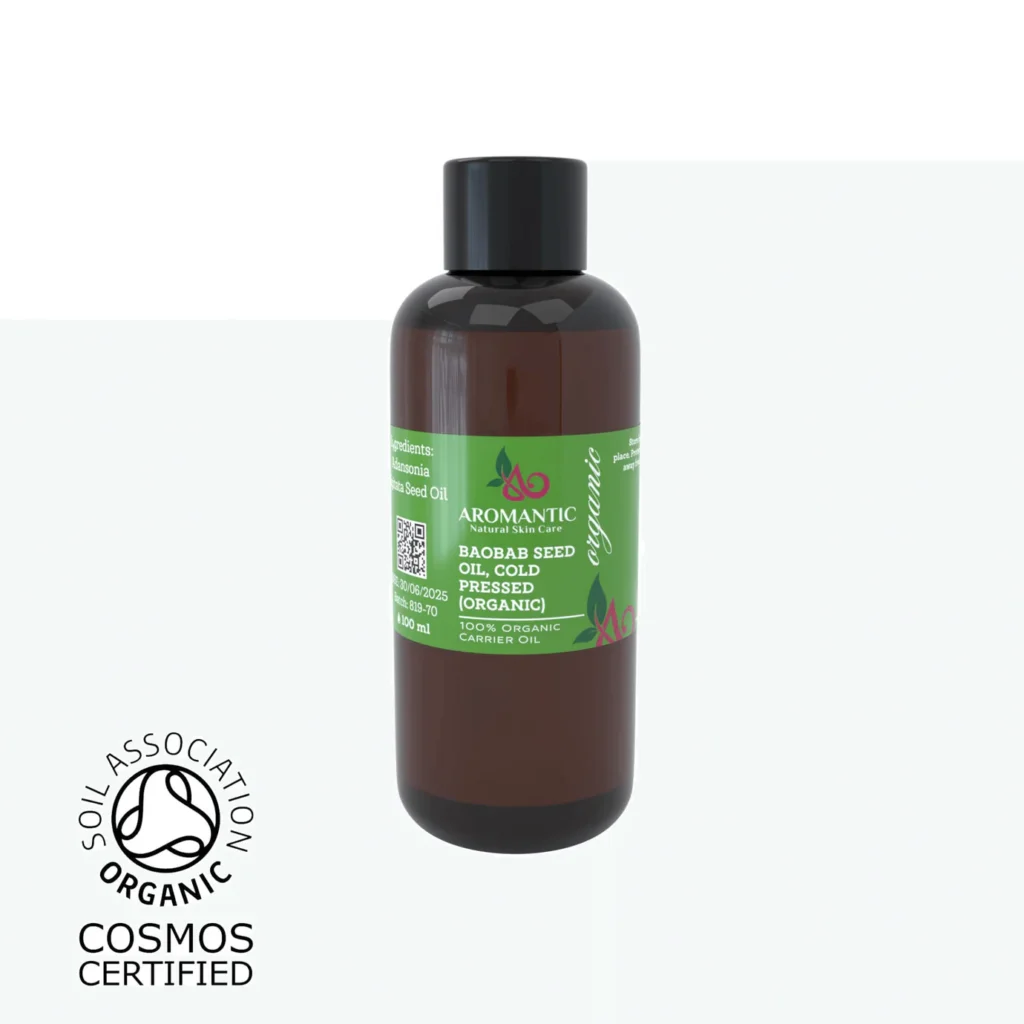
Many women find their scalp grows more sensitive as oestrogen declines and it feels tight after washing, itchy, sometimes flaky. Baobab carrier oil is balanced in omega-3, 6 and 9 fatty acids and rich in vitamin E. They soothe irritation and help restore the scalp’s natural moisture. The oil is light, not greasy and absorbs quickly. It’s also very stable so it won’t turn rancid quickly. It’s gentle enough for daily use, even on the most reactive scalps.
Camellia Seed Carrier Oil (Camellia oleifera)
Best for: coarse, dry, straw-like lengths.
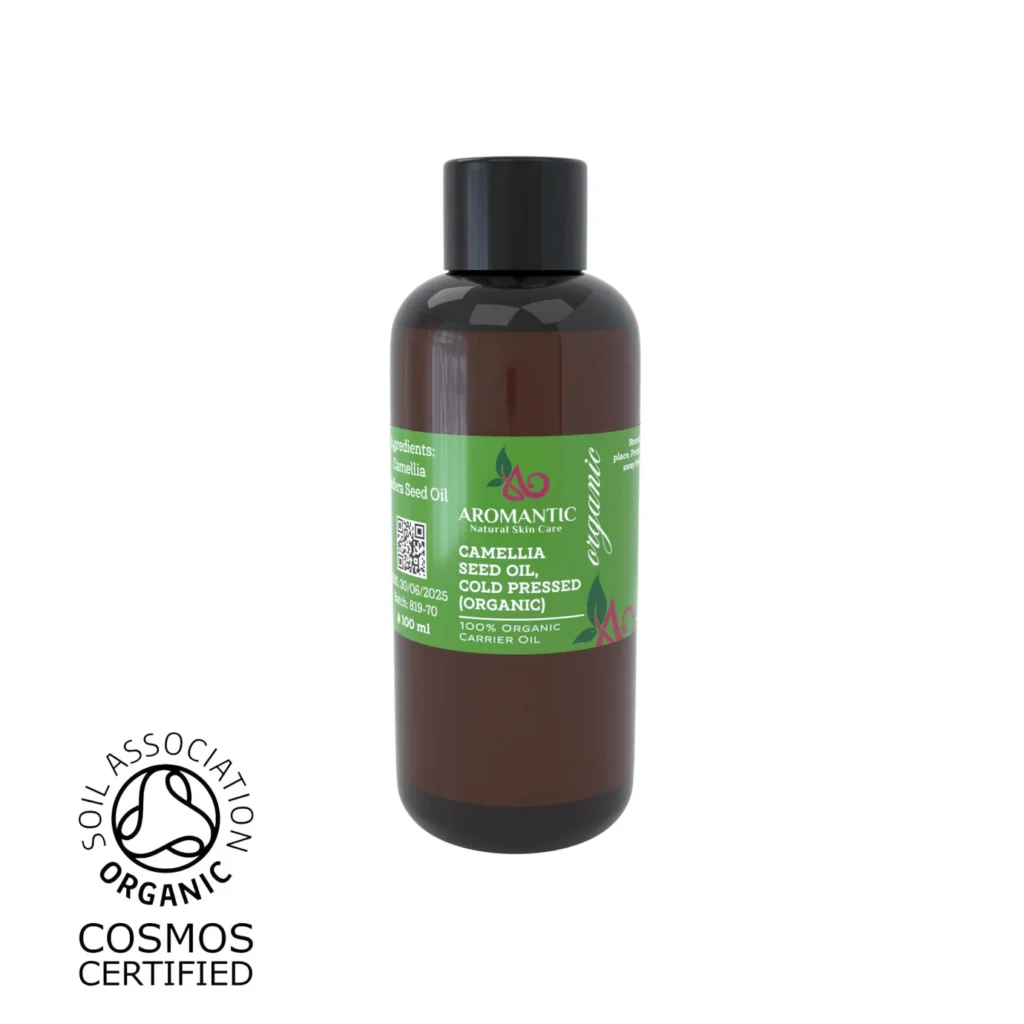
Thinning hair often changes its texture too with the ends turning rough and brittle, especially as grey hairs come through. Camellia seed oil, which is the traditional Japanese hair oil by the way, is rich in oleic acid. It penetrates the hair shaft rather than sitting on the surface thus it softens hair from within and helps it hold on to moisture between washes. Hair gets smoother with more flexible strands, have less splitting at the ends and it acquires a soft, natural sheen. Smooth a few drops through the mid-lengths and ends after styling.
DIY Oil Blends For Perimenopausal And Menopausal Hair
Nightly Scalp Serum
Ingredients:
How to make: Combine the four carriers in a 50 ml dropper bottle, add the essential oils, cap and invert to blend.
How to use: Part the hair in sections, apply directly to the scalp, not the lengths, and massage with the pads of your fingers, moving the scalp against the skull rather than dragging fingertips through hair.
Weekly Pre-Wash Treatment
Ingredients:
How to make: Combine the carrier oils, add the essential oils and shake well before each use. How to use: Work through the scalp first, then the mid-lengths and ends. Expect to shampoo twice.
How Long Before You See Any Changes
This is where most people give up, so know the timeline before you start. Hair grows about 1 cm a month and a follicle nudged out of resting phase this week won’t produce visible hair above the scalp for around three months. Any honest assessment of whether something is working needs six months minimum, which is how long the rosemary trial ran.
Take a photograph of your parting now, in daylight, from directly above. Take another one on the same day each month, in the same light. Your memory of what your hair looked like in March is not evidence; the photograph is.
Final Thoughts
Perimenopause and menopause come with loads of changes, including how our hair looks and behaves. Luckily, we can keep it healthy and thriving by using natural oils. Carefully selected oils reduce scalp inflammation and create comfortable environment for healthy growth, prevent snapping and encourage hair strands to reach their full lengths.
It is possible to have healthy hair even when you go through important hormonal change. Consistency is the key and it beats intensity every time. Three nights a week for six months will do more than an ambitious daily routine you abandon after a couple of weeks. Don’t underestimate a massage itself. Few minutes of a regular massage is not the part to skip, it may well be giving as much benefit as any oil you apply with it.
The best way to prove it works and to see results yourself is by documenting your journey. And I speak from experience as I did it myself. My hair changed dramatically since I started to treat it how it deserves. Take pictures and enjoy the process! Leave a comment below what oil you’ll try first, I’d love to hear from you.
Disclaimer: This post contains affiliate links. If you purchase through these links, I may earn a small commission at no extra cost to you — it helps me keep creating free content. I only ever recommend products I personally use and trust. This information is for educational purposes only and is not intended to diagnose, treat, cure, or prevent any disease. Always patch test new ingredients, and consult with a healthcare provider if you have specific skin conditions or concerns. If you’re pregnant, nursing, or on medication, check with your doctor before using essential oils.