Essential Oils for the Sunday Scaries: Calming Blends for Anticipatory Anxiety
If suddenly you start feeling unease on Sunday evening, you’re not alone. Sunday Night Anxiety is a real thing and requires a close look to understand what is behind it and what you can do to help yourself.
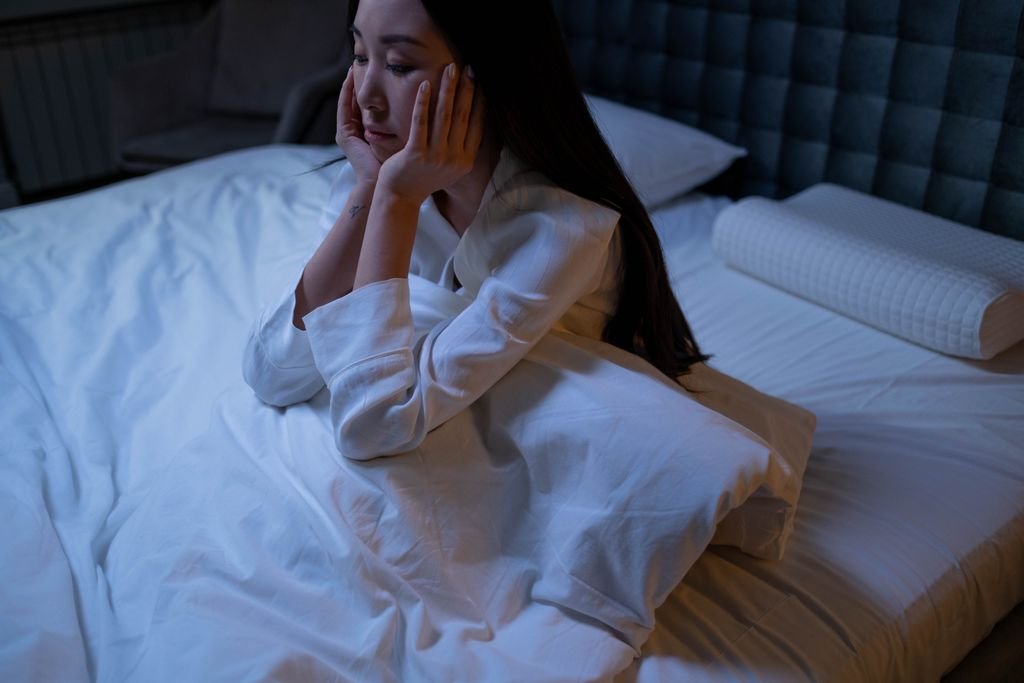
It’s Sunday, 6:00 PM. The weekend isn’t over yet, but mentally you’ve already checked out of relaxation and checked into tomorrow’s inbox. Your heart rate picks up, a tight knot forms in your stomach and an underlying sense of dread creeps in over work, deadlines, or upcoming responsibilities.
If this sounds familiar, you are far from alone. Often referred to as the “Sunday Scaries” or “anticipatory anxiety,” the Sunday-night feeling is a widespread experience that affects millions of people every week.
While essential oils won’t clear your inbox or reschedule your Monday morning meetings, aromatherapy offers a grounded, sensory ritual to help calm your nervous system, shift your brain out of fight-or-flight mode and bring you back into the present moment. In this guide, I’ll explore why the Sunday-night feeling happens, the science behind essential oils for stress and the best blends and recipes to reclaim your Sunday evenings.
What Is The Sunday-Night Feeling?
The Sunday-night feeling, or anticipatory anxiety, is a surge of stress, apprehension and restlessness that typically sets in as Sunday afternoon transitions into evening. Unlike reactive anxiety, which happens in response to a direct, present threat, anticipatory anxiety is focused entirely on the future. It is your brain’s response to predicting stress, unpredictable situations or workload pressure before those events actually take place.
Common Symptoms Of Sunday Evening Anxiety
Physical: Racing heart, tight chest, muscle tension, stomach upset, trouble falling asleep.
Emotional: Irritability, persistent worry, impending sense of dread, mood shifts.
Cognitive: Mental fatigue, difficulty focusing on weekend activities or obsessively running through worst-case scenarios for the coming week.
Why Is It Happening?
To manage anticipatory anxiety, first of all we have to understand what triggers it. The Sunday night slump isn’t just “in your head”. It’s a complex physiological and psychological reaction driven by several overlapping factors:
The Sudden Shift in Cognitive State
Throughout the weekend, your mind transitions into a lower-stress, autonomous schedule. On Sunday afternoon, your brain begins anticipating the rigid structure, high cognitive demand and productivity required for the workweek. This rapid shift triggers a spike in cortisol which is the stress hormone. High cortisol is behind the sleepless nights, and what’s the worse, it’s also responsible for the premature ageing of you skin. Read How High Cortisol Ages Your Skin Faster for full details.
Disrupted Sleep Hygiene (The “Social Jetlag” Effect)
Staying up later and sleeping in on Friday and Saturday nights shifts your body’s circadian rhythm. When you try to go to sleep early on Sunday night to get a fresh start for Monday, your internal clock rebels, resulting in insomnia and increased evening worry.
Loss of Autonomy
Weekends represent freedom and choice; workweeks represent structure and obligation. The anxiety you feel on Sunday evening is often a subconscious reaction to losing control over your time for the next five days.
How Essential Oils Can Help With Sunday Scaries: Science Behind Aromatherapy
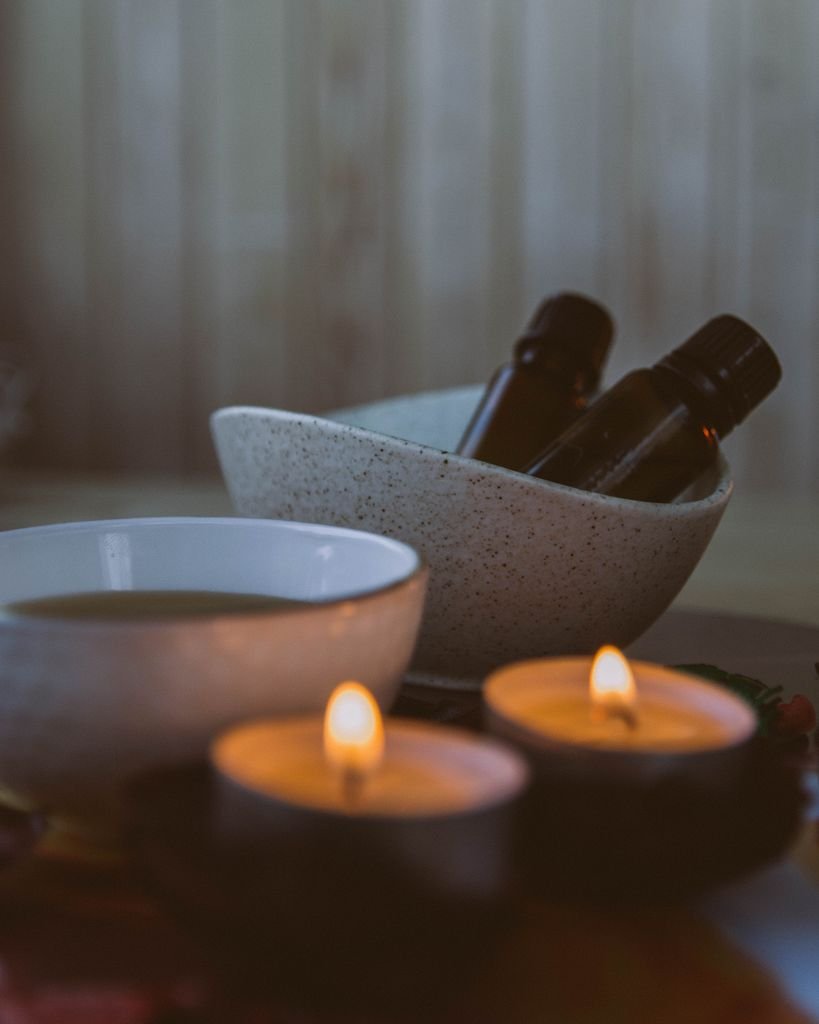
Scent takes a shortcut to the emotional brain. Smell is the only sense that reaches the limbic system, which is the region handling emotion and memory, including the amygdala, without being routed through the thalamus first. That’s why a scent can change how you feel before you’ve consciously identified it. Anticipatory anxiety is generated below the level of reasoning, so an intervention that also works below reasoning has a real advantage.
Certain molecules have measurable calming effects. Linalool and linalyl acetate, the dominant constituents in Lavender essential oil, are the clearest example: have been repeatedly associated with reduced anxiety markers, lower heart rate and improved sleep quality in inhalation studies. This is the best-evidenced area in the whole of aromatherapy.
The act of inhaling slows your breathing. Deliberate scent use makes you take a slow, deep breath through the nose and a long breath out. Extending the exhale stimulates the vagus nerve and shifts you towards the parasympathetic “rest and digest” state.
Ritual does the rest. This is the part people underrate. If you use the same blend every Sunday at 6pm, the scent becomes a cue. Within a month or so, the smell alone begins to trigger the settling response. You are deliberately building a conditioned reflex and it’s the single most powerful thing you can do with a bottle of oil.
The Best Essential Oils For Anticipatory Anxiety
Lavender Essential Oil (Lavandula angustifolia)
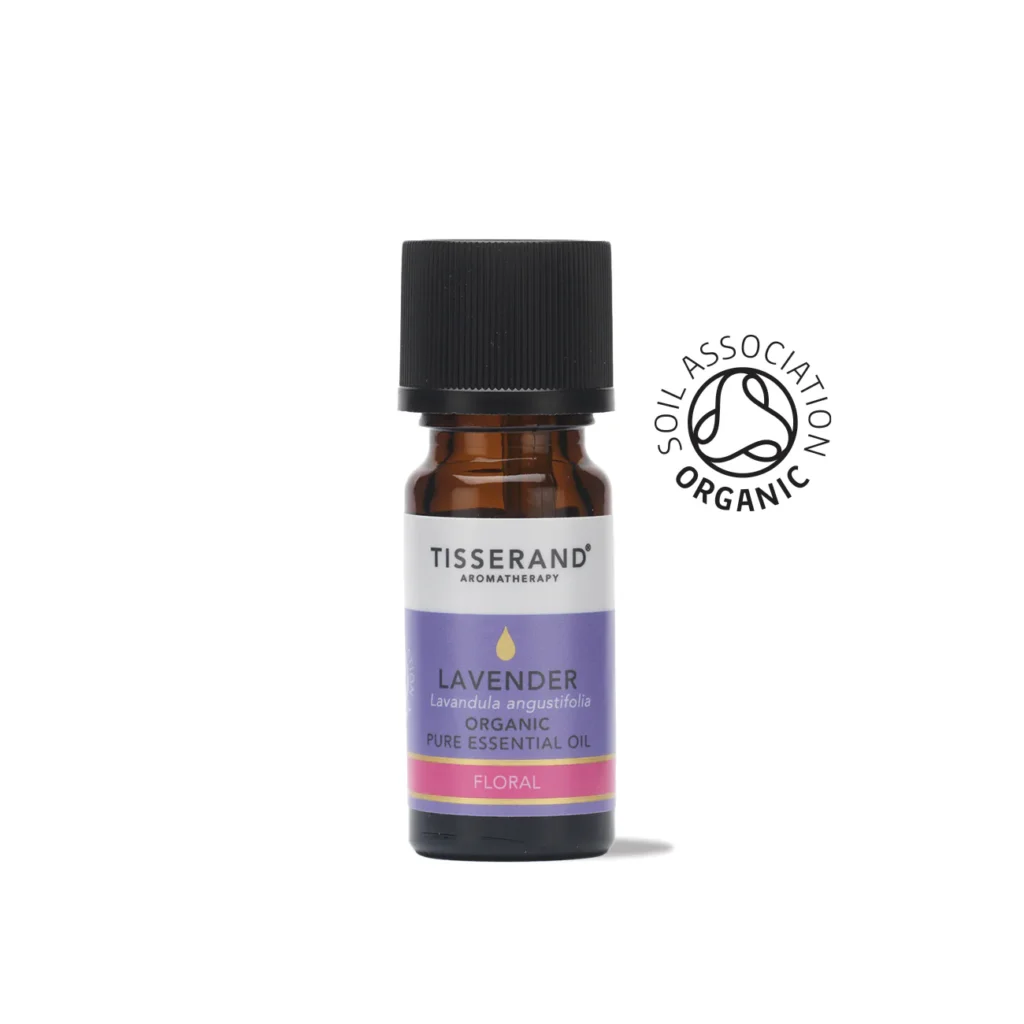
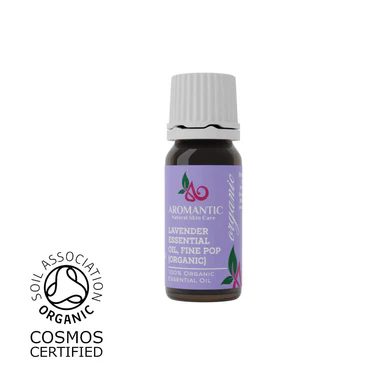
The most reliable place to start, with more research behind it for anxiety and sleep than any other oil on this list. It takes the edge off the physical symptoms, such as the racing pulse and shallow breathing, rather than sedating you outright. Buying note: you want Lavandula angustifolia, not spike lavender (L. latifolia), which is high in camphor and stimulating rather than calming.
Bergamot Essential Oil (Citrus bergamia)
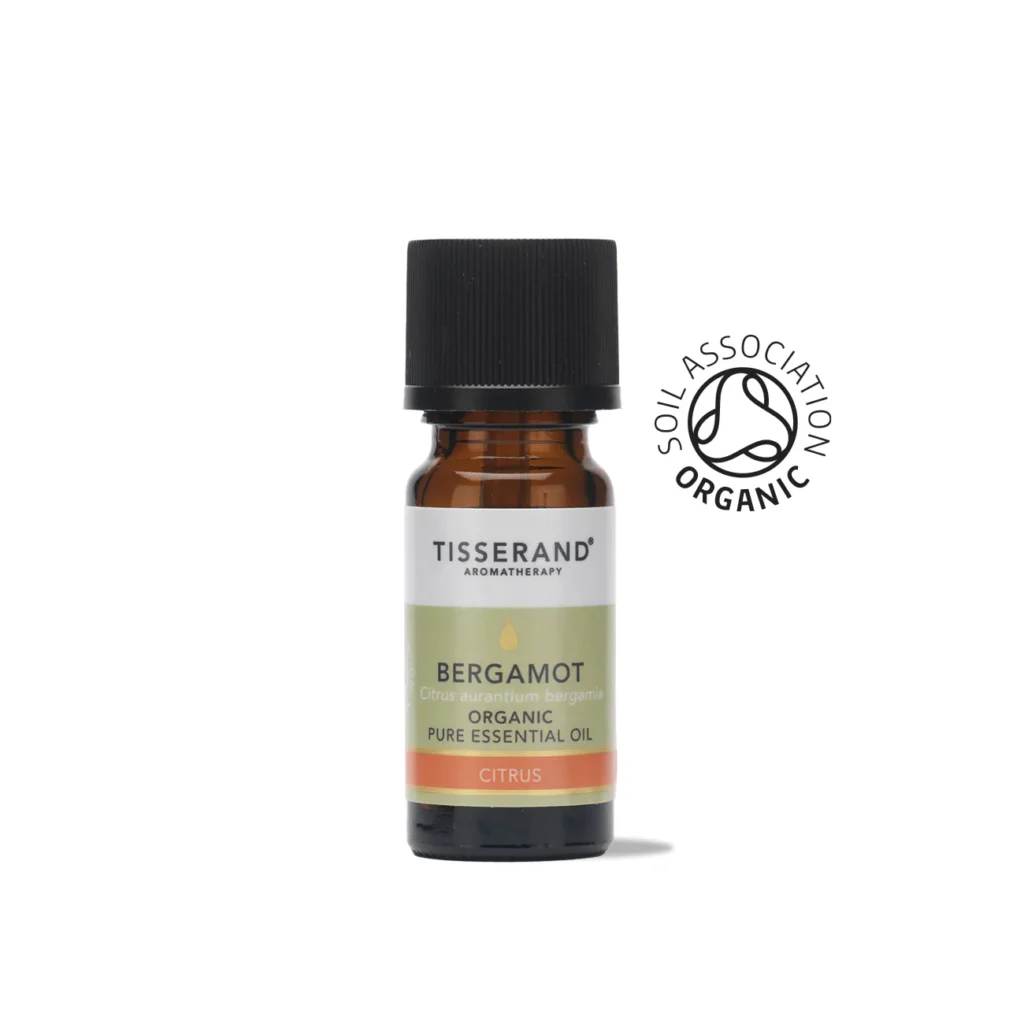
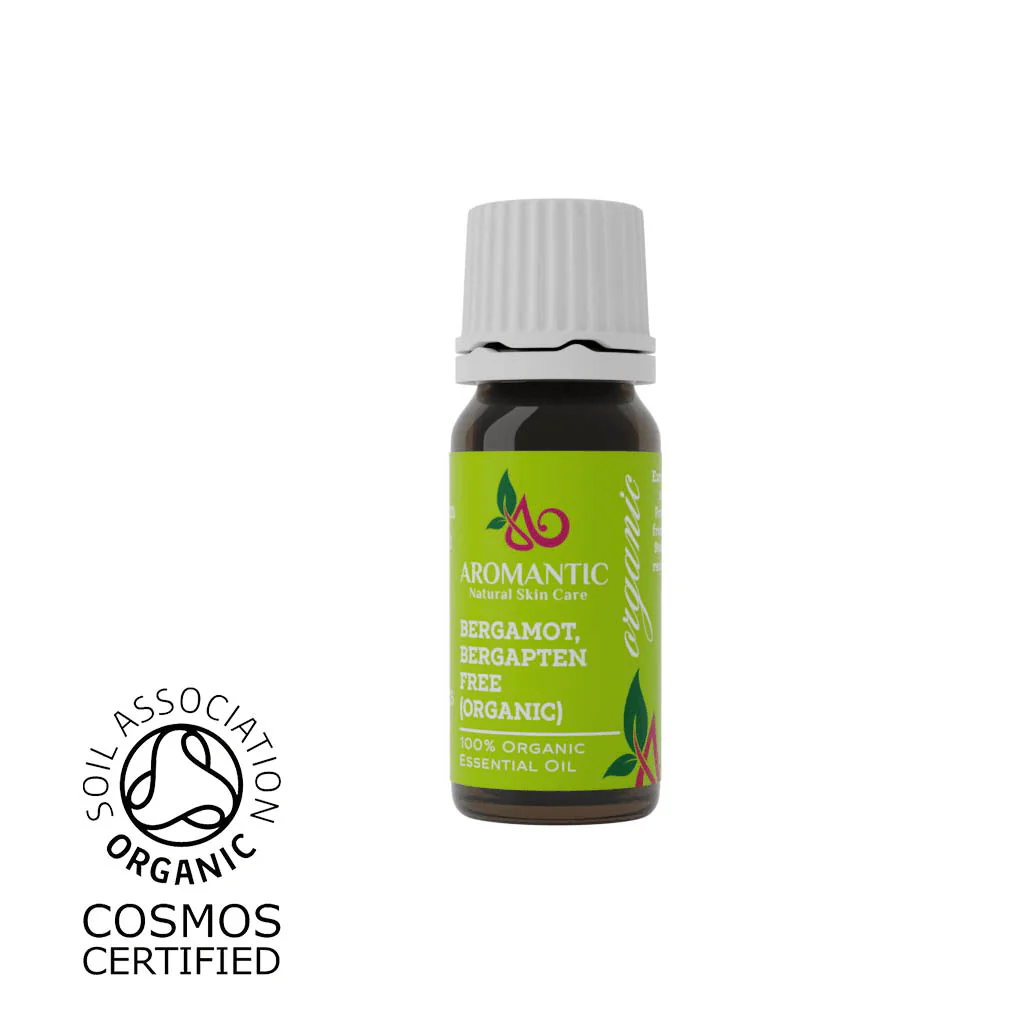
The oil I’d pick if I could only have one for the Sunday-night feeling specifically. It lifts mood and eases tension at the same time, which is unusual because most oils do one or the other. Buying note: buy bergapten-free (FCF) if it’s going anywhere near skin. Standard Bergamot essential oil is strongly phototoxic and can cause burns and lasting pigmentation on skin exposed to sunlight within 12 hours.
Roman Chamomile Essential Oil (Chamaemelum nobile)
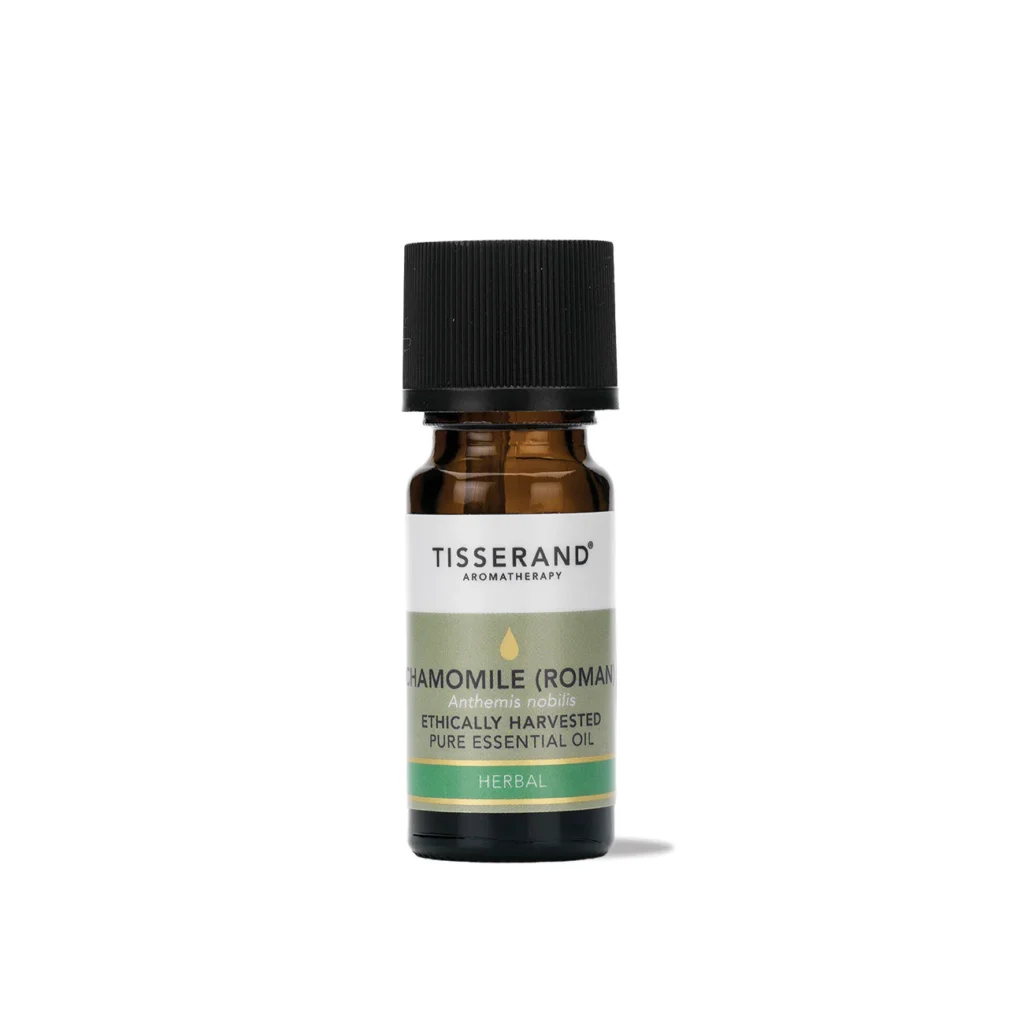
For the agitated, can’t-sit-still version of Sunday evening. Soft, sweetly herbaceous and genuinely soothing when the feeling has an edge of irritability to it. Expensive, so use it as a small percentage of a blend rather than the base.
Sweet Orange Essential Oil (Citrus sinensis)
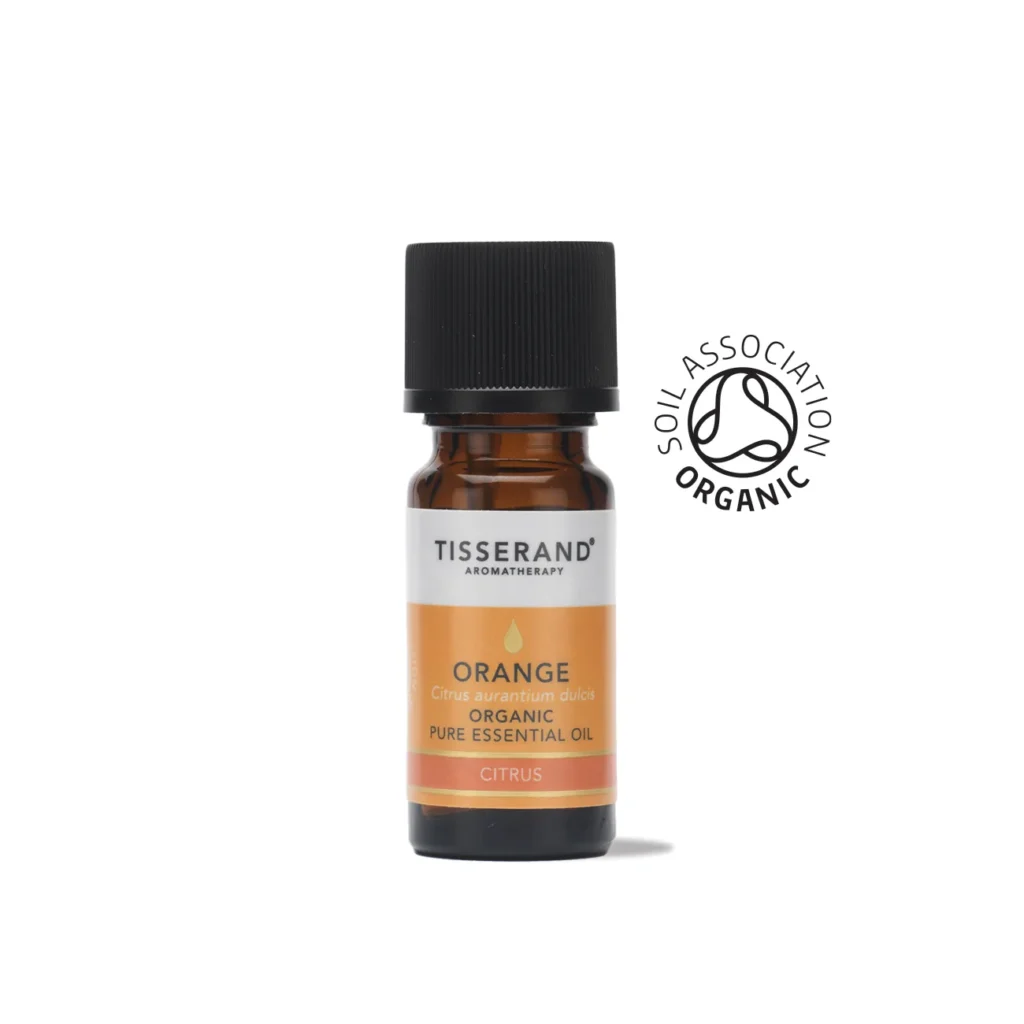
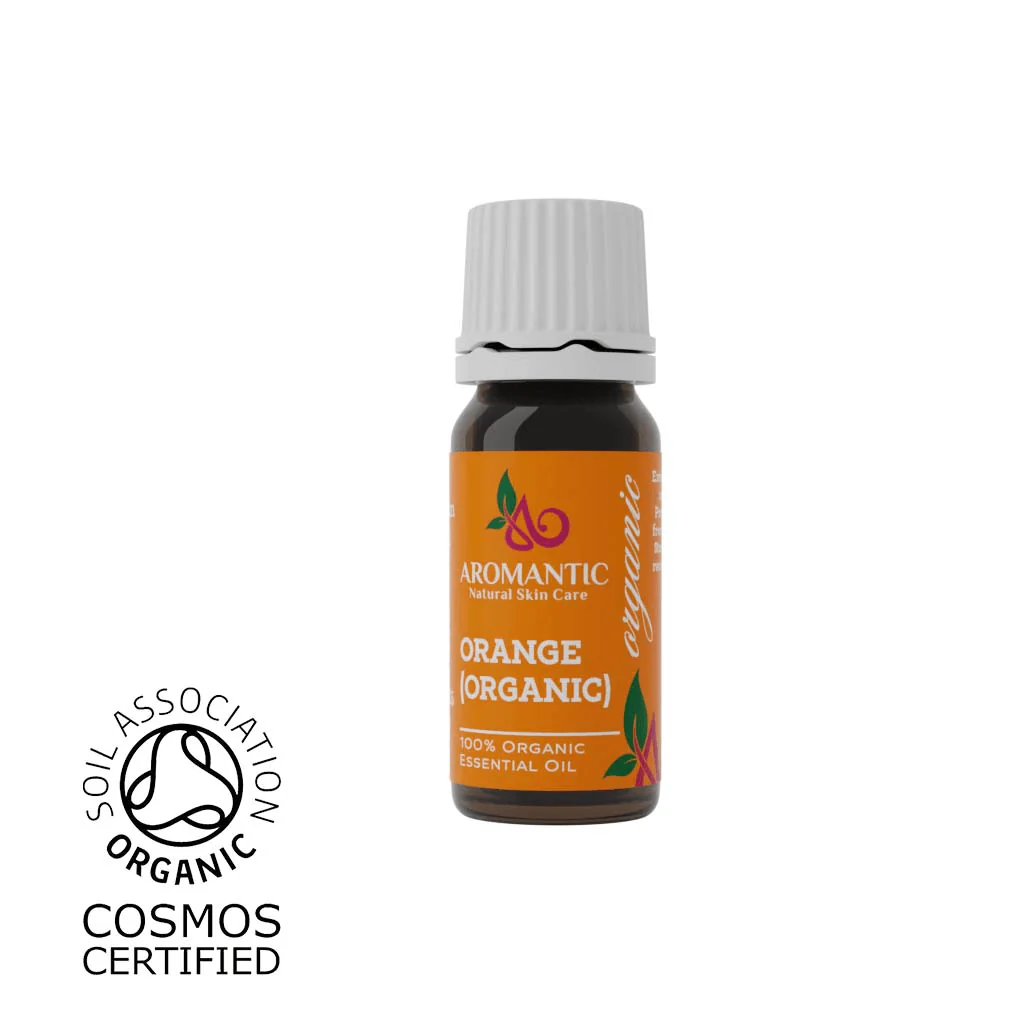
Cheap, universally liked and the easiest oil in the house to get other people on board with. Excellent in a diffuser for the early evening, when the aim is to keep the mood buoyant rather than send everyone to sleep. It also rounds out the sharp edges of heavier oils. Non-phototoxic, unlike most citrus essential oils.
Frankincense Essential Oil (Boswellia carterii)
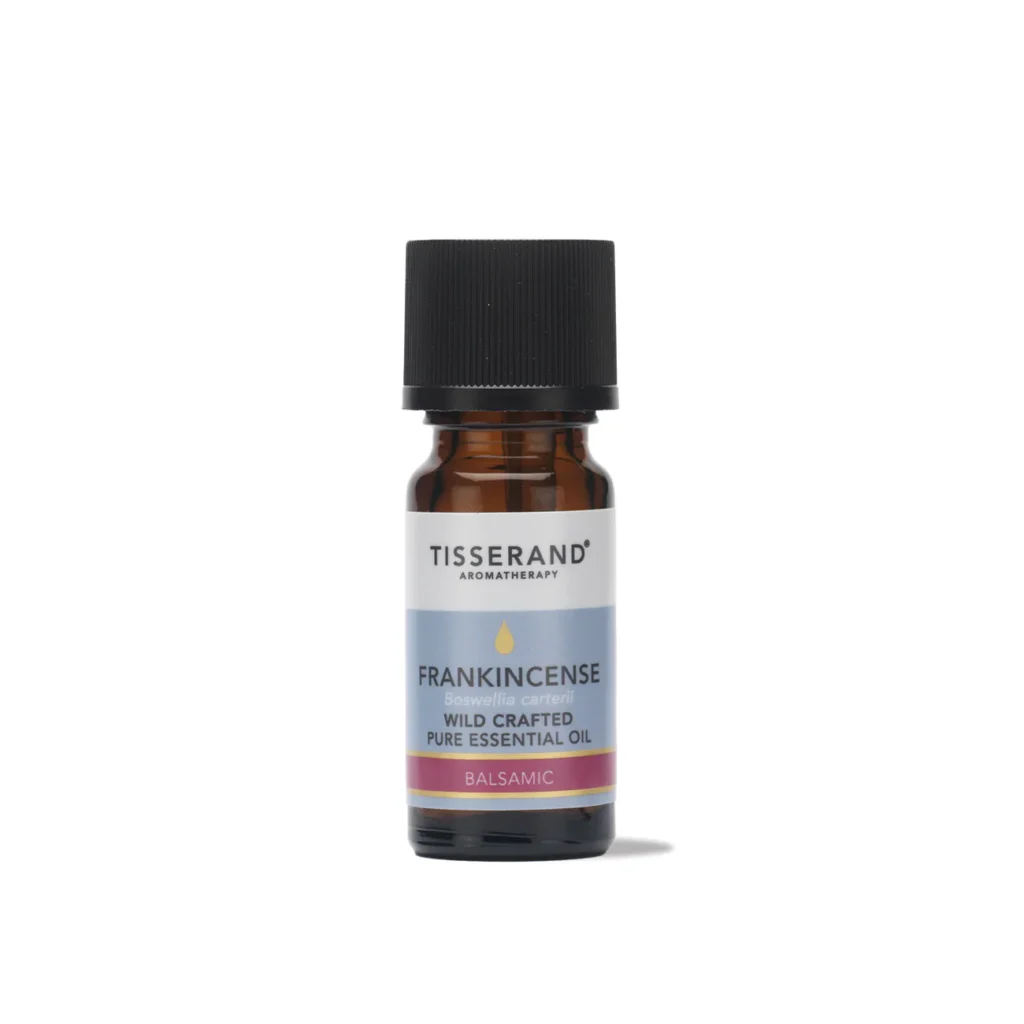
The breathing oil. Resinous, warm and slightly ancient-smelling, it seems to encourage deeper, slower breaths without any conscious effort. Best for when the anxiety feels like it’s sitting in your chest.
Vetiver Essential Oil (Vetiveria zizanioides)
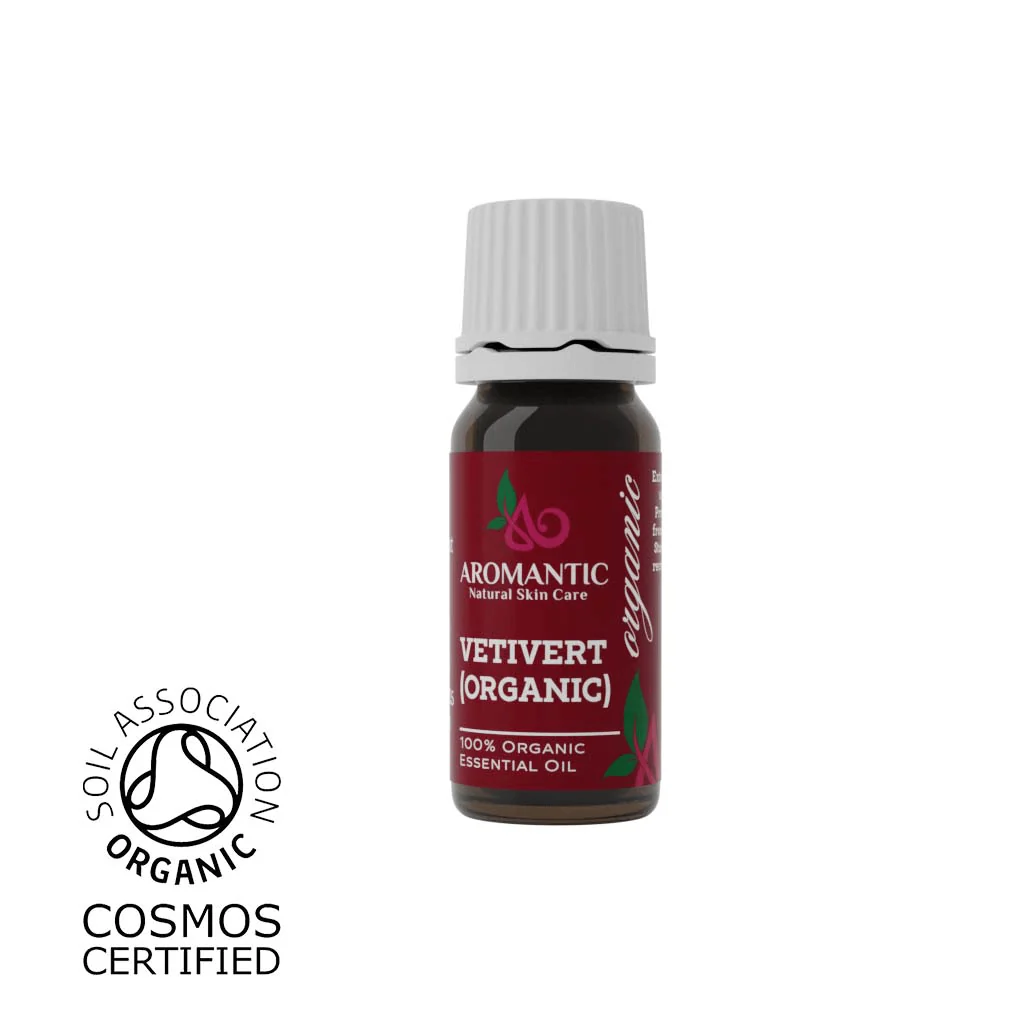
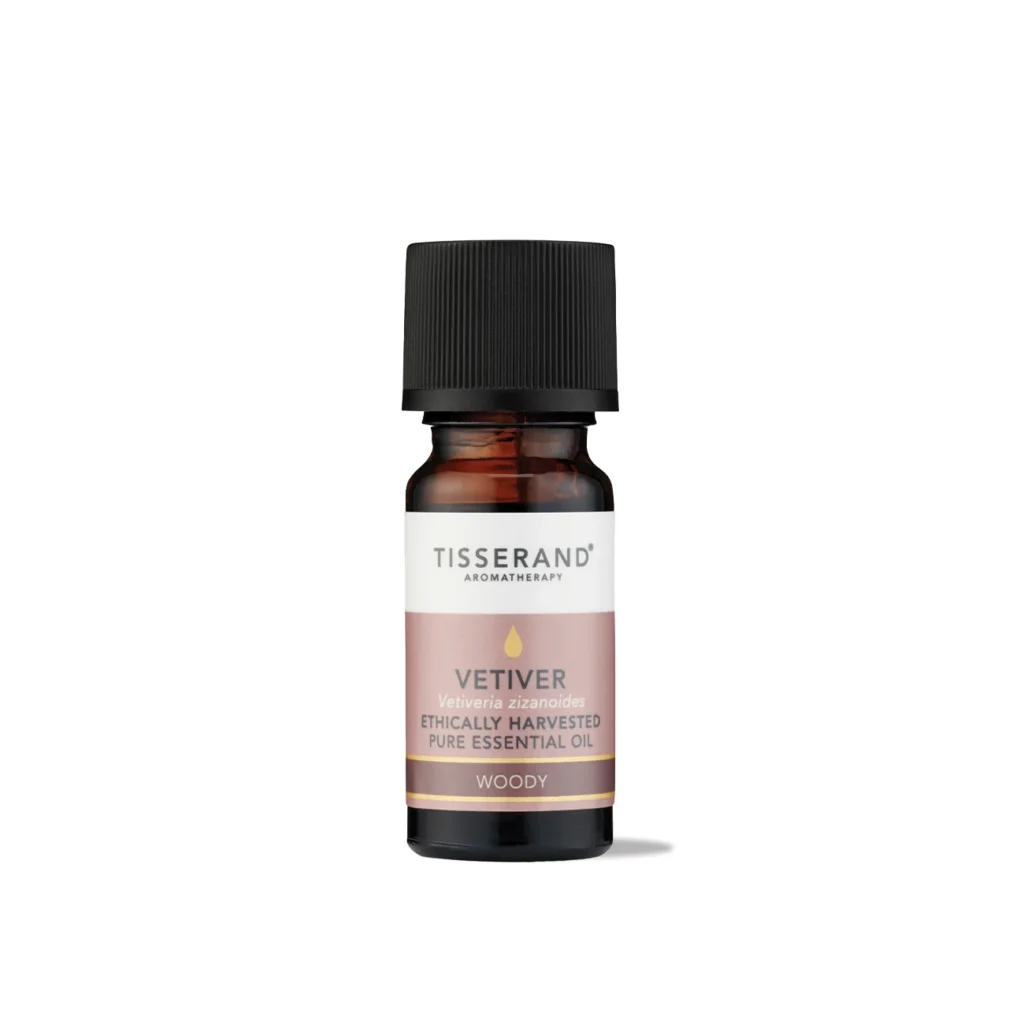
Deeply grounding, earthy and the one to reach for when your thoughts won’t stop circling. Formulating note: it’s thick, tenacious and dominant, so one or two drops will do a job.
Cedarwood Essential Oil (Atlas, Cedrus atlantica)
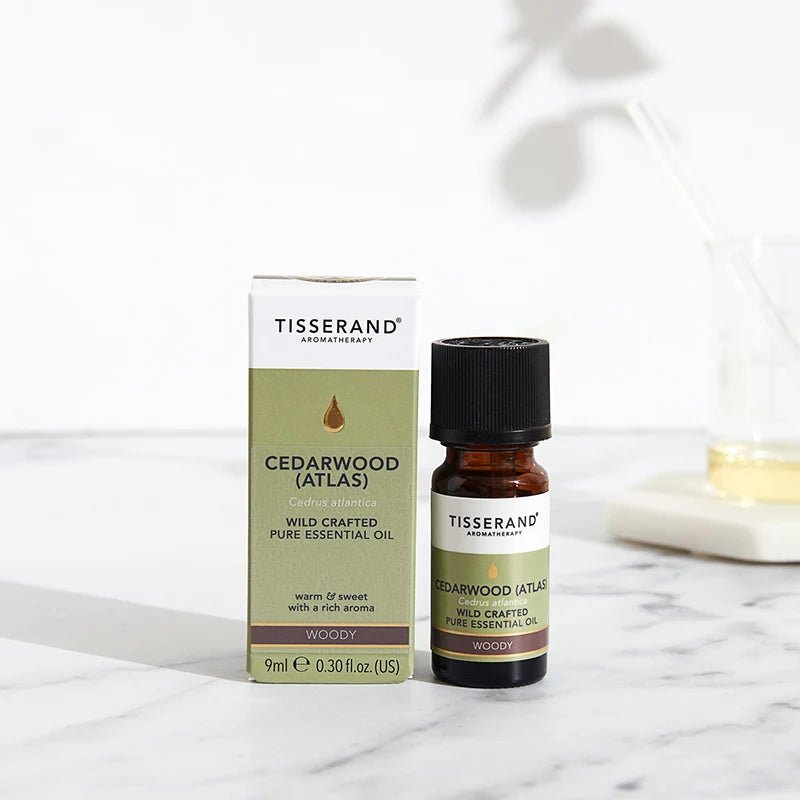
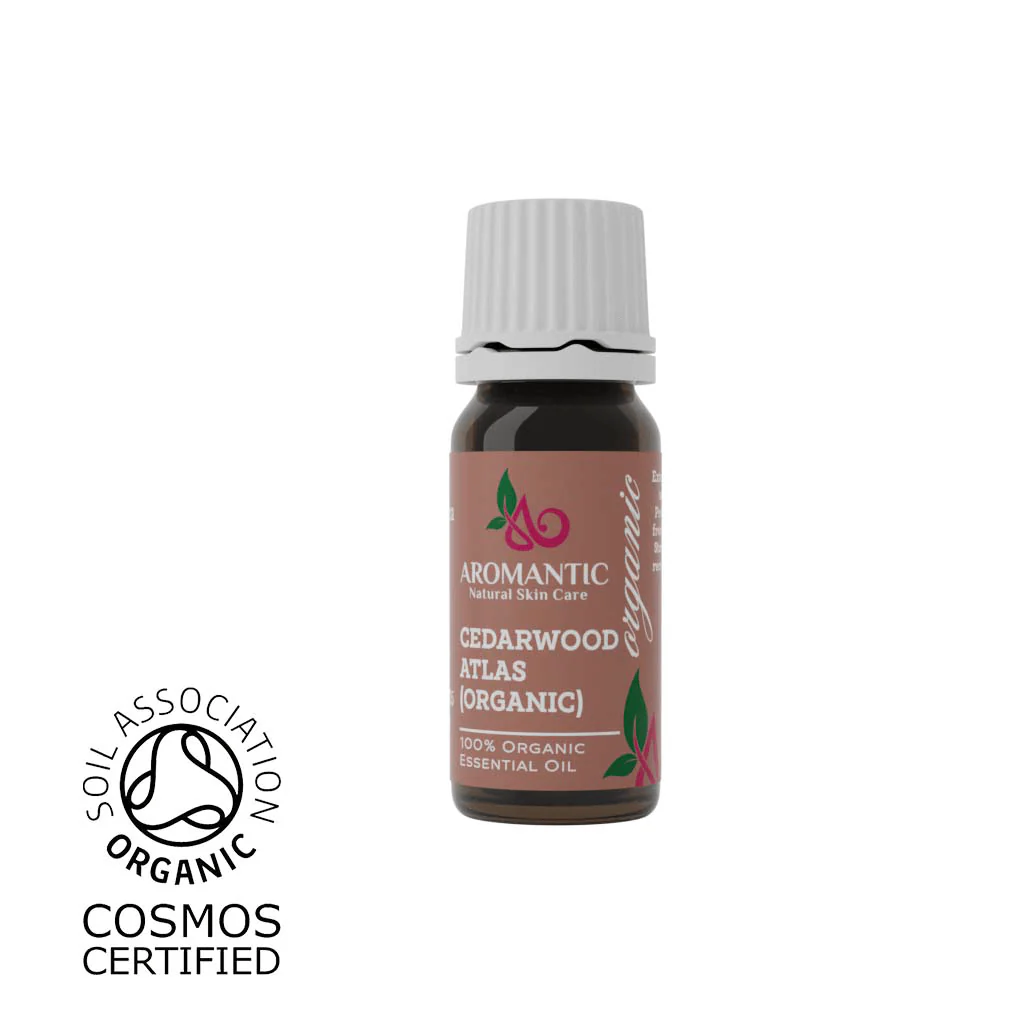
If Vetiver essential oil is too much or too expensive, Cedarwood oil does a similar grounding job for less money and with a softer, warmer, slightly woody-sweet character. Very good in evening diffuser blends and a natural fit with citrus essential oils.
Clary Sage Essential Oil (Salvia sclarea)
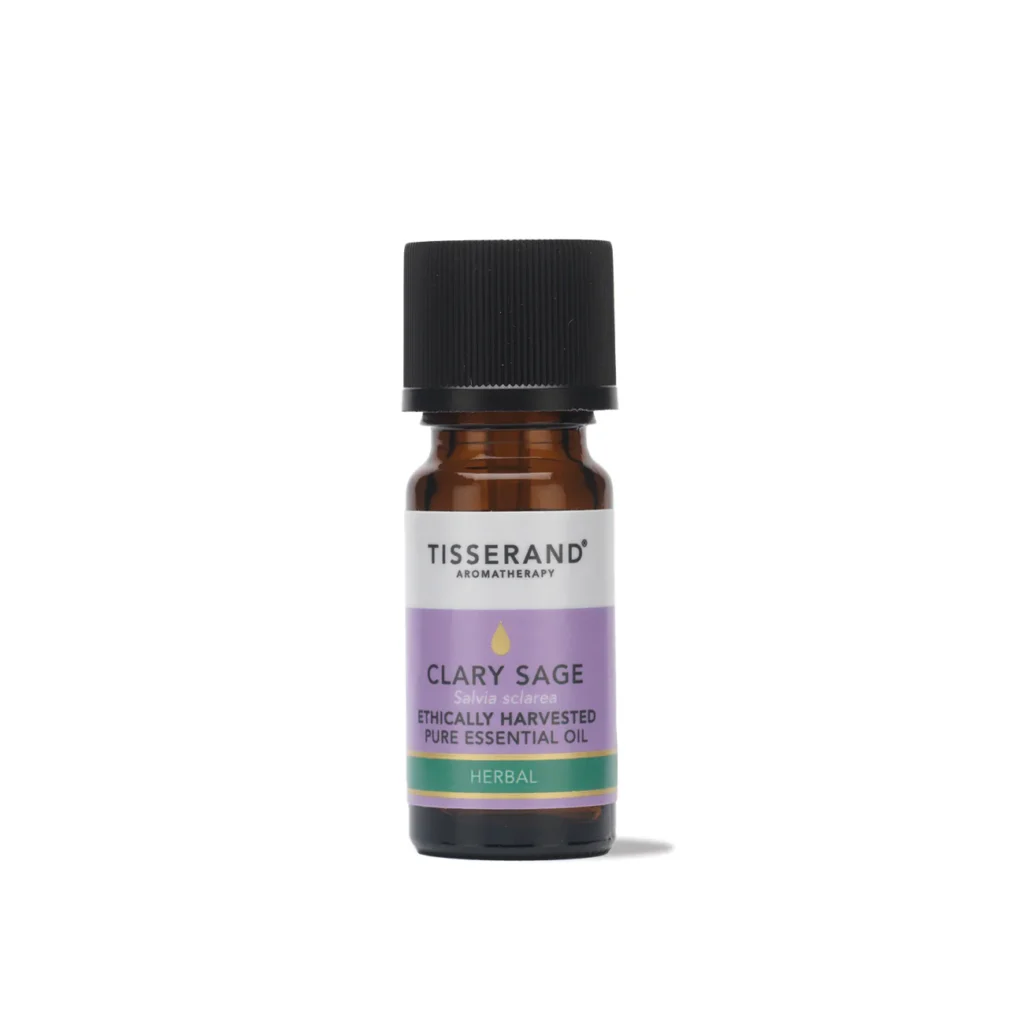
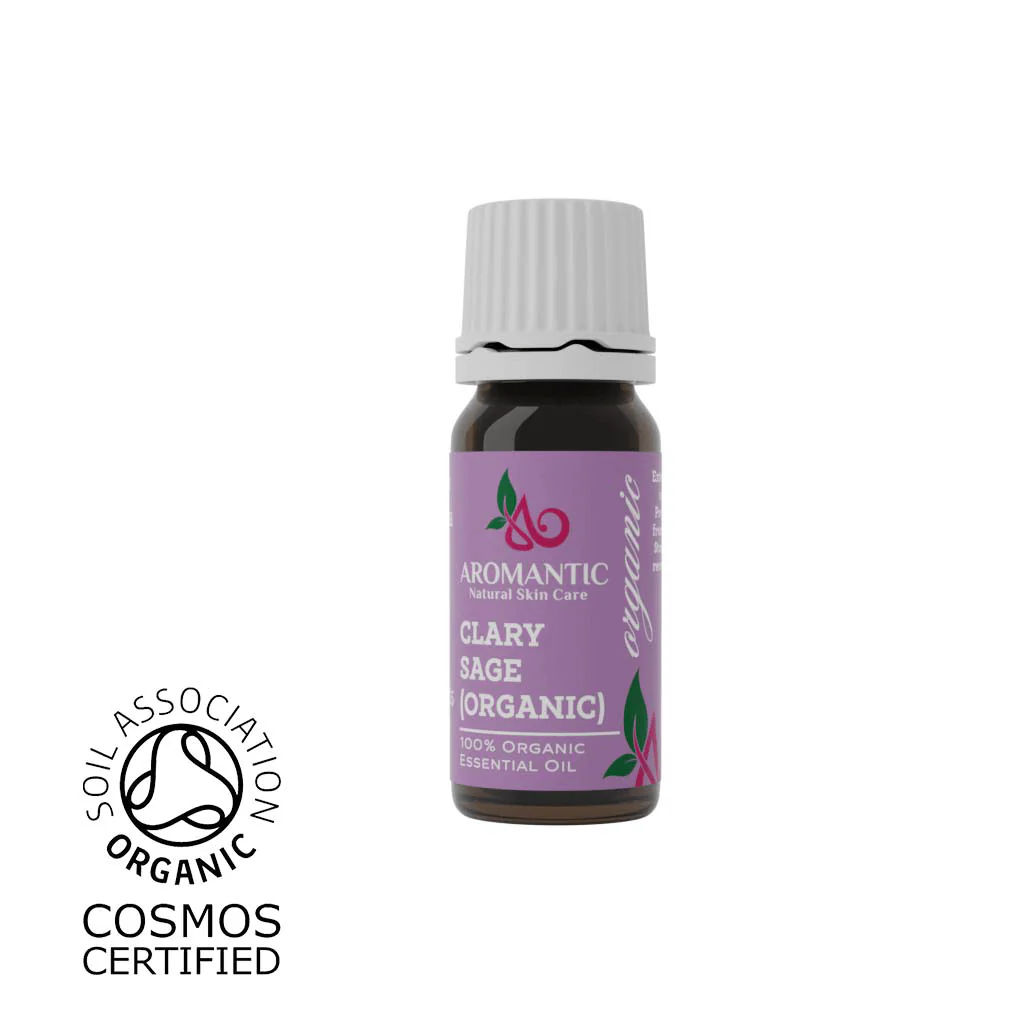
Worth singling out if you’re perimenopausal. It has a reputation for easing tension and low mood around hormonal fluctuation and it’s a genuinely relaxing oil in its own right — nutty, herbaceous, a bit unusual on first meeting. Some people find it makes them notably drowsy, so try it on an evening you don’t need to drive anywhere.
Petitgrain Essential Oil (Citrus aurantium leaf)
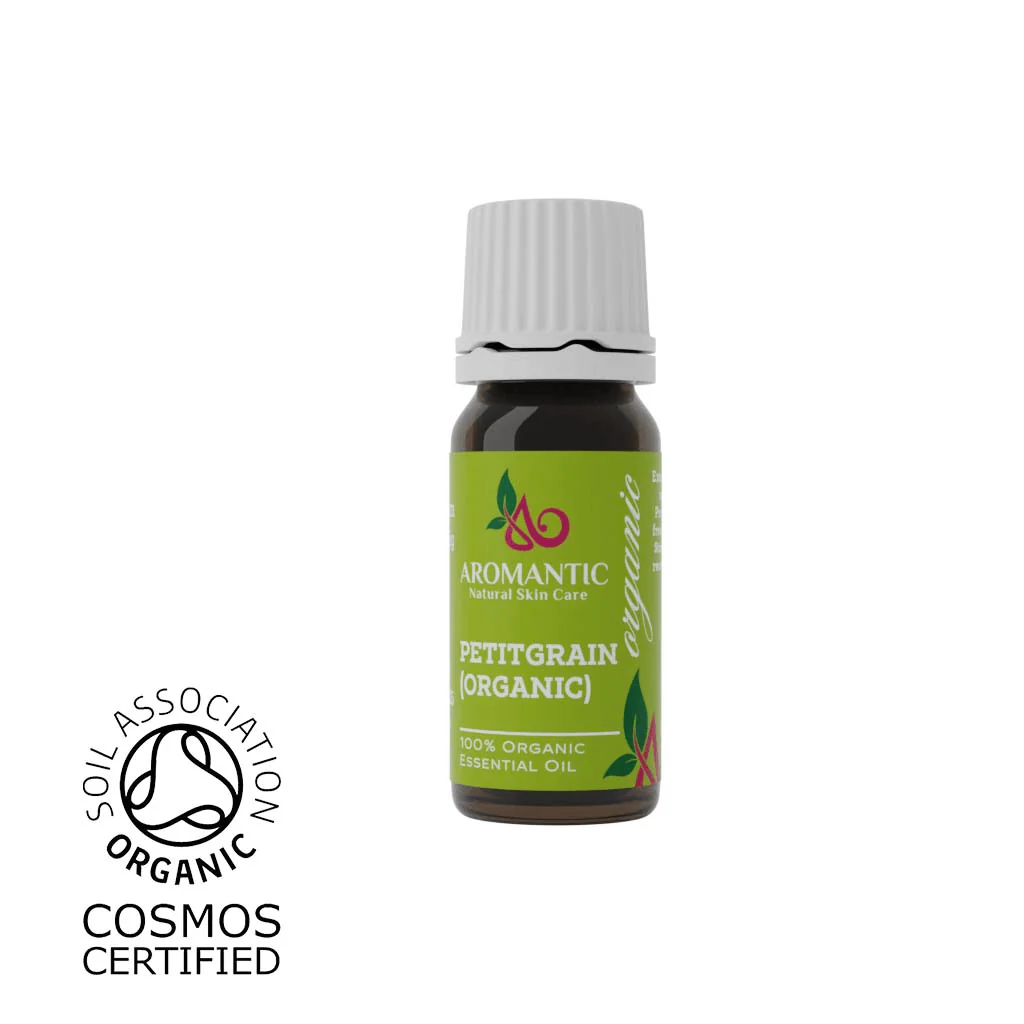
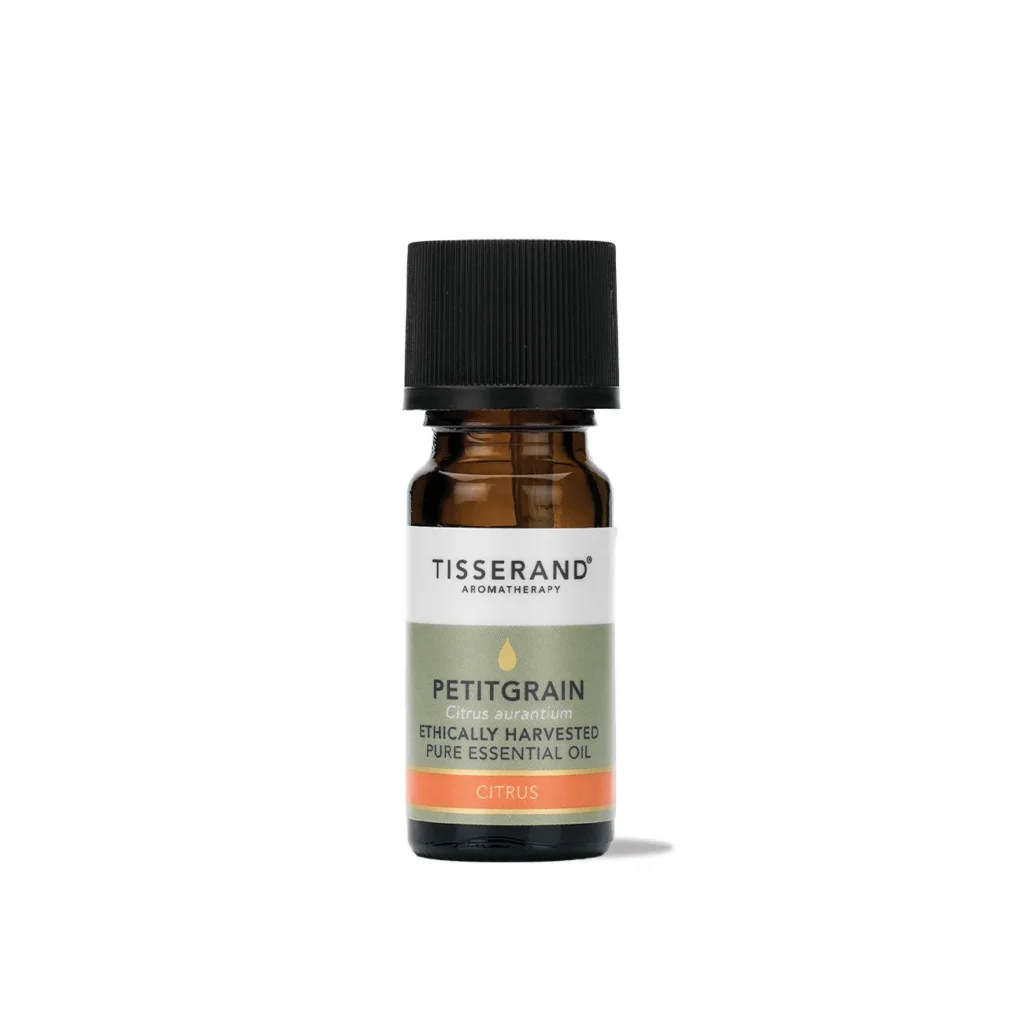
Neroli’s affordable relative, Petitgrain essential oil is distilled from the leaves and twigs of the bitter orange tree rather than the blossom. Fresh, green and slightly bitter, and particularly good for the physical symptoms — the fluttery stomach and the sense of being wound too tight. A fraction of neroli’s price. It’s bright enough to lift a heavy Sunday mood, but grounded enough to fit an evening wind-down.
Ways Of Using Essential Oils
Inhaler stick. The most useful format for anticipatory anxiety, full stop. Portable, discreet, no risk to anyone else in the room and it delivers a concentrated dose exactly when you need it. Keep one by the kettle and one in your bag for Monday.
Diffuser. Best for setting the mood of a whole room from late afternoon onwards. Run it for 30 to 45 minutes rather than continuously because your nose stops registering a scent after a longer period of time.
Pulse-point roller. Wrists and the back of the neck, with a deliberate inhale from the wrists afterwards. The advantage over an inhaler is that it keeps working quietly for an hour or two.
Pillow and linen mist. For the 3am wake-up in particular. Spray the pillowcase and let it dry for a minute or two before you lie down.
Bath. Add the oils to a warm bath, dim the lights and relax. A bath before bed is relaxing in itself and a beautifully scented blend makes it more so. Just remember that essential oils must never go into the water neat. Always disperse them in a carrier oil or full-fat milk first so they don’t float in stinging droplets against your skin.
Shower steam. And if you’re not keen on having a bath, no problem. Put three drops of essential oils on a flannel, place it on the shower floor away from the direct stream and let the steam carry the scent up.
Hands and wrists balm. A small, tactile ritual that works when you’re sitting with a book or in front of the television. The massage itself matters as much as the oils.
DIY Blends For Sunday Night Feeling
Quiet Mind Pillow and Linen Mist
Ingredients:
- 60 ml Witch Hazel
- 40 ml distilled water
- 10 drops Lavender essential oil
- 6 drops Cedarwood essential oil
- 4 drops Petitgrain essential oil
How to make: Combine the oils with the witch hazel first, shake well, then add the water.
How to use: Shake before every use. Mist the pillowcase and duvet cover and give it some time to dry.
Sunday Calming Bath and Body Oil
Ingredients:
- 100 ml Sweet Almond carrier oil
- 20 drops Lavender essential oil
- 10 drops Frankincense essential oil
- 6 drops Petitgrain essential oil
- 4 drops Roman Chamomile essential oil
How to make: mix the carrier oil and essential oils in a 100ml amber dropper bottle. Shake gently to mix well.
How to use: For the bath, stir 15 ml into the water once the taps are off, then get in. For the body, warm a little between your palms and work into shoulders, neck and forearms after a shower.
Final Thoughts
The Sunday-night feeling is a natural human reaction to shifting boundaries, schedules and expectations. However, you have some useful tools you can use to build an evening ritual that will help you to unwind and minimise that feeling. And they’re amazing essential oils.
Taking a warm, relaxing bath while inhaling essential oils from Calming Bath Blend will provide you with a sense of wellbeing. Then add a couple of drops of bergamot, my absolute favourite, to the diffuser and run it for 30 minutes before bed. It turns your bedroom into something close to a spa. Do it regularly and you train your body to feel safe in the current moment rather than worrying about tomorrow.
What is your experience with the Sunday blues? Share it in the comments below.
Disclaimer: This post contains affiliate links. If you purchase through these links, I may earn a small commission at no extra cost to you — it helps me keep creating free content. I only ever recommend products I personally use and trust. This information is for educational purposes only and is not intended to diagnose, treat, cure, or prevent any disease. Always patch test new ingredients, and consult with a healthcare provider if you have specific skin conditions or concerns. If you’re pregnant, nursing, or on medication, check with your doctor before using essential oils.