Bakuchi Carrier Oil for Skin: Benefits, Safety and How to Blend It
Sold as “nature’s retinol” and priced like a luxury active. Here’s what Bakuchi oil actually does, how to use it and five blends built around it.
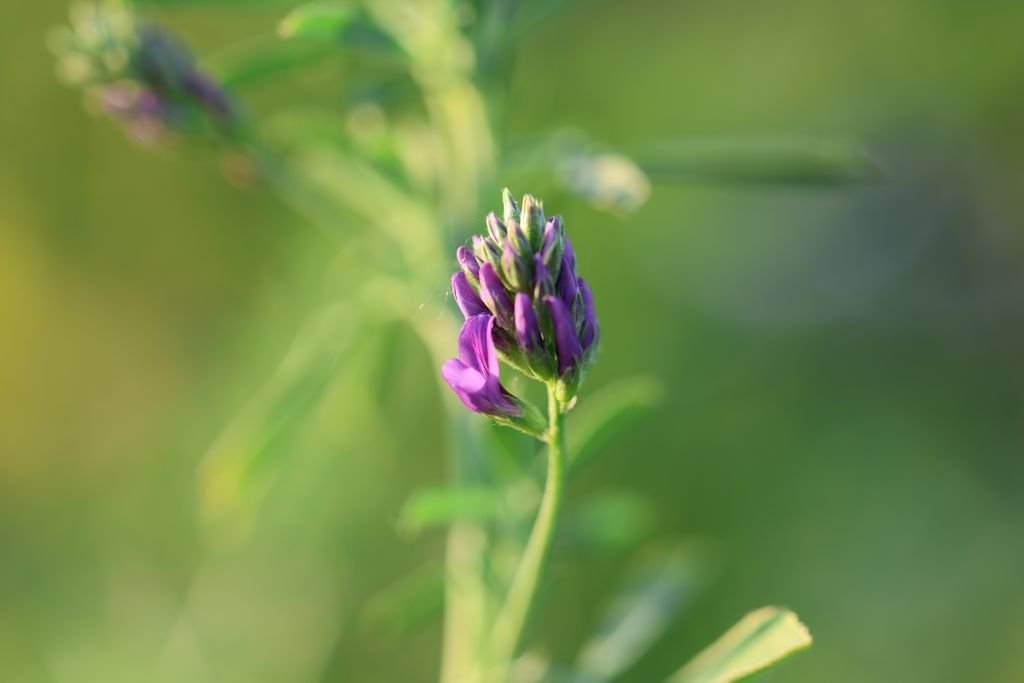
There are carrier oils that everybody knows: Rosehip Seed oil, Jojoba oil, Argan oil, Sweet Almond oil, etc. And then there are the intriguing botanical oils that make you stop and think: “Oh, that’s interesting!” Bakuchi oil is one of them and it arrived in my collection exactly that way: it made me curious.
Bakuchi oil for skin has been trending for some time now and it’s linked to the buzz around “nature’s retinol” and often mistakenly taken for Bakuchiol. One thing is worth mentioning straight away and it’s that Bakuchi oil and Bakuchiol are not the same. Understanding the distinction between whole cold-pressed Bakuchi oil and isolated Bakuchiol is crucial. Using the wrong one at the wrong concentration, or mistaking a potent botanical extract for a passive carrier oil, can mean the difference between glowing, resilient skin and severe phototoxic irritation.
Bakuchi oil isn’t simply another carrier oil to throw into a face blend. It is a fascinating botanical ingredient with potential applications for mature, uneven, blemish-prone and environmentally stressed skin.
In this guide, I’ll explain what Bakuchi oil is, what Bakuchiol is, the potential benefits for skin, how Bakuchi oil differs from a conventional carrier oil, which essential oils may complement it in a facial blend and the precautions you should take before applying it to your face.
What Bakuchi Oil Actually Is
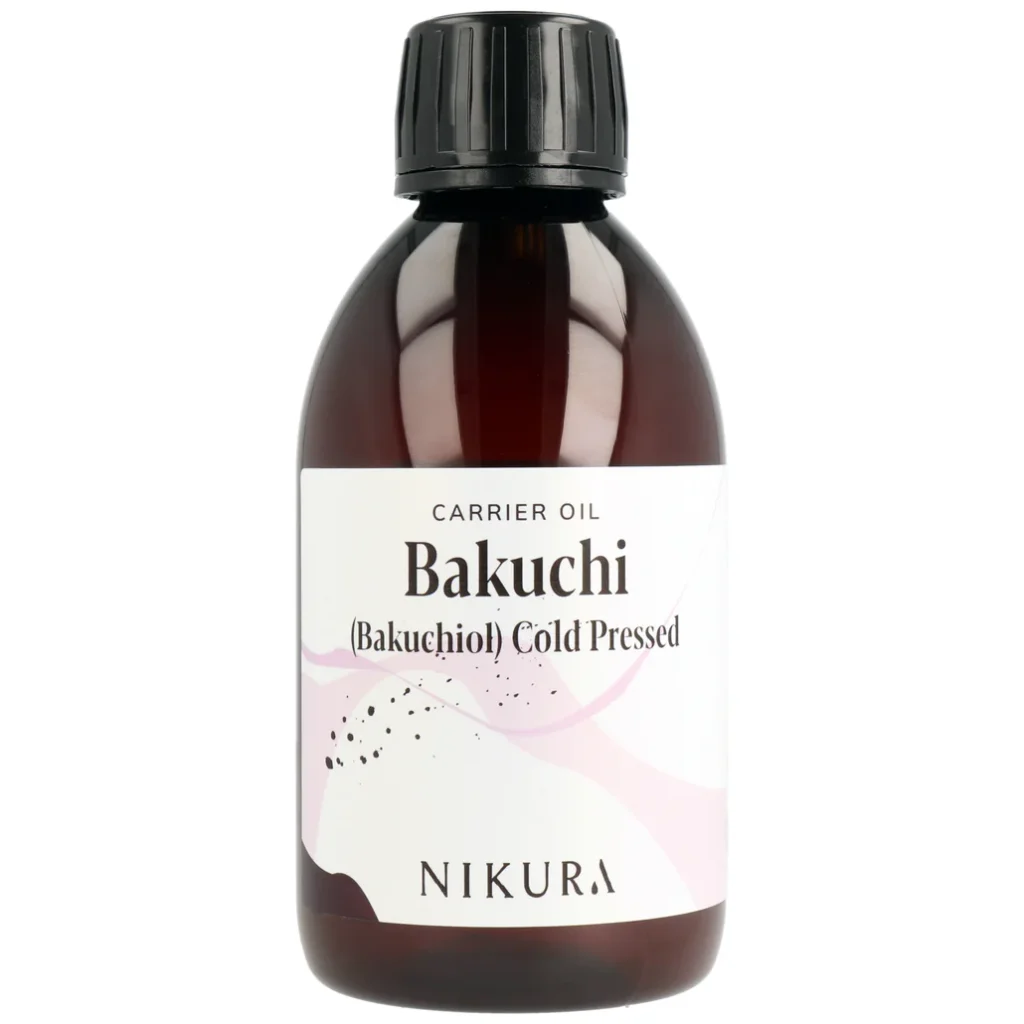
Bakuchi oil, also sold as Babchi oil, is a fixed carrier oil which is cold-pressed from the seeds of Psoralea corylifolia, a plant native to India. It’s been used in Ayurvedic and traditional Chinese medicine for centuries, mostly for skin conditions like psoriasis and vitiligo.
Its fatty acid profile is genuinely unusual. Where most carrier oils are dominated by oleic or linoleic acid, Bakuchi sits at roughly 30% oleic, 13% alpha-linolenic. It also contains a big chunk of long-chain saturated fats: around 20% arachidic acid and 10% behenic acid, with stearic acid making up another 5%. Those long-chain saturates give Bakuchi oil that distinctive thick consistency. This is not an oil you slap on and walk away from. It’s an oil you dilute into other, lighter oils to create beneficial blends for your skin.
And What Bakuchiol Is
Bakuchiol is a single compound found in the Bakuchi plant. Chemists take the same Babchi seeds (Psoralea corylifolia), pull out one particular molecule and strip away everything else until what’s left is 99% pure. It is a meroterpene phenol that has become popular in skincare because laboratory research and small clinical studies suggest that it can produce some retinol-like effects without being a retinoid.
What it means is that Bakuchiol and Bakuchi oil are related, but they are not the same thing. Purified Bakuchiol is an isolated cosmetic active. Bakuchi oil is a plant-derived oil or extract that may contain Bakuchiol alongside other constituents. The final composition depends on how the raw material was processed.
This distinction is similar to the difference between a whole botanical extract and one isolated molecule from that plant. They may share a source, but they should not be assumed to have identical properties or safety profiles.
Side-by-Side Comparison
Bakuchi Oil vs. Bakuchiol
To help you to understand the difference, let’s compare their key characteristics side by side:
| Characteristic | Refined Bakuchi Oil | Purified Bakuchiol |
|---|---|---|
| What it is | A carrier oil — a base you blend other things into | A cosmetic active — added in small amounts to a base |
| Form | Thick, pale-to-mid golden oil, faintly nutty | Pale golden liquid, near odourless |
| Composition | Whole seed oil: fatty acids, plus bakuchiol in a variable amount | One isolated compound, over 99% pure |
| Psoralen content | Substantially reduced by refining, but rarely measured or declared | Removed |
| When to use | Evening only, as a precaution | Morning, evening, or both |
| Retinol-like action | Mild to moderate, and unpredictable — depends entirely on the bakuchiol content of your bottle | The version the clinical studies tested |
| Effect on the barrier | Supportive and occlusive once diluted; can feel heavy if overused | Very gentle, well tolerated |
| How much to use | 10% of a blend (start at 5% if your skin is reactive) | 0.5%–1% of a finished product |
So What Can Bakuchi Oil Actually Do?
It protects the collagen you’ve already got. This is the oil’s strongest suit and the one with the most research behind it. Babchi seed is dense in polyphenols, which mop up the free radicals that break down collagen and elastin. It’s preventative rather than corrective and it’s genuinely good at that job.
It calms angry skin down. The anti-inflammatory action is well documented and it’s the benefit you’ll notice soonest. It settles the skin that flushes at nothing and the skin that stings when you apply something new, and generally reactive skin.
It helps with adult breakouts. Bakuchi oil has a mild antibacterial action against C. acnes, the bacteria behind the spots that arrive along your jaw and chin. What makes it useful rather than just another antibacterial is that it does this without stripping anything, which matters enormously if you’re dealing with breakouts on skin that’s simultaneously getting drier.
It stops your skin losing water. Those heavy long-chain fats form a proper seal. Skin that isn’t quietly dehydrating all day looks plumper and behaves better and that’s what you see first.
And yes, there’s a collagen effect. This is where the Retinol comparison has a real foundation, and it’s worth explaining properly rather than just asserting it.
Bakuchi oil appears to nudge skin into making more of the collagen that gives it firmness and bounce, types I and III specifically. That effect comes from the Bakuchiol the seed contains. However it’s not the same how the isolated compound, Bakuchiol, and Bakuchi oil, which contains an unknown quantity of it, work. And it’s important to understand beforehand to manage the expectations.
Refined vs Cold-Pressed Bakuchi Oil
The Babchi seed doesn’t only contain bakuchiol. It also contains furocoumarins such as psoralen, isopsoralen and angelicin among them. Psoralens are strongly phototoxic. For that reason buy refined Bakuchi oil, not cold-pressed. Refining substantially reduces the furocoumarin content.
Then, whichever version you have:
- Use it in evening blends only
- Keep it to 10% or less of a facial blend
- Wear sunscreen the following morning, without exception
- Patch test on your inner arm for three days before it goes near your face
How to Blend Bakuchi Oil for Optimal Results
One thing you need to remember: never blend Bakuchi oil with phototoxic citrus essential oils. Bergamot, expressed lemon, lime, grapefruit, bitter orange. Also angelica root, cumin and rue. Every one of those carries furocoumarins of its own. And stacking furocoumarins on furocoumarins on the skin, in a leave-on product, is a genuinely poor idea.
The Base Blend
The recommened percentage of Bakuchi oil in a blend is 10%. It blends beaufifully with light/dry oils which you choose according to your blend requirements. Here’s an example of a base blend I created for you. Every other blend below builds on this base to tackle a different skin problem. You’ll just need to swap the essential oils depending on what you’re dealing with.
Bakuchi Evening Facial Oil — base recipe (30ml)
| Ingredient | Amount | % |
|---|---|---|
| Jojoba | 15ml | 50% |
| Squalane | 9ml | 30% |
| Bakuchi oil, refined | 3ml | 10% |
| Rosehip Seed | 3ml | 10% |
| Essential oils | 6 drops | ~1% |
Why this base: the base has one main job and is to make a heavy, waxy oil behave like something you’d willingly put on your face every night for six months. That rules out a lot of otherwise lovely oils.
Jojoba carrier oil (50%) isn’t technically an oil at all, it’s a liquid wax, and its structure is unusually close to the sebum your own skin makes. It sits well under something occlusive instead of fighting it, it suits every skin type including oily, and — the practical bit — it’s extraordinarily stable. It won’t go rancid on you while you’re waiting to see results.
Squalane carrier oil (30%) is the counterweight. Bakuchi oil is thick and slow to sink in; Squalane is the lightest, fastest-absorbing thing on the shelf, and it drags the whole blend towards something wearable. It’s also completely inert — no scent, no colour, no shelf-life anxiety.
Rosehip Seed carrier oil (10%) is there for linoleic acid, which mature skin runs short of. It’s the least stable thing in this blend, which is precisely why it’s only 10% and why we’re making 30ml rather than a big batch.
Swaps that work: Camellia Seed carrier oil or Apricot Kernel carrier oil in place of Jojoba if that’s what you have. Meadowfoam carrier oil instead of Squalane, though it’s heavier. Evening Primrose or Hemp Seed carrier oils instead of Rosehip Seed oil.
At 10%, the Bakuchi oil is present enough to contribute and dilute enough to behave. If your skin is on the reactive side, start at 5% (1.5ml) and build it up gradually.
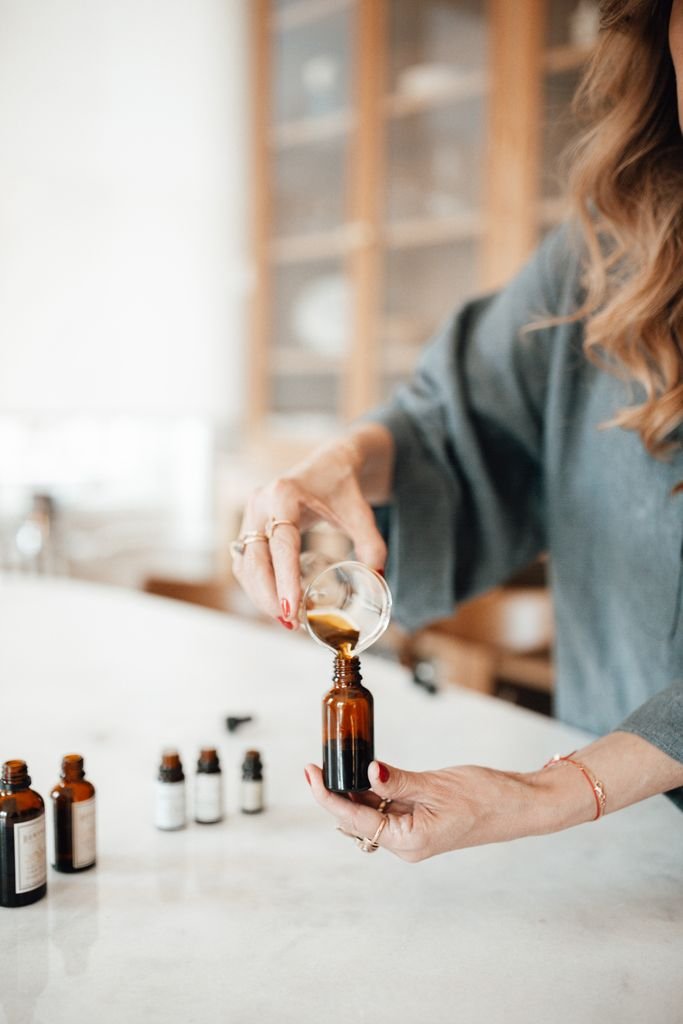
How to make it: Add the Jojoba and Squalane carrier oils into a 30ml amber dropper bottle first. They’re your workhorses and they’ll thin everything that follows. Add the Bakuchi oil next. It’s viscous, so let it run down the side of the bottle rather than trying to rush it. If your room is cold, warm the bottle in your hands for a minute first. Add the Rosehip Seed carrier oil, then the essential oils last. Cap it, invert slowly ten or twelve times rather than shaking. Label it with the date and the blend name.
How to use it: Use three to five drops at night on damp skin, pressed rather than rubbed. Give it eight weeks before seeing the results.
5 Bakuchi Oil Blends for Skin
Same base. Different essential oils.
1. Loss of firmness and fine lines
Frankincense CO₂ 3 drops · Rose geranium 2 · Carrot seed 1
The firmness blend, and the one I reach for most. Frankincense essential oil leads because it’s the classic for skin that’s losing its structure. It’s regenerative, gently astringent and gives that tightening feel that makes the blend seem like it’s doing something. Use the CO₂ extract over the steam-distilled oil if you can get it. The difference between the two is substantial, and firming work is exactly where it shows. Rose Geranium essential oil is the balancer. It supports elasticity and keeps oilier areas in check, so the blend doesn’t tip into feeling greasy overnight. Carrot Seed essential oil owes its reputation to carotol and does quiet, underrated work on tone and texture.
2. Adult hormonal breakouts
Tea tree 2 drops · Palmarosa 2 · Lavender 2
Tea Tree essential oil does the heavy lifting as it’s the most reliably antibacterial oil on the shelf and the one with the most research behind it for spot-prone skin. Palmarosa essential oil is antimicrobial through its geraniol content. But unlike most antibacterial oils it’s hydrating rather than stripping, which matters enormously when you’re treating breakouts on skin that’s simultaneously getting drier. It’s the reason this works as an adult acne blend rather than a teenage one. Lavender essential oil rounds it off. It calms the inflammation around a spot and supports healing afterwards.
3. Redness and reactivity
Lavender 3 drops · Helichrysum 2 · German chamomile 1
Lavender essential oil leads in this blend because it’s the safest, gentlest thing you can put on skin that’s lost its temper. Helichrysum essential oil is traditionally reached for with bruising, broken capillaries and redness that sits under the surface. German Chamomile essential oil is rich in chamazulene, which is highly anti-inflammatory.
4. Menopausal dryness and thinning
Rose otto 2 drops · Sandalwood 2 · Palmarosa 2
Rose otto essential oil is extremely hydrating and its scent alone is a comfort. Sandalwood essential oil is doing the real work for dryness too and it’s soothing. I suggest you buy Australian Sandalwood rather than Indian unless you can verify the sourcing because the Indian species is under real pressure and adulteration is common. Palmarosa essential oil appears here as well as in the breakout blend, but this time because of its hydration properties.
5. Dullness and uneven texture
Frankincense CO₂ 3 drops · Patchouli 2 · Rose geranium 1
Note what’s absent: any citrus at all. Every “glow” blend on the internet reaches for lemon or grapefruit, and for reasons covered above, that’s the one thing you cannot do here. Frankincense essential oil again for the same regenerative reasons. Patchouli essential oil is the surprise and it deserves far better than its reputation. It’s genuinely skin-regenerating, it works on texture and old marks. Rose geranium essential oil has a long-standing reputation for evening out tone and bringing colour back to dull, tired skin, which is precisely the job this blend is for.
Final Thoughts
Bakuchi oil is a good oil badly explained. It has been dragged into a marketing story it doesn’t quite fit. The retinol-without-the-retinol narrative belongs to purified Bakuchiol, not Bakuchi oil. What this oil is, on its own terms, is a rich, antioxidant-dense, mildly antimicrobial botanical oil with an unusual fatty acid profile and a real phototoxicity consideration attached.
I bought myself this oil inspired by the promises and was expecting to get a natural Retinol in a bottle without any side effects. I didn’t really know what percentage I had to use in a blend and used too much. And my ignorance resulted in a dry, flaky skin a couple of weeks later. Now I know how much of it to use to create fantastic blends I use regularly. And I can tell you, it does make your skin glow.
So stick to the safe rules: buy the refined version, keep it to 10%, use it at night and avoid adding citrus essential oils. And then give your skin a couple of months to see the results. Because you know, good things happen to those who wait.
What is your experience like with Bakuchi oil? Have you tried it? Or have you even heard about it? Please leave a comment bellow, I’d love to hear from you.
Disclaimer: This post contains affiliate links. If you purchase through these links, I may earn a small commission at no extra cost to you — it helps me keep creating free content. I only ever recommend products I personally use and trust. This information is for educational purposes only and is not intended to diagnose, treat, cure, or prevent any disease. Always patch test new ingredients, and consult with a healthcare provider if you have specific skin conditions or concerns. If you’re pregnant, nursing, or on medication, check with your doctor before using essential oils.