Essential Oils for Low-Porosity Curly Hair: Lightweight Blends That Actually Absorb
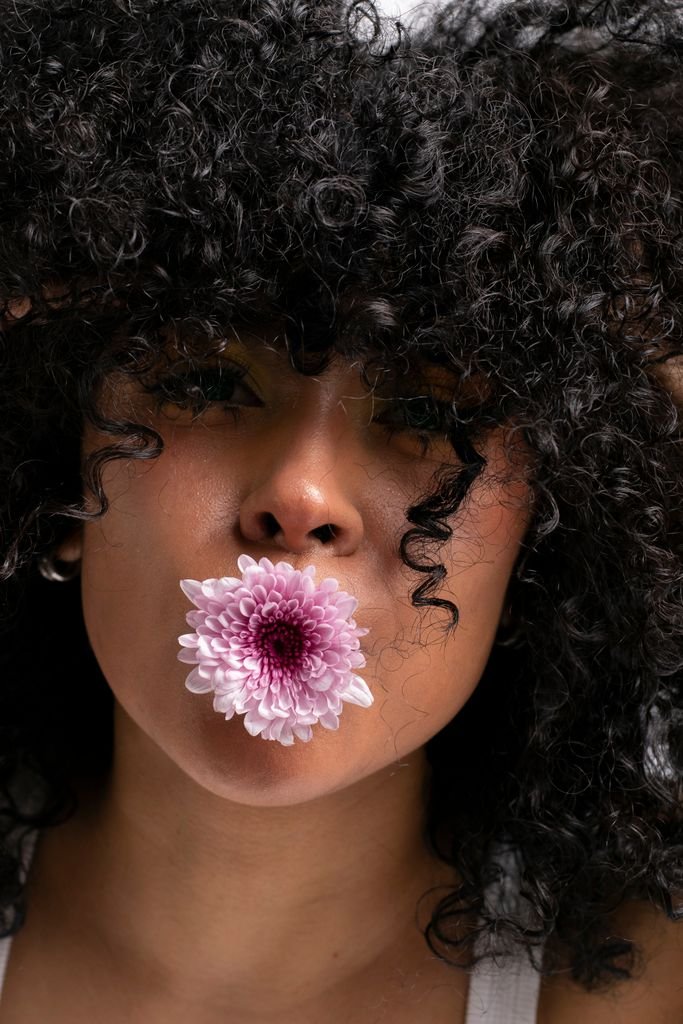
You do everything “right.” You oil your hair, you deep condition, you follow every CGM rule you can find, but somehow your curls still look flat, dull and thirsty by lunchtime. Product sits on the surface like a film. Water beads up in the shower instead of soaking in. Oils feel like a coating, not a treatment.
That contradiction – hair that looks like it needs more moisture, but actively resists absorbing any – is the exact fingerprint of low porosity. And here’s the part nobody tells you: the oils that most curly girls reach for first to fix this problem are often the worst possible choice for this hair type.
If that sounds familiar, you’re in the right place. And if you’re not actually sure which side of the porosity spectrum you’re on, go check the companion post on high-porosity curly hair first — this guide is the mirror image of that one, and they’re designed to be read as a pair.
Quick Self-Check: Do You Have Low-Porosity Hair?
Before we talk oils, see if these sound like your hair:
1. Water beads up and rolls off. In the shower, your hair takes ages to feel fully wet. Water sits in droplets on the surface like rain on a waxed leaf.
2. Product sits on top. Leave-ins and oils feel like they’re coating your hair rather than absorbing. Greasy feel, no actual softness underneath.
3. Air-drying takes forever. Once your hair finally gets wet, it holds onto that moisture — sometimes six to ten hours to dry.
If two or more sound like you, low porosity is almost certainly your story. The issue isn’t that your hair can’t hold moisture – it’s actually that moisture can’t get in.
Why Porosity Changes Which Oils Actually Work
Think of your hair’s cuticle, the outer layer of overlapping cells, like roof shingles. On low-porosity hair, those shingles lie flat and tight, closed up against the hair shaft. That’s actually a good thing in some ways because it’s why low-porosity hair can look shiny and hold colour well. But it means moisture and oils have a much harder time getting in.
High-porosity hair has gaps and lifted cuticles, so it soaks things up fast, but loses them just as fast. See the difference? Low-porosity is closed, resistant and slow at absorbing. Therefore, heavy oils don’t get a chance to penetrate, they just sit on the surface, forming a barrier that actually blocks moisture from getting in afterwards. That’s the “greasy, but dry” trap so many low-porosity curlies get stuck in.
This is also why so much generic curly-hair advice falls flat for this porosity type. Most of it is written for an “average” curl pattern, or worse, for high-porosity hair — where thick, rich oils genuinely do help seal in moisture.
Oils to Avoid or Use Sparingly for Low-Porosity Hair
This is usually the “wait, no one told me that” moment for most CGM followers. And this is because most popular curly hair oils, the ones in every YouTube tutorial and Pinterest pin, are actively wrong for low-porosity curls. So if you want to see an immediate improvement in your hair’s bounce and shine, try cutting back on these three heavyweights:
- Coconut Oil: I know, it’s the darling of the natural hair world. But coconut oil is rich in lauric acid and has a molecular structure that can be too “bulky” for low-porosity hair. It often leads to protein buildup, making hair feel crunchy.
- Castor Oil: It’s incredibly thick and sticky. Unless you are using it strictly for a scalp massage and washing it out immediately, it’s likely just sitting on your strands, attracting buildup.
- Shea Butter: While great in small amounts within a formula, pure shea butter is often too heavy. It creates a film that prevents water (the actual source of moisture!) from getting into the hair shaft.
None of these oils are “bad” — they’re simply mismatched to a tight, resistant cuticle. If you’ve been layering these on and wondering why your hair still feels dry underneath the grease, that’s your answer.
The Best Lightweight Essential and Carrier Oil Pairings for Low Porosity
When I’m formulating a blend for low porosity hair, I look for carrier oils known for being “dry” oils. These have a smaller molecular size and a higher affinity for the hair shaft. Here are my top pairings based on your specific hair goals.
Camellia + Lavender
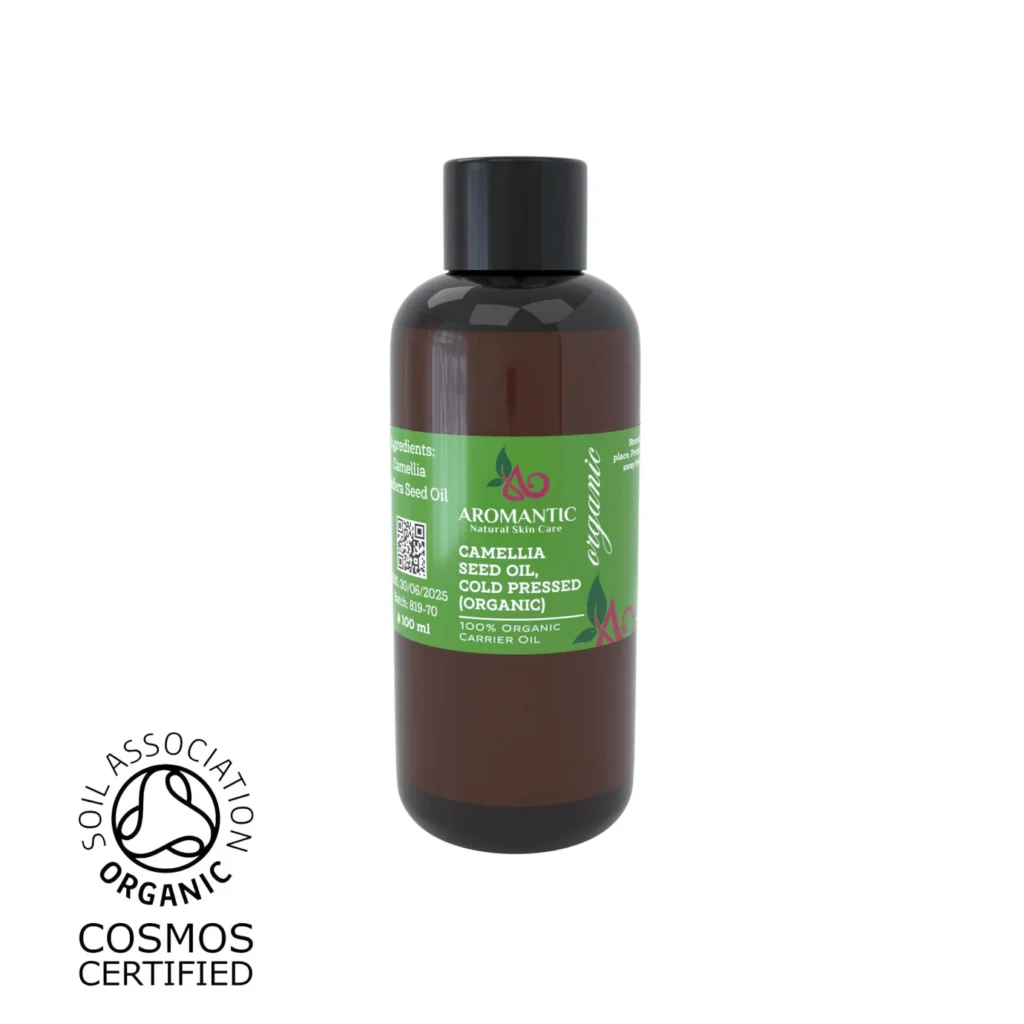
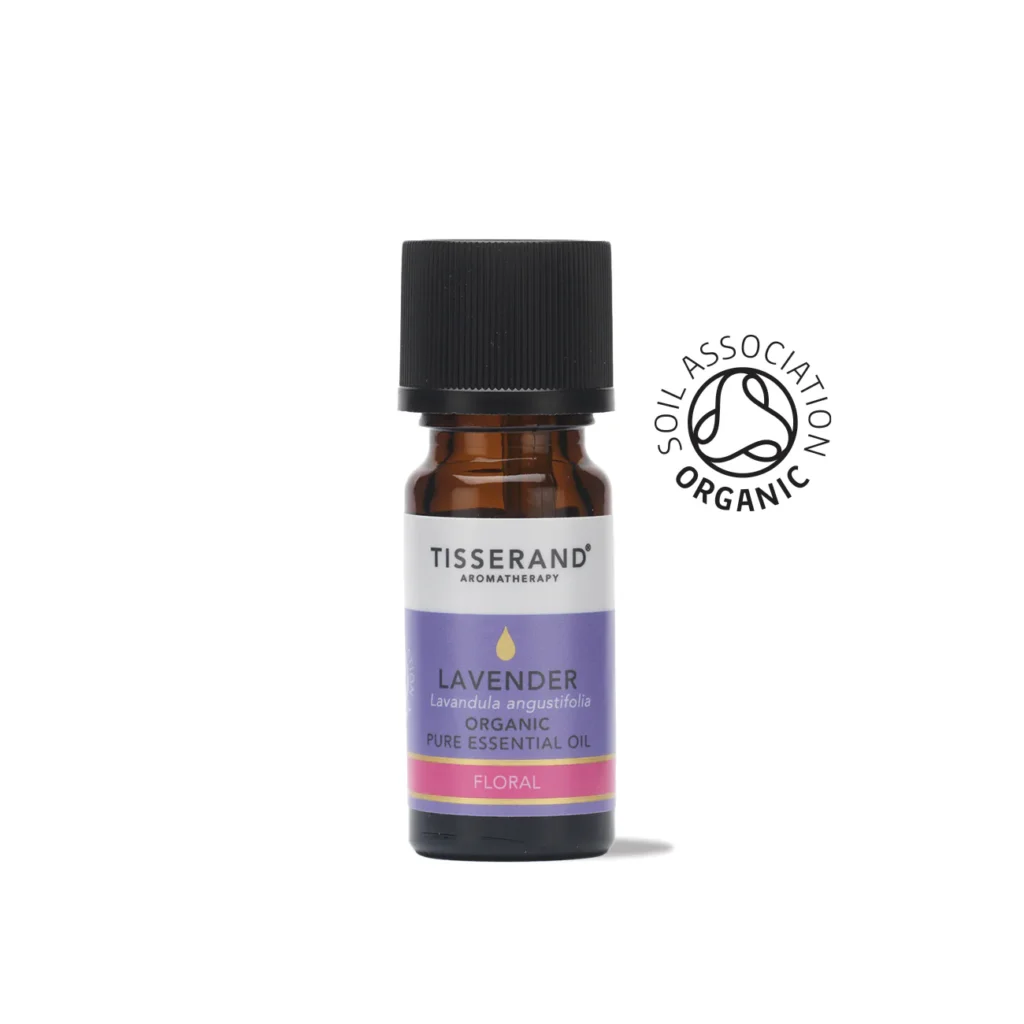
For moisture: Camellia Seed carrier oil is one of the most underrated options for low-porosity hair. It’s remarkably light and absorbs quickly rather than sitting on the surface. And it pairs beautifully with a drop or two of Lavender essential oil for a calming, non-greasy moisture treatment.
Baobab + Rosemary
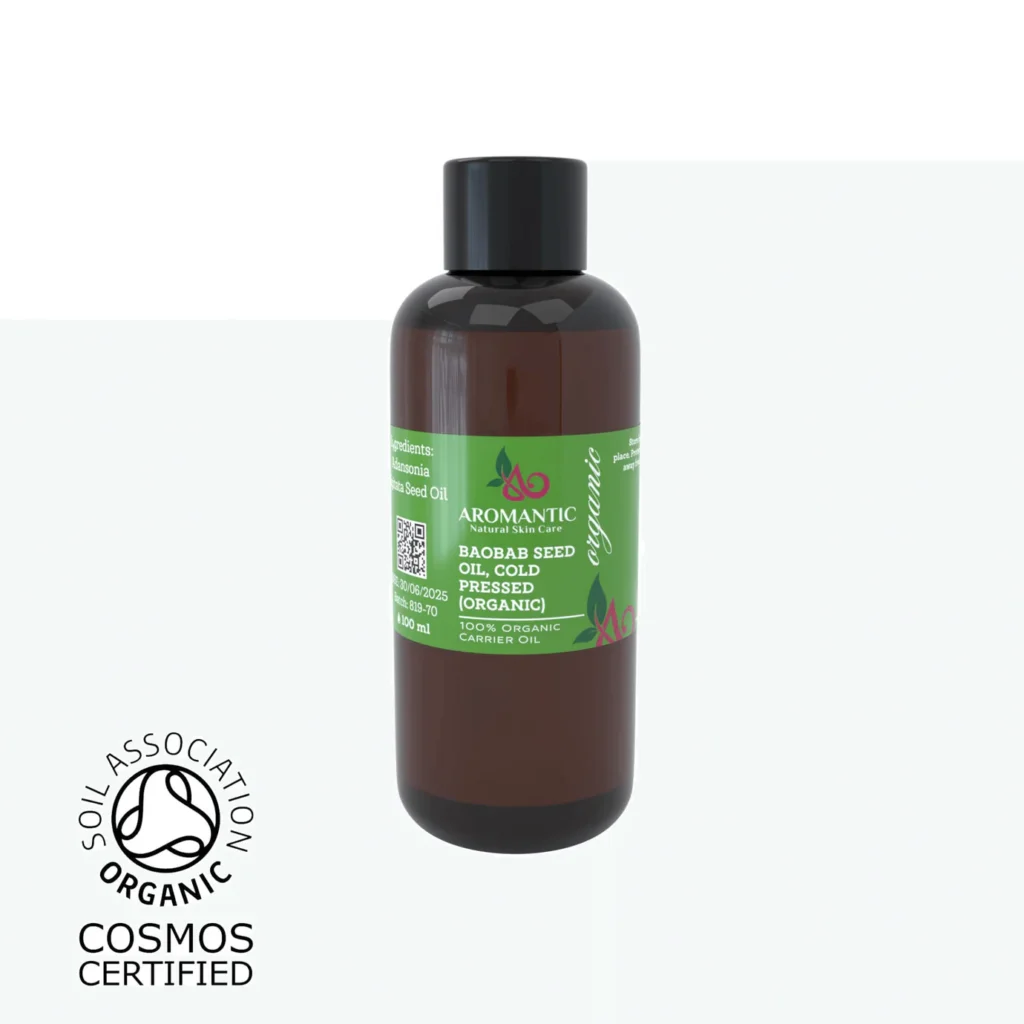
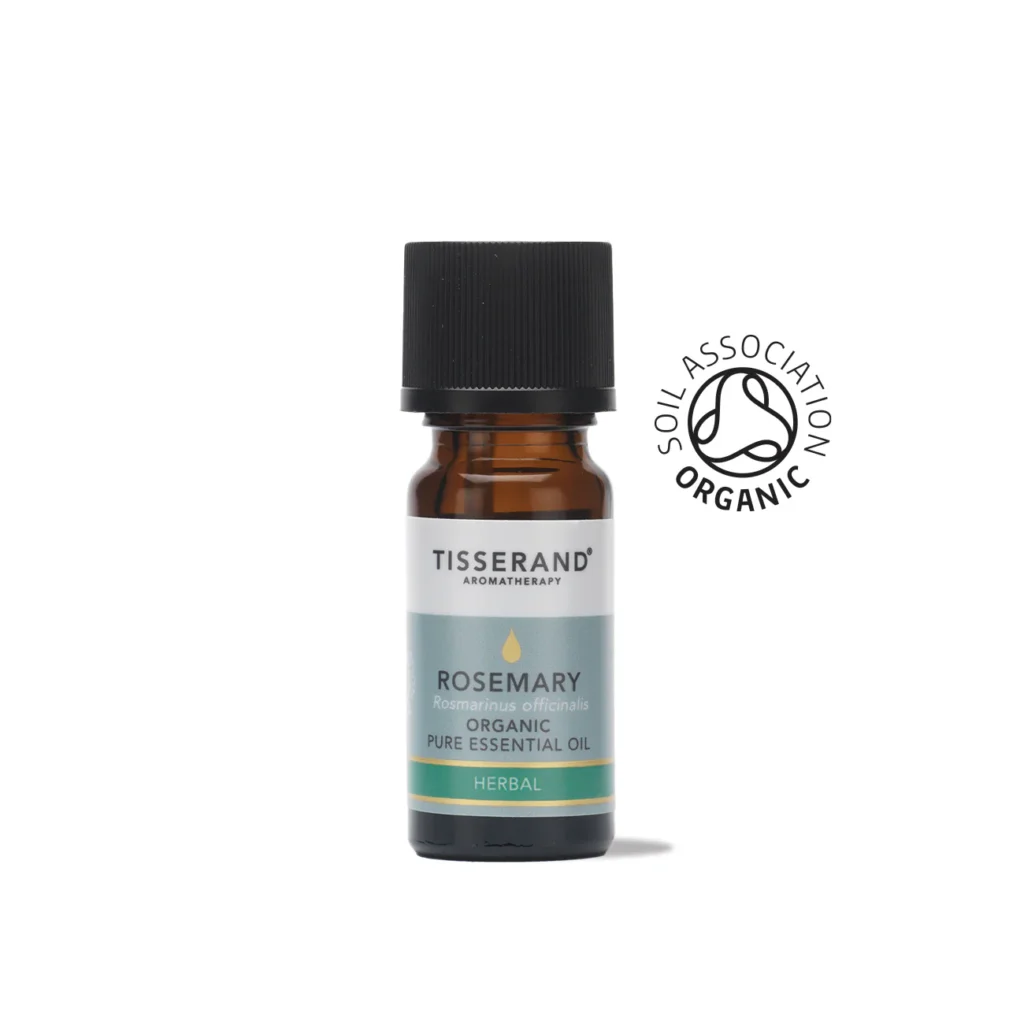
For growth support: Rosemary essential oil and Baobab carrier oil is a highly effective combination to support thicker, healthier-looking growth over time. Rosemary essential oil is one of the most researched and sought after essential oil in this space. Baobab’s fast-absorbing, lightweight texture allows it to be massaged into the scalp regularly without adding to the buildup that low-porosity hair is so prone to. Always massage the blend directly onto the scalp, avoiding the actual hair for the better results.
Broccoli + Lemongrass
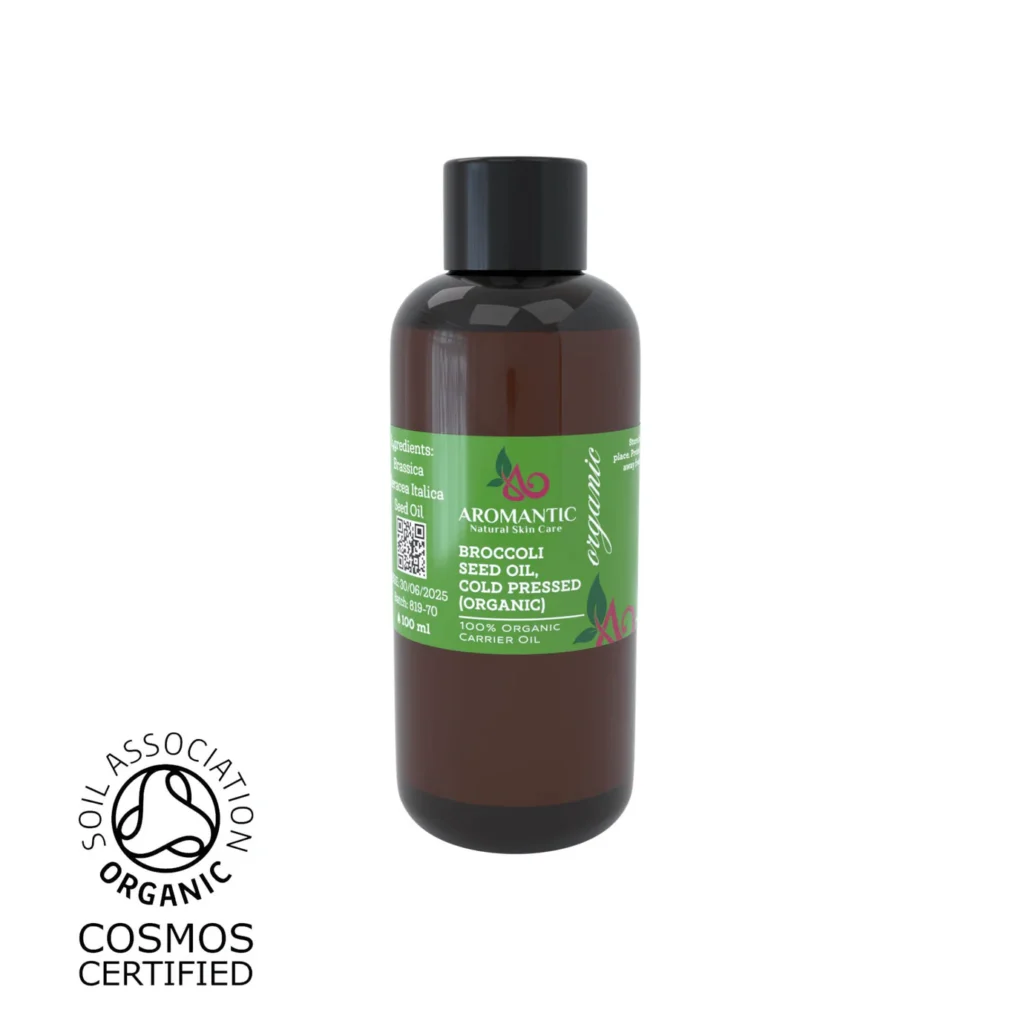
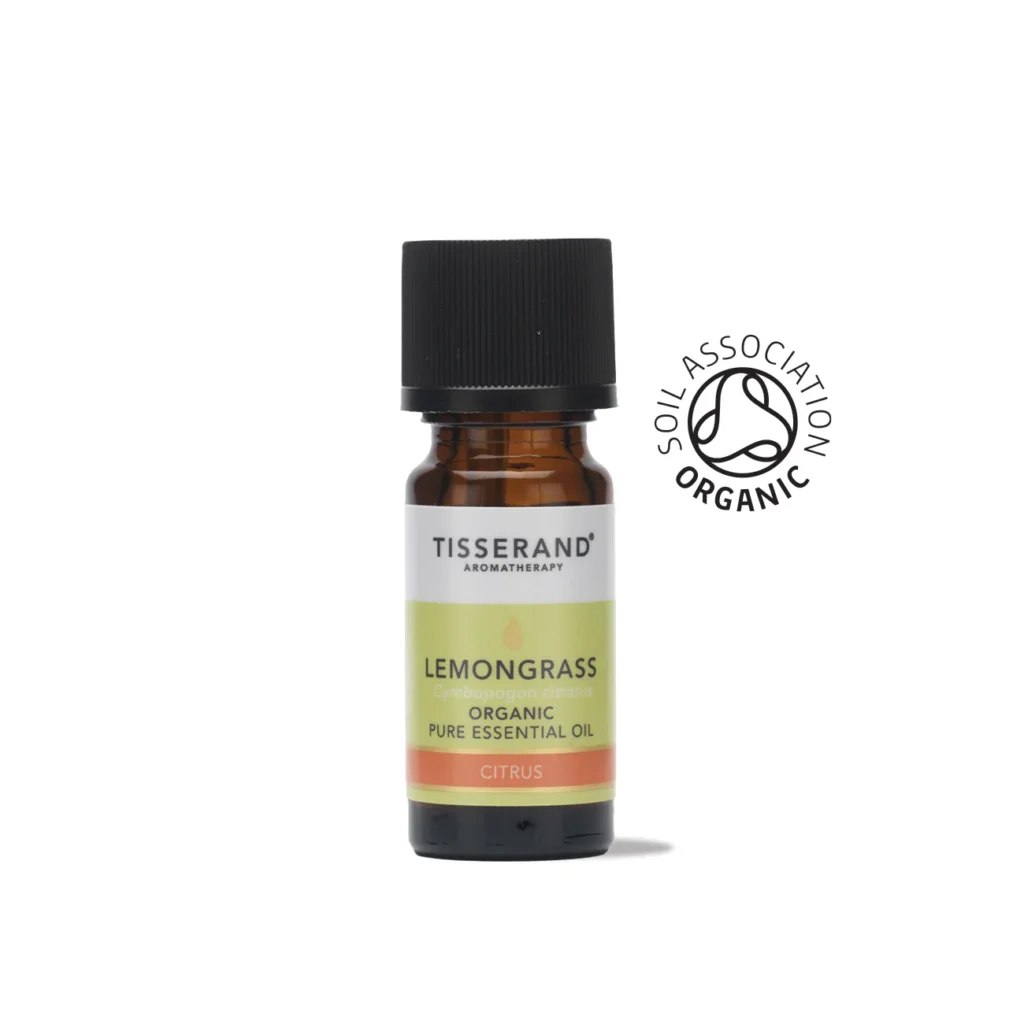
For shine without weight: Lemongrass essential oil paired with Broccoli Seed carrier oil is an excellent combination for shine. Lemongrass essential oil adds a brilliant shine and helps flatten the cuticle for a smoother finish. It brings a bright, energising note to the blend, while Broccoli Seed oil’s high erucic acid content gives that glassy, almost silicone-like sheen without any weight or buildup that a heavier oil would bring.
Moringa + Geranium
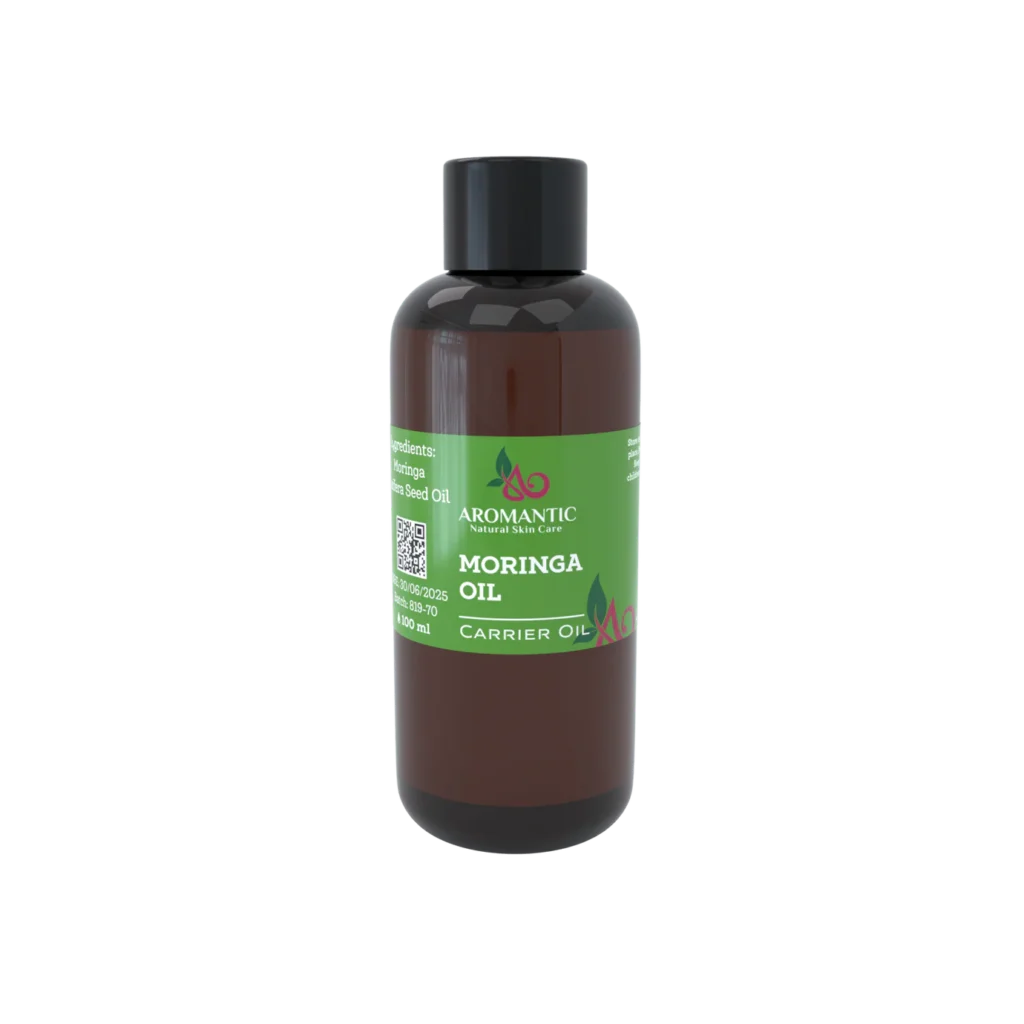
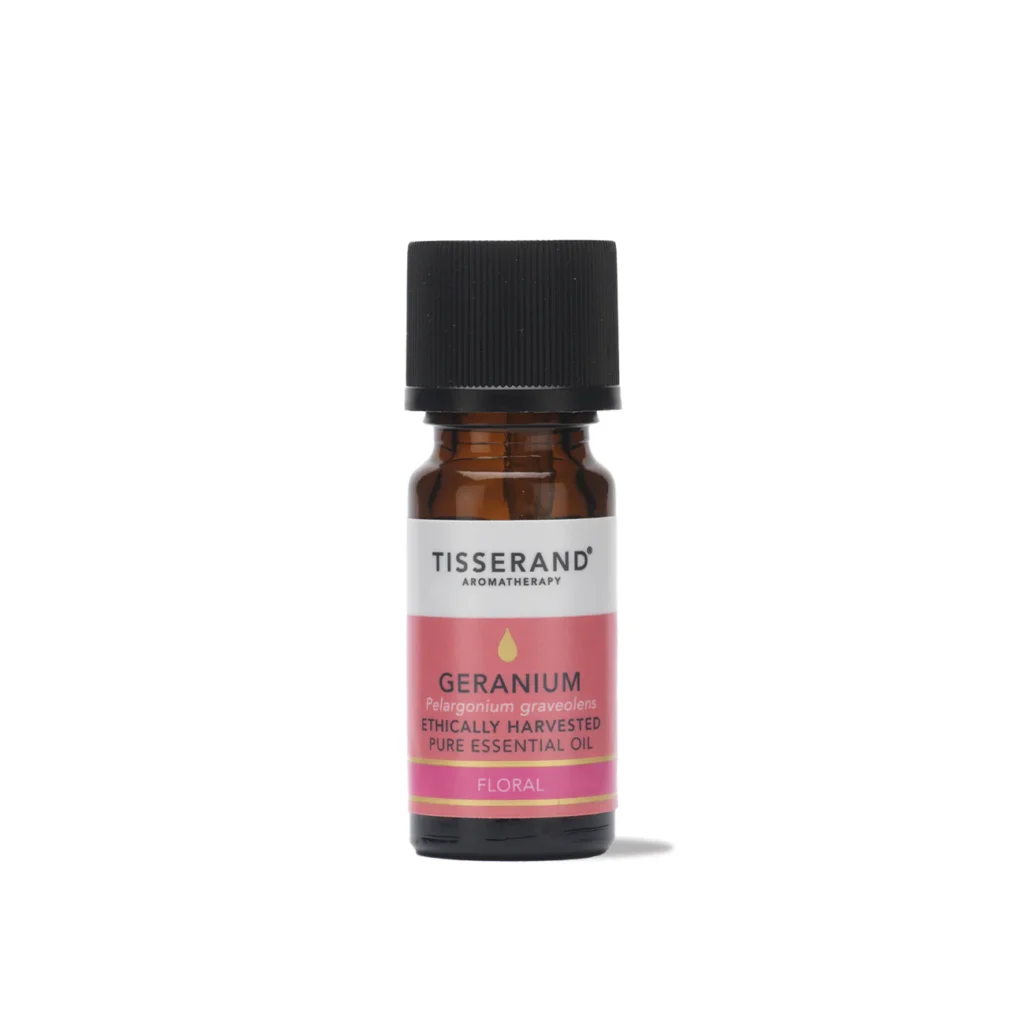
For frizz control: Geranium essential oil paired with Moringa carrier oil is a great combination for taming frizz without weighing curls down. Moringa carrier oil is light and oxidatively stable. It is specifically well regarded in natural hair care for smoothing the cuticle and adding shine without any heaviness. Geranium essential oil brings a gently balancing quality to the blend, helping frizz-prone strands feel smoother without tipping over into greasy.
Squalane + Tea Tree
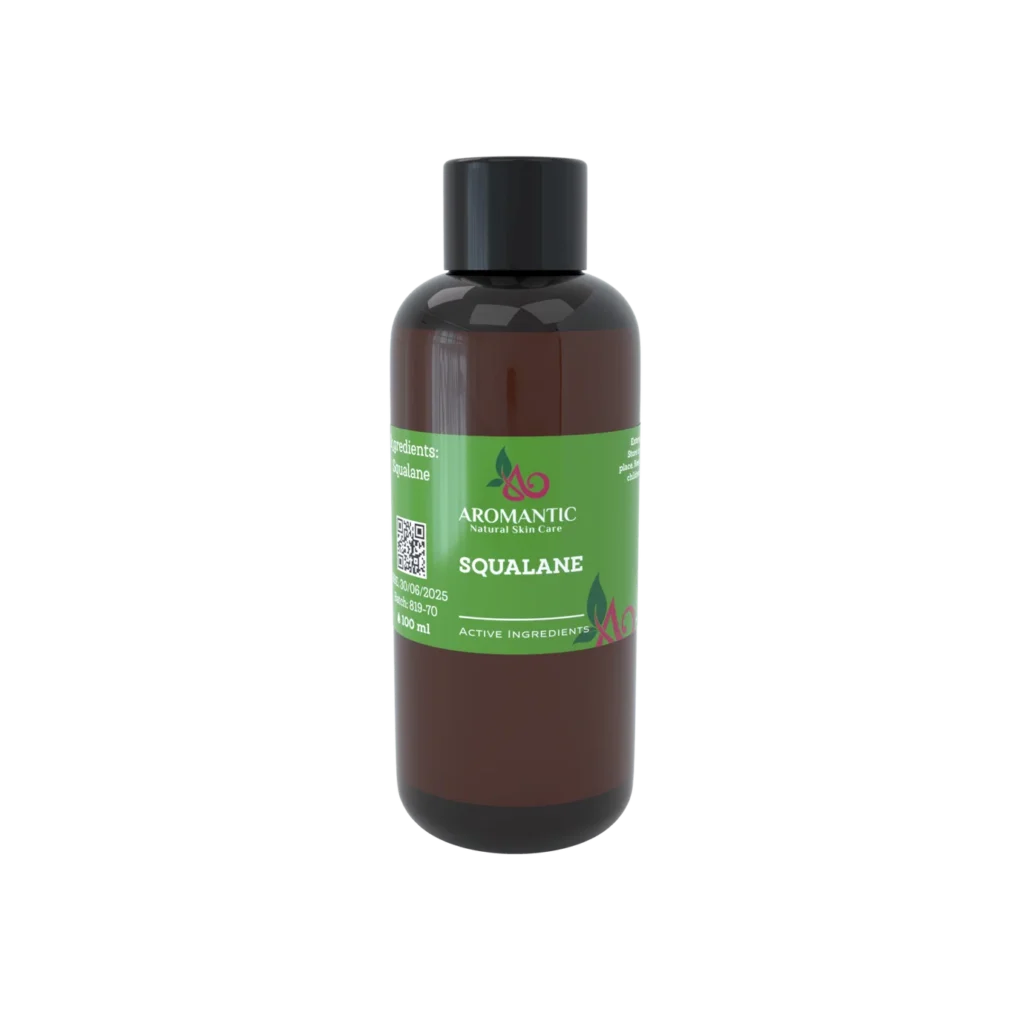
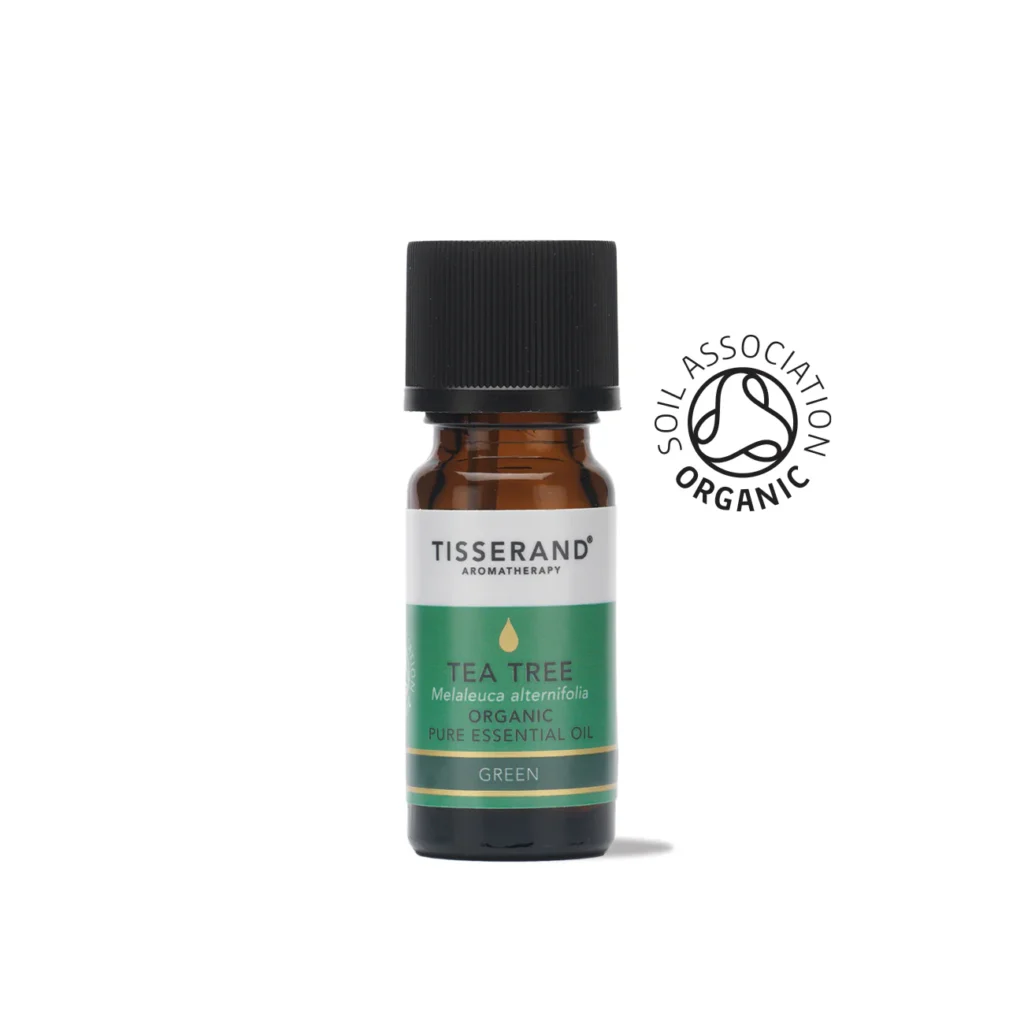
For scalp health (Deep Detox): Tea Tree essential oil and Squalane carrier oil is a strong pairing for a scalp that needs a proper reset. Tea Tree essential oil is well known in natural hair care for helping keep a buildup-prone scalp feeling clearer. And Squalane’s lightweight, biomimetic structure (it closely resembles the skin’s own natural oils) means it penetrates readily without leaving low-porosity hair anything extra to fight against. Treat this one as an occasional deep-treatment rather than everyday. Apply the blend to the scalp once or twice a week before shampooing and leave it on for 10–15 minutes before you rinse it out.
How to Help Low-Porosity Hair Actually Absorb Oil
The oil matters, but how you apply it matters just as much:
- Apply to soaking wet hair, not damp. The more water already in the hair shaft, the more the cuticle has a chance to lift and let a little oil in alongside it.
- Add gentle heat. A warm towel or a few minutes under a steam cap or hooded dryer genuinely helps low-porosity cuticles open up temporarily. Cold or room-temperature application is working against you.
- Mind your LOC/LCO order. For low porosity, LCO (Liquid → Cream → Oil) tends to work better than LOC because sealing with a small amount of a light oil after the cream traps in what little moisture just got absorbed, rather than blocking the cream from getting in at all.
- Use less than you think. Low-porosity hair rarely needs “more”. It needs the right oil which is applied while the hair is receptive and in a thin layer.
DIY Natural Recipe for Low-Porosity Hair
Lightweight Low-Porosity Refresh Oil
This everyday blend combines two of the pairings above, Camellia + Lavender for moisture and Baobab + Rosemary for growth support, into one simple bottle you can reach for on wash day. Patch test the finished blend on your inner arm and wait 24–48 hours before using it on your scalp.
Ingredients:
- 25ml Camellia carrier oil
- 5ml Baobab carrier oil
- 6 drops Rosemary essential oil
- 4 drops Lavender essential oil
How to make: Combine the carrier oils in a small glass dropper bottle, then add the essential oils and shake gently to combine.
How to use: Apply to soaking wet, freshly conditioned hair in small sections on a wash day. If you have time, wrap your hair in a warm towel or sit under a steam cap for 10–15 minutes. Then style as usual.
Oils Comparison Table
| Oil | Why It Works for Low Porosity | Dilution | Caution |
|---|---|---|---|
| Rosemary EO | Supports scalp health and hair growth, pairs well with fast-absorbing carriers | 1–2% | Avoid on broken/irritated skin; patch test first |
| Lavender EO | Calming, gentle enough for regular use, won’t add heaviness | 1–2% | Patch test first |
| Tea Tree EO | Helps keep a buildup-prone scalp feeling clearer; best as an occasional deep-treatment | 1–2% | Can be sensitising for some; patch test first |
| Lemongrass EO | Bright, energising note; pairs with broccoli seed oil for shine | 0.5–1% | Contains citral, more sensitising than most EOs here; use sparingly, patch test first |
| Geranium EO | Gently balancing, helps smooth frizz-prone strands without heaviness | 1–2% | Patch test first |
| Camellia carrier oil | Thin, fast-absorbing, doesn’t sit on the cuticle | Use neat as carrier | Generally well tolerated; patch test new oils |
| Baobab carrier oil | Light texture, absorbs quickly, good for growth-support blends | Use neat as carrier | Patch test new oils |
| Squalane carrier oil | Lightweight and biomimetic to skin’s natural oils; good for deep-treatment blends | Use neat as carrier | Patch test new oils |
| Broccoli seed carrier oil | High in erucic acid, gives silicone-like slip and shine without buildup | Use neat as carrier, sparingly | Oxidises faster than most oils here; buy small, store away from heat/light |
| Moringa carrier oil | Light and oxidatively stable; smooths frizz and adds shine without weight | Use neat as carrier | Patch test new oils |
| Coconut carrier oil | Too heavy for closed cuticles — sits on top rather than absorbing | N/A | Best avoided or used only as a rinse-out pre-shampoo treatment |
| Castor carrier oil | Thick and viscous, tends to coat rather than penetrate | N/A | Use very sparingly, if at all |
FAQ
Is Rosemary essential oil good for low porosity hair? Yes, but it needs to be diluted into a lightweight carrier like baobab carrier oil, for instance. Never use it undiluted and avoid heavy carrier oils like castor oil so you don’t lose most of the benefit.
Can low porosity hair use essential oils at all? Absolutely! Low porosity doesn’t mean “no oils,” it means “the right oils applied the right way.” Lightweight carrier oils, proper dilution and the right application make all the difference.
Why does my hair feel greasy but dry? This is the classic low-porosity trap. If you use unsuitable oils, they leave a heavy coating outside of the strand (the “greasy” feeling) while the inside of the hair shaft still hasn’t absorbed any actual moisture (the “dry” feeling). Switching to lighter oils and applying on soaking wet hair usually resolves this problem.
I’ve already been using coconut oil — is my hair ruined? Not at all! A gentle clarifying wash will lift the buildup. From there you can start fresh with lighter oils applied using the wet-hair, gentle-heat method above.
How often should I use essential oils on low porosity hair? Less often than you’d think. The goal is thin, absorbable layers rather than heavy coverage. That’s why the best approach is to apply an oil blend on wash day only, with maybe a very light refresh mid-week if needed. Daily heavy oiling tends to just rebuild the buildup you’re trying to avoid.
Final Thoughts
Well, after reading this post you can surely say that less is more when it comes to low-porosity hair care products. Your curls need light, easily absorbed oils instead of popular “social media stars” such as coconut oil, castor oil and shea butter that only contribute to a build-up and your hair feeling dry. And if you read this and thought “actually, my hair drinks up moisture and loses it by lunchtime” — you might be on the high-porosity end. Here’s the 5 Essential Oil Blends for High-Porosity Curly Hair companion post.
What are your favourite oils? When do you usually apply them and what does your routine look like? Please share your experience in comments below – I’d love to hear from you.
Disclaimer: This post contains affiliate links. If you purchase through these links, I may earn a small commission at no extra cost to you — it helps me keep creating free content. I only ever recommend products I personally use and trust. This information is for educational purposes only and is not intended to diagnose, treat, cure, or prevent any disease. Always patch test new ingredients, and consult with a healthcare provider if you have specific skin conditions or concerns. If you’re pregnant, nursing, or on medication, check with your doctor before using essential oils.