Perimenopause + Heatwaves: Why Hot Flashes Feel Worse and How Essential Oils Can Help

Hot flashes can be frustrating at any time of year. During a heatwave, however, they can feel almost unbearable. One moment you’re enjoying your morning coffee, and the next you’re drenched in sweat, your heart is racing, your face is bright red, and you can’t think clearly enough to finish a sentence. If this sounds familiar, you’re far from alone.
Millions of women experience worsening menopausal symptoms during hot weather, yet surprisingly few know why it happens or how simple lifestyle changes may help make those scorching days more manageable. This blog is built on the everyday, practical use of essential oils and this is no exception and this particular case isn’t an exception.
While essential oils won’t stop menopause or aren’t a replacement for HRT, they may support your body’s natural stress response, improve sleep, encourage relaxation, and provide a refreshing cooling sensation that makes hot flashes feel easier to cope with.
In this post, I will explain what exactly is happening in our bodies during a hot flash, why heatwaves make everything worse, and how essential oils, used thoughtfully and safely, can become part of your cooling toolkit. Plus, two DIY recipes you can make tonight. Let’s go!
What Exactly Are Hot Flashes?
A hot flash (also called a hot flush) is a sudden, intense feeling of warmth that spreads through your upper body — typically your face, neck, and chest.
It often comes with:
- Flushed or blotchy skin (you might look like you’ve been running, even if you’re sitting still)
- Sweating — sometimes profuse, especially on your upper body
- A racing heart or palpitations
- A feeling of anxiety or “rushed” panic
- Chills or shivering once the heat passes
When hot flashes happen at night and wake you up drenched in sweat, they’re called night sweats. Most hot flashes last between 30 seconds to 5 minutes, though some can linger longer. Some women get a few a week. Others get 10+ a day. There’s no “normal” — it varies wildly. On average, women experience hot flashes for about 4–7 years, but for some, they can last 10+ years.
Why Do We Start Getting Hot Flashes in Perimenopause?

Here’s the short version: it’s your hormones — specifically, estrogen. During perimenopause (the years leading up to menopause, when your periods start getting irregular), your estrogen levels don’t just drop, they fluctuate wildly.
This hormonal chaos affects your hypothalamus — the part of your brain that acts as your body’s internal thermostat. Normally, your hypothalamus keeps your core body temperature in a comfortable “thermoneutral zone” which is a narrow range where you don’t feel too hot or too cold.
But when estrogen drops, that thermoneutral zone shrinks dramatically. Suddenly, even a tiny rise in your core temperature (as little as 0.1–0.2°C) triggers an exaggerated “cool down” response:
- Your blood vessels dilate (that’s the flushing)
- You start sweating (to cool off)
- Your heart rate speeds up
In other words: Your brain thinks you’re overheating, even when you’re not, and hits the panic button. This is why hot flashes can feel so random. They’re not caused by external temperature — they’re a neurological event triggered by hormonal shifts..
Common Hot Flash Triggers
While hot flashes can strike without warning, certain triggers can make them more likely or more intense:
- Stress or anxiety: cortisol spikes can worsen thermoregulation issues.
- Caffeine or alcohol: both can dilate blood vessels and raise body temperature.
- Spicy foods or hot beverages: they literally raise your internal temperature.
- Warm environments: hot rooms, saunas, direct sunlight.
- Tight or synthetic clothing: traps heat against your skin.
- Smoking: linked to more frequent and severe hot flashes.
- Lack of sleep: poor sleep worsens hormonal imbalances.
- Sudden temperature changes: walking from AC into outdoor heat, or vice versa.
Keeping a symptom journal can help you identify your personal triggers and avoid them when possible.
Why Heatwaves Make Hot Flashes So Much Worse
Imagine trying to cool your house by opening the windows… Except it’s 35°C outside! That’s essentially what happens during a heatwave.
Normally, your body releases heat through:
- Sweating
- Air circulation
- Cooler surrounding temperatures
- Blood vessel expansion
But during a heatwave:
- The surrounding air is already hot.
- Sweat evaporates less efficiently.
- Humidity reduces cooling.
- Your core temperature starts slightly higher.
- Your thermostat becomes even more sensitive.
As a result, the threshold for triggering a hot flash becomes much lower. Even walking upstairs, cooking dinner or drinking tea can become enough to trigger an episode. Sleep also suffers.
If your bedroom never cools overnight, your body struggles to lower its core temperature which is something that’s essential for deep, restorative sleep. Poor sleep then increases stress hormones, which can trigger even more hot flashes the following day. So it quickly becomes a vicious cycle.
How Essential Oils Can Help Hot Flashes
As I already said essential oils cannot stop hormonal changes or replace medical treatment. However, they may support wellbeing in several helpful ways.
Many women report benefits because essential oils can:
- Encourage relaxation
- Reduce feelings of stress
- Support better sleep
- Create a refreshing cooling sensation
- Improve mood
- Help establish calming bedtime routines
Best Essential Oils for Perimenopause Hot Flashes during Heatwaves
Peppermint essential oil (Mentha piperita)
Peppermint essential oil is the undisputed queen of cooling. Its high menthol content provides an immediate, icy sensation.
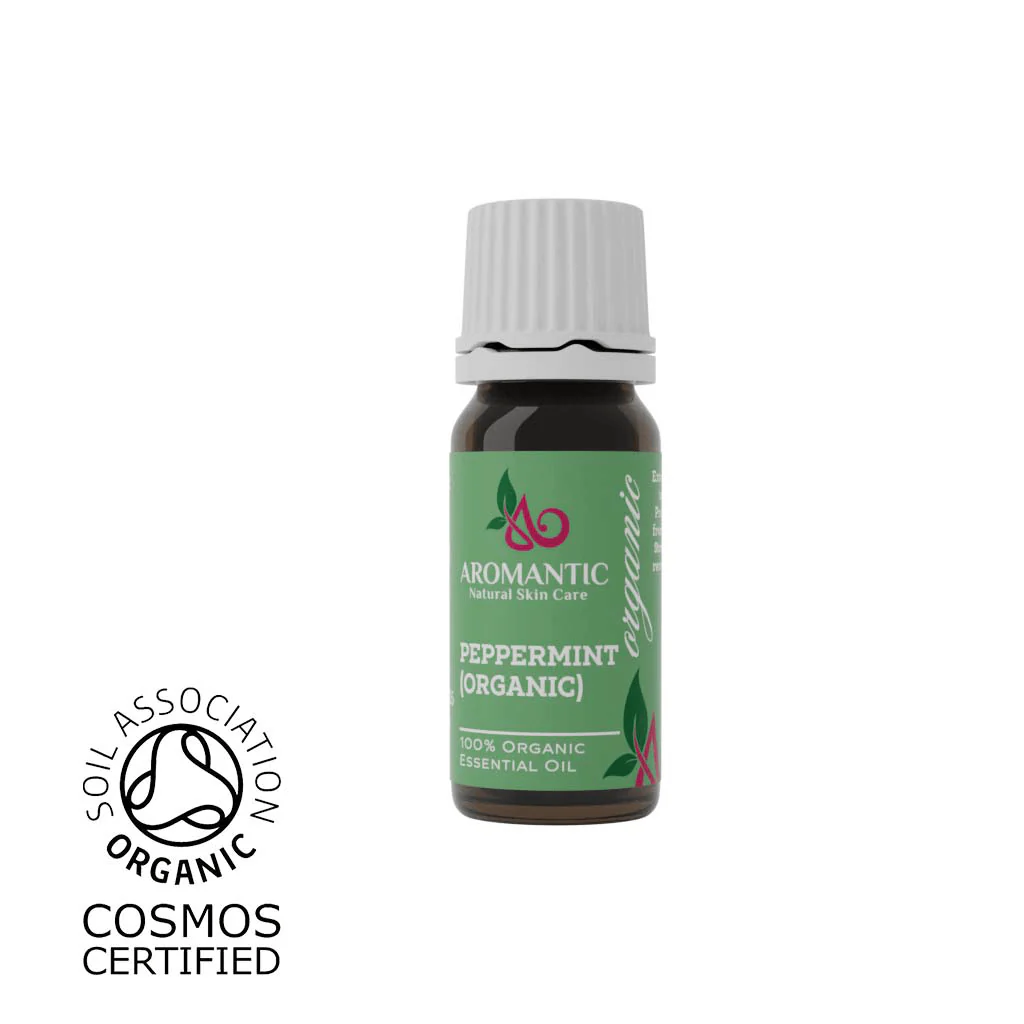
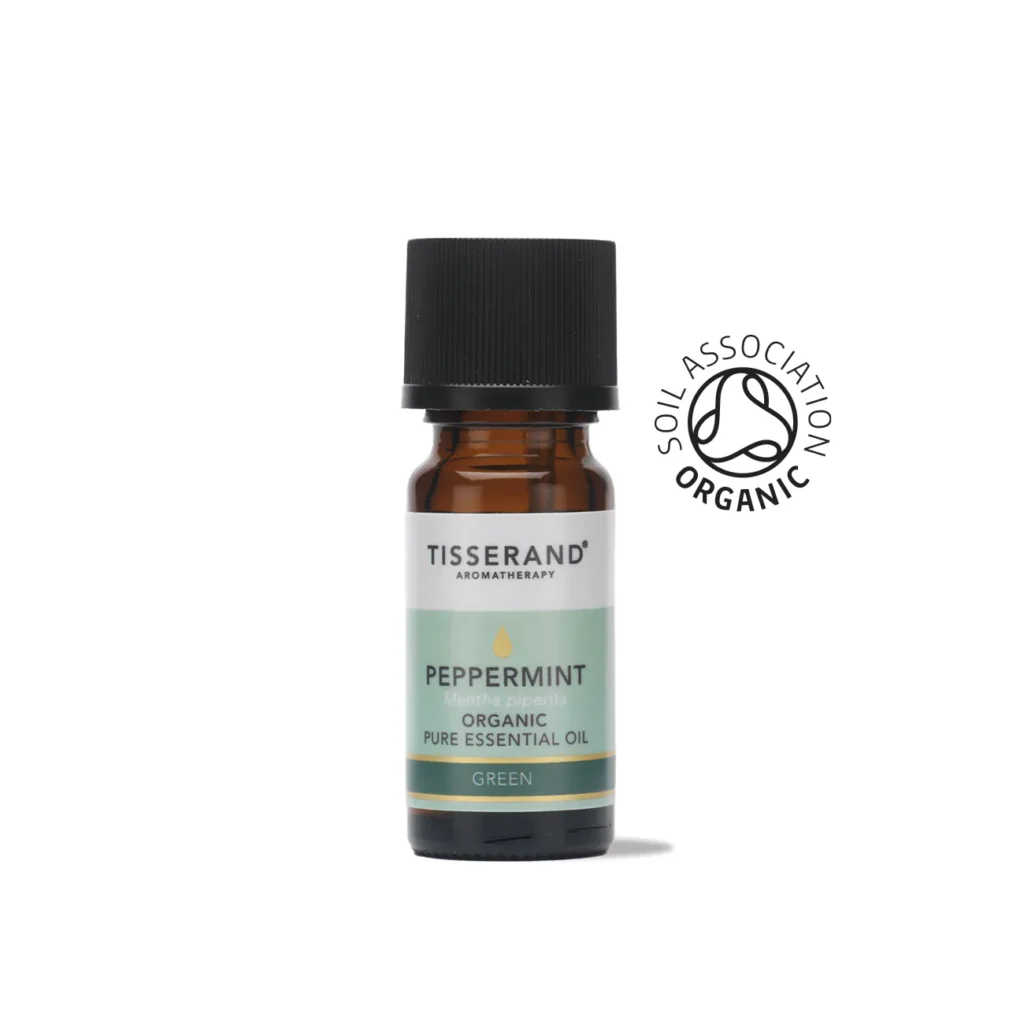
Why it works: Peppermint essential oil contains menthol which tricks the brain into feeling cold, which can interrupt the sensation of heat and make a flash feel more bearable.
Bonus: It is also excellent for the “brain fog” that often accompanies perimenopause.
Clary Sage essential oil (Salvia sclarea)
Often called the “woman’s oil,” Clary Sage essential oil is a must-have if your body goes through hormonal change.
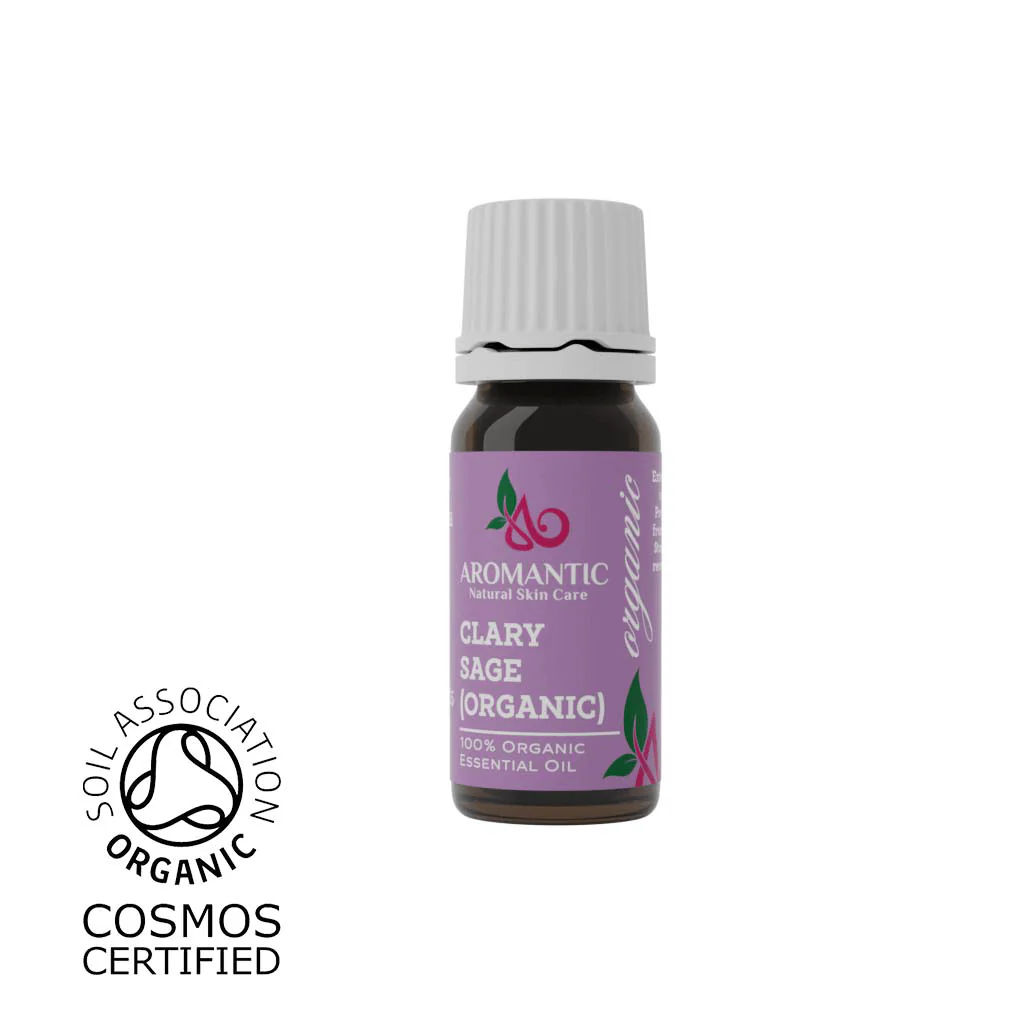
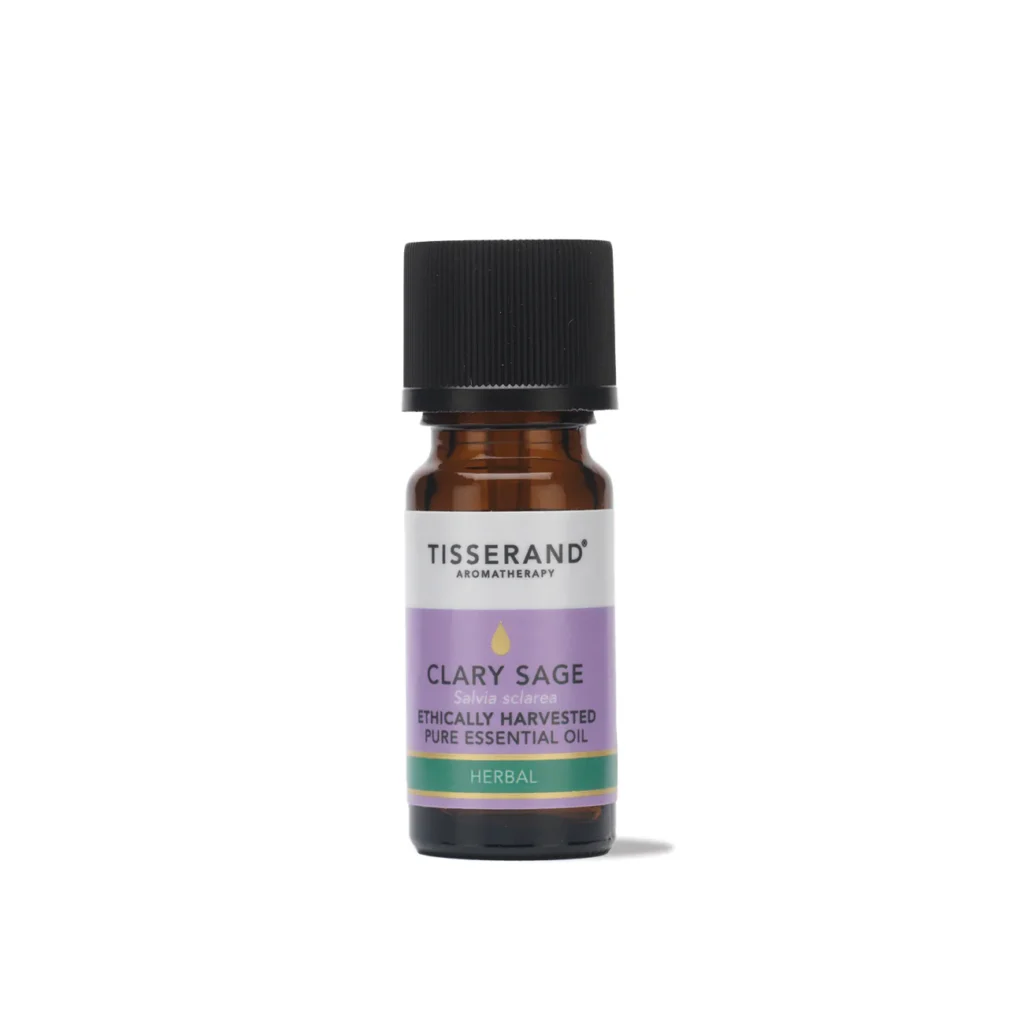
Why it works: It contains sclareol, which is believed to have a balancing effect on estrogen levels. I’ve been using it mysefl and find it highly effective at reducing the frequency of flashes and calming the “hormonal rage” or anxiety.
Lavender essential oil (Lavandula angustifolia)
Lavender essential oil is the reliable all-rounder as it goes where it is needed.
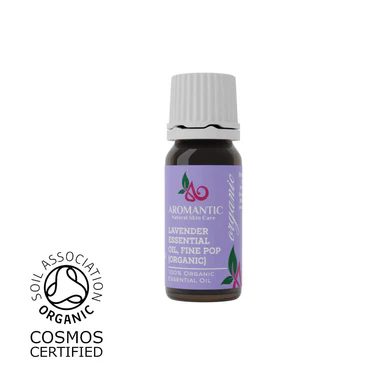
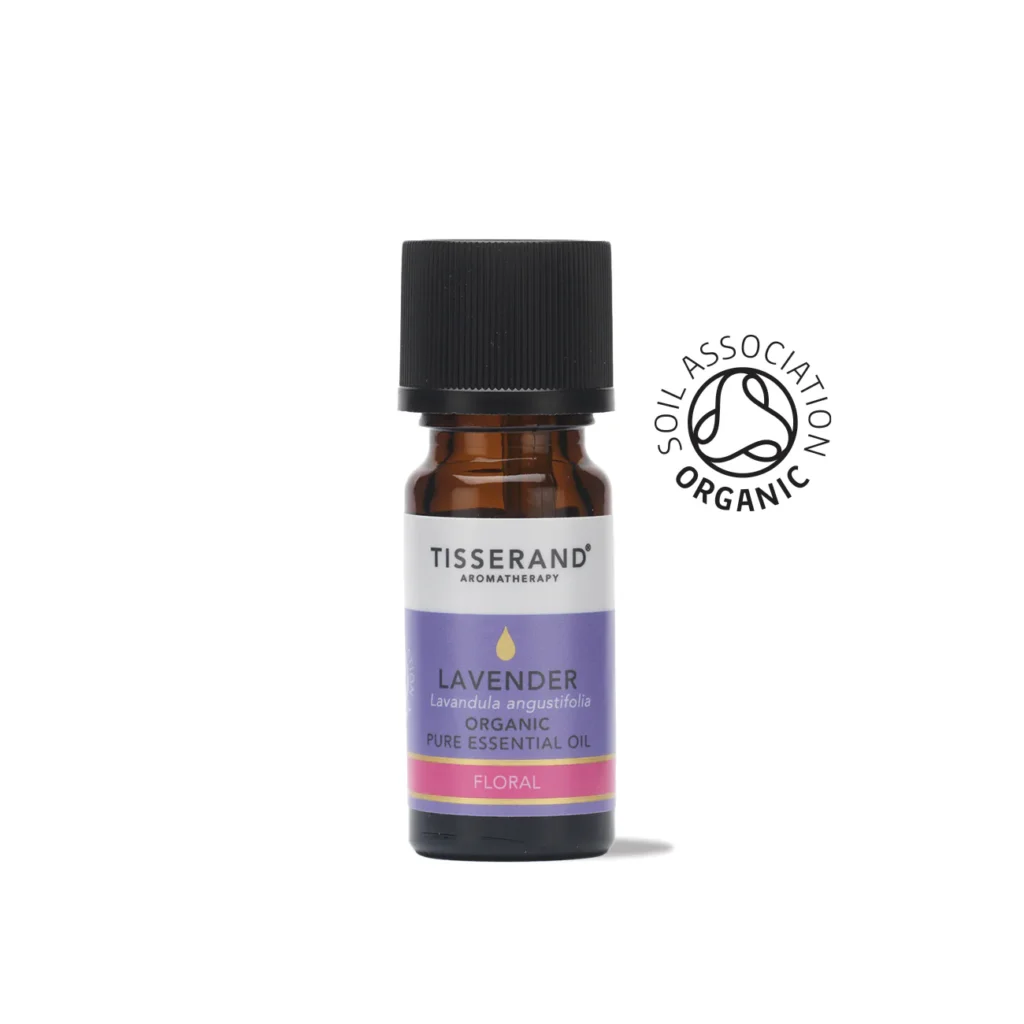
Why it works: It has been studied for its effect on stress markers, including cortisol. Since stress is a major trigger for flashes, Lavender essential oil acts as a preventative measure. It also helps with the insomnia caused by night sweats.
Geranium essential oil (Pelargonium graveolens)
Geranium essential oil is a powerful hormonal and emotional balancer.
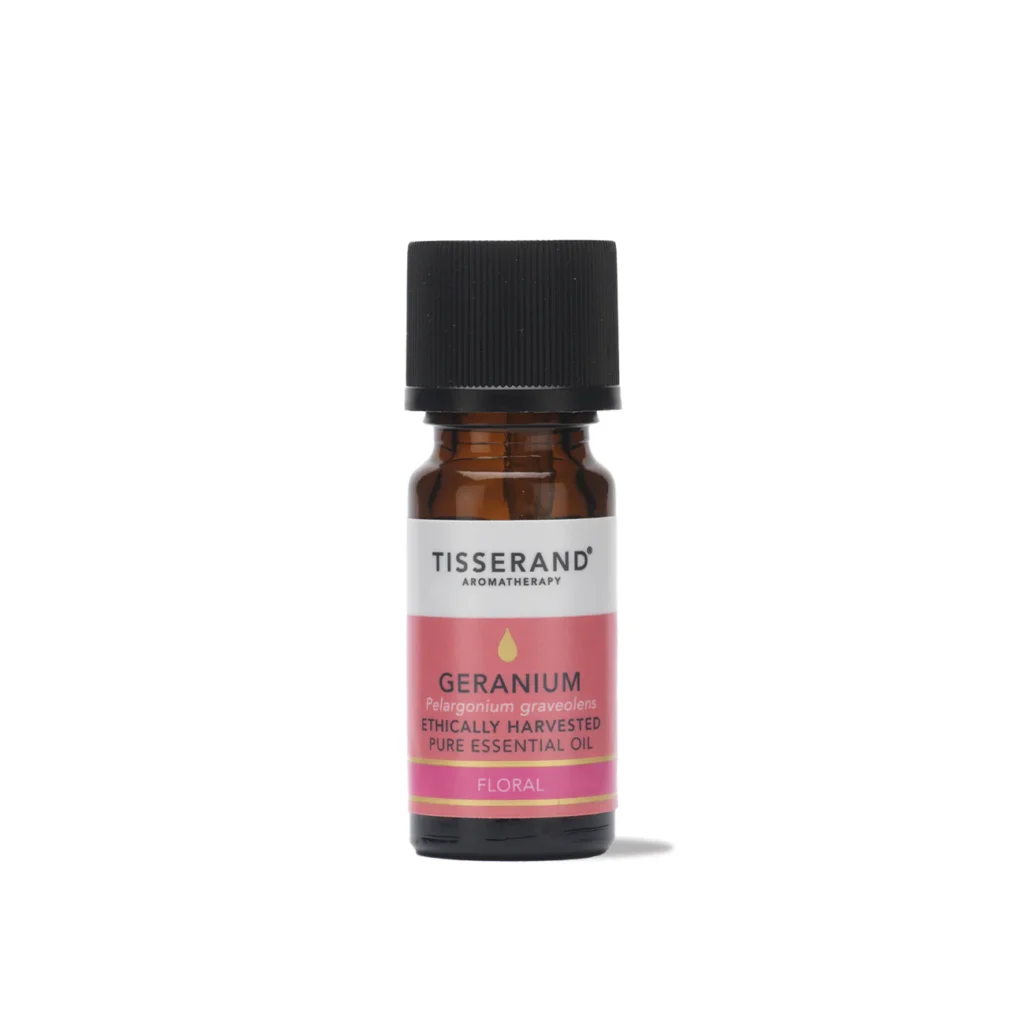
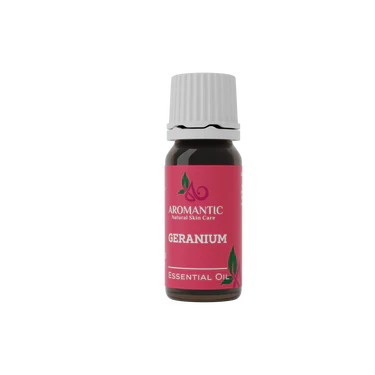
Why it works: Geranium essential oil supports the adrenal cortex, which is vital during perimenopause. As ovaries slow down production of sex hormones (estrogen and testosterone) during perimenopause/menopause, the adrenal glands become the primary backup source for them.
Cypress essential oil (Cupressus sempervirens)
Cypress essential oil is the “oil of transition.”
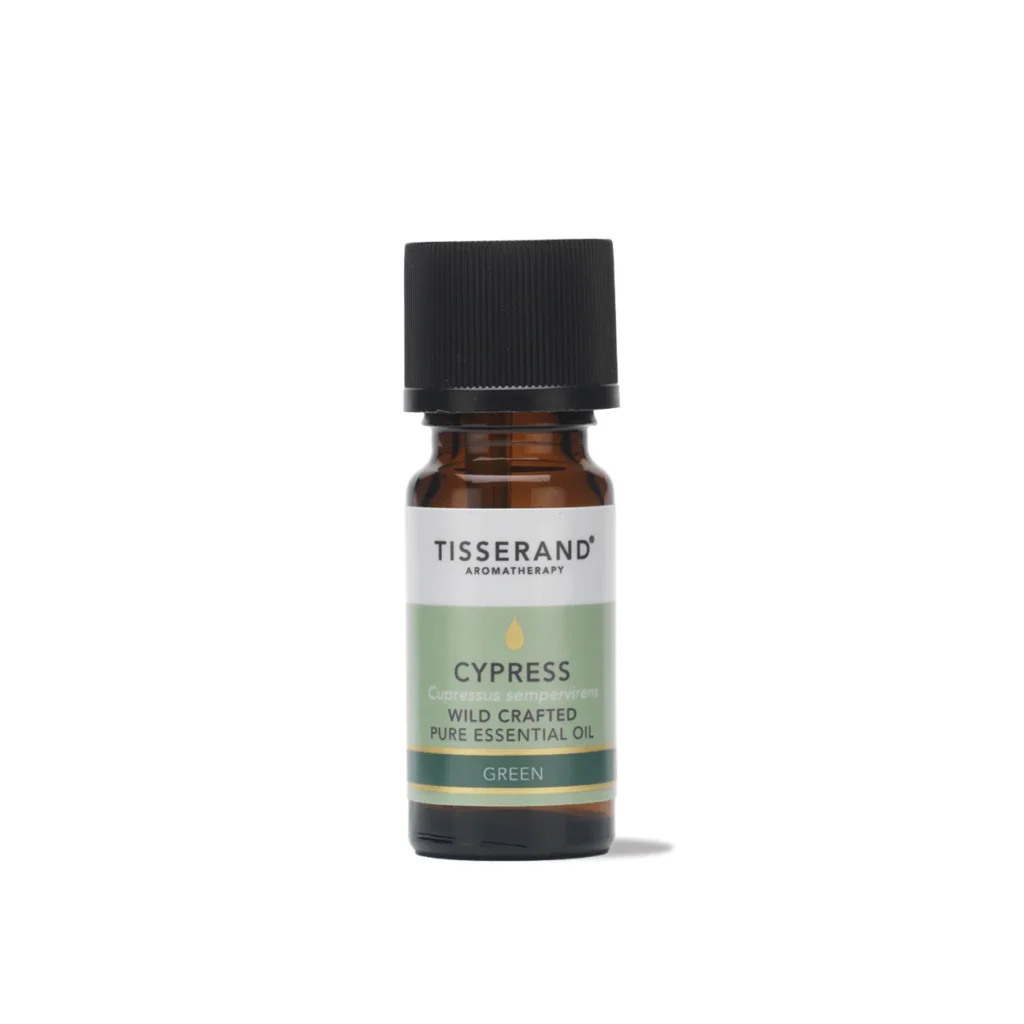
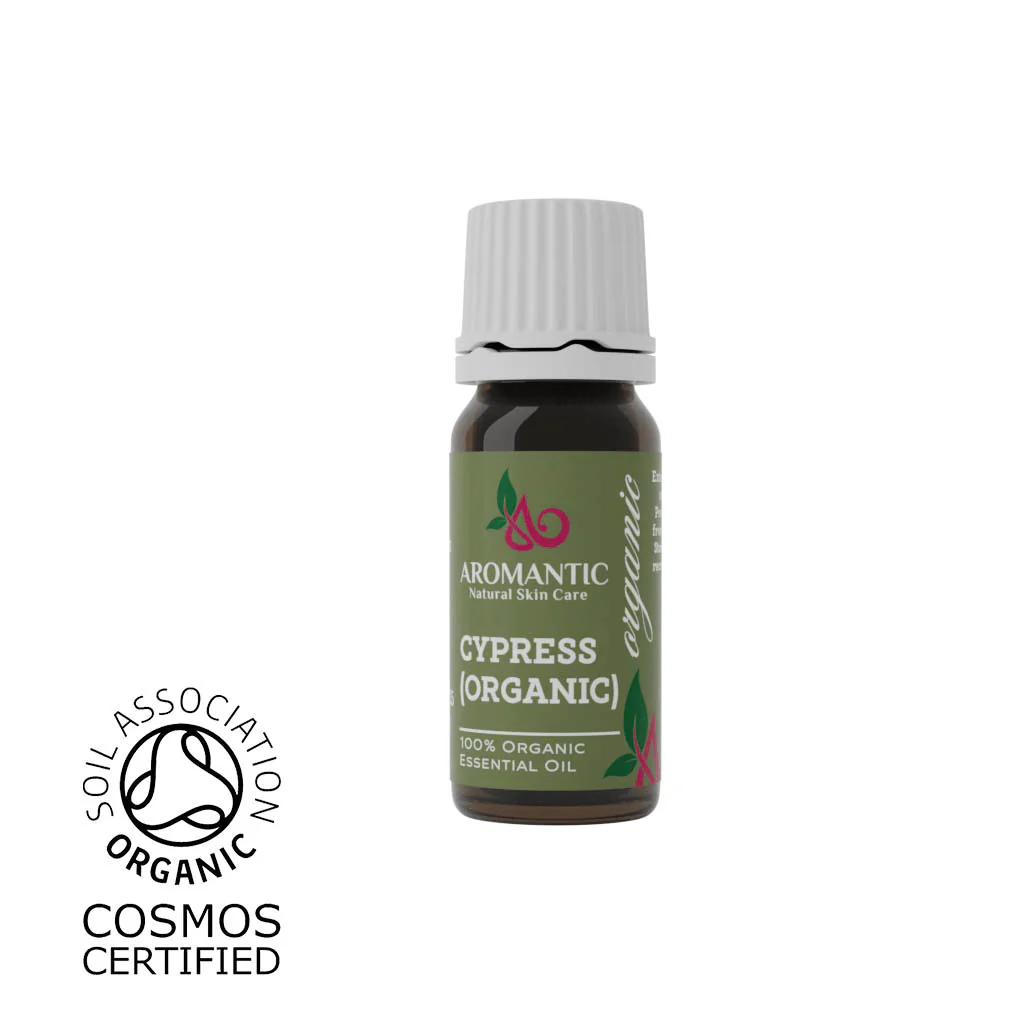
Why it works: Traditionally regarded in aromatherapy as a vasoconstrictor and a fluid balancer. It helps tone the blood vessels that dilate during a flash which can potentially reduce the intensity of the “flush.” Cypress essential oil also helps with the fluid retention (edema) that many women experience during heatwaves.
Roman Chamomile essential oil (Anthemis nobilis)
If your hot flashes leave you feeling irritable and “hot-headed,” Roman Chamomile essential oil is your best friend.
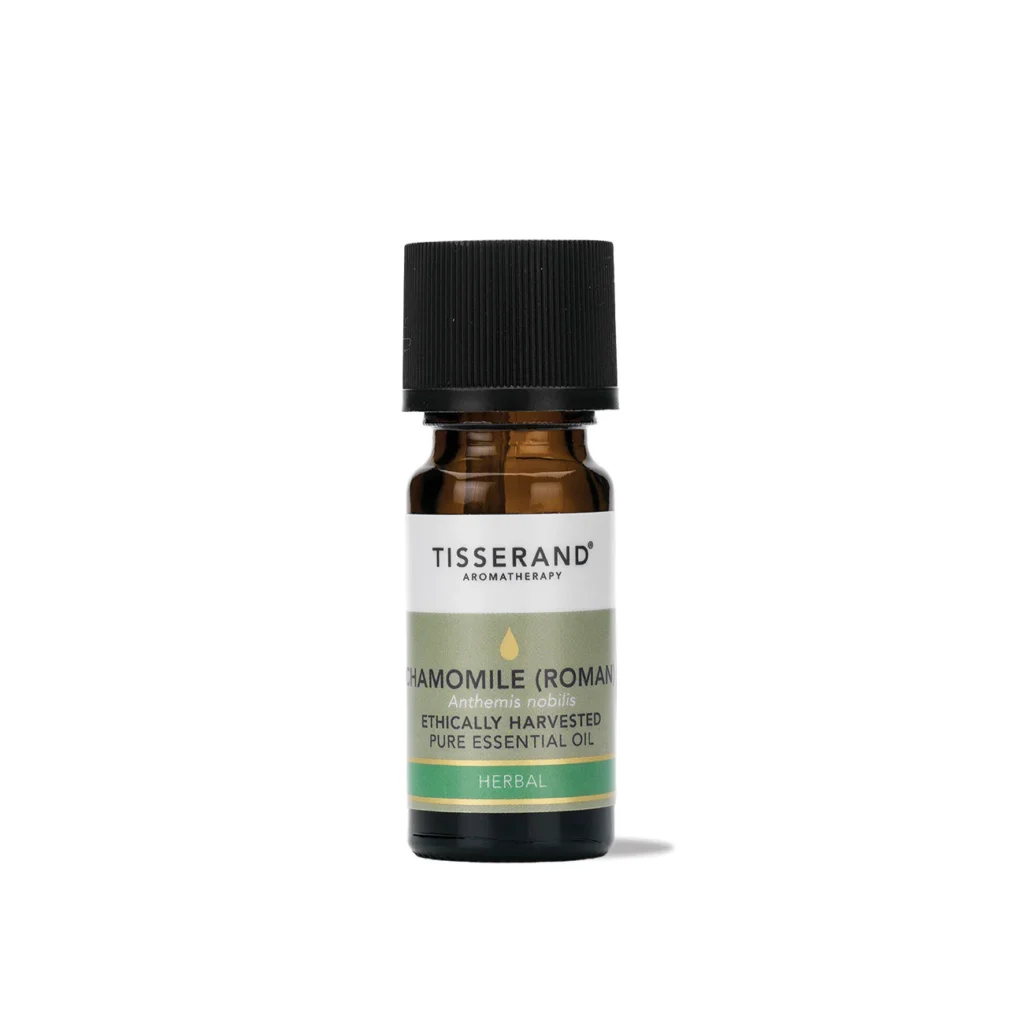
Why it works: It is one of the most soothing oils that exists. It calms the nervous system and reduces the “heat” of anger and frustration.
Methods of Using Essential Oils during Heatwaves for Hot Flashes
- Topical: Apply diluted essential oils (never neat!) to pulse points, the back of the neck, wrists or feet. A standard dilution for body use is around 2% which is roughly 12 drops of essential oil per 30ml of a carrier oil.
- Inhalation: Apply 1 -2 drops of an essential oil on a tissue/cotton wool and then slowly breathe in during a hot flash.
- Cooling spritzers: Combine distilled/filtered water with a few drops of an essential oil of your choice. You can use it on your face, neck or a whole body and also you can mist your room with it.
- Diffuser: Best for bedroom or living space to create a calming evening atmosphere that supports sleep. Add a couple of drops of your favourite blend to the diffuser and enjoy the relaxing atmosphere it creates.
DIY Recipes for Hot Flashes Heatwave relief
Cooling Roller for On-the-Go Relief
Perfect for purse or desk drawer during heatwaves.
Ingredients:
- 10 ml Jojoba carrier (base) oil
- 3 drops Peppermint essential oil
- 2 drops Lavender essential oil
- 1 drop Geranium essential oil
How to make:
- Add carrier oil to a 10 ml roller bottle.
- Add essential oils directly to gel and swirl to mix.
- Top up with distilled water, cap and shake vigorously.
- Store in fridge for up to 4 weeks.
How to use: Roll onto wrists, temples or back of neck at first sign of a flash. Shake before each use.
Pillow & Bedroom Cooling Spray
Targets night sweats and promotes restful sleep.
Ingredients:
- 90 ml distilled water
- 10 ml Witch Hazel
- 8 drops Lavender essential oil
- 4 drops Chamomile Roman essential oil
- 2 drops Geranium essential oil
How to make:
- Combine Witch Hazel and essential oils in a 100ml glass amber bottle.
- Add distilled water, cap and shake well.
- Store in a cool, dark place (or fridge) for up to 6 weeks.
How to use: Mist lightly over pillowcase and bedsheets 15 minutes before sleep.
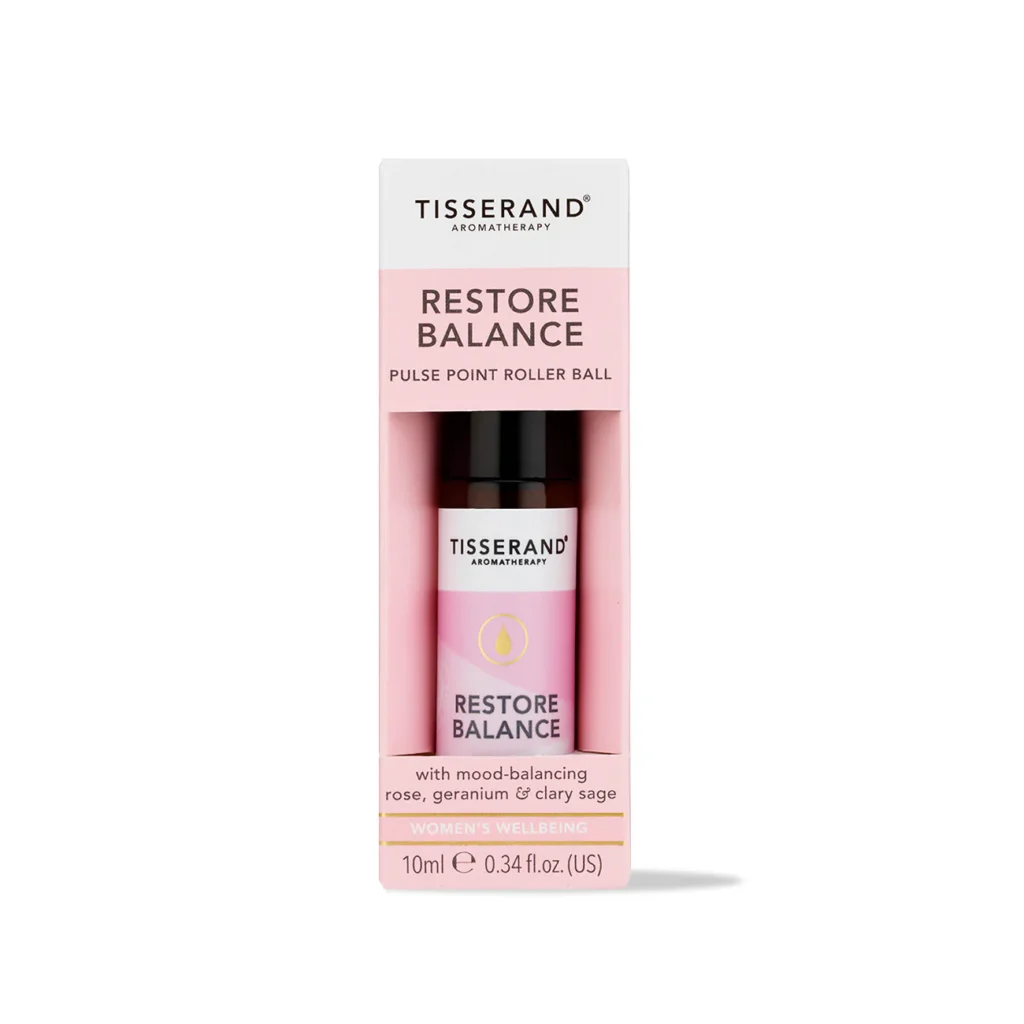
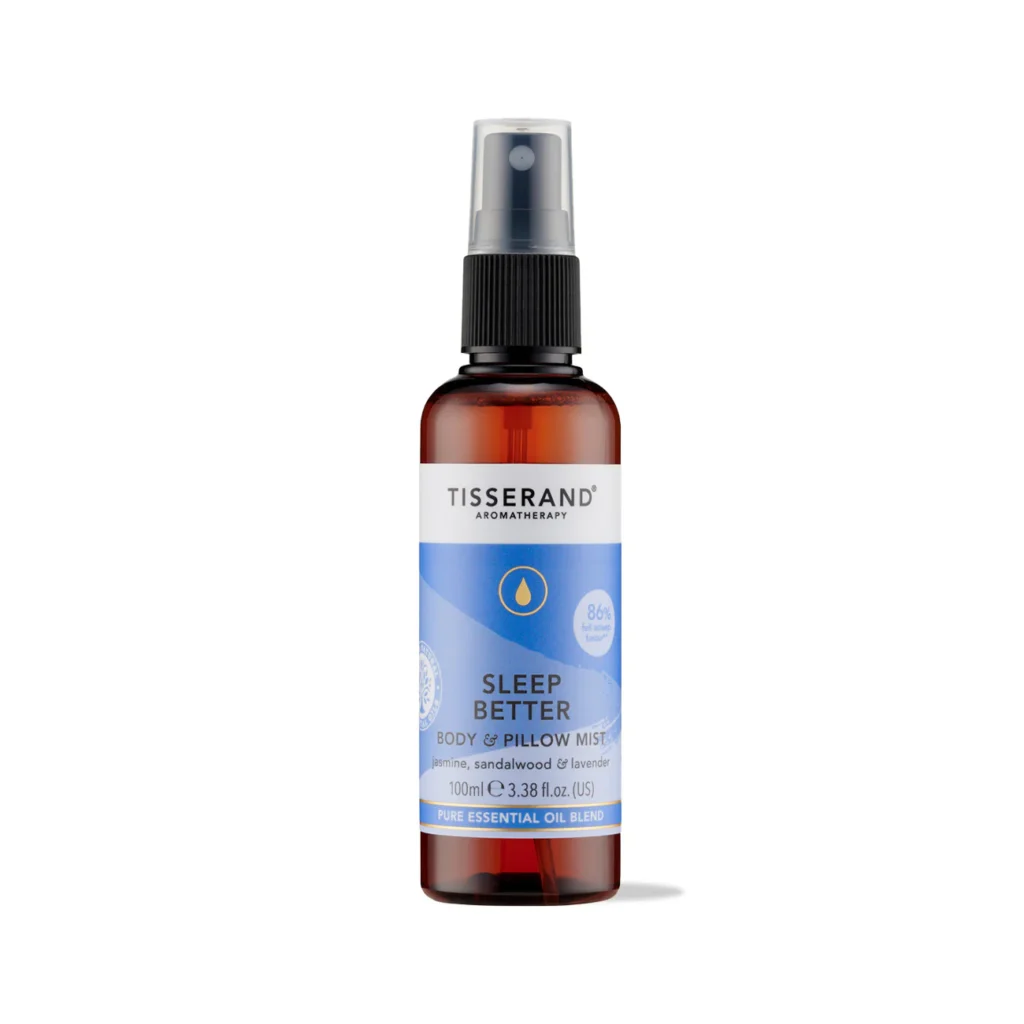
If you’re one of those who don’t have loads of time on your hands and rather buy a ready product instead, I recommend to try Tisserand Sleep Better Body & Pillow Mist and Tisserand Restore Balance Pulse Point Roller Ball. It’s ready to use products and a good value for money in my opinion.
Other Best Cooling Tips for Perimenopause during Heatwaves
Essential oils work best as part of a holistic strategy. Use these evidence-based practices for maximum relief:
- Dress in breathable layers: Natural fibers like cotton, linen, or bamboo wick moisture and allow airflow.
- Use cooling accessories: Gel-filled neck wraps, chilled eye masks, or handheld fans can provide instant relief.
- Hydrate strategically: Sip cool (not icy) water throughout the day; add electrolytes if sweating heavily.
- Optimize your sleep environment: Use moisture-wicking bedding, keep bedroom at 16–18°C (60–65°F), and consider a cooling mattress pad.
- Time your activities: Avoid peak heat hours (11 a.m.–4 p.m.) for exercise or errands; schedule demanding tasks for cooler parts of the day.
- Practice paced respiration: Slow, deep breathing (6–8 breaths/minute) can reduce hot flash frequency and intensity by calming nervous system.
- Limit triggers proactively: Reduce alcohol, caffeine, and spicy foods during heatwaves; opt for cooling foods like cucumber, watermelon, and mint.
- Track your patterns: Use a symptom journal or app to identify personal triggers and measure what works.
Conclusion
Perimenopause is a period of profound physical transformation. Treat yourself gently, keep your cooling spritzer close at hand, listen to your body’s signals and take time to rest. Going through hormonal change can be sometimes hard, but you have many natural tools that can make this period of your life more bearable.
One of the most powerful tools is essential oils. Of course they won’t restore your hormones, but you can rely on them to mitigate the symptoms and even create your own routine of self care that will bring you an amazing feel of a wellbeing every time you perform it. Try them, use them, experiment with them! These amazing-smelling oils are truly powerful. For me personally Geranium essential oil is my hero. I like to breathe it in and its sweet, rose-like scent relaxes, comforts and puts me at ease straight away. And that feel of wellbeing is priceless. So keep a roller in your bag, a mist by your bed and a diffuser on in the evening and relax. You got it! Please leave your comments in the box bellow.
Disclaimer: This post contains affiliate links. If you purchase through these links, I may earn a small commission at no extra cost to you — it helps me keep creating free content. I only ever recommend products I personally use and trust. This information is for educational purposes only and is not intended to diagnose, treat, cure, or prevent any disease. Always patch test new ingredients, and consult with a healthcare provider if you have specific skin conditions or concerns. If you’re pregnant, nursing, or on medication, check with your doctor before using essential oils.
Related Posts:
- Why Skin Gets Dry After 40 and How to Fix it with Natural Oils
- Best Essential Oils for Ageing Skin: Natural Solutions That Actually Work (DIY Firming and Toning Facial Oil recipe included)
- Essential Oils for Age Spots & Hyperpigmentation After 40: Natural Radiance for Mature Skin
- Patchouli Essential Oil for Skin. The Anti-Ageing, Scar-Fading Oil You’ve Been Ignoring