Best Essential Oils for Curly Hair in Winter (Plus Easy DIY Curly Hair Winter Serum Recipe)

Winter months are not only challenging for our skin, but so is for our hair, especially if you’ve got curls. Curly hair is prone to dryness, frizz, lack of moisture on a good day, let alone when the temperatures are low. Plus there is other contributing factors such as wind, humidity, central heating, etc. Essential oils blends offer an effective solution to combat common curly hair problems during winter. Depending on your hair requirements you can pick the oils and tailor them to help you with one particular problem, for instance, reduce scalp dryness. Or tackle a couple of them at the same time as their usage is very versatile. From this article you will learn why essential oils are beneficial for curly hair, how they help with nourishing and repairing winter stressed curls and how to use essential oils, so you can get the most of their therapeutic nature. You will be given information on how to safely create blends, what dilution rates are and what are the best oils for your curls during cold winter months.
Why Winter is Especially Hard on Curly Hair
Different Cuticle Structure – Curly hair is inherently more vulnerable to environmental factors because of its irregular cuticle pattern. That means curly hair has more gaps through which moisture can escape and environmental damage can penetrate. Besides, natural oils, aka sebum, struggle to navigate the curls’ spiral shape and do not travel easily from root to tip, leaving the mid-lengths and ends perpetually under-nourished. During winter when hair is exposed to low temperatures, central heating, cold wind and drastic change in temperature during indoor- outdoor transitioning the situation gets even more worse.
Factors Affecting Curls During Cold Months
- Low humidity is one of the main factors that influences curly hair during cold weather periods. When we are outside, cold air holds less moisture than warm air and, as a consequence, the moisture from your hair is pulled out by the cold air when you are outside. The temperature shock also causes the hair cuticle to contract, creating microscopic damage over time, making curly hair even more prone to a moisture loss.
- When we are indoors, central heating strips humidity from the air, often dropping it below 30% when healthy hair thrives around 40-60%. This dry air acts like a sponge, constantly pulling moisture from your hair strands which compromises moisture retention further and creates a relentless cycle of dehydration.
- The indoor-outdoor transition might be in itself the most damaging element of all. Moving between heated indoor spaces and frigid outdoor air multiple times daily, subjects your hair to extreme temperature fluctuations. Each transition causes the hair shaft to contract or expand, gradually weakening the structural integrity of already fragile curls.
- Also hygral fatigue cycle becomes particularly vicious in winter. Your hair absorbs water from your shower or products, swells, then rapidly loses that moisture to the dry air and contracts. This repeated swelling and contracting weakens the hair structure faster than normal seasonal changes.
- Add to all this the mechanical damage from winter accessories, such as hats, scarves, coat collars, created by repeated contact at the nape, around the ears and at the crown. To no surprise these high-friction zones experience more breakage, tangling, and frizz. No wonder the curls start to show signs of distress during winter with so many factors that negatively impact them during this period of year.
Signs of Cold Weather Damage
- Cold weather damage manifests through increased brittleness where hair snaps, rather than stretch
- Loss of curl definition as damaged proteins can’t maintain their spiral shape
- Excessive shedding at the roots where follicles react to stress
- And porosity changes where the cuticle becomes more porous and less able to retain moisture or colour.
- Winter air’s low humidity creates ideal conditions for static electricity buildup. When hair loses moisture, it becomes a better conductor of electrical charge. For curly hair this means individual strands repel each other, destroying curl clumps and creating that dreaded halo of frizz, that no amount of smoothing seems to fix.
- Winter’s dry air doesn’t just affect your hair strands; your scalp suffers tremendously. Decreased sebum production due to cold temperatures combines with heating-induced dehydration creates dry, flaky, itchy scalp conditions. Many curlies mistake this for dandruff and over-wash, making the problem worse.
How Essential Oils Can Be Beneficial for Curls During Winter
Essential oils are highly concentrated plant extracts containing volatile aromatic components with specific biological activities. Essential oils don’t just smell wonderful, they contain active compounds with genuine therapeutic properties that can strengthen, moisturise, protect, and heal winter-damaged curls. When properly diluted and applied, these compounds from oils can penetrate deeply into the hair shaft and scalp, delivering benefits that synthetic ingredients often can’t match.
The targeted use of essential oils provides several overarching benefits necessary for long-term curl health during the winter:
- Deep Hydration and Moisture Retention: This is the most critical benefit. Essential oils when mixed with carrier oils like Jojoba (which mimics natural sebum) or Argan (lightweight and penetrating) ensure that moisture is locked into the hair shaft, preventing the characteristic winter dryness.
- Optimized Scalp Environment: A healthy scalp is the foundation for healthy hair growth. Oils like Tea Tree and Rosemary keep the scalp clean, stimulated, and free from the flaking and irritation that often accompany cold, dry air.
- Protection from Environmental Damage: The oil blend forms a physical barrier that protects the hair from the drying effects of wind, cold, and the sudden temperature changes experienced when moving from outdoors to heated indoors.
- Reduced Static and Flyaways: The moisturizing and smoothing properties of the oils neutralize the static charge that builds up in dry environments, which is a major cause of winter flyaways and frizz.
As you can see, essential oils address multiple challenges simultaneously. They provide antimicrobial protection for the scalp, improve circulation to encourage healthy growth, seal moisture into the hair shaft, smooth the cuticle to reduce frizz and strengthen the hair structure against environmental stress. Their high penetration ability makes them ideal for curly hair routine as they deliver the results needed without overloading curls with unnecessary ingredients that normally contain haircare products.
Safety Considerations for Essential Oils
Proper Dilution
Essential oils are extremely concentrated and should never be applied undiluted to scalp or hair. Proper dilution is typically 2-3% for facial and scalp use, which translates to about 12-18 drops per 30 ml of carrier oil.
Patch Testing
Always patch test new essential oils before using them extensively. Apply a small amount of your diluted blend to the inside of your wrist or elbow and wait 24-48 hours. If redness, itching, or irritation develops, don’t use that oil. This is particularly important if you have sensitive skin or a history of allergies.
Pregnancy and Health Conditions
Some essential oils should be avoided during pregnancy, while nursing, or with certain health conditions. If you’re pregnant, nursing, or have health conditions, consult with a qualified aromatherapist or healthcare provider before using essential oils.
Quality Matters
To get the best from essential oils use only pure, therapeutic-grade essential oils from reputable suppliers. Synthetic fragrance oils or adulterated essential oils can cause irritation and won’t provide therapeutic benefits. Look for oils that are:
- 100% pure with no additives
- Tested by third-party labs (GC/MS testing)
- Stored in dark glass bottles
- From reputable suppliers specialising in aromatherapy. Poor-quality oils may be contaminated with synthetic chemicals or cut with cheap fillers that can damage hair or irritate scalp. My favorite places to go when I do my own shopping are Aromantic and Tisserand They offer a wide range of high quality essential and carrier oils along with some other products that you may find to be interested in.
Sun Sensitivity
Some essential oils, particularly citrus oils (Lemon, Bergamot, Grapefruit, Lime), are phototoxic and can cause severe skin reactions when exposed to UV light. If you use these oils in your hair care routine, avoid sun exposure for at least 12-24 hours after application, or skip these oils if you’ll be outdoors.
Storage
Store your essential oils blends in dark glass bottles away from heat and light. Properly stored, most blends will last 6-12 months. If the scent changes or the oil becomes cloudy, discard it.
Top Best Essential OIls for Winter Curls
The best essential oils for curly hair during winter are those that focus on two main areas: moisture retention, through smoothing the cuticle and regulating sebum, and scalp health, through stimulating circulation and combating dryness-related itchiness or flaking. Here is the selection of essential oils that will help you to maintain healthy curls even when it is cold.
Rosemary Essential Oil
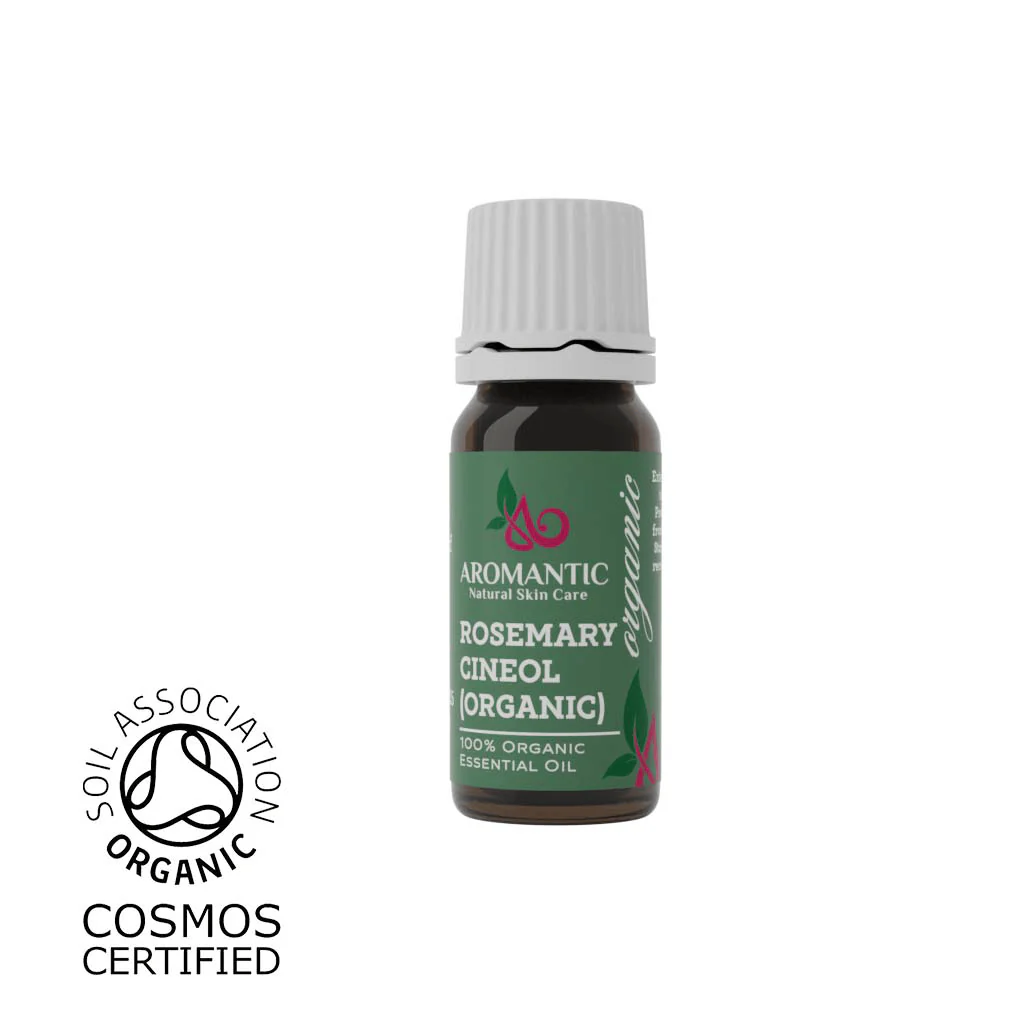
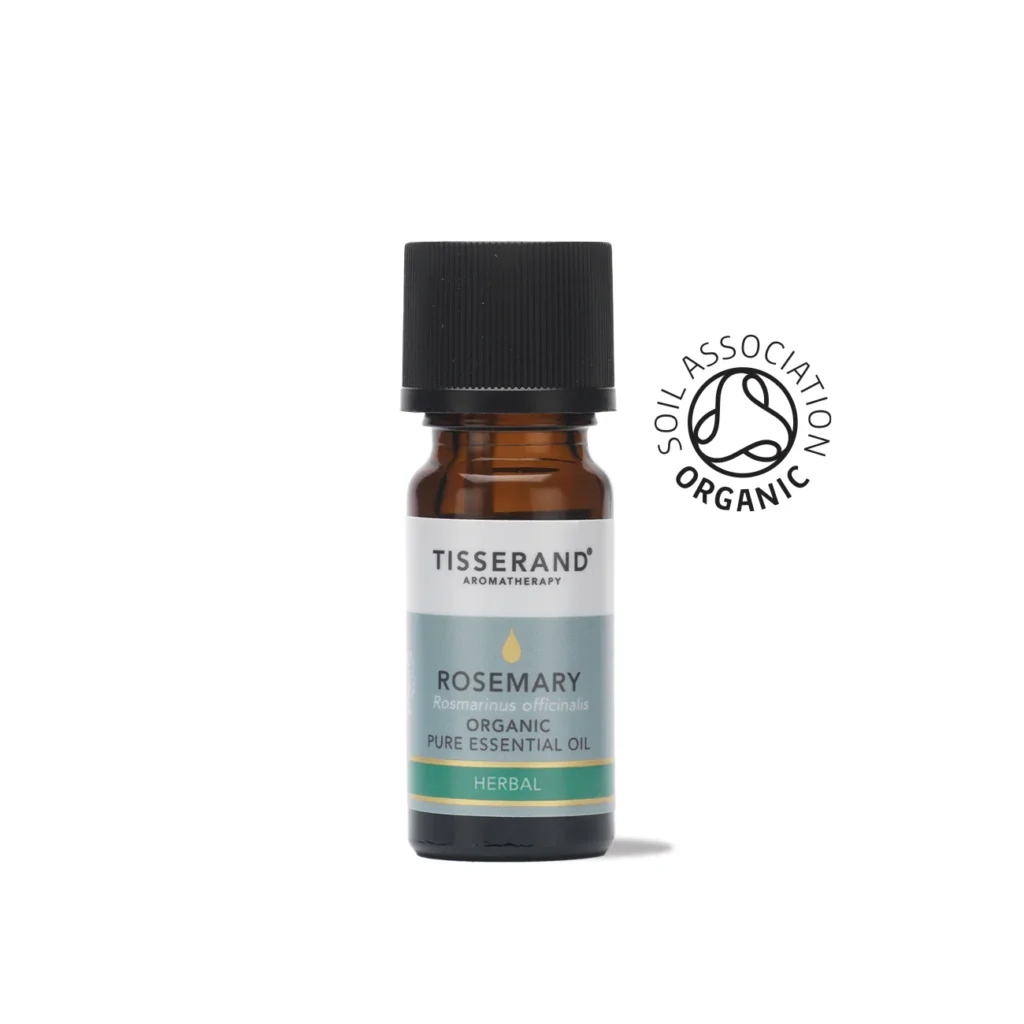
Main benefits: Rosemary Essential Oil is well known for its anti-inflammatory, antioxidant and analgesic (pain relief) properties. It has ability to enhance memory and concentration. The ability to stimulate circulation and increase blood flow paired with its antimicrobial and antifungal properties makes Rosemary Essential Oil an absolute must-have when it comes to encouraging hair growth and maintaining a healthy scalp environment.
Why it works in Winter for Curly Hair: Rosemary Essential Oil is exceptional for stimulating scalp circulation, which often decreases in cold weather. Improved circulation means better nutrient delivery to hair follicles, supporting healthy growth even during winter’s stress. Rosemary also has remarkable cuticle-smoothing properties that help winter-roughened hair reflect light better, restoring shine that dry air steals. Its antimicrobial action protects against scalp issues while its antioxidants help prevent damage from indoor heating and outdoor cold.
How to use: Use Rosemary in your Pre-Poo treatment by mixing 30 ml of Sweet Almond Oil, which is excellent for moisturising dry winter hair, with 6-12 drops of Rosemary Essential Oil. You can also create an overnight scalp treatment by adding 5-6 drops of Rosemary Oil to 10 ml of warm Jojoba Oil. Massage gently into your scalp before bed, cover with a silk bonnet, and wash out in the morning. For ongoing protection, add 2 drops to each application of your leave-in conditioner, mixing in your palm before applying.
Lavender Essential Oil
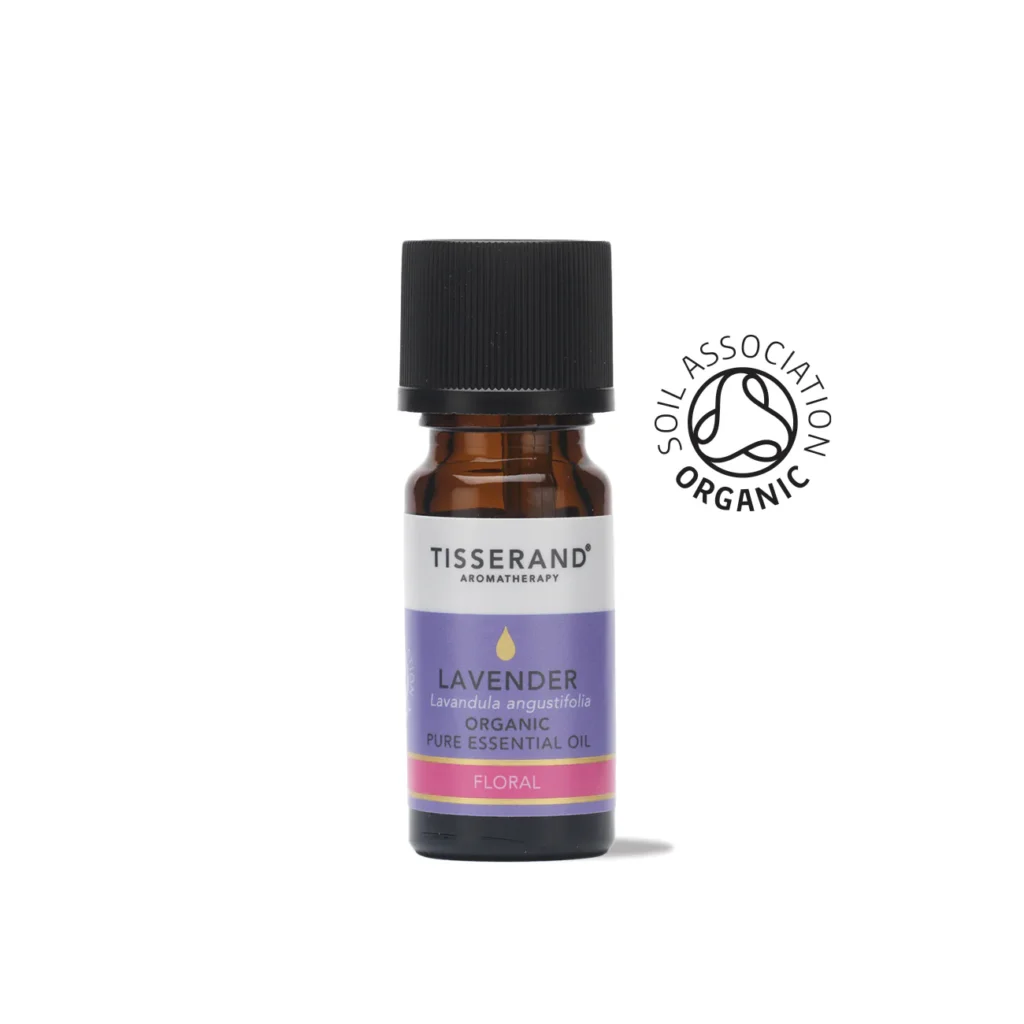
Main benefits: It is safe to say that Lavender Essential Oil is the most popular oil out of all. It is very versatile and very safe to use. Lavender is famous for its sedative and calming properties and often used for easing anxiety and stress and to improve sleep. It is also anti-inflammatory, antispasmodic and analgesic, and incredibly powerful at promoting wound healing and increasing collagen formation.
Why it works in Winter for Curly Hair: Dandruff, itching, and minor irritation that often disrupts curls growth during winter can be easily improved by Lavender’s antibacterial and anti-fungal properties. Massaging diluted Lavender Essential Oil into the scalp improves blood circulation to follicles, thus helping hair grow thicker and stronger over time.
How to use: Use Lavender Oil in your Pre-Poo treatment by adding 6-12 drops of Lavender Essential oil to 30ml of a carrier oil like Jojoba or Sweet Almond oils. Apply this blend to your scalp and hair before washing and leave for at least 30 minutes. What also works really well is adding 2-3 drops of Lavender Oil to your deep conditioner for enhanced moisture retention.
Tea Tree Essential Oil
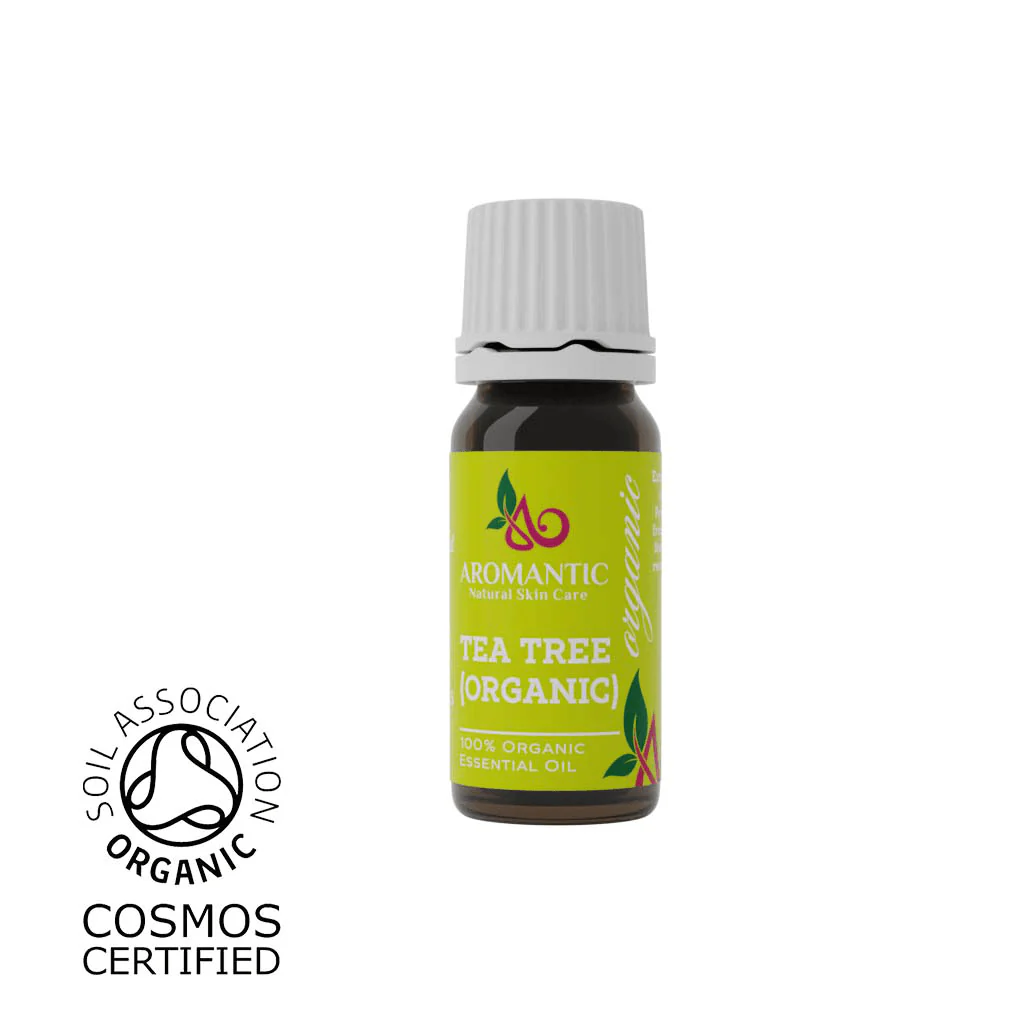
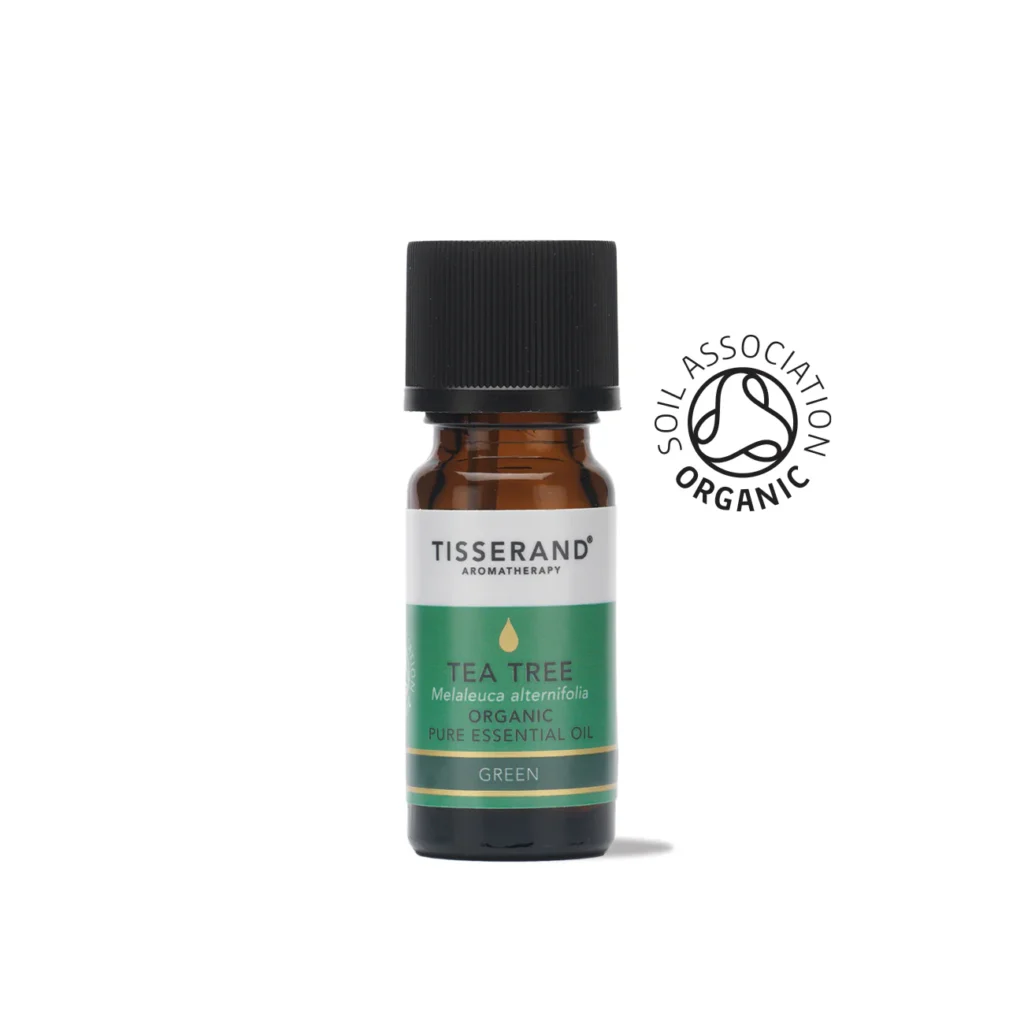
Main benefits: Tea Tree Oil is a powerful essential oil best known for its antibacterial, anti-fungal, and anti-inflammatory properties. It is great at treating acne, dandruff, and minor infections by fighting germs, calming skin, and promoting healing for cuts, insect bites, and fungal issues like athlete’s foot. It is also very effective at boosting scalp health and acting as a natural cleanser or repellent. Hence It is a popular ingredient in skincare, scalp care, and natural hygiene products.
Why it works in Winter for Curly Hair: Tea Tree oil’s powerful antibacterial and antifungal properties make it excellent for treating winter-related scalp issues like dryness, flaking, and itchiness, which can be exacerbated by wearing hats. It also helps unclog hair follicles and remove dead skin cell buildup, which can accumulate more rapidly when you’re washing less frequently to preserve winter moisture.
How to use: Add 3-4 drops of tea tree oil to your Low-Poo shampoo each wash day, mixing in your palm before applying. For targeted scalp treatment, create a blend with 5 drops of Tea Tree oil in 30ml of warm Coconut Oil (previously melted), apply to problem areas, leave for 30 minutes and then wash out. Warning: Tea Tree oil can be drying, so always follow with intensive conditioning.
Peppermint Essential Oil
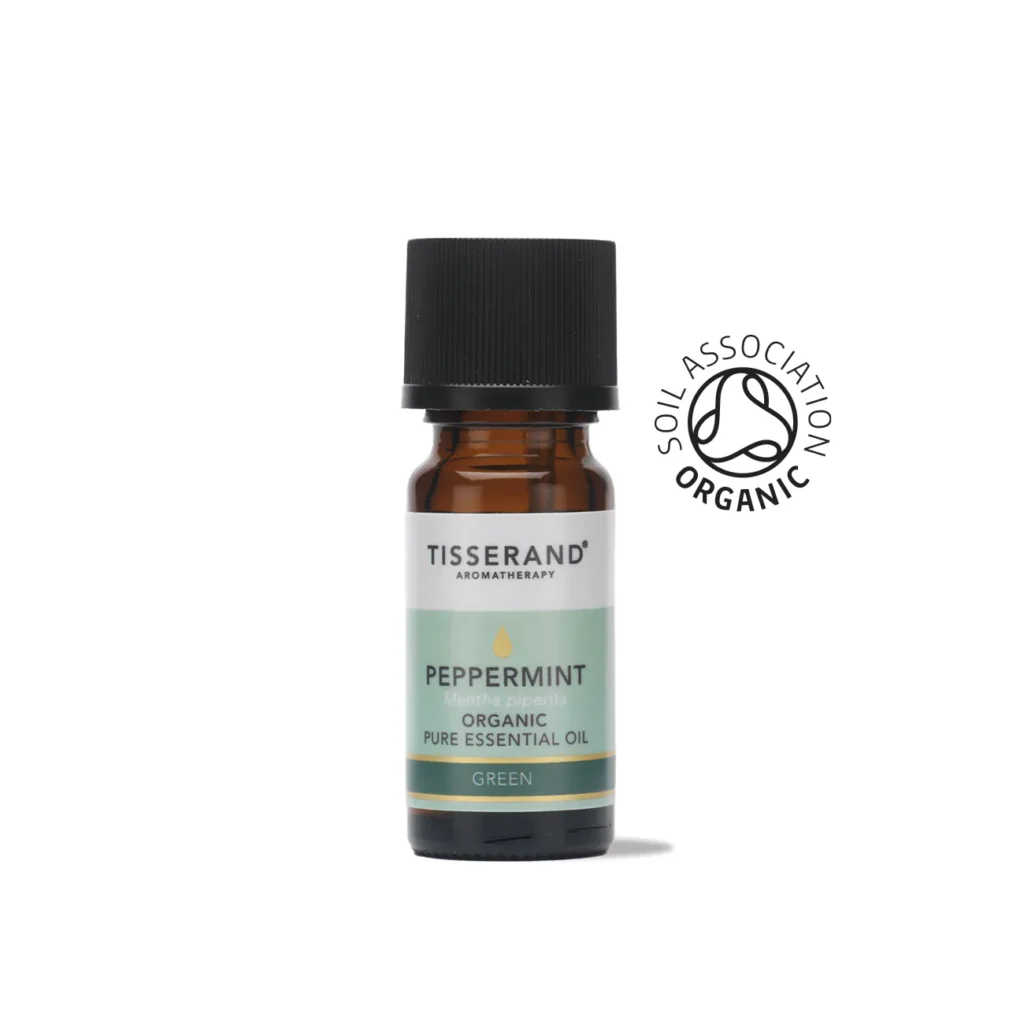
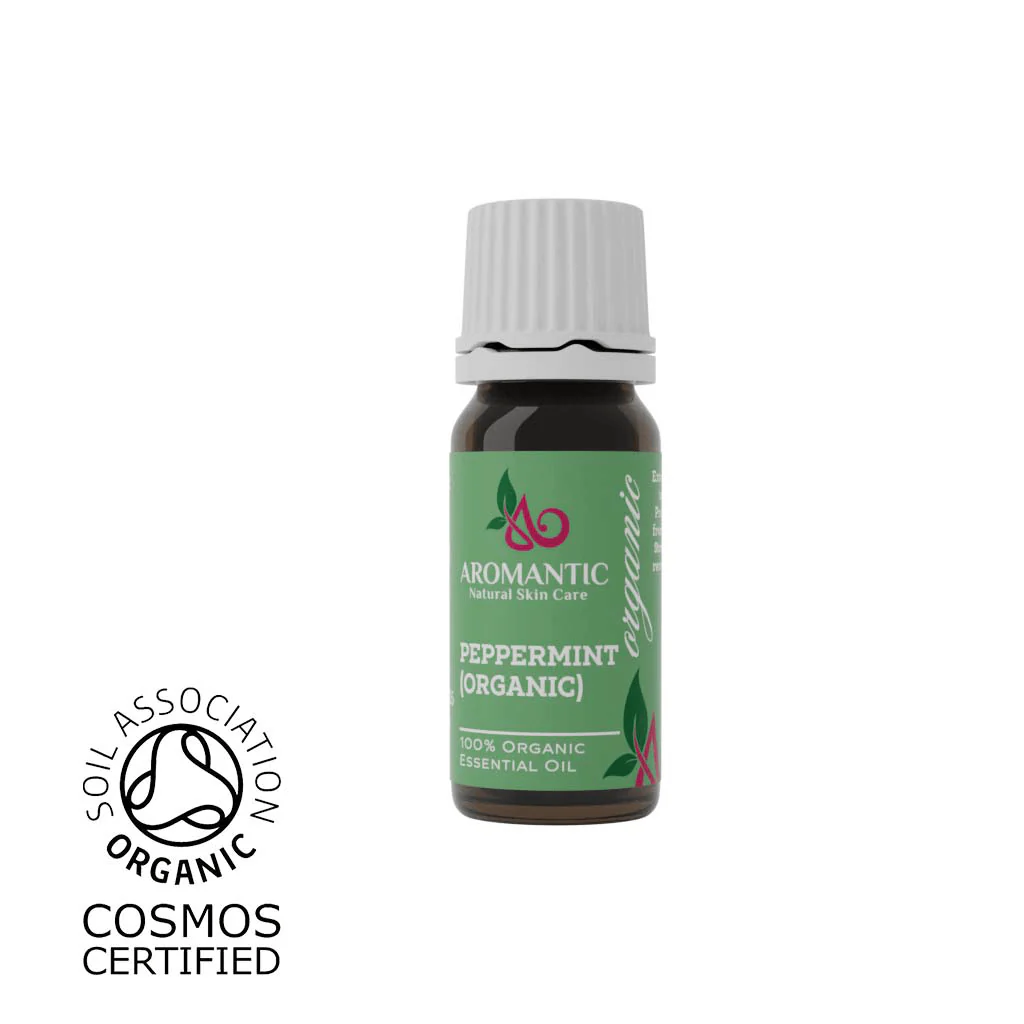
Main benefits: Peppermint Essential Oil, derived from the Mentha x Piperita plant, is one of the most versatile and widely researched essential oils. Its primary active components, menthol and menthone, provide its characteristic cooling sensation and therapeutic properties. Research indicates that its most significant benefits lie in gastrointestinal health, pain management, and antimicrobial support.
Why it works in Winter for Curly Hair: Peppermint Oil provides powerful scalp stimulation through its menthol content creating a cooling sensation that actually improves blood flow. In winter, when circulation naturally decreases, this stimulation is particularly valuable for maintaining healthy hair growth and follicle function.The antimicrobial properties help prevent dry scalp issues and dandruff-like flaking that often worsen in winter.
How to use: Because Peppermint is quite potent, use it carefully. Add just 6-8 drops to 30ml of melted Coconut Oil for scalp treatments. Coconut Oil penetrates the hair shaft better than many other oils, making it excellent for deep conditioning treatments. Its occlusive properties create a strong moisture barrier—perfect for winter. Apply the created blend to your scalp, massage gently, leave for 15-20 minutes before washing and then wash out thoroughly.
Ylang Ylang Essential Oil
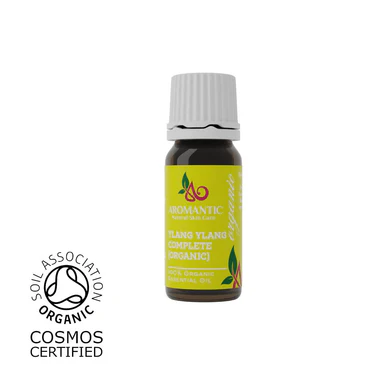
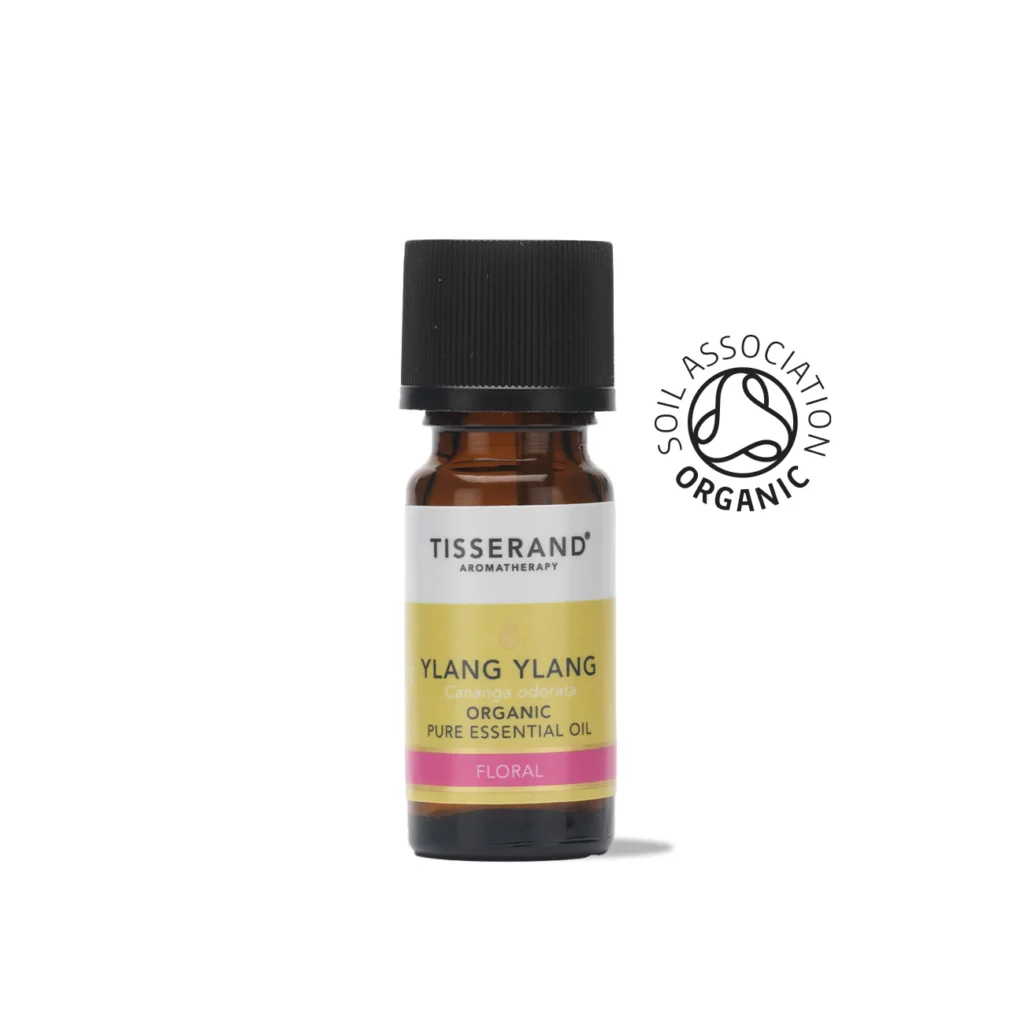
Main benefits: Ylang Ylang Essential Oil is best known for its rich floral aroma, relaxing and mood‑lifting effects and aphrodisiac reputation. Its ability to balance oil production in both skin makes it invaluable at supporting skin vitality and scalp comfort. It helps return shine to dry and damaged hair through its antioxidant, conditioning and anti‑inflammatory properties. It’s also used for minor wound healing, easing pain in joints and muscles because of its antiseptic and anti‑inflammatory properties.
Why it works in Winter for Curly Hair: Ylang Ylang Oil is intensely moisturizing and helps seal the hair cuticle, making it perfect for combating winter’s cuticle-raising effects. It’s particularly beneficial for high-porosity curls that loses moisture rapidly in dry winter air. This oil also stimulates sebum production, which is valuable when cold weather naturally decreases your scalp’s oil output.
How to use: Add 2–3 drops of Ylang Ylang Essential Oil to a dollop of your shampoo or conditioner in your palm just before washing. Mix quickly and proceed with washing or conditioning as usual. You can also create a moisture-sealing blend by adding between 6 to 10 drops of Ylang Ylang to 30 ml of Coconut Oil (melted) and applying to damp hair as a final sealing layer.
Geranium Essential Oil
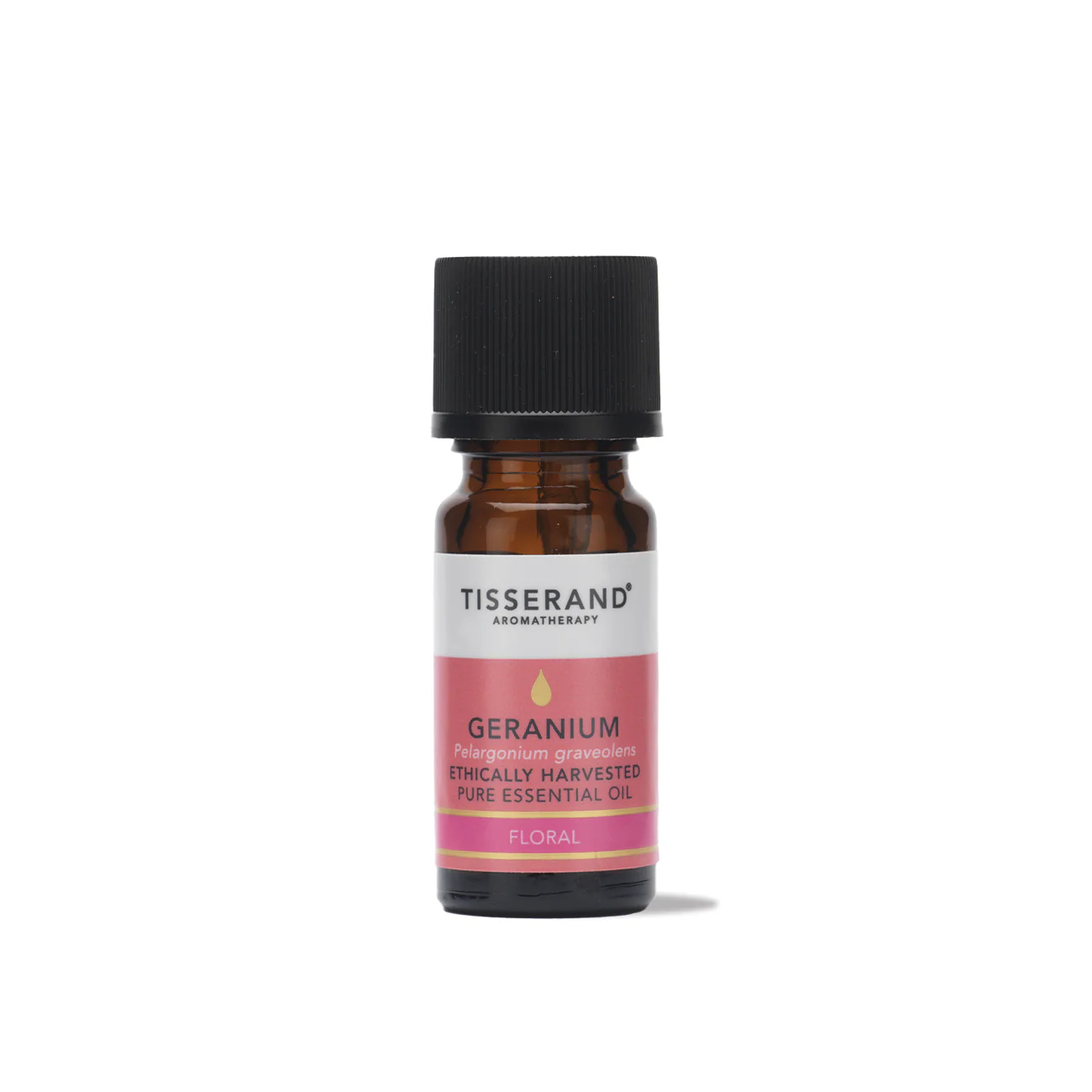
Main benefits: Geranium Essential oil is most commonly used for skin support, mood balance, and potential hormonal support, with additional antimicrobial and anti-inflammatory effects suggested by early research and traditional use. As it helps balancing sebum production, Geranium Oil is often used for acne, eczema, and dermatitis care in cosmetic formulations. Its astringent and antioxidant properties are reported to tone skin, reduce the appearance of fine lines, and support wound and scar healing. Geranium is also being used to promote a healthier-looking scalp and stimulate hair growth.
Why it works in Winter for Curly Hair: Geranium balances sebum production while providing excellent conditioning and cuticle-smoothing effects. Its ability to normalise both oily and dry conditions makes it perfect for winter when your scalp might fluctuate between extremes. By balancing the scalp’s pH and oil production, it also strengthens the hair shaft and reduces the likelihood of breakage, a major concern for dry, brittle curls in winter
How to use: Add 4-5 drops of Geranium Essential Oil to your favourite leave-in conditioner or curl cream. Mix well before each use. This provides ongoing frizz protection and moisture throughout the day. You can also create a refresher spray by adding 24 drops of Geranium Essential Oil to 120 ml of Distilled Water with 1 teaspoon of Vegetable Glycerin (only if your indoor humidity is above 40%). Shake it well before each use.
DIY Curly Hair Anti-Static Winter Serum
Make it Today!
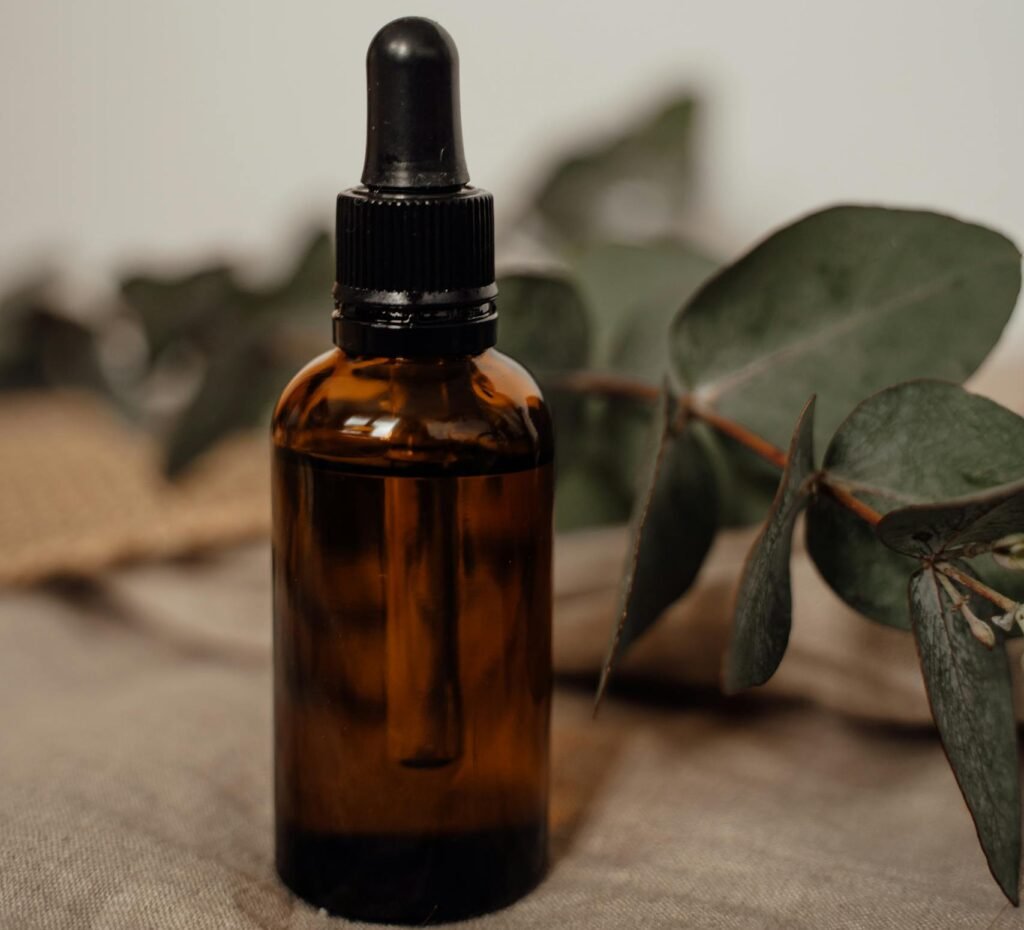
| Ingredients: Broccoli Seed Oil 10ml Camellia Seed Oil 5ml Meadowfoam Seed Oil 10ml Apricot Kernel Oil 5ml Peppermint Essential Oil 2 drops Ylang Ylang Essential Oil 2 drops Lavender Essential Oil 2 drops | Tools & Equipment: Measuring cup Or scales Small glass bowl Dropper or pipette Small funnel (optional but helpful) 30ml dark glass bottle Label for your bottle |
- How to make: Combine all the ingredients in a small glass bowl, gently swirl and then transfer to a glass bottle. Stick on a label with a name, ingredients and the date it was made on.
- How to store: Always use dark glass as essential oils degrade in clear glass and plastic. Store in a cool, dark place and keep away from direct heat sources and sunlight. Remember to always close tightly after use to prevent oxidation
- Shelf life: 6-8 months when stored properly. Make small batches so you use it up while it’s fresh.
- Application Tips: Always apply to damp (not soaking wet) hair for better absorption. Start with just 2-3 drops and add more only if needed. Focus on ends first, then work upward
This nourishing oil blend is perfect for winter dry and frizzy hair. The recipe includes the carrier oils that are particularly beneficial at nourishing the hair during the cold months. This homemade hair serum will also give a healthy shine and gloss to your curls without weighing them down. If you never heard about Broccoli Seed oil and its usage in haircare, pay special attention as it is absolutely a must have! This natural silicone-like oil with high erucic acid will deeply moisturise your hair and help to control split ends. It will also protect your scalp from bacteria and fungus growth which is the main cause of dandruff and dry, itchy flakes. Meanwhile Camellia Seed Oil will give your hair a smooth and silky shine and Meadowfoam Seed Oil will reduce static electricity common in winter. This formula works well for all curl types.
Essential Oils efficiency and their versatile nature make them an important part of the curly hair winter haircare routine. Include them in your daily hair routine and they will help you to preserve your hair from dryness, reduce the frizz, protect your scalp from dandruff, etc. Combining essential oils with the carrier oils will allow you to create blends that will nourish your hair and make them healthier. Plus your hair will smell gorgeous and that will make you feel even better! My favourite essential oils during winter months are Geranium and Peppermint, which I use in my Anti Frizz Spray every morning. I love that floral rosy, freshly crisp, subtle smell that my hair releases throughout the day. What are your favourite oils? Do you use them like me on a daily basis? What struggles do you face with your culrs in winter? I’d love to hear about your experience in the comments below.
This post contains affiliate links. If you purchase through these links, I may earn a small commission at no extra cost to you. I only recommend products I trust and use myself.