Why Curly Hair Needs Scalp SPF More Than You Think: The CGM-Safe, Natural Way to Protect It
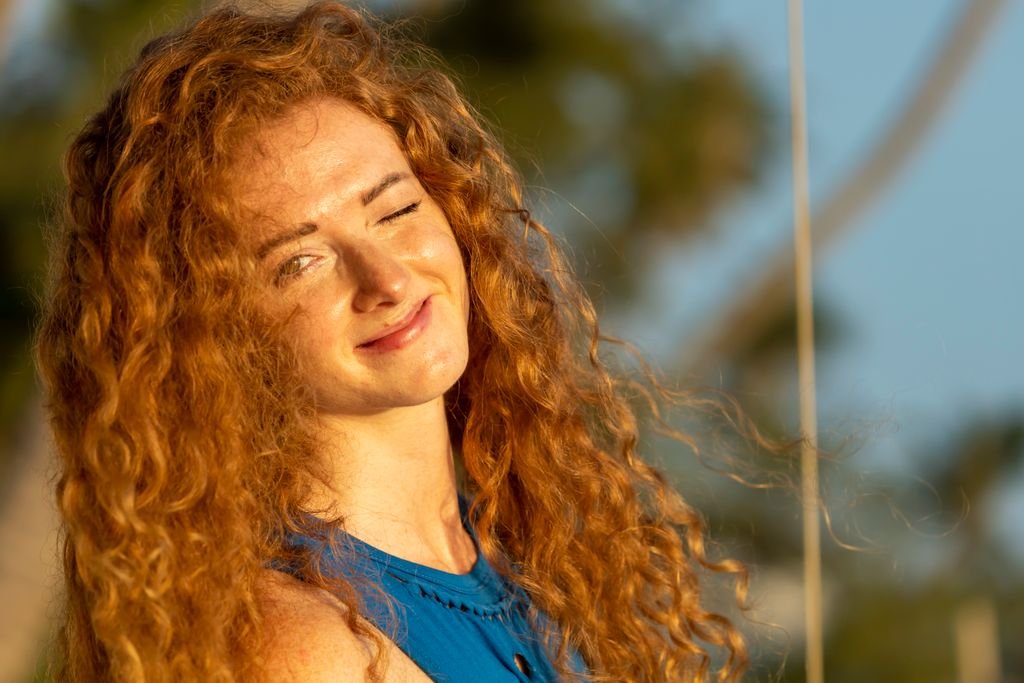
When summer rolls around, most curly-haired individuals know the standard drill: leave-in conditioners, deep conditioning treatments, anti-humidity gels, and silk bonnets for travel. We spend hours refining our wash-and-go routines, micro-ploppings, and squish-to-condish techniques. Yet, there is a massive, widely overlooked blind spot in standard natural hair care that costs thousands of curlies their pattern density, scalp comfort, and length retention: scalp sun damage.
We dutifully slather SPF 50 across our faces, necks, shoulders, and legs, but completely forget that our scalp is simply an extension of our facial skin. In fact, due to its orientation towards the sky, the crown of your head receives the highest dose of direct, perpendicular ultraviolet (UV) radiation of any part of your body. When you have textured, curly, coily, or wavy hair, you face a unique set of challenges that straight-haired individuals simply do not encounter.
In this post we’ll take a close look at the link between scalp vitality and curl definition, how solar radiation damages hair structures, natural botanical UV filters, and a 100% Curly Girl Method (CGM)-approved roadmap for sun protection without heavy silicones, drying alcohols, or greasy build-up.
The Root Connection: Why Scalp Health Governs Your Curl Pattern
To understand why sun exposure damages your curls, you first need to understand that hair is ultimately a living organ’s visual output. Your hair strands are non-living structures composed primarily of keratin protein, but the follicle nestled within the scalp’s dermis is intensely active, highly vascularised, and deeply sensitive to environmental stress.
The Scalp-Microbiome & Follicle Connection
A healthy, hydrated, and calm scalp produces a resilient protein matrix and balanced sebum layer. When the scalp suffers chronic inflammation, sunburn, or cellular oxidative stress, cellular signals trigger premature catagen (shedding) phases and weaken the structural integrity of newly forming keratin shafts.
Curly hair possesses an asymmetrical, elliptical follicle shape, which causes the strand to twist and curve as it emerges from the skin. This unique morphology makes curly hair inherently more vulnerable to scalp environment fluctuations than straight hair for two main reasons:
- Sebum Distribution Deficit: Sebum—your scalp’s natural lipid barrier—has a difficult time travelling down the twists, turns, and spirals of a curly strand. As a result, curly scalps are often simultaneously prone to localized dryness or unbalanced lipid production, while the ends remain chronically parched.
- Exposed Skin Geometry: Curls clump together into distinct “clumps” or ribbons. While this creates volume, it also exposes distinct sections of visible scalp along part lines, crown whorls, and low-density areas directly to sunlight. Straight hair tends to lay flat like a uniform sheet, providing a continuous (if thin) physical shade barrier. Curls create open channels where UV rays penetrate straight down to the skin surface.
When ultraviolet radiation hits an unprotected scalp, it triggers acute photoageing, inflammation, and oxidative stress. This compromises the follicular bulb, leading to localised tenderness, excessive shedding, dried-out sebum production mechanisms, and ultimately, hair growing out weaker, coarse, and prone to snap before it ever reaches length retention.
How Ultraviolet Radiation Destroys Hair Fibres and Scalp Tissue
Sunlight affects both the surface skin of your head (scalp) and the physical hair shaft hanging from it, but through distinct damaging mechanisms: UVA/UVB skin damage and photochemical degradation of keratin.
Scalp Photodamage: The Hidden Burn
Because hair covers most of the scalp, a mild sunburn on the head often goes undetected as simple “scalp dryness” or sudden “dandruff flaking.” However, UVB rays directly damage cellular DNA in the epidermal layer of the scalp, causing micro-inflammation and sunburn. UVA rays penetrate deeper into the dermis, breaking down collagen and elastin surrounding the hair follicles.
This deep dermal degradation weakens the structural anchor of the follicle. Over time, chronic sun exposure leads to premature scalp ageing, thinning hair density, severe dehydration, and an overproduction of free radicals that damage hair matrix cells responsible for pigment and structural strength.
Hair Shaft Degradation: The Science of Sun-Damaged Curls
When UV light strikes the keratin structure of a curly strand, several destructive chemical reactions occur simultaneously:
- Protein Photolysis: UV light breaks down the disulfide bonds and amino acid chains (particularly cystine and tryptophan) that form the core structural backbone of your curl pattern. When disulfide bonds snap due to sun exposure, curls lose their elasticity, “spring-back” bounce, and structural memory, turning limp, gummy, or overly brittle.
- Lipid Stripping: The outermost protective layer of hair, known as the 18-MEA lipid layer, acts as a natural hydrophobic shield. Sunlight degrades this delicate lipid layer, causing hair porosity to skyrocket instantly. High-porosity, sun-exposed curls absorb water too quickly, swell, lose moisture rapidly, and become a nightmare of chronic frizz.
- Melanin Degradation & Colour Fading: UV radiation oxidises hair pigments (both natural melanin and artificial dyes), leading to premature brassiness, lightening, and a straw-like visual texture. As melanin breaks down, it loses its natural ability to act as a light absorber, leaving the inner cortex even more exposed to damage.
The Conventional SPF Trap: Why Standard Sunscreens Ruin Curls
When realising their scalp needs protection, many people reach for conventional aerosol body sunscreens or traditional hair SPF sprays. For anyone practising the Curly Girl Method (CGM) or focusing on natural hair wellness, this is often a recipe for hair disaster.
| Property | Conventional Hair SPF Sprays | Natural Botanical CGM Protection |
|---|---|---|
| Key Fillers | Insoluble Silicones (Dimethicone, Cyclopentasiloxane) | Cold-pressed botanical lipids & Plant Esters |
| Solvent Base | Denatured Alcohol / Alcohol Denat (up to 70%) | Aloe Vera Juice, Hydrosols, or Carrier Oils |
| Scalp Impact | Clogs hair follicles, creates hard buildup, requires harsh sulfates | Nourishes microbiome, mimics natural sebum, easy to wash out |
| Curl Pattern Effect | Flash-dries curls, causes flash frizz and stiffness | Seals in moisture, enhances shine, maintains curl clump flexibility |
| CGM Compliance | ❌ Strict Violation (Non-compliant) | ✅ 100% Compliant & Clean |
Standard sun-care sprays rely heavily on high concentrations of denatured alcohol to provide an instant-drying, non-greasy feel. However, short-chain alcohols rapidly strip moisture out of textured hair, lifting the cuticle layer and leaving curls completely parched. Furthermore, to make these chemical UV filters stay put on hair without washing off instantly, formulations are packed with non-water-soluble silicones and film-formers.
Under CGM principles, heavy silicones require harsh, drying sulfates to cleanse away. If you clean with gentle co-washes or sulfate-free low-poos, conventional sunscreen sprays form a heavy plastic-like coating over your scalp and strands. This leads to severe scalp buildup, blocked hair follicles, scalp irritation, and dull, weighed-down curls that refuse to clump.
Can Natural Oils & Essential Oils Really Protect from the Sun?
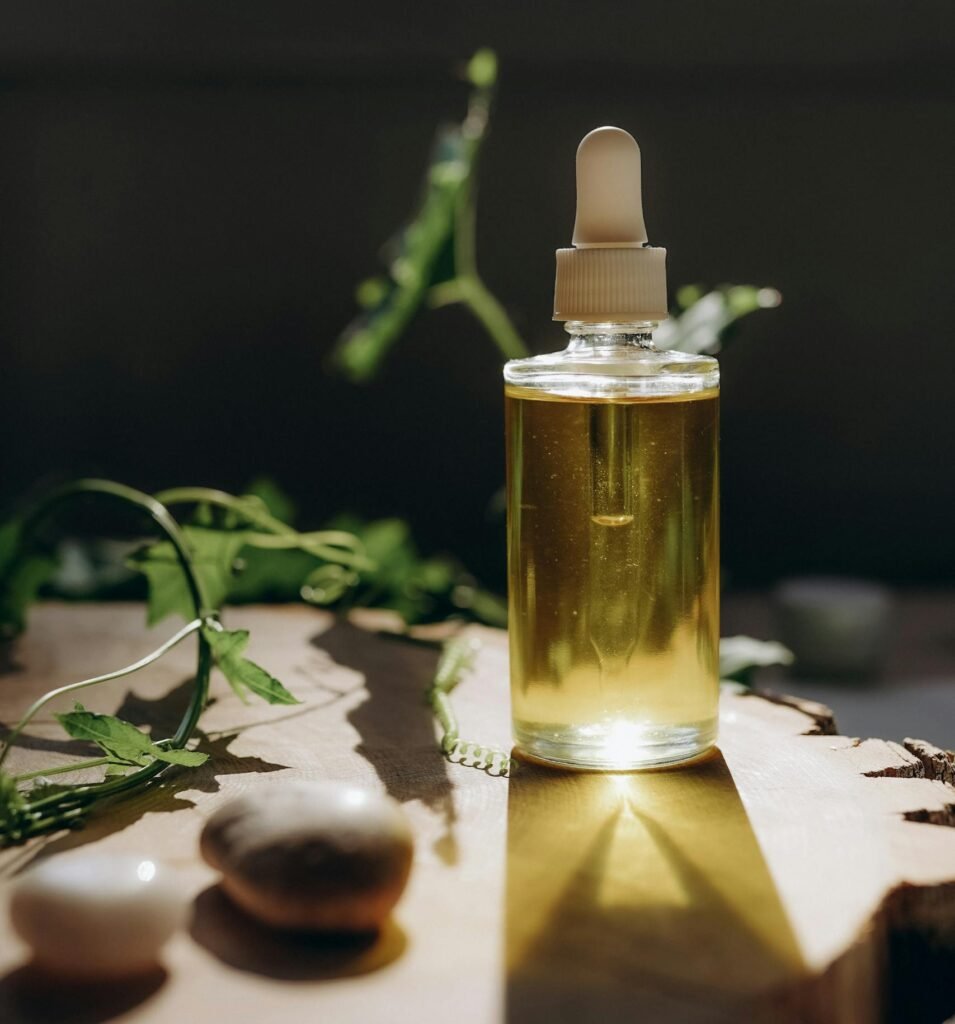
There is immense confusion on the internet regarding natural oils as “sunscreen alternatives.” Let us establish a clear, science-backed boundary: No pure plant oil provides a certified high-level broad-spectrum SPF equivalent to mineral or chemical sunscreens. Relying solely on raw coconut or raspberry oil for a 6-hour beach day without cover will result in sunburned skin.
However, natural carrier oils and essential oils play a vital, clinically validated role in photoprotection, UV dissipation, free-radical neutralisation, and lipid restoration for the scalp and curls.
Understanding Natural Plant Oil “SPF”
Plant oils do not act like chemical filters that absorb 98% of UV rays. Instead, they act as natural optical absorbers, antioxidant shields, and lipid barrier replenishers. They absorb lower wavelengths of sunlight, dissipate solar thermal stress, and neutralise the cascade of free radicals (reactive oxygen species) before they destroy cellular structures.
When used correctly within a holistic sun care strategy, cold-pressed plant oils and antioxidant-rich essential oils prevent UV-induced protein loss, protect the scalp’s moisture barrier, and prevent structural degradation without disrupting your natural curl routine.
Top CGM-Friendly Oils for Scalp & Curl Sun Protection
Not all oils are suitable for CGM. For textured hair, we need lightweight, non-comedogenic, nutrient-dense carrier oils that won’t weigh down fine waves or clog scalp pores, combined with powerful natural antioxidant profiles.
Red Raspberry Seed Oil (Rubus idaeus) — The Natural UV Absorber
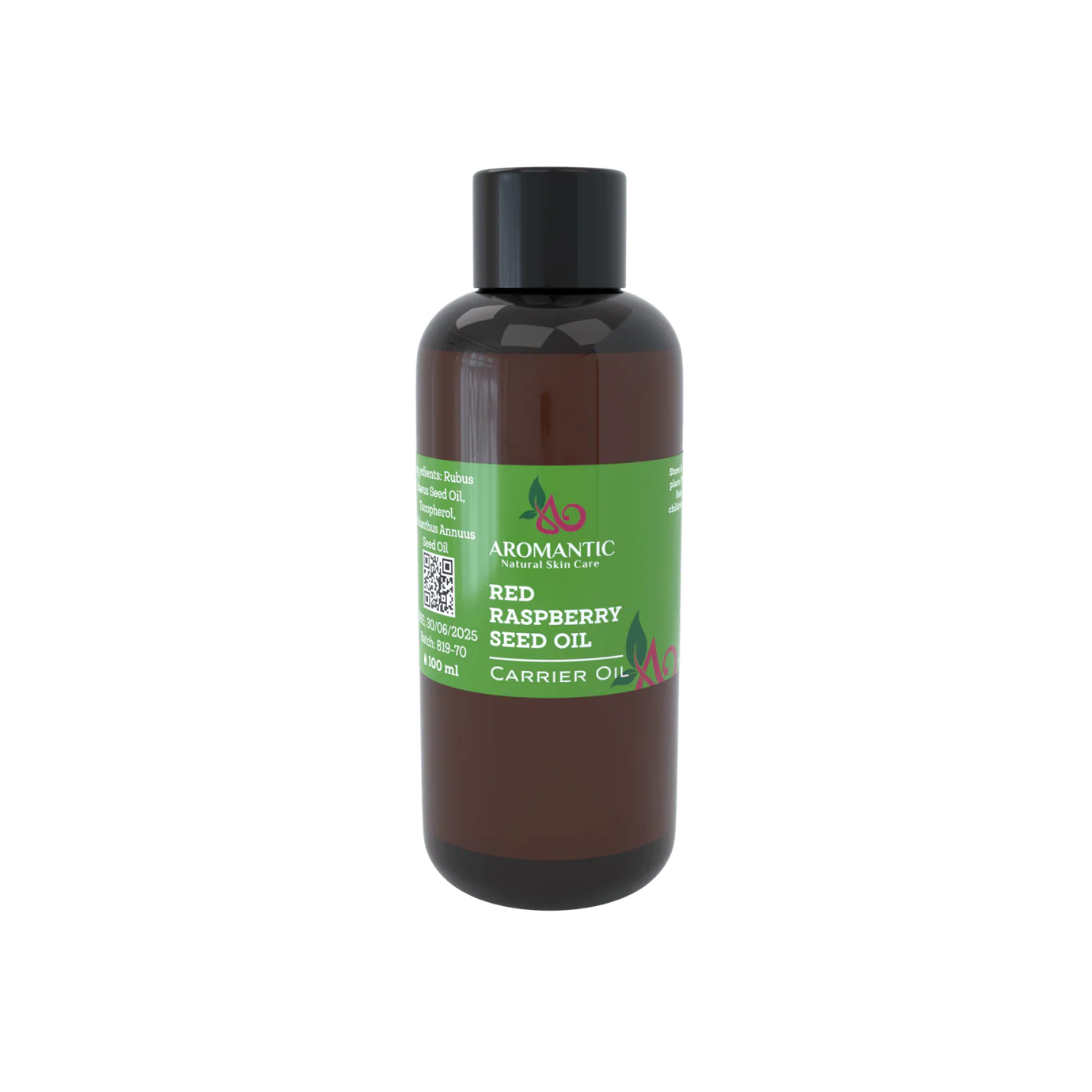
Red Raspberry Seed Oil boasts one of the highest natural botanical UV absorption ranges among plant oils, particularly across the UVB spectrum. Rich in Vitamin E, Vitamin A, and essential omega-3 and omega-6 fatty acids, this luxurious oil provides exceptional anti-inflammatory protection for exposed scalp part lines while helping reduce oxidative damage caused by solar radiation.
Broccoli Seed Oil (Brassica Oleracea Italica) — The Natural Silicone & Cellular Shield
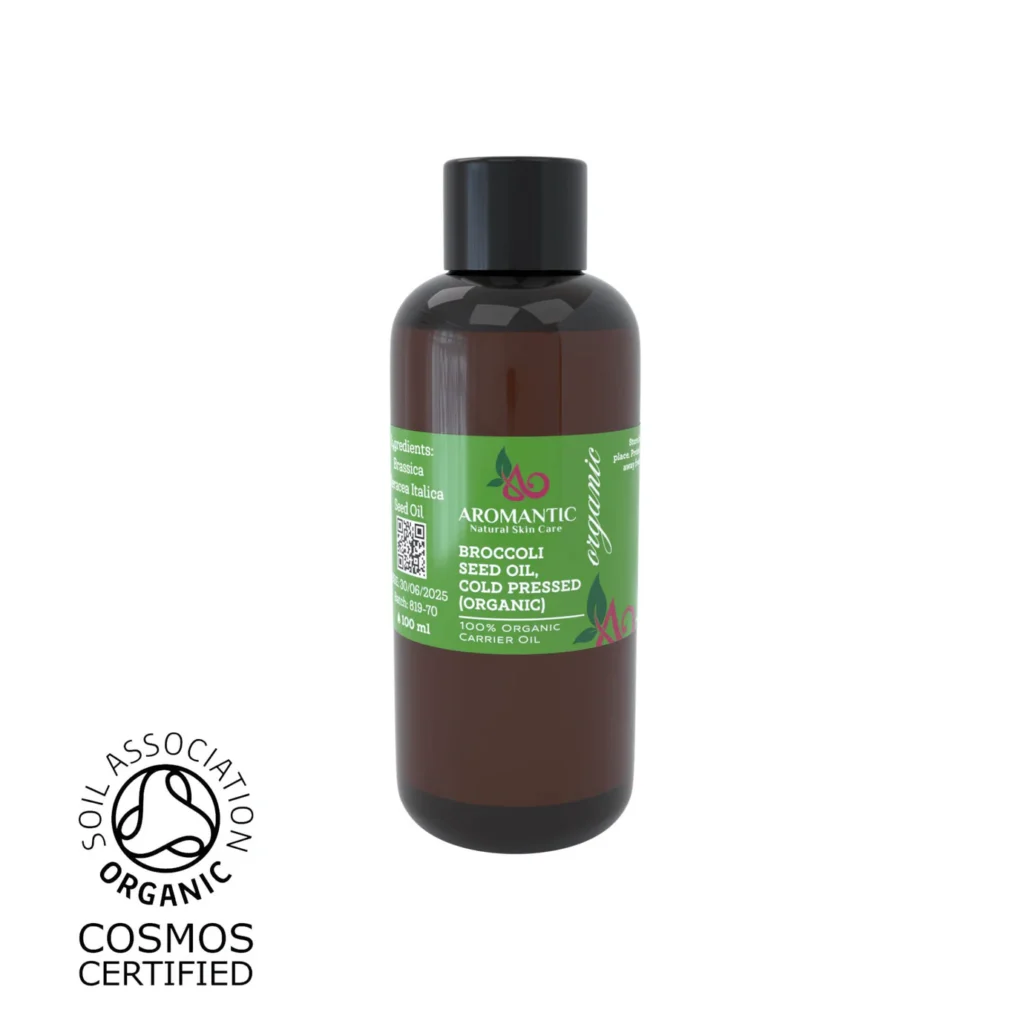
Known as nature’s alternative to synthetic silicones, Broccoli Seed Oil is packed with Erucic Acid. It’s a unique long-chain omega-9 fatty acid that provides high-gloss shine and smoothing slip without creating non-water-soluble plastic buildup or weighing down your curls. A high concentration of sulforaphane and Vitamin A helps stimulate the scalp’s natural enzyme defenses, reducing UV-induced oxidative stress, sealing lifted cuticle scales against porosity spikes, and protecting hair against sun damage.
Kiwi Seed Oil (Actinidia Chinensis) — The Omega-3 Barrier Repair Powerhouse
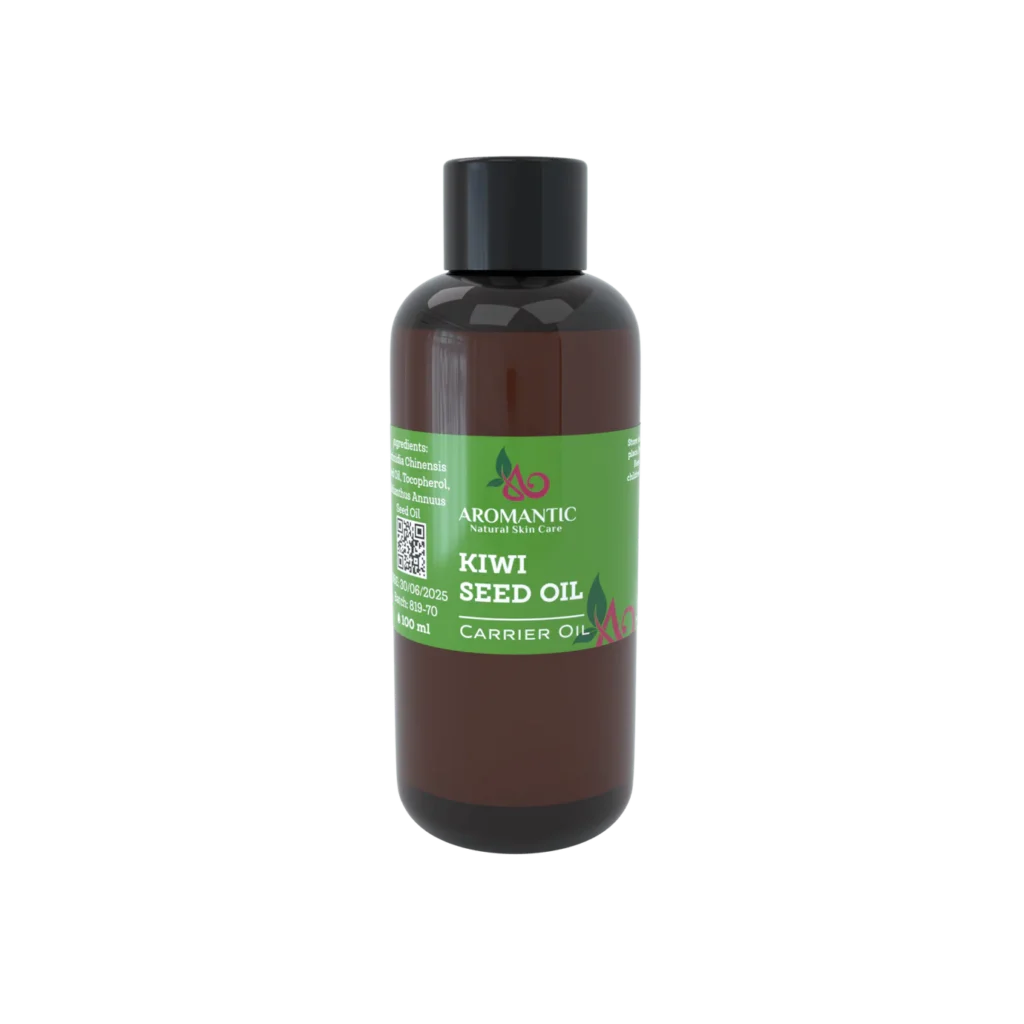
While broccoli seed oil protects the surface, Kiwi Seed Oil penetrates deeper with one of the highest concentrations of Alpha-Linolenic Acid (ALA) found in nature (up to 60%). Rich in naturally occurring Vitamin E (tocopherols) and Vitamin C, this ultra-lightweight and dry-touch oil acts as a potent free-radical scavenger that actively prevents UV-induced protein loss, restores elasticity to brittle curls, and deeply soothes sun-exposed scalp skin without leaving a greasy residue.
Argan Oil (Argania spinosa) — The Cuticle Armor
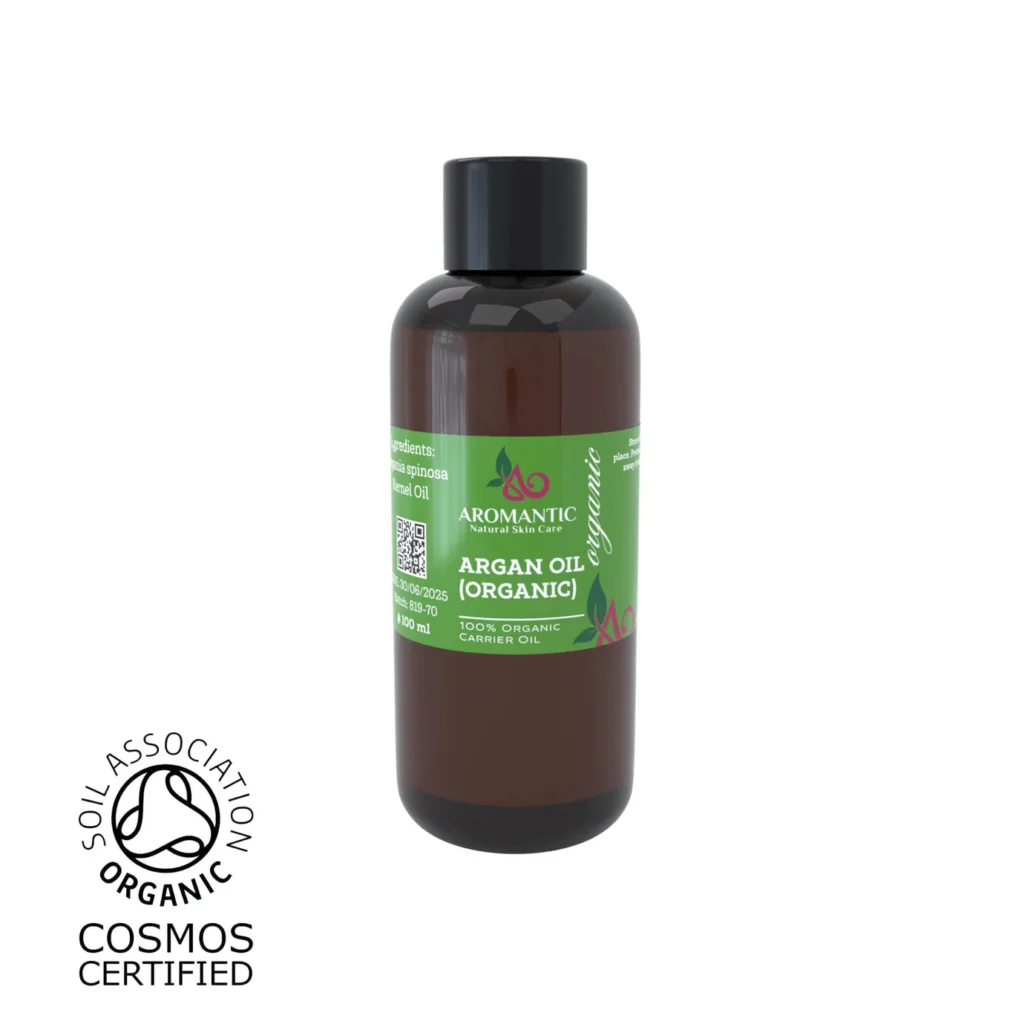
Often referred to as liquid gold, Argan oil is packed with tocopherols (Vitamin E), squalene, and ferulic acid. Studies show that Argan oil forms a protective hydrophobic layer around the hair shaft that significantly mitigates UV photobleaching and prevents structural protein degradation caused by sun exposure.
Jojoba Oil (Simmondsia chinensis) — The Sebum Mimic
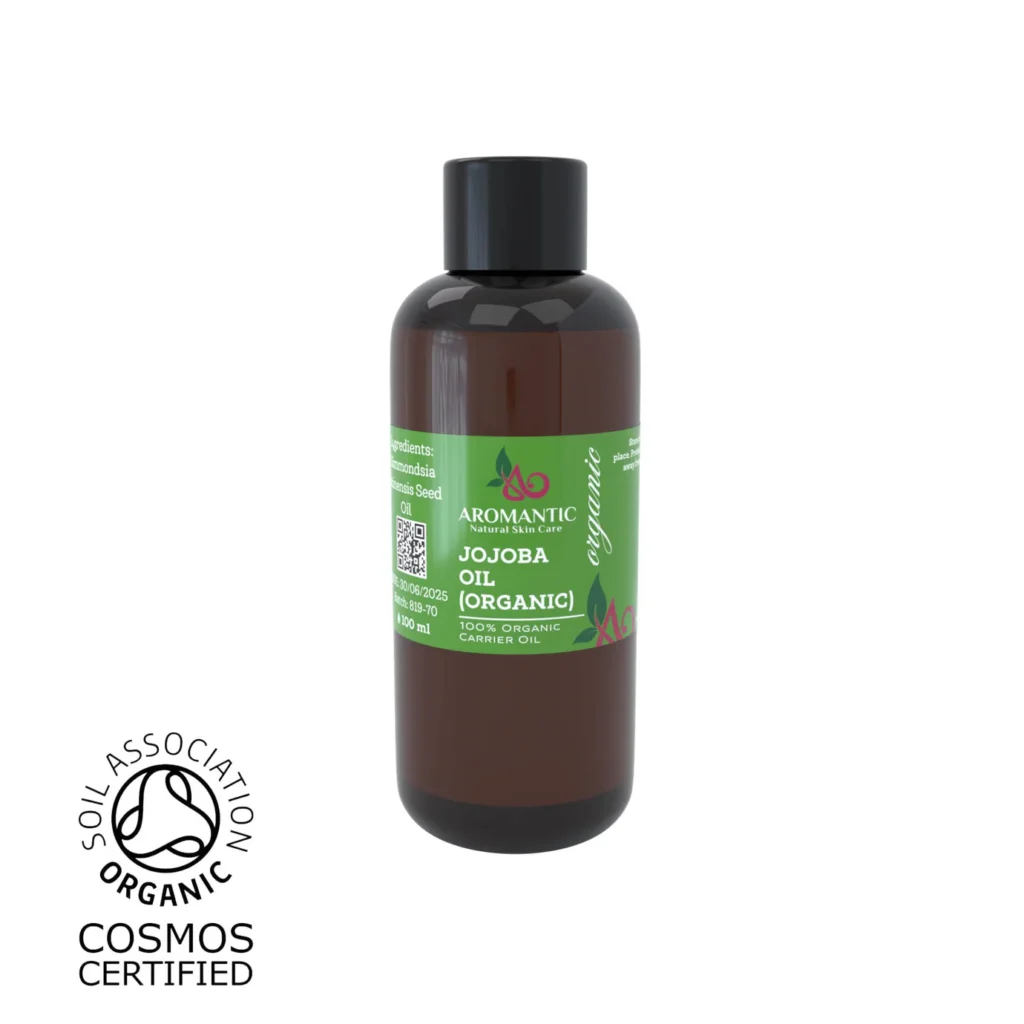
Technically a liquid wax ester, Jojoba oil closely resembles human scalp sebum better than any other botanical oil. It rapidly absorbs into the scalp without clogging pores, helping maintain the scalp’s native acid mantle in high heat while sealing cuticle scales down to trap moisture.
Enhancing Protection with Sun-Safe Essential Oils
Essential oils add potent botanical antioxidant defense to carrier blends, neutralizing free radicals generated by sun exposure.
Rosemary Essential Oil
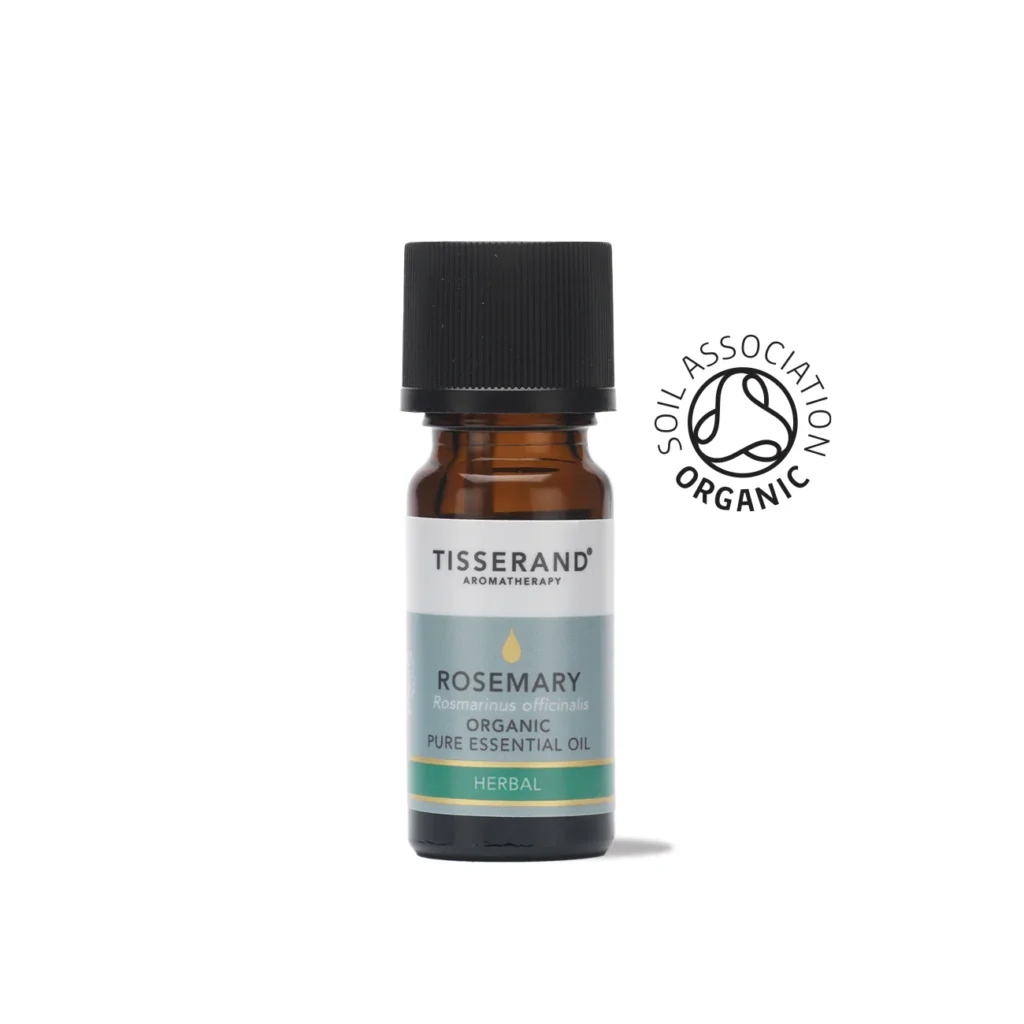
Stimulates microcirculation in sun-exposed scalp tissue, fights oxidative damage, and encourages strong hair growth at the root.
Peppermint Essential Oil
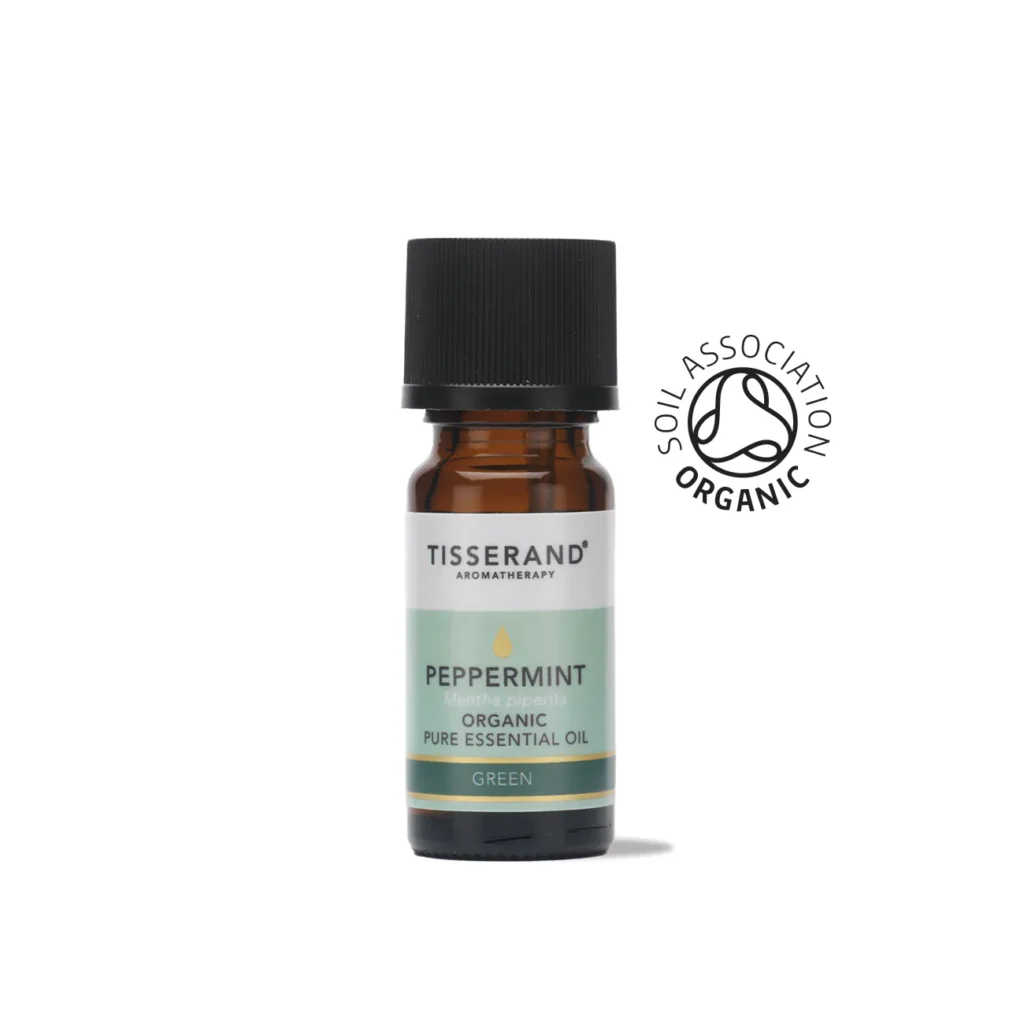
Offers a soothing, cooling sensation that instantly relieves scalp heat stress, while boosting local blood flow.
Lavender Essential Oil
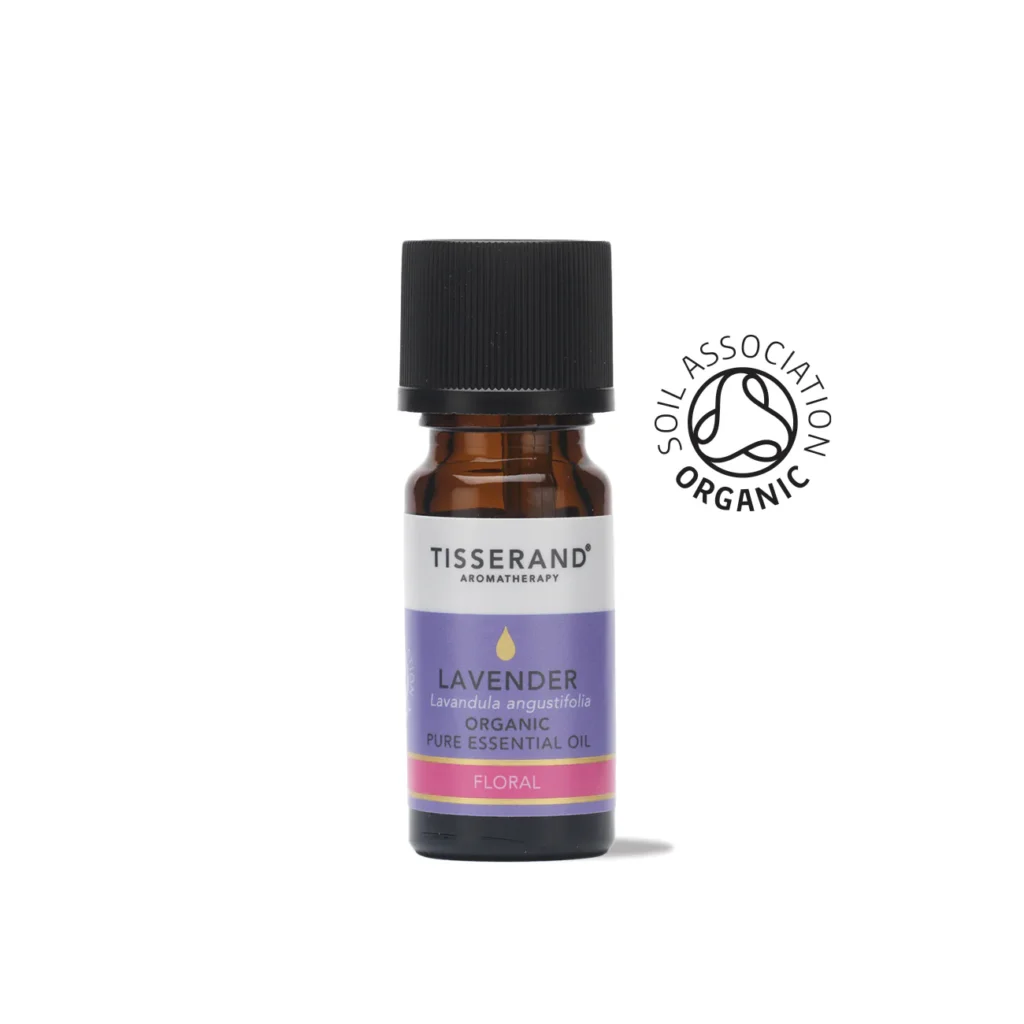
Calms sun-induced scalp redness, acts as a potent anti-inflammatory, and aids cellular repair.
German Chamomile Essential Oil
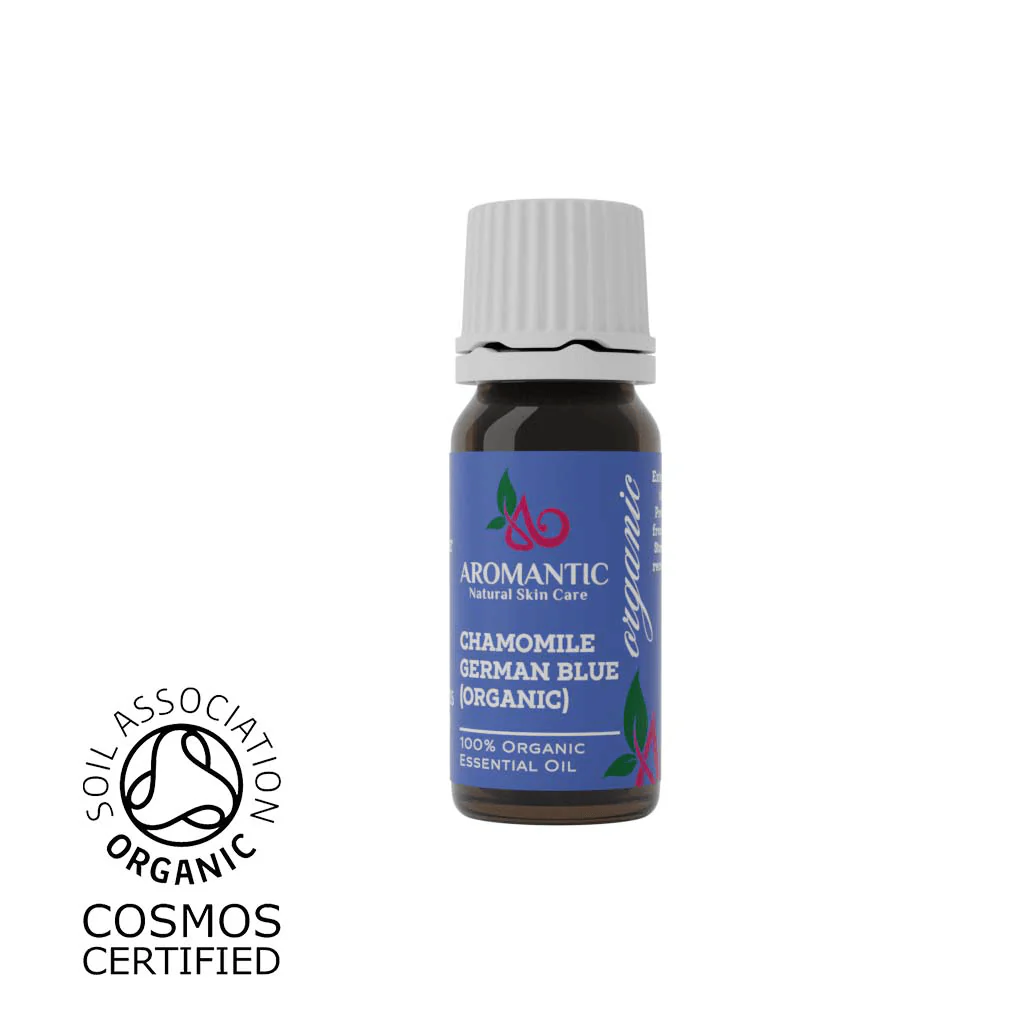
Rich in chamazulene, a powerful compound that tames heat inflammation and protects delicate scalp tissue.
Important note: never use cold-pressed citrus essential oils (like bergamot, lemon, or lime) before sun exposure, as they are phototoxic and cause severe scalp blistering!
How Natural Oils Support and Enhance the Curly Girl Method (CGM)
The core philosophy of CGM revolves around maintaining maximum moisture, protecting fragile curl patterns, and eliminating harsh, stripping ingredients. Integrating natural botanical oils for sun care enhance it in several distinct ways:
- Preventing High-Porosity Sun Spikes: UV rays damage the cuticle layer, turning medium or low-porosity hair into hyper-porous, moisture-leaking hair. Applying lightweight botanical lipids before sun exposure acts as a sacrificial barrier layer, protecting your natural cuticle structure from turning overly porous.
- Enhancing Gel Cast Flexibility: Adding a few drops of an antioxidant-rich oil mix over a dried gel cast (“scrunching out the crunch” or STC) softens the hold slightly while creating an invisible shield against UV-induced stiffness and humidity-induced swelling.
- Eliminating the Need for Heavy Sulfates: Pure, unrefined plant oils like Jojoba, Argan or KIwi seed are easily removed using gentle, sulfate-free low-poos or clarifying co-washes. This preserves your scalp’s moisture balance without relying on heavy industrial detergents.
How to Use Oils in Your CGM Routine
To avoid weighing down your curls or turning your scalp into an oily mess, timing and application technique are everything.
Post-Styling / Finishing Layer — The “Scrunch Out The Crunch” (SOTC) Protection
After applying your CGM leave-in conditioner and styling gel, allow your hair to dry completely to form a firm gel cast. Place 3–4 drops of your custom botanical oil/blend in your palms. Warm the oil by rubbing your hands and gently scrunch your curls to break the hard cast. This seals the styling products beneath an antioxidant shield without breaking up your curl clumps.
Scalp Protection — Precision Part-Line Application
Do not pour oil directly onto your head, instead, dip a clean, soft makeup brush or the tips of your finger pads into an oil/blend. Dab gently along your visible part line, crown, and hairline. This coats the exposed skin directly without leaving excess grease on the surrounding roots.
Pre-Sun / Pool Protection
If you are heading into direct, intense sunlight or plan to swim in chlorinated or salt water, apply a generous amount of an oil blend to damp hair before stepping outside. An oil, which is hydrophobic (water repelling), coats the hair cuticle, preventing salt and chlorine water from penetrating the inner cortex, while providing a dense antioxidant barrier against UV rays.
DIY CGM -Friendly Sun Protection Oils Recipe
You can create your own high-performance, 100% natural, CGM-friendly sun protection oil blend right at home using clean, cold-pressed ingredients we already talked about. Here’s one of them.
🌿 The Ultimate Botanical Curl & Scalp Shield (50ml)
Ingredients:
- 20 ml Jojoba Oil (Base lipid – mimics natural scalp sebum)
- 12 ml Red Raspberry Seed Oil (Botanical UV absorber & antioxidant powerhouse)
- 8 ml Broccoli Seed Oil (Nature’s silicone & high-gloss shine)
- 8 ml Kiwi Seed Oil (Deep barrier repair, elasticity & anti-protein loss)
- 2 ml Argan Oil (Cuticle protection & elasticity retention)
- 3 drops Lavender Essential Oil (Soothing & anti-inflammatory)
- 2 drops Rosemary Essential Oil (Scalp circulation & follicle defence)
- 1 drop Peppermint Essential Oil (Cooling heat relief)
Instructions: Pour all ingredients into an amber glass dropper bottle to protect the botanical oils from light oxidation. Add essential oils and shake gently before each use. Store in a cool, shaded place.
Final Thoughts
Your curls grow from the scalp which is the living foundation of their health, length, and vitality. That is why protecting the scalp from sun, just as you protect your skin and body during hot summer months, minimise the risk of cumulative damage that manifests as sudden thinning, stubborn frizz, and lost curl definition.
And if you swap out harsh chemical aerosols and drying alcohol sprays for clean, cold-pressed botanical oils, you’ll give your hair the ultimate gift: healthy roots, bouncing elastic curls, and a thriving scalp—all summer long. I myself use Kiwi seed oil on my styling gel and I ablsolutely love the final result. What about you? Have you ever considered using natural oils for healthy scalp and curls protection during summer? Please share your experience in the comments below.
Disclaimer: This post contains affiliate links. If you purchase through these links, I may earn a small commission at no extra cost to you — it helps me keep creating free content. I only ever recommend products I personally use and trust. This information is for educational purposes only and is not intended to diagnose, treat, cure, or prevent any disease. Always patch test new ingredients, and consult with a healthcare provider if you have specific skin conditions or concerns. If you’re pregnant, nursing, or on medication, check with your doctor before using essential oils.