After-Sun Body Oil Recipe for Mature Skin That Feels Dry and Dehydrated
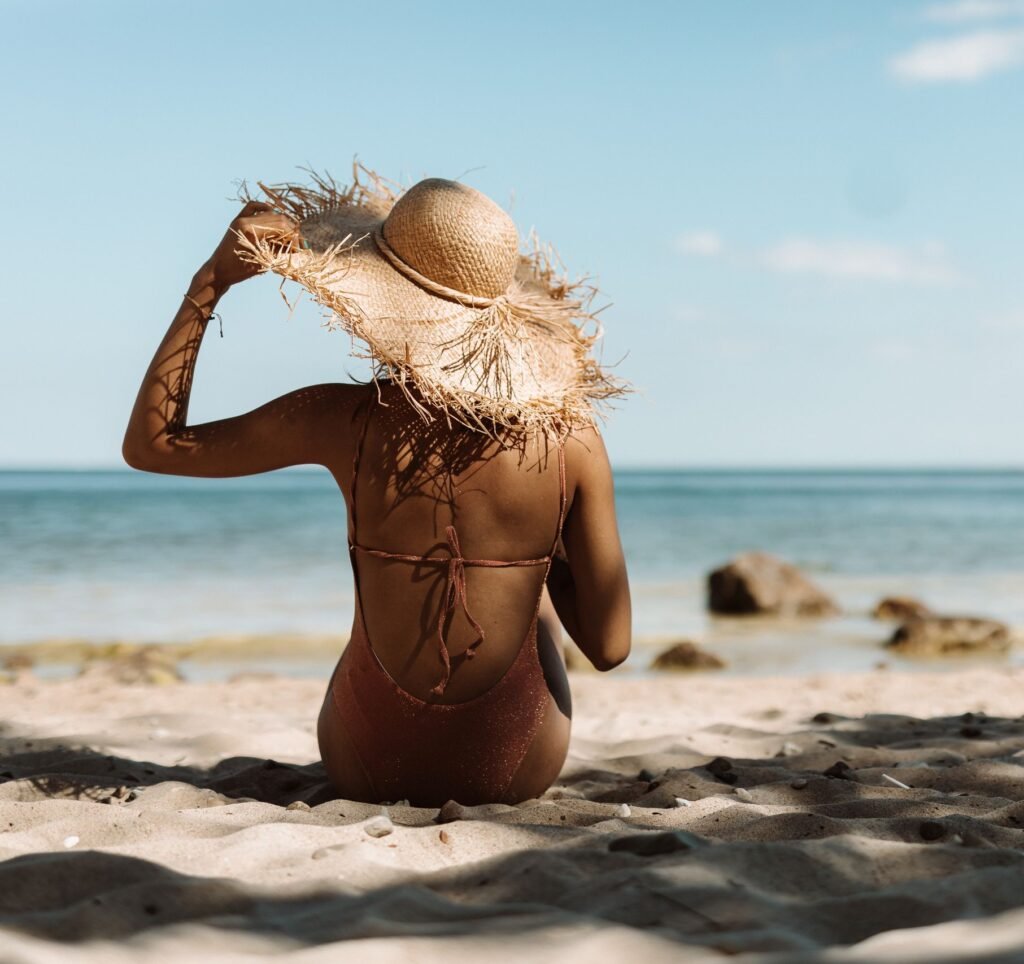
After a long day in the sun, your skin doesn’t just feel warm—it often feels tight, thirsty, and slightly “off.” That dry, slightly rough sensation isn’t your imagination. It’s your skin asking for help.
For mature skin especially, sun exposure can quickly turn into dehydration, dullness, and a loss of that soft, supple feel we all want. And while many people reach for after-sun lotions, body oils, when chosen correctly, can be far more nourishing, restorative, and comforting.
In this post I’ll explain exactly why your skin reacts this way after sun exposure, why mature skin needs extra care, and how to create a deeply replenishing after-sun body oil using carefully selected natural ingredients.
Why Body Skin Needs Different Care Than Facial Skin
We often focus most of our attention on facial skincare, but the skin on your body behaves quite differently and needs a different kind of support.
Body skin is:
- Thicker than facial skin, especially on areas like the legs and back
- Lower in sebaceous (oil-producing) glands, meaning it naturally produces less oil
- More prone to dryness and roughness, particularly with age
- Often neglected in daily routines compared to the face
Unlike your face, which usually benefits from layered hydration (serums, creams, etc.), body skin responds beautifully to oils because they help soften, seal, and restore comfort quickly. This becomes even more important after sun exposure.
What Sun Exposure Really Does to Your Skin
Even when you’re not sunburned, UV exposure affects your skin in subtle but important ways. Sun exposure can:
- Break down collagen and elastin, leading to sagging and fine lines
- Disrupt the skin barrier, making it harder to retain moisture
- Increase transepidermal water loss, meaning your skin loses hydration faster
- Trigger oxidative stress, which accelerates visible ageing
- Leave skin feeling tight, dehydrated, and uneven in texture
So that “dry” feeling after being in the sun isn’t just surface-level, it’s a sign your skin barrier has been compromised and needs replenishment. Sun exposure causes both dehydration and dryness at the same time as UV rays reduce your skin’s natural oils while also increasing water loss. The result? Skin that feels tight, looks dull, and may even appear slightly crepey, especially on areas like arms, chest, and legs.
Why Mature Skin Feels It More
As we age, our skin naturally undergoes changes that make it more vulnerable to sun-related dryness.
- Sebum production declines with age, and drops noticeably after menopause as oestrogen levels fall. Oestrogen supports oil gland activity, so less of it means a thinner natural lipid layer from the outset.
- The epidermis thins over time, meaning there’s less structural buffer between the environment and the living layers underneath.
- Hyaluronic acid content in the skin decreases with age — this is the molecule responsible for holding water within skin tissue, so mature skin naturally retains less moisture even before sun exposure enters the picture.
- Cell turnover slows, so damaged surface cells hang around longer instead of being efficiently replaced, which shows up as flaking, roughness and a dull, uneven texture.
- Decades of cumulative UV exposure mean mature skin is often already carrying structural damage — thinner collagen networks, more fragile capillaries — so each new exposure has less “resilience reserve” to draw on.
In short: younger skin bounces back because it has surplus oil, water-holding capacity and repair speed. Mature skin is working with a smaller safety margin on all three, which is exactly why after-sun care becomes less about “cooling” and more about repairing, replenishing and restoring comfort.
Why Body Oils Work So Well After Sun Exposure
Most body lotions are water-based emulsions. They’re mostly water, with a small percentage of oil emulsified in, plus thickeners and preservatives. On sun-stressed skin this can actually be counterproductive: the water evaporates quickly (sometimes triggering more TEWL as it does), and there often isn’t enough oil left behind to actually patch the barrier.
Oil works differently because it is:
- Occlusive — it sits on the skin surface and slows water evaporation, effectively sealing in whatever hydration is already there.
- Emollient — it fills in the gaps between dry, flaking skin cells, immediately smoothing texture.
- A delivery vehicle for fat-soluble actives — vitamins A, E and K, essential fatty acids, and plant antioxidants are all oil-soluble, meaning an oil-based product delivers them far more effectively than a water-based one.
- Barrier-mimicking — many plant oils have a fatty acid profile similar to human sebum, meaning skin recognises and integrates them more readily than synthetic ingredients.
For sun-exposed skin specifically, this matters because that free-radical cascade is still running hours after exposure. You need something delivering antioxidants directly where the damage is happening and oil is the only format that does that efficiently.
The Best Carrier Oils for Sun-Stressed Mature Skin
I deliberately choose these oils because they do three things at once: repair the barrier, deliver serious antioxidant firepower and absorb well enough that you’re not left feeling like a chip shop counter.
Pomegranate Seed Oil
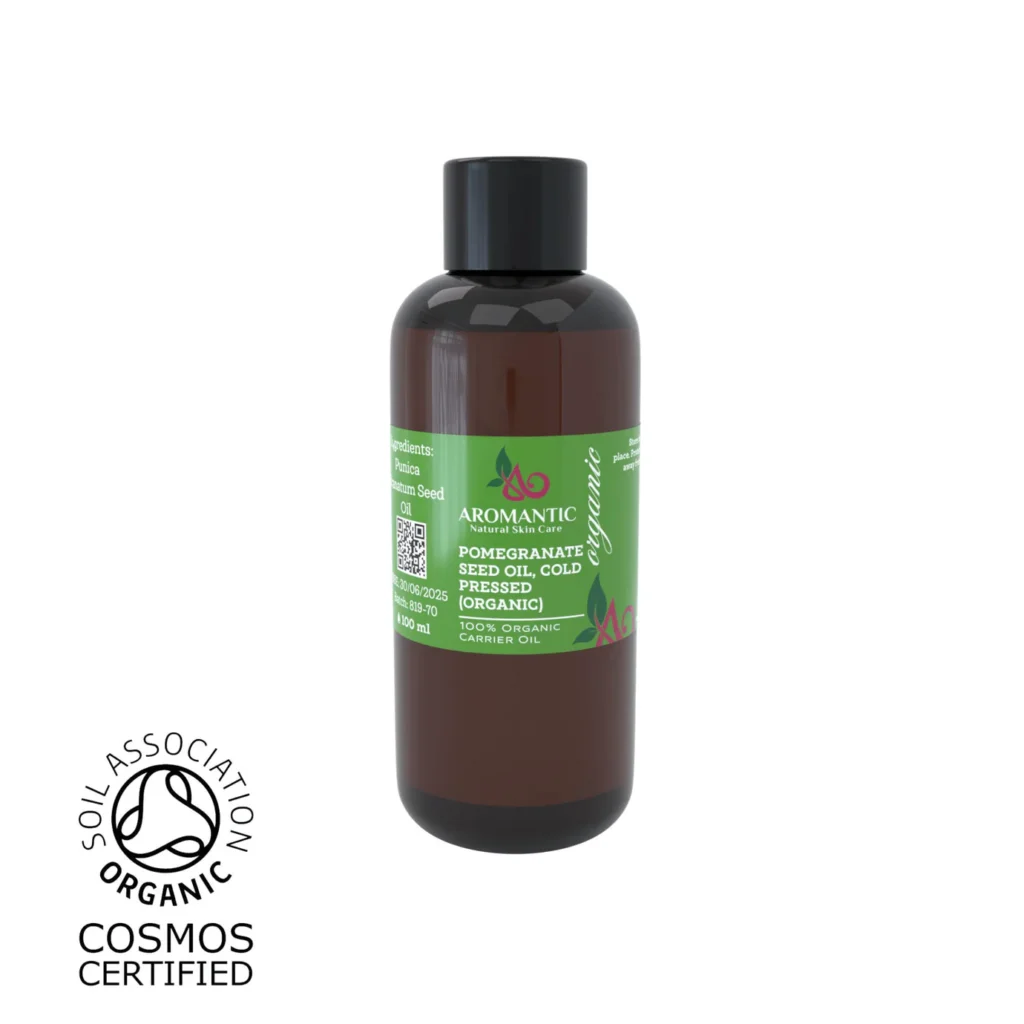
Pomegranate seed oil is the repair specialist. It’s one of the few plant oils containing punicic acid, a rare form of conjugated linolenic acid with strong antioxidant activity, and there’s good evidence it supports keratinocyte regeneration of cells damaged by UV.
Prickly Pear Seed Oil
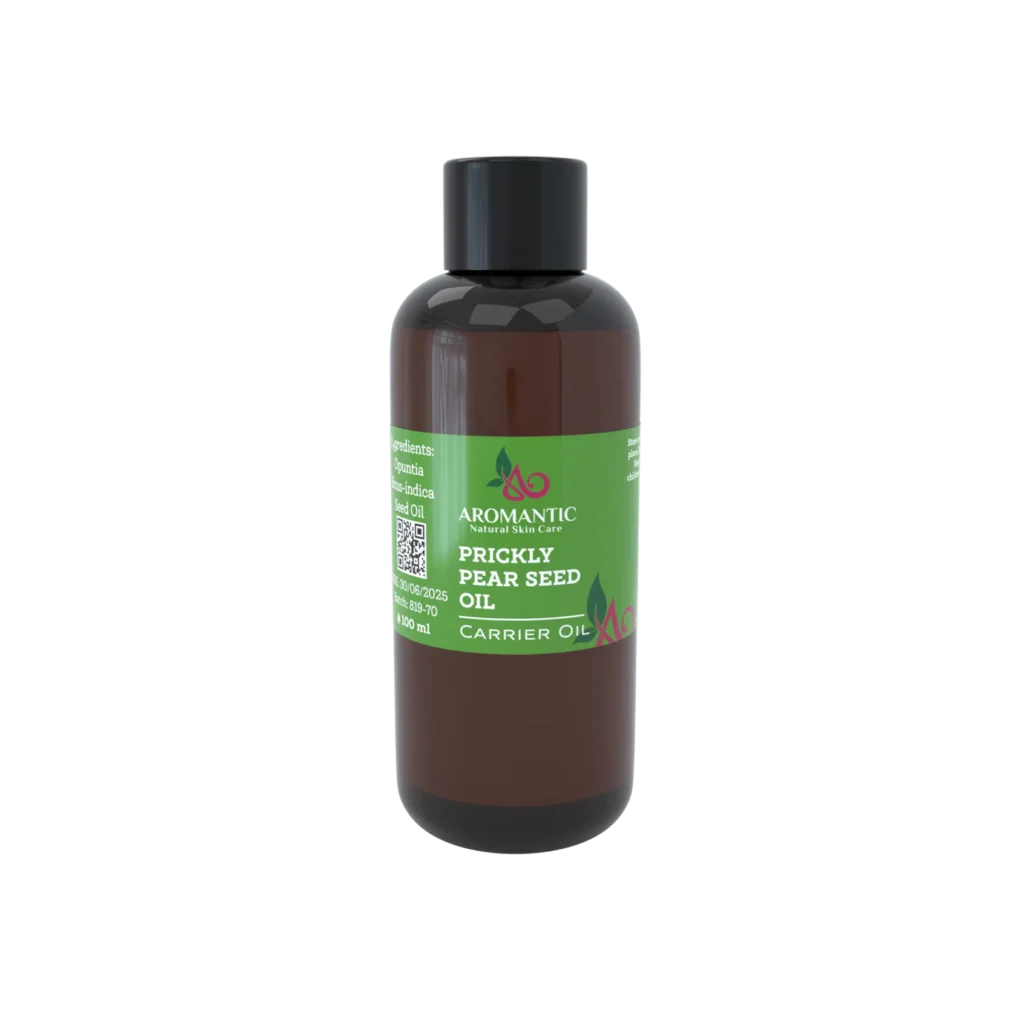
Prickly pear seed oil is the luxury finishing touch. It has one of the highest vitamin E contents of any plant oil, alongside a high concentration of linoleic acid, making it exceptional for barrier support and fine-line softening.
Moringa Oil
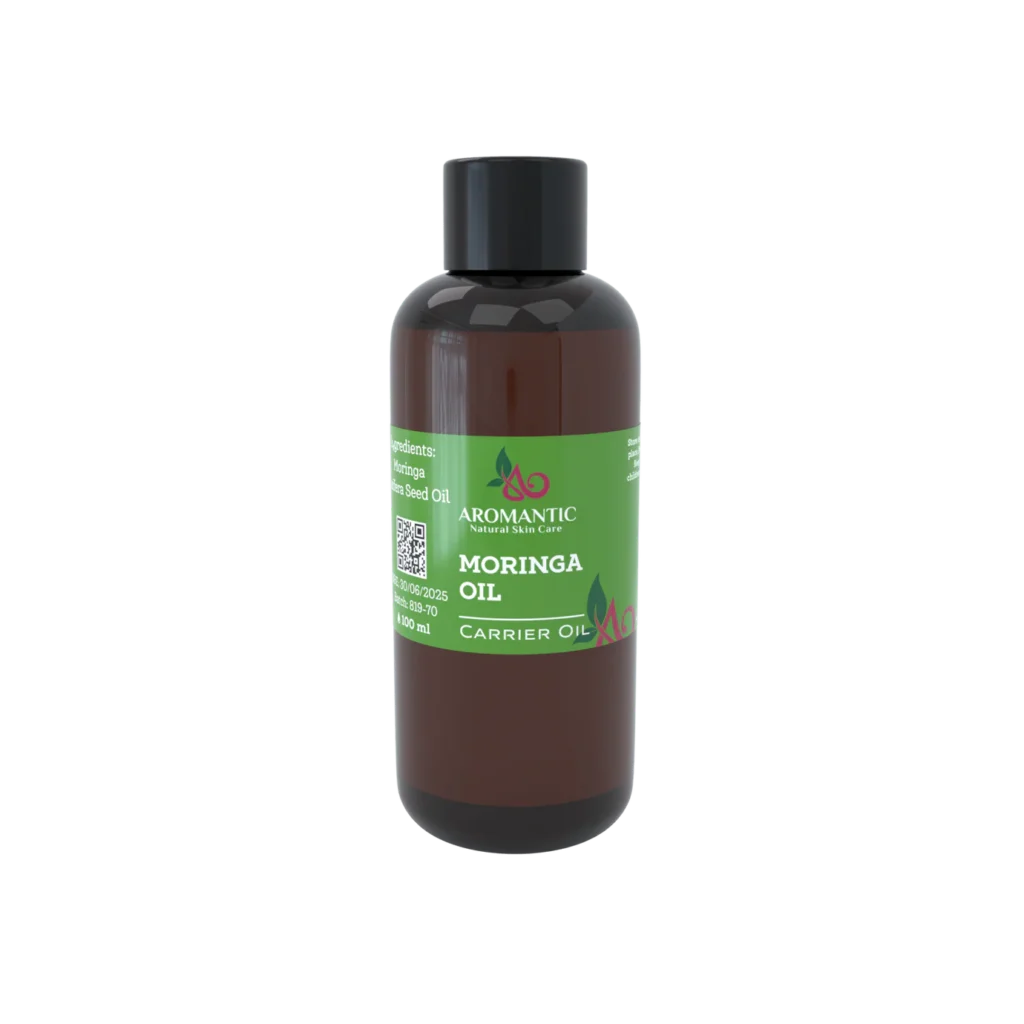
Moringa oil is the workhorse base. It’s unusually rich in oleic and behenic acids, which give it excellent stability (it resists going rancid, useful for a body-sized batch) and a slightly occlusive quality that’s ideal for sealing in moisture after sun exposure. It absorbs well without feeling heavy, making it a good main carrier rather than just a finishing oil.
Best Essential Oils for After-Sun Care
For after-sun blends, it’s important to choose gentle, non-irritating essential oils which are both calming and actively skin-repairing.
Lavender Essential Oil (Lavandula angustifolia)
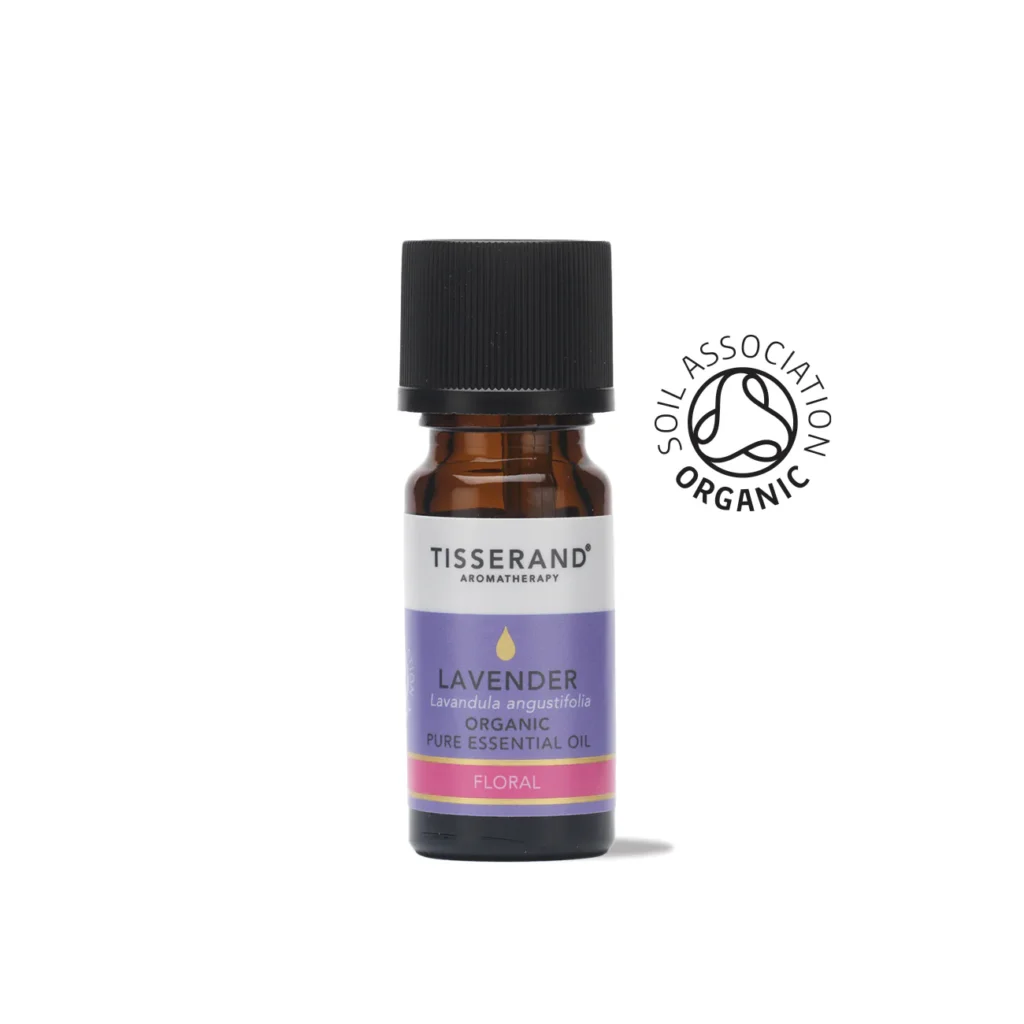
Genuinely calming to irritated, warm skin, and well tolerated even on sensitised or mature complexions.
Frankincense Essential Oil (Boswellia carterii)
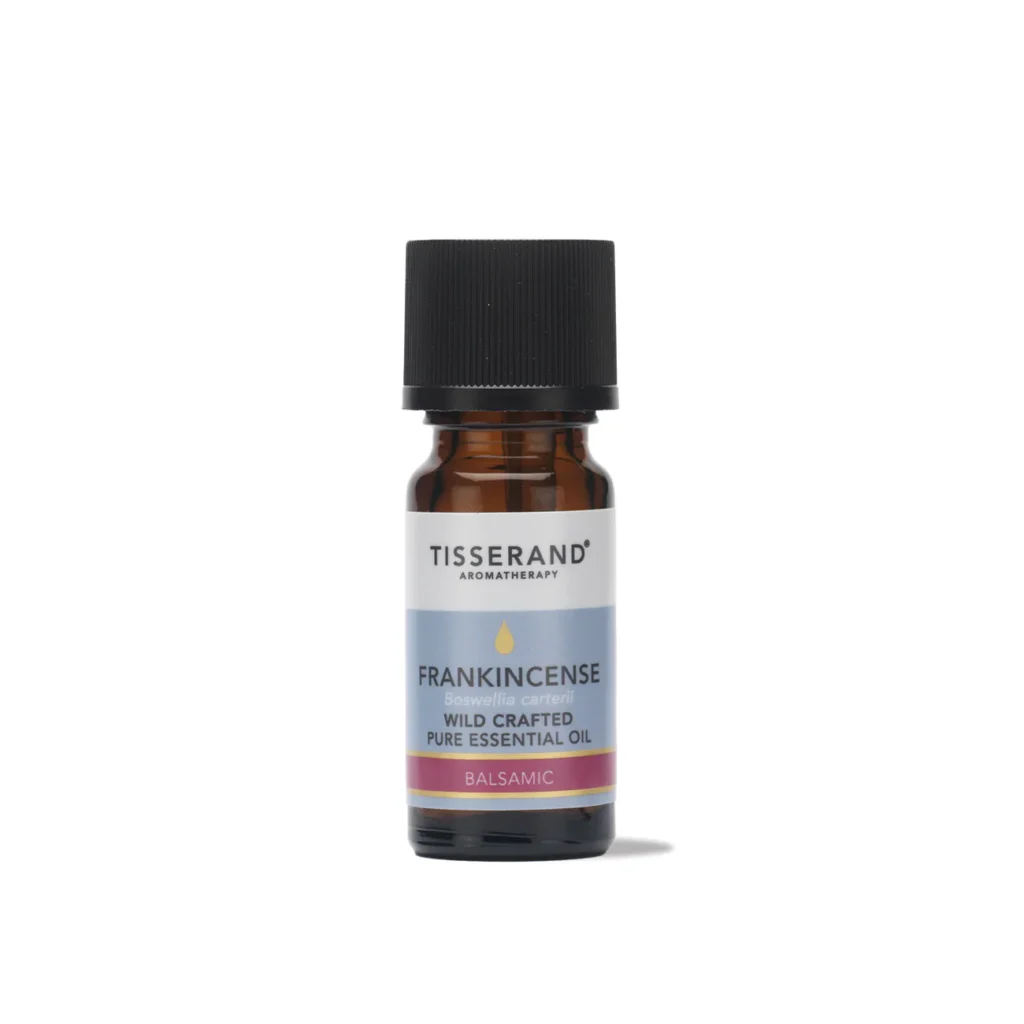
Prized in skincare for supporting cell regeneration and softening the appearance of fine lines, Frankincense essential oil is a perfect fit to protect mature skin from photoageing.
Geranium (Pelargonium graveolens)
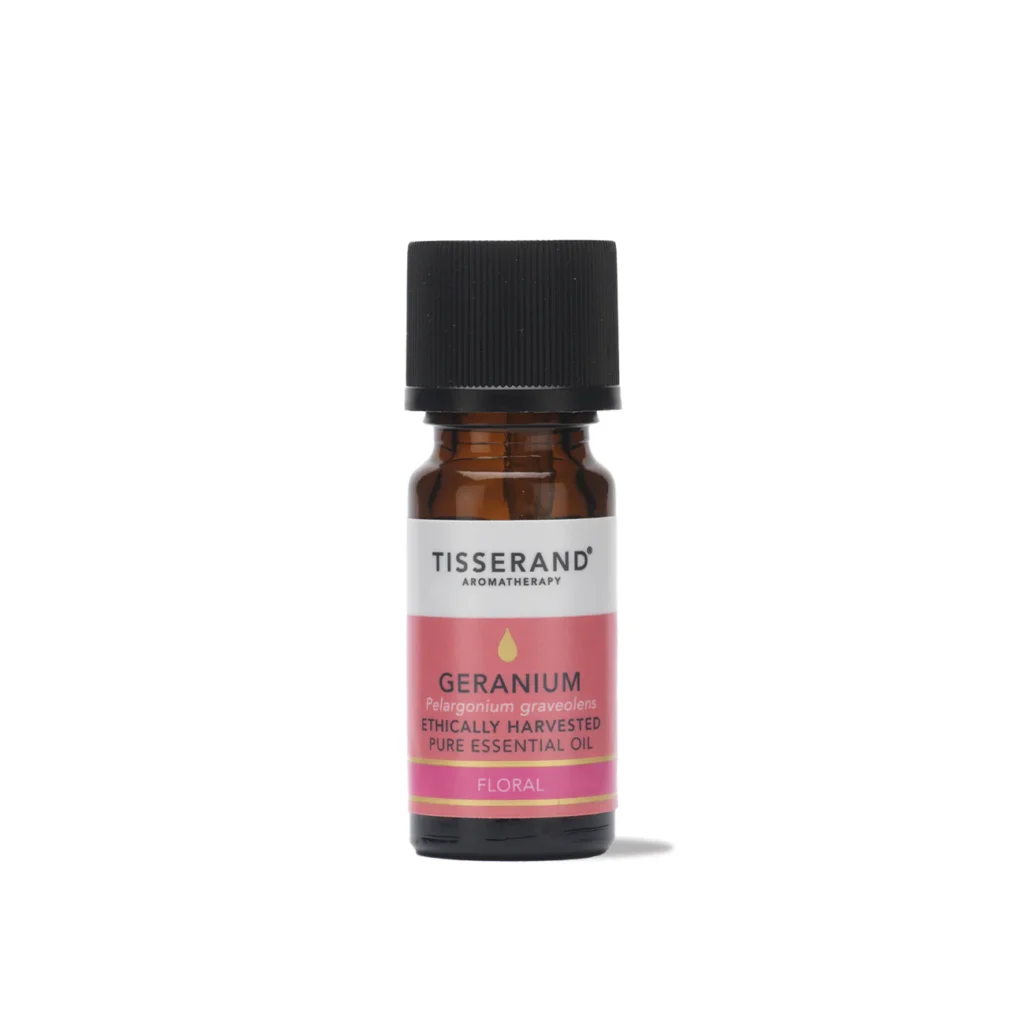
Balancing and gently astringent, Geranium essential oil is a long-time favourite for mature skin and adds a rounded, floral note.
DIY Recipe: After-Sun Recovery Body Oil
This makes a 50ml bottle, no synthetic preservatives here, so smaller batches are your friend.
Ingredients:
- 25ml Moringa oil
- 15ml Pomegranate seed oil
- 5ml Prickly pear seed oil
- 2ml Vitamin E oil (tocopherol)
- 10 drops Lavender essential oil
- 6 drops Frankincense essential oil
- 4 drops Geranium essential oil
- A 50ml dark glass bottle with a dropper or pump top
How to make:
- Sterilise your bottle with boiling water or a splash of high-proof alcohol, and let it dry completely.
- Pour in the carrier oils first.
- Add the vitamin E oil.
- Add drops of the essential oils.
- Cap the bottle and roll gently between your palms to combine.
- Label with the date. Store in a cool, dark place and aim to use within 3 months.
A budget-friendly swap: if Prickly Pear Seed carrier oil is out of reach, Passionflower Seed (maracuja) oil is lighter, high in linoleic acid, and a very reasonable substitute. Just note it feels slightly less rich, which some people actually prefer in hot climates.
Before you use it: patch test on your inner forearm and wait 24 hours, especially if you have sensitive or reactive skin.
How to Use It for Maximum Relief
Application timing matters almost as much as the formula itself.
- Apply to damp skin, straight out of the shower. This is the single biggest lever you can pull. Oil applied to damp skin traps that surface water against the skin instead of letting it evaporate, which is far more effective than applying to bone-dry skin.
- Use a cool, not hot, shower first. Hot water feels wonderful on sun-warmed skin but strips away more of your remaining natural oils. Lukewarm to cool is kinder to an already-compromised barrier.
- Massage in upward, circular motions, giving a little extra time to areas that took the brunt of the sun like shoulders, chest, backs of hands, tops of feet.
- Reapply before bed if skin still feels tight. A thin second layer overnight, with nothing else on top, gives the oils time to work uninterrupted while you sleep.
Final Thoughts
Caring for mature body skin after sun exposure requires more than an afterthought; it requires a deliberate, nourishing ritual. By understanding that your body skin lacks the natural oils of your face and recognising the profound dehydrating and ageing effects of UV rays, you can tailor your skincare to exactly what your body craves.
Reaching for nutrient-dense, lipid-rich botanical oils like Pomegranate Seed, Prickly Pear Seed, Moringa and Passionflower is not just a luxury, it is a biological necessity for repairing the skin barrier, neutralising free radicals and restoring elasticity after the sun exposure.
Try this nourishing body oil recipe this summer instead of watery lotions. Not only is it easy to make, but it will also treat your body to the deep, restorative healing. Your skin will thank you with a radiant, supple, and healthy glow that lasts long after the sun goes down. Body oils are a big part of my own routine. I like to apply them in the morning, first thing after getting up. I learnt about it from Ayurveda practitioners and I’ve been doing it for some time now. It feels invigorating and luxurious and I love how soft and glowing my skin looks and feels afterwards. What is your experience with body oils? Have you tried them at all? Please leave the comments down below, I’d love to hear from you.
Disclaimer: This post contains affiliate links. If you purchase through these links, I may earn a small commission at no extra cost to you — it helps me keep creating free content. I only ever recommend products I personally use and trust. This information is for educational purposes only and is not intended to diagnose, treat, cure, or prevent any disease. Always patch test new ingredients, and consult with a healthcare provider if you have specific skin conditions or concerns. If you’re pregnant, nursing, or on medication, check with your doctor before using essential oils.