5 Essential Oils That Rescue Dry Winter Skin (Plus DIY Recipe)

Disclaimer: This information is for educational purposes only and is not intended to diagnose, treat, cure, or prevent any disease. Always patch test new ingredients, and consult with a healthcare provider if you have specific skin conditions or concerns. If you’re pregnant, nursing, or on medication, check with your doctor before using essential oils.
Don’t we all love this time of the year! Frosty air, festive lights, cosy jumpers, evenings indoors with candles, Christmas just around the corner… We can’t ask for more, can we?! Unfortunately these months of cold weather with harsh winds and central heating brings challenges to our skin and it starts feeling tight, dry, flaky and sometimes even irritated. It can be a struggle to find the right skincare so the skin stays nourished and hydrated at this time of the year. I went through this struggle myself before so discovering how efficient and helpful natural oils and essential oils can be due to their emollient, regenerative and therapeutic properties was a game changer for me. Keep reading and you’ll discover why winter damages the skin, what natural oils are essential this season, and the top 5 essential oils that will keep your skin nourished and glowing. Plus, there’s a simple DIY winter-rescue recipe you can make at home.
The Science Behind Winter Skin Damage
Your skin has a natural protective barrier called the lipid barrier (or moisture barrier). It acts as a brick wall – your skin cells are the bricks and natural oils (lipids) are the mortar holding everything together. This barrier does an important job which is keeping moisture locked inside your skin.
So why does winter affect the skin? Let me explain it to you in detail, I promise it’s going to be easy to understand. So, first of all cold air holds much less moisture than warm air. During winter, humidity levels normally drop below 30-40%. When humidity is this low, the air literally pulls moisture from your skin through a process called trans-epidermal water loss (TEWL). Your skin loses water faster than it can replace it. Harsh winds damage the protective layer of the skin creating little cracks making the moisture “escape” even faster. Plus the skin reacts to cold by constricting blood vessels near the surface and by making sebum glands to reduce oil production. This results in less nutrients delivered to the outer layers and in the protective barrier becoming weaker exposing the skin to more moisture loss.
Unfortunately the situation doesn’t get better when we’re indoors. Firstly it’s central heating that drops indoor humidity to as low as 10-20%, making the conditions similar to if we were in a desert leading to the further moisture loss. And then hot showers, or hot water, strips away what’s left of your protective oils. More tiny cracks then appear in the protective layer through which more moisture escapes. Advanced moisture loss and impaired protective barrier during winter months leads to the skin feeling tight and dry and appearing flaky and irritated.
Why Essential Oils Are So Effective and How to Use them
- Deep Penetration: Essential Oils are becoming more and more popular in Skincare as they provide amazing benefits such as cell regeneration, healing, soothing, reducing inflammation, enhanced circulation, etc. They are also incredibly effective at delivering the results due to their exceptionally small molecule size. Which means essential oils can do something most skincare ingredients cannot: penetrate beyond the surface layer of your skin. That’s why unlike creams that sit on the surface, essential oils work at the cellular level where healing and regeneration actually happen.
- Safe Dilution: Essential Oils should never be used neat on the skin as that can cause irritation, instead they should always be diluted in Carrier (or Base) oils to prevent irritation while still allowing penetration. Apart from being a safe and effective vehicle for Essential Oils, Carrier Oils also add extra benefits such as deep moisturising and a prevention of water loss, skin’s lipid barrier protection, nourishment and soothing effects, etc allowing you to create truly unique blends tailored to your skin needs.
- Quality Matters: Always choose high quality oils. As Essential Oils penetrate deeply into your bloodstream, you only want to use the ones of a pure, therapeutic quality so they are free from the impurities or any kind of contamination. Buy them from the trusted suppliers who offer high quality products, you will only want the purest oils for the best results. If you are looking for quality essential oils, I recommend Tisserand and Aromantic for therapeutic-grade oils.
The 5 Best Essential Oils for Winter Skin
1. Lavender Oil – The Gentle Healer
Best for: Sensitive, irritated winter skin, windburn, red patches
When winter wind and cold have left your skin feeling raw and irritated, Lavender oil is your first line of defense. It’s one of the gentlest essential oils, making it safe even when your skin barrier is compromised and reactive. Lavender actively calms inflammation – that red, stinging feeling you get after being outside in the cold – while simultaneously helping your skin repair the damage. It’s particularly effective for winter because it doesn’t just sit on the surface; it actually encourages your skin to rebuild its protective barrier faster by stimulating collagen and elastin production. If your skin feels tender and sensitive from the harsh weather, Lavender oil soothes immediately while working on long-term repair.
How to use for winter skin: Mix 6 drops in 30ml (1% dilution, safe for everyday use) of a nourishing carrier oil like Jojoba or Sweet Almond oil. Apply morning and night to your face, focusing on extra-irritated areas like cheeks and around your nose. For severely chapped patches, you can mix 1 drop with a teaspoon of carrier oil and dab it directly on those spots.
Recommended:
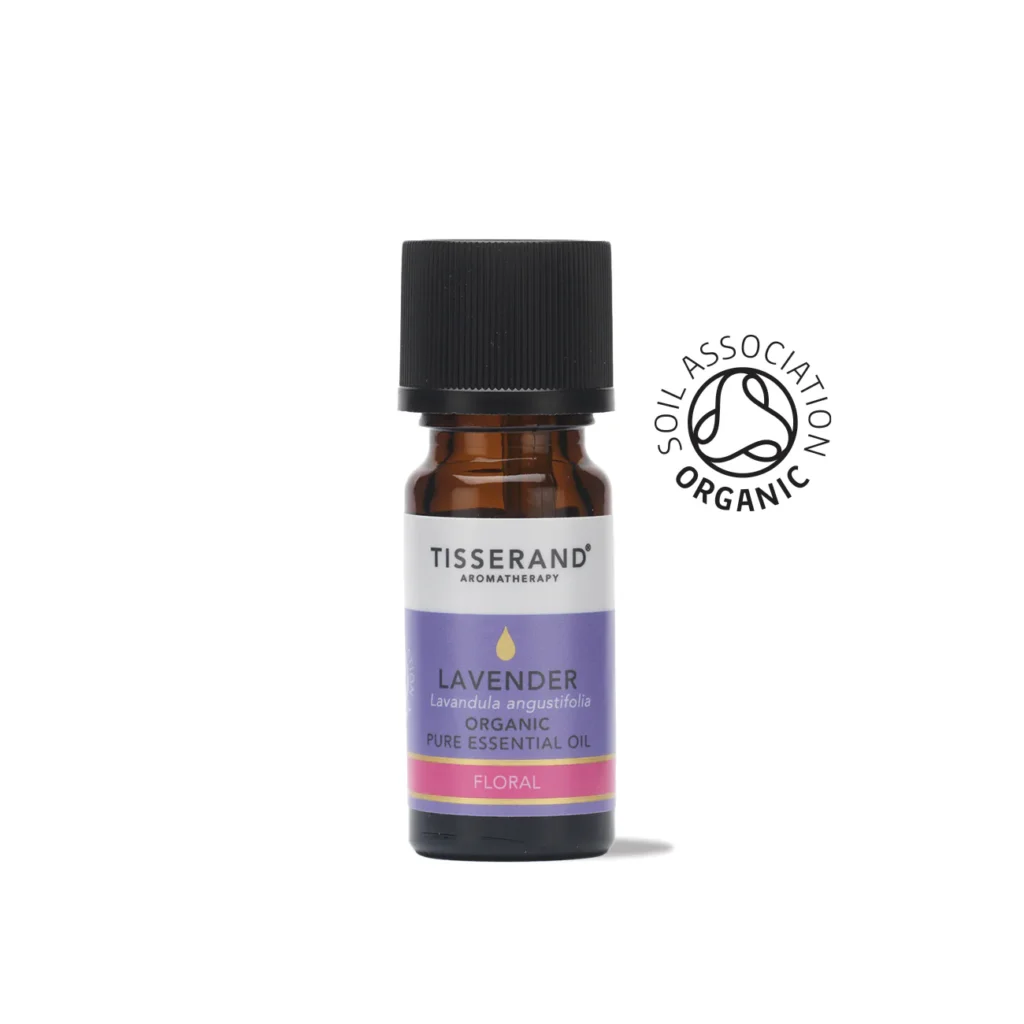
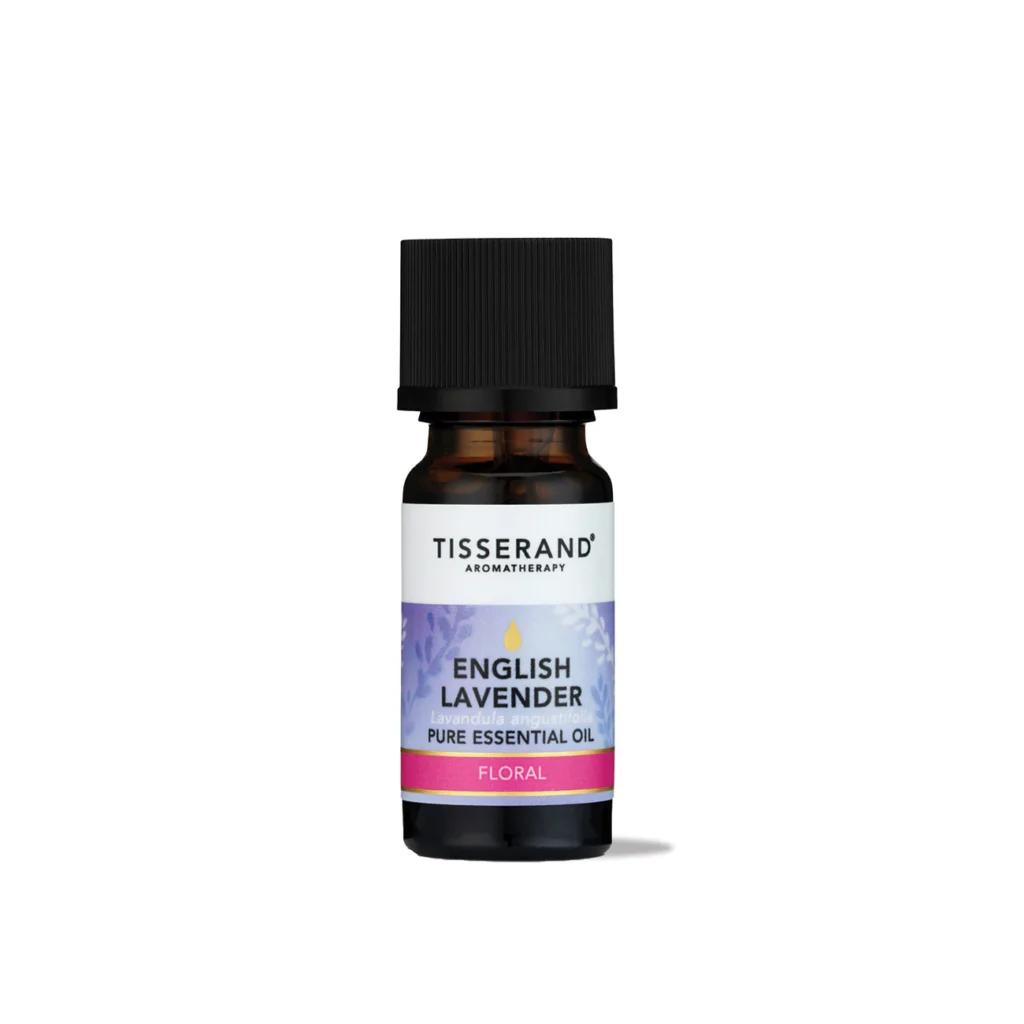
Tisserand Lavender Oil
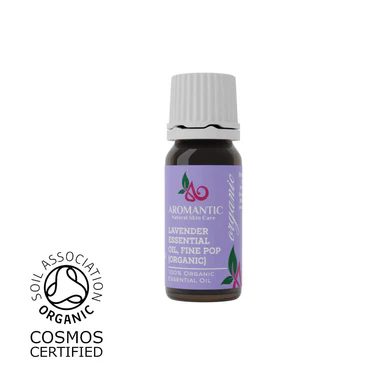
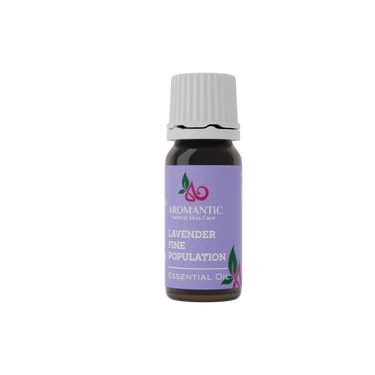
Aromantic Lavender Oil
2. Frankincense Oil – The Cells Regenerator
Best for: Severely dry skin, damaged moisture barrier, mature skin showing more lines in winter
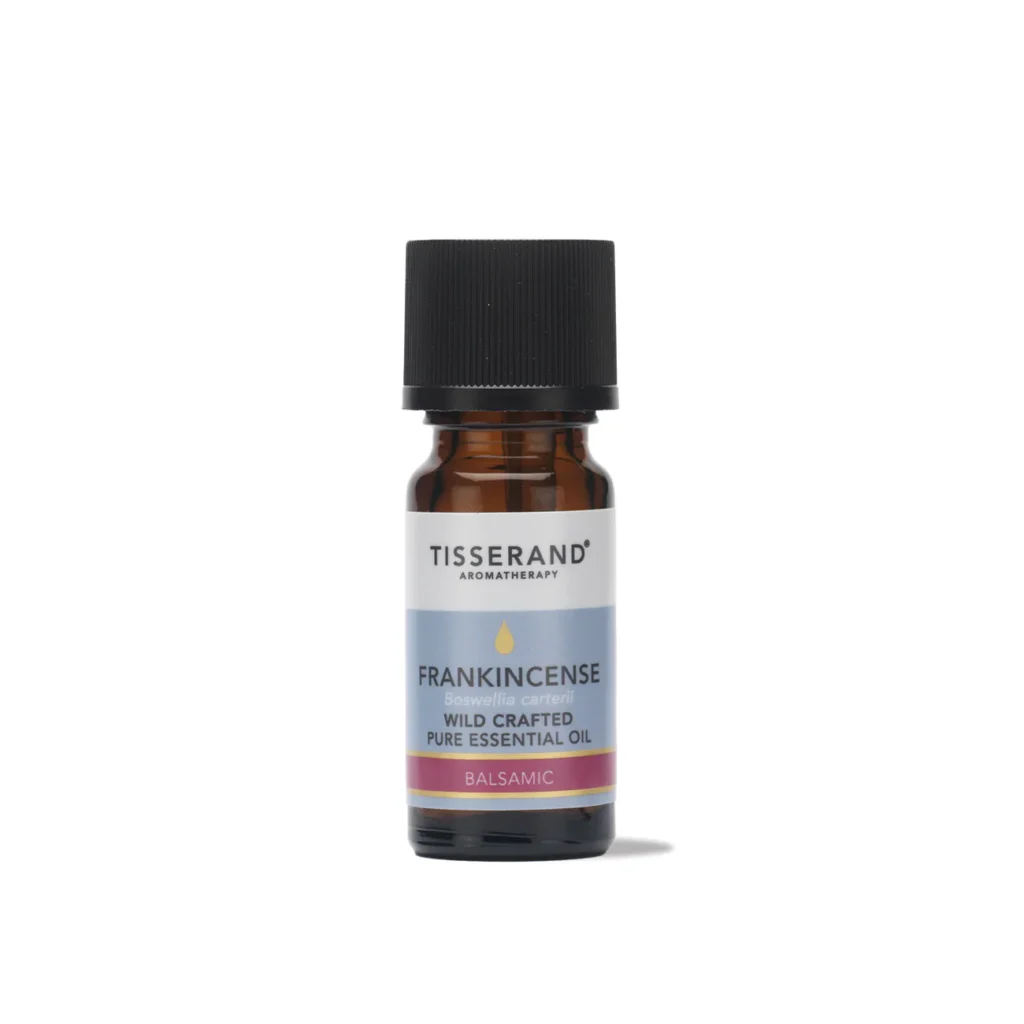
Frankincense oil is your heavy-duty winter repair oil. When cold weather has seriously compromised your skin’s protective barrier and moisture just seems to evaporate no matter what you apply, Frankincense gets to work at the cellular level. It encourages your skin to generate new, healthy cells to replace the damaged ones winter has left behind, while also strengthening the barrier so it can actually hold onto moisture again. This is particularly valuable in winter when your skin’s natural repair processes slow down due to reduced circulation from the cold. Frankincense oil also improves your skin’s ability to retain water at a deeper level – so you’re not just adding moisture on top, you’re helping your skin keep it locked in.
How to use for winter skin: Mix 6 drops in 30ml of a rich carrier oil like Rosehip or Argan oil. Apply generously before bed, massaging it into your face, neck, and any other areas suffering from severe dryness. For deep repair, you can also add 1-2 drops to your regular moisturizer each time you apply it to boost its effectiveness.
Recommended:
Tisserand Frankincense Oil
Aromantic Frankincense Oil
3. Geranium Oil – The Balancer
Best for: Dull, lifeless winter skin, combination skin struggling in winter, skin that’s lost its glow
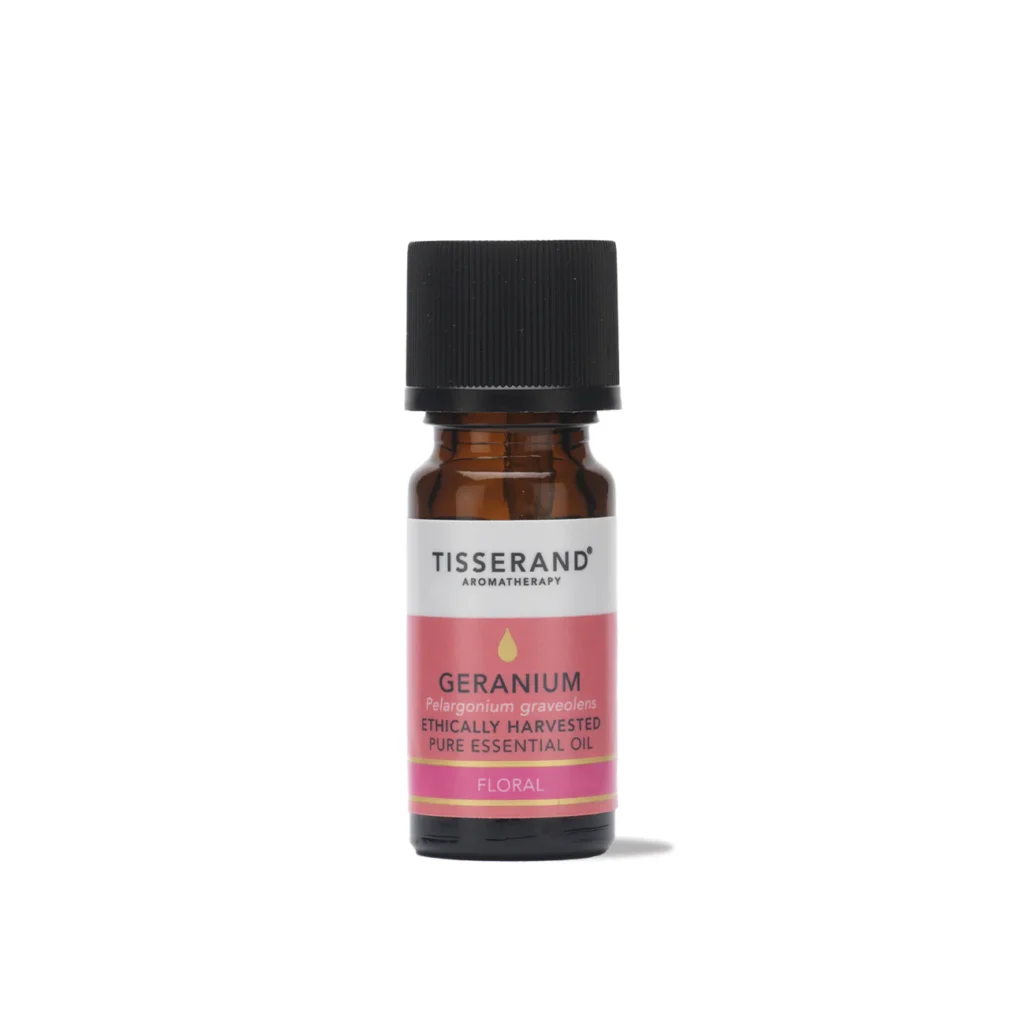
Winter doesn’t just dry out your skin – it also makes it look dull and tired because cold temperatures reduce blood flow to your skin’s surface. Less circulation means fewer nutrients and less oxygen reaching your skin cells. Geranium oil is brilliant for winter because it actively improves circulation, bringing warmth and vitality back to your complexion. Better blood flow means your skin gets the nutrients it needs to stay healthy despite the harsh conditions. Geranium oil also helps balance your skin’s oil production, which is especially helpful when winter has your skin confused – producing too much oil in some areas and not enough in others. It strengthens your skin’s barrier while giving you back that healthy glow that winter tends to steal.
How to use it for winter skin: Mix 6 drops in 30ml Jojoba oil (Jojoba is excellent because it mimics your skin’s natural oils). Massage it into your face using upward circular motions – this enhances the circulation-boosting effect. Use morning and evening. If your T-zone is oily but your cheeks are dry (common in winter), you can apply this blend all over to help balance things out.
Recommended:
Tisserand Geranuim Oil
Aromantic Geranium Oil
4. Chamomile Oil – The Calming Rescue
Best for: Very sensitive skin, rosacea that flares in winter, skin that stings and burns from cold exposure
If your skin has become so reactive from winter conditions that even your regular moisturizer stings, chamomile is your rescue remedy. It’s powerfully anti-inflammatory, which means it specifically targets the redness, swelling, and irritation that cold wind and indoor heating cause. Chamomile oil works quickly to calm angry, inflamed skin – often within minutes of application. It’s gentle enough to use even when your skin barrier is severely damaged and everything else feels too harsh. Chamomile also speeds up healing, so those red, chapped patches from winter wind recover faster. If winter has turned your normally calm skin into a sensitive, reactive mess, Chamomile oil brings it back to baseline.
How to use for winter skin: Mix 6 drops in 30ml of a calming carrier oil like Calendula-infused oil or Sweet Almond oil. Keep this blend handy and apply it immediately when your skin feels irritated – after being outside in the cold, or when indoor heating has made your face red and uncomfortable. For very sensitive and reactive skin, start with just 3-4 drops per 30ml. see how your skin responds and then build it up to a standard 1% dilution.
Recommended:
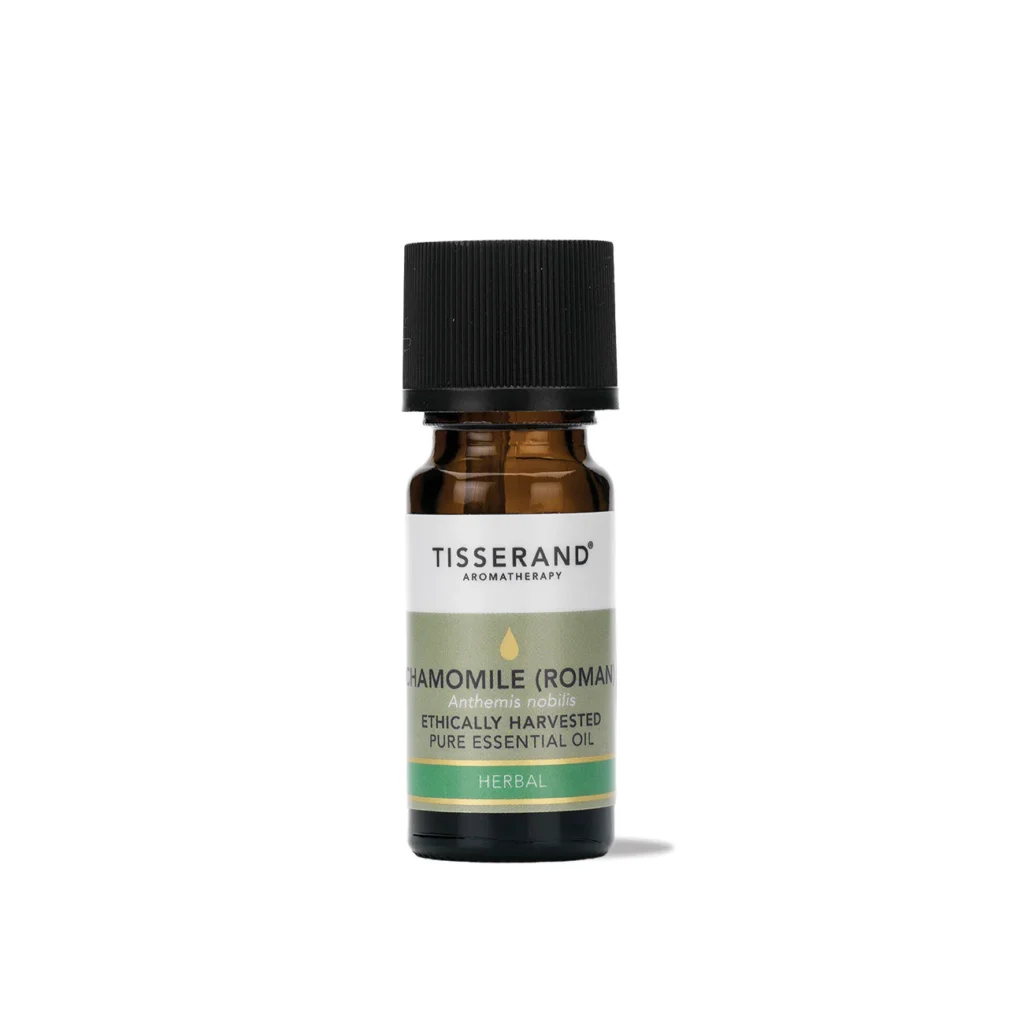
Tisserand Chamomile Oil
Aromantic Chamomile Oil
5. Rose Otto – The Deep Hydrator
Best for: Extremely dry, dehydrated skin, skin that drinks up moisture but still feels dry an hour later
Rose otto is the ultimate winter hydration essential oil. When your skin has become so depleted that moisture just won’t stay in no matter what you apply, Rose Otto changes the game. It’s exceptionally emollient, meaning it creates a protective seal over your skin that prevents moisture loss while simultaneously delivering deep hydration. Rose Otto oil strengthens your lipid barrier – that crucial protective layer that winter destroys – making it more resilient against cold, wind, and dry air. It’s one of the most luxurious and effective oils for severely compromised winter skin. If you’ve tried everything and your skin still feels like the Sahara, Rose Otto oil is worth the investment. It holds moisture in your skin rather than letting it evaporate into the dry winter air.
How to use it for winter skin: Rose Otto is potent and expensive, so a little goes a long way. Mix just 1-2 drops in 30ml of a carrier oil (you can even use Rosehip Seed oil as your carrier for double the benefits). Apply this blend as your final step at night, pressing it gently into your skin to seal in all the moisture from your other products. For extremely dry areas, you can apply it morning and night.
Recommended:
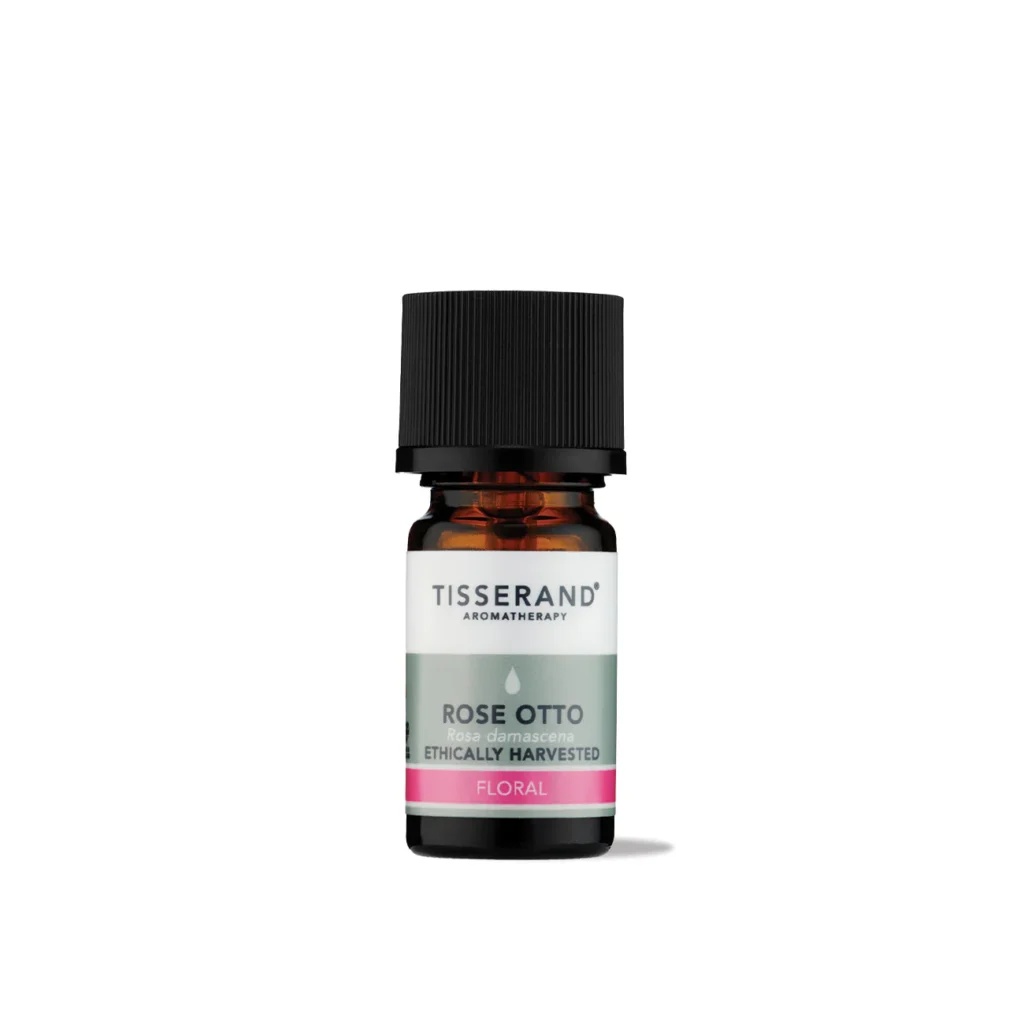
Tisserand Rose Otto Oil
Aromantic Persian Rose Otto Oil
Safety First!
- Remember to always dilute Essential Oils and never apply them neat directly on the skin to avoid irritation or allergic reaction. 1% dilution, which is 6 drops per 30 ml, is a safe ratio for everyday use. If you skin is healthy you can also use 2% dilution for face use, which is 12 drops per 30 ml. It will yet be safe, but more theraputic.
- Always do a patch test first. Apply a small amount of your blend to a small area, leave for a couple of hours and then check for any signs of irritation or allergic reaction.
- If you’re pregnant or nursing, always consult your doctor or midwife before using essential oils. Avoid the oils listed above, and if you do use essential oils, dilute them more than usual (0.5-1% for pregnancy) and use sparingly. When in doubt, skip it – your baby’s safety comes first.
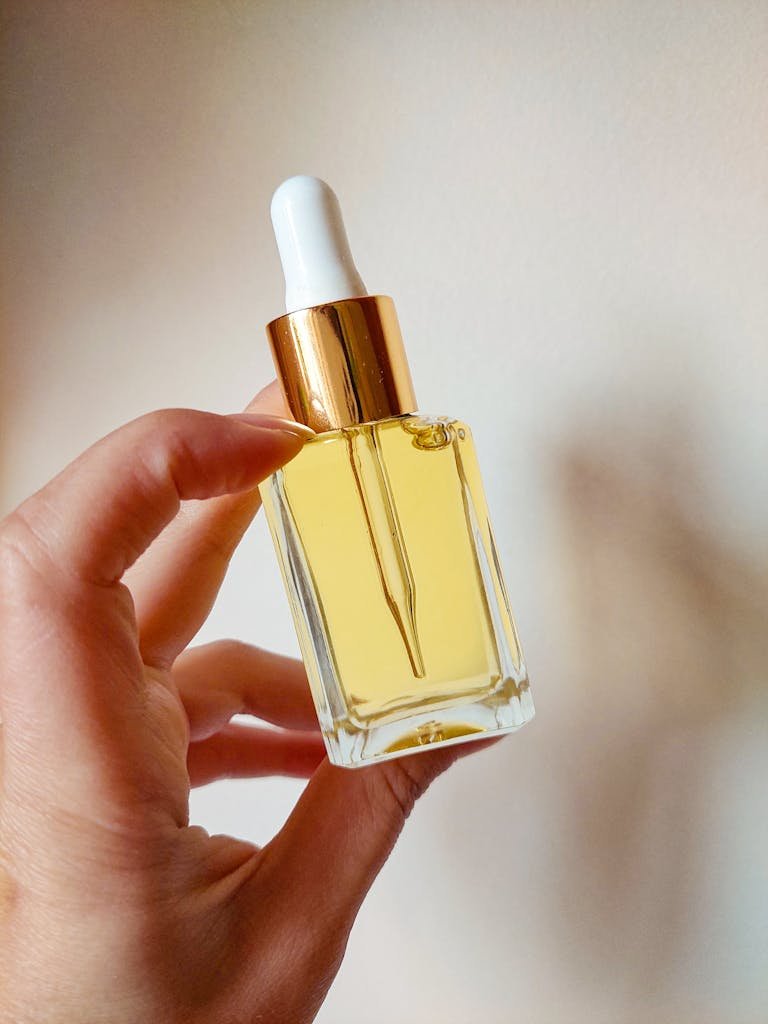
Winter Soothing Face Serum: Make it today!
| Ingredients: Macadamia oil 10 ml Grapeseed Oil 10 ml Squalane Oil 10 ml Lavender Oil 2 drops Chamomile Oil 1 drop Frankincense Oil 1 drop Geranium Oil 2 Drops | Tools & Equipment: Measuring cup Or scales Small glass bowl Dropper or pipette Small funnel (optional but helpful) 30ml dark glass bottle Label for your bottle |
- How to make: Combine all the ingredients in a small glass bowl, gently swirl and then transfer to a glass bottle. Stick on a label with a name, ingredients and the date it was made on.
- How to store: Always use dark glass as essential oils degrade in clear glass and plastic. Store in a cool, dark place and keep away from direct heat sources and sunlight. Remember to always close tightly after use to prevent oxidation
- Shelf life: 6-8 months when stored properly. Make small batches so you use it up while it’s fresh.
- How to Use: Apply 3-4 drops on a freshly cleaned face every morning and evening. Wait 2-3 minutes for absorption, then apply your regular moisturizer on top if needed.
- Customization Tips:
- For extra dry skin: Use 4 drops of Frankincense oil instead of 2
- For sensitive skin: Replace Geranium oil with 1 drop of Chamomile oil
- For mature skin: Add 1 drop of Rose otto oil
- Prefer different scent: Swap Geranium oil for Ylang Ylang or Neroli oil
- What Results to Expect:
- Immediately: Softer, less tight skin
- After 24-48 hours: Noticeably more hydrated
- After 1 week: Improved skin barrier, reduced sensitivity
- After 2-4 weeks: Plumper skin, fine lines less visible
All the ingredients in this recipe are perfect to keep the skin hydrated and healthy during winter months especially carrier (base) oils used. Macadamia Oil is highly emollient and deeply moisturising and so is Grapeseed Oil, which at the same time is very light and easily absorbed oil that is suitable for any skin type. And Squalane Oil is a natural balancing ingredient and is naturally anti-inflammatory.
I love Essential Oils! They are part of my everyday skincare routine along with other skincare products made from natural oils and ingredients. I always use serums in winter and my skin feels healthy and looks glowing. In my opinion, based on years of using Essential Oils and Natural Oils in my skincare routine daily, I do believe and I’m convinced they are the most efficient ingredients you need to look for in your products. Because trust me they deliver! I tried countless creams, lotions, serums from the counter which promised great results but would always fall short after using them. Natural Oils will never disappoint you, you just need to use them in a safe way.
So as you see after all, winter doesn’t have to mean suffering with dry, uncomfortable skin. These 5 essential oils – Lavender, Frankincense, Geranium, Chamomile, and Rose Otto – offer natural, effective solutions that work with your skin’s biology rather than against it. Start with one or two that appeal to you most, or try the winter serum recipe above. Your skin will love you! Have you tried essential oils for winter skincare? I’d love to hear about your experience in the comments below.
This post contains affiliate links. If you purchase through these links, I may earn a small commission at no extra cost to you. I only recommend products I trust and use myself.