Best Essential Oils for Cellulite During Menopause
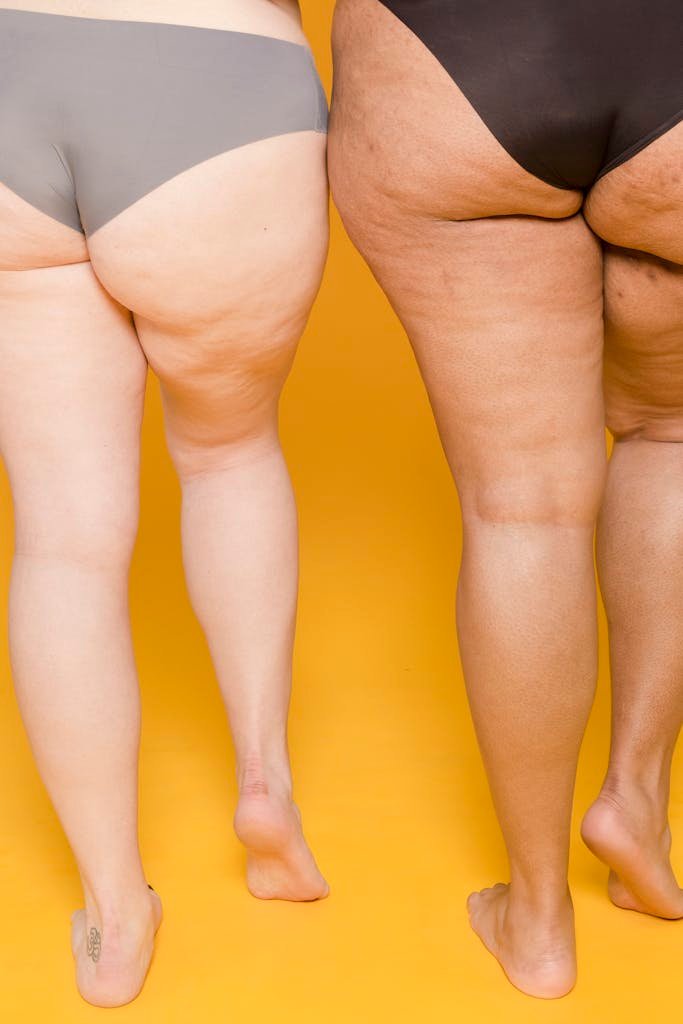
Cellulite is something almost every woman shares, yet it remains a persistent source of frustration. Whether you call it “orange peel skin,” “cottage cheese,” or simply “those dimples on my thighs,” cellulite affects nearly 90% of women at some point in their lives. Menopause is often the time when we notice cellulite becoming more visible, due to the hormonal changes every woman’s body goes through during this transition. While it is entirely natural and not a medical condition, the desire to smooth its appearance is a common goal for many of us. In this article we will explore what cellulite is, how it is affected by hormonal changes during menopause, how essential oils offer a potent, natural alternative to expensive and invasive treatments and which ones to choose. You’ll also find three simple DIY recipes you can make at home so yo can start your journey to the smoother skin straight away!
What Is Cellulite and Why Do 90% of Women Have It
Cellulite is the dimpled, uneven texture that appears when fat cells beneath the skin push up against the connective tissue above them. It’s most common on the thighs, buttocks, hips, and upper arms.
Cellulite isn’t a sign of poor health or being overweight. Research shows it affects approximately 85–98% of women after puberty, regardless of their age, body shape and weight. The structure of female connective tissue — arranged in vertical columns rather than the criss-cross pattern found in male tissue — makes women far more susceptible to its appearance. Plus genetics, hormones, blood circulation and skin elasticity all play a role. All these factors experience a huge change during the onset of menopause and this is exactly where menopause enters the picture and makes things worse.
Why Cellulite Gets Worse During the Menopause
Menopause doesn’t just trigger hot flushes and mood changes — it creates a perfect storm for cellulite. Here’s what’s happening beneath the surface:
Collagen decline. As oestrogen drops, your body produces significantly less collagen. Collagen is the scaffolding that keeps skin firm and smooth. Less of it means the connective tissue weakens, allowing fat cells to push through more visibly.
Poor circulation. Reduced oestrogen also leads to decreased vascular tone and impaired microcirculation. Blood and lymphatic flow slow down, which means waste products and excess fluid aren’t cleared as efficiently. This contributes to puffiness, water retention, and that characteristic orange-peel texture.
Fat redistribution. Metabolism naturally slows during menopause and fat distribution shifts. Many women notice increased fat around the abdomen, thighs, and buttocks — precisely the areas where cellulite tends to show.
Stress and cortisol. Menopause often coincides with a period of increased stress, which raises cortisol levels. Elevated cortisol promotes fat storage and further impairs circulation — making cellulite even more persistent.
Understanding these mechanisms is important because it explains why the approach needs to be multi-layered. Essential oils can’t replace oestrogen, but they can support the body in several meaningful ways.
How Essential Oils Can Help Cellulite During the Menopause
Essential oils are not going to “melt” fat cells. But they can make a visible difference to texture, tone, and puffiness when used consistently and combined with good lifestyle habits.
They do offer genuine, evidence-backed benefits that directly address the factors that make cellulite worse during menopause:
Boosting circulation. Warming and stimulating essential oils like Grapefruit, Rosemary, and Black Pepper increase local blood flow when applied topically with massage, helping to improve microcirculation in the affected areas.
Supporting lymphatic drainage. Essential oils such as Juniper Berry, Cypress, and Grapefruit have diuretic and detoxifying properties that can support the lymphatic system in clearing excess fluid and waste.
Improving skin tone and firmness. Geranium and Patchouli essential oils are described as mildly astringent and toning for the skin, which can contribute to a firmer feel over time.
Reducing stress. The aromatherapy aspect of essential oils shouldn’t be underestimated when it comes to cellulite. Inhaling calming essential oils such Lavender and Bergamot during a self-massage helps lower cortisol, which benefits both your skin and your overall wellbeing during menopause.
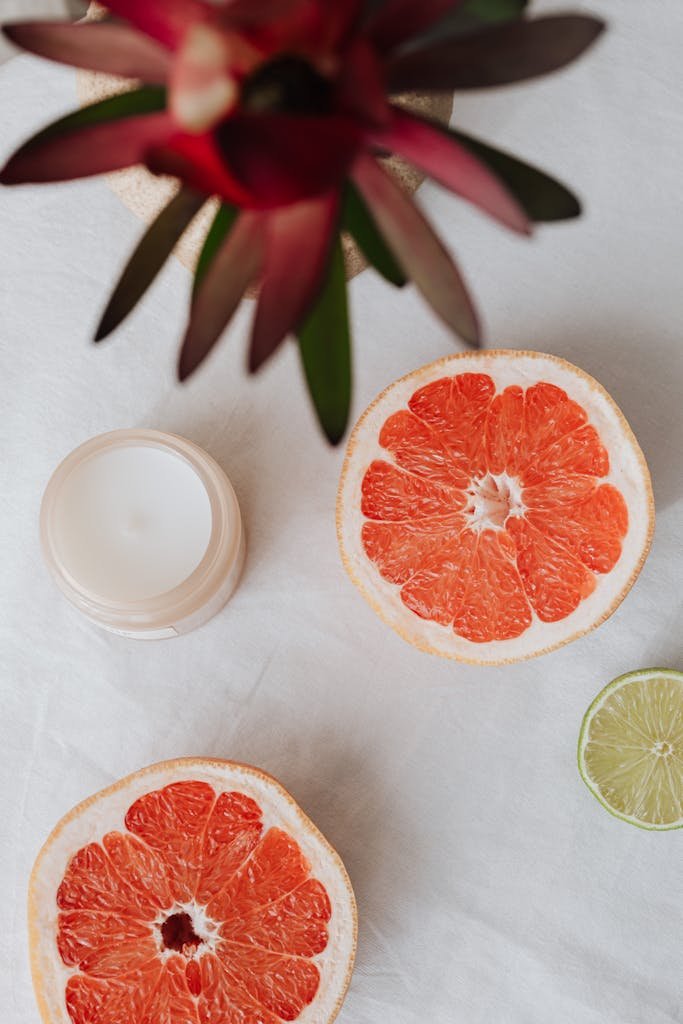
7 Best Essential Oils for Cellulite During Menopause
These are the oils I recommend for targeting cellulite specifically during the menopausal transition. Each one addresses at least two of the key factors involved — circulation, lymphatic drainage, skin firmness, or hormonal support.
Grapefruit Essential Oil (Citrus Paradisi)
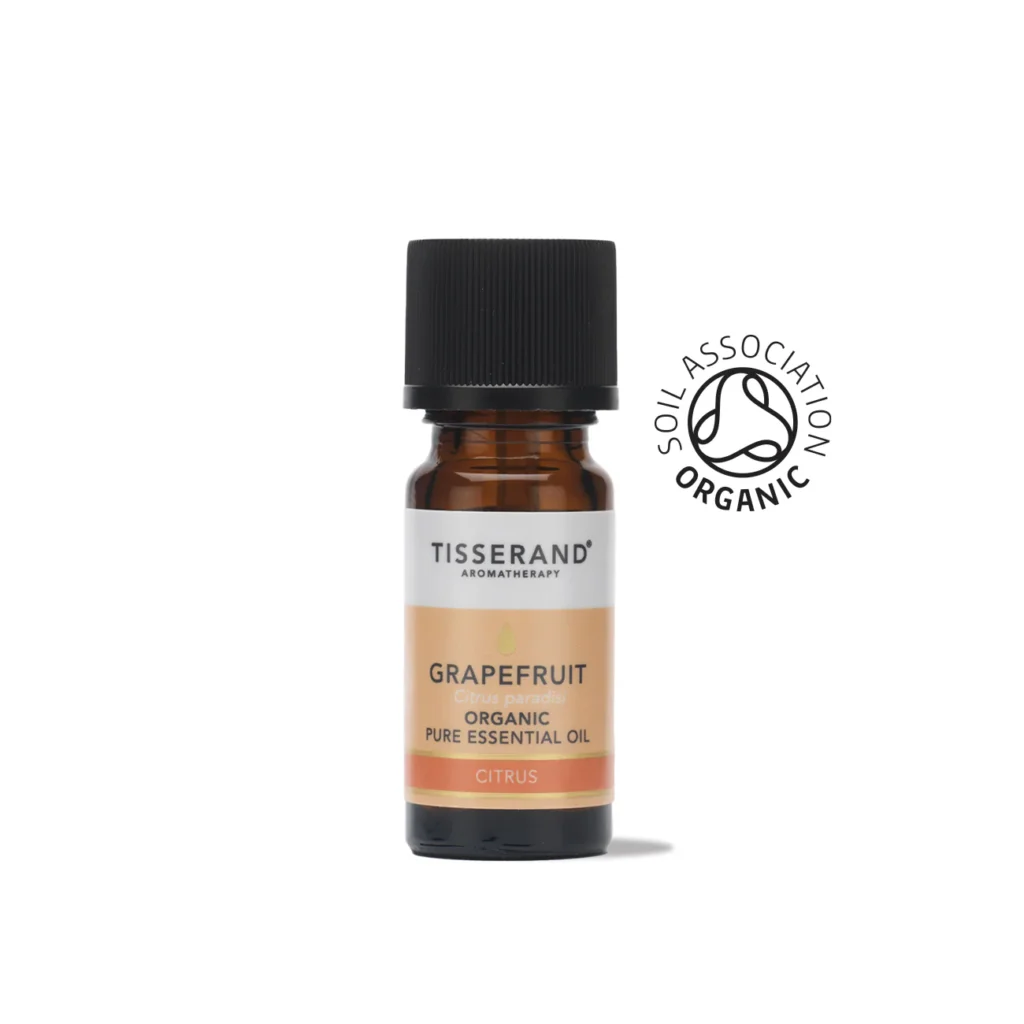
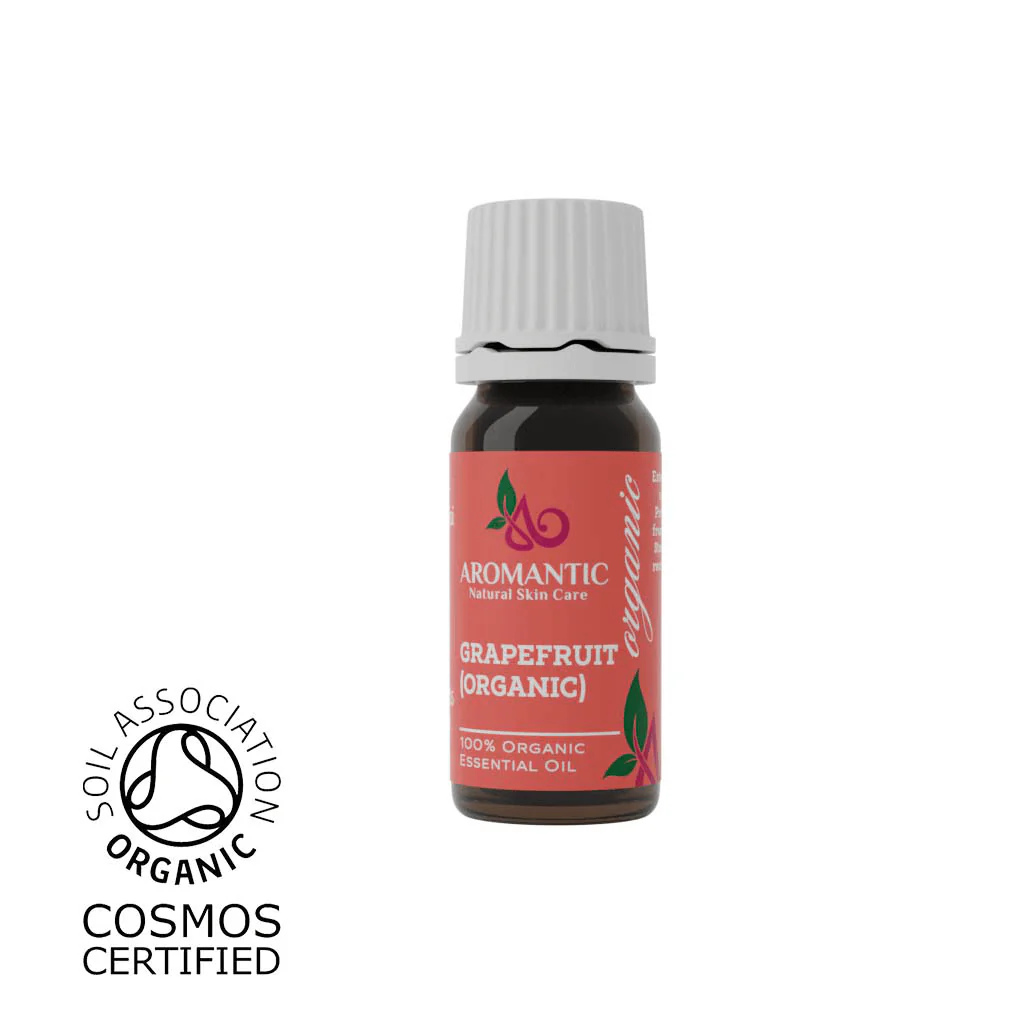
This is a standout essential oil for cellulite. Research shows that Grapefruit essential oil may help reduce fat cell accumulation and boost microcirculation. Its uplifting citrus scent is also a natural mood booster — a welcome bonus during menopause. Caution Note: Grapefruit essential oil is phototoxic, so avoid sun exposure on treated areas for 12–18 hours after application.
Juniper Berry Essential Oil (Juniperus Communis)
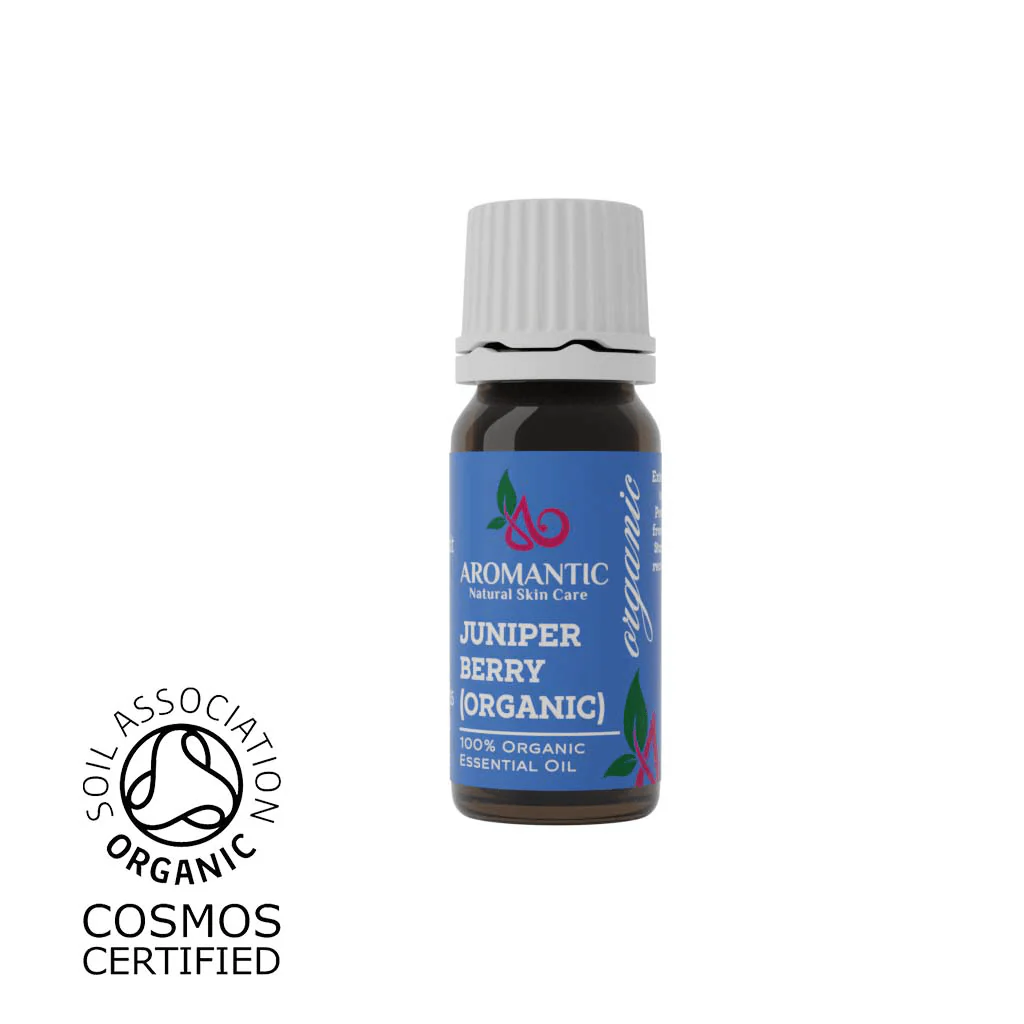
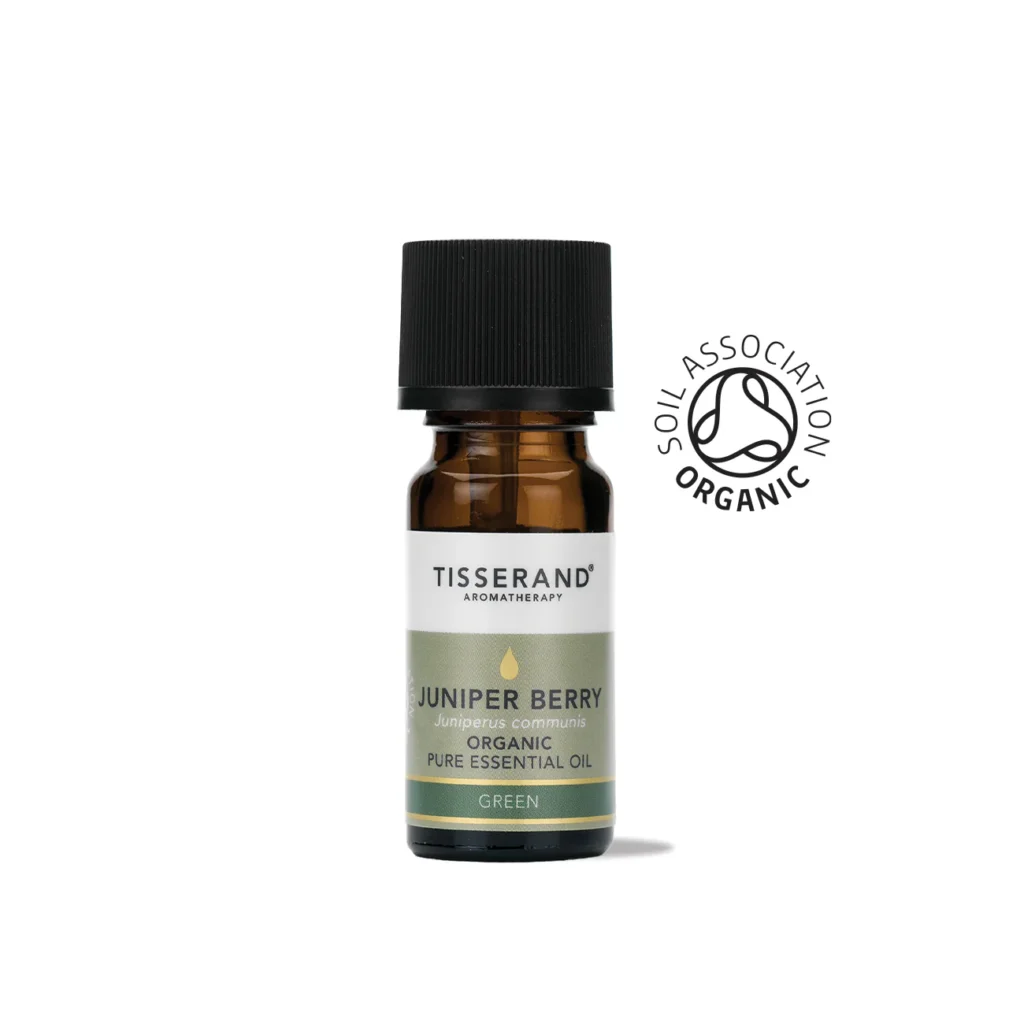
Juniper Berry essential oil is prized for its detoxifying and diuretic properties. It is exceptionally effective at reducing water retention and stimulating circulation, which are two major factors in the development of cellulite. By encouraging the elimination of waste from the tissues, juniper berry oil helps to smooth and clear the skin.
Cypress Essential Oil (Cupressus Sempervirens)
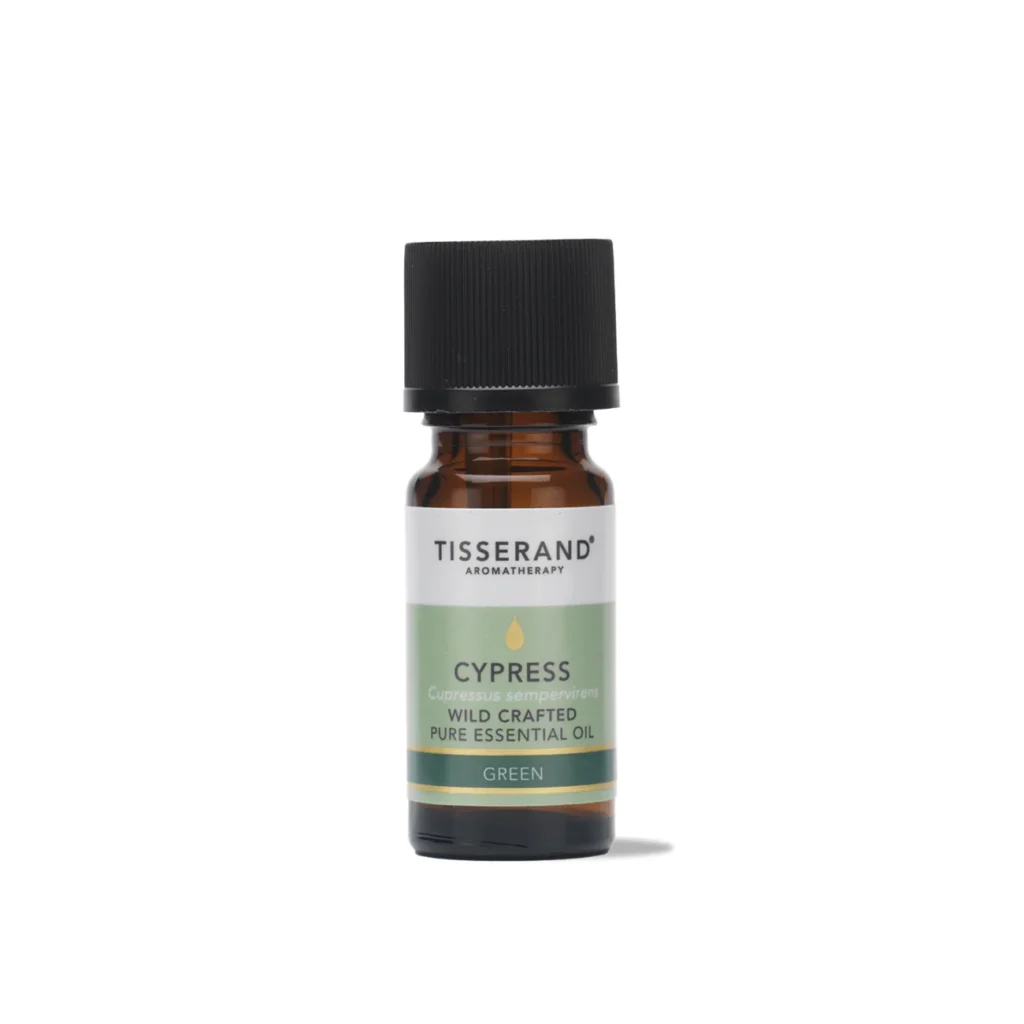
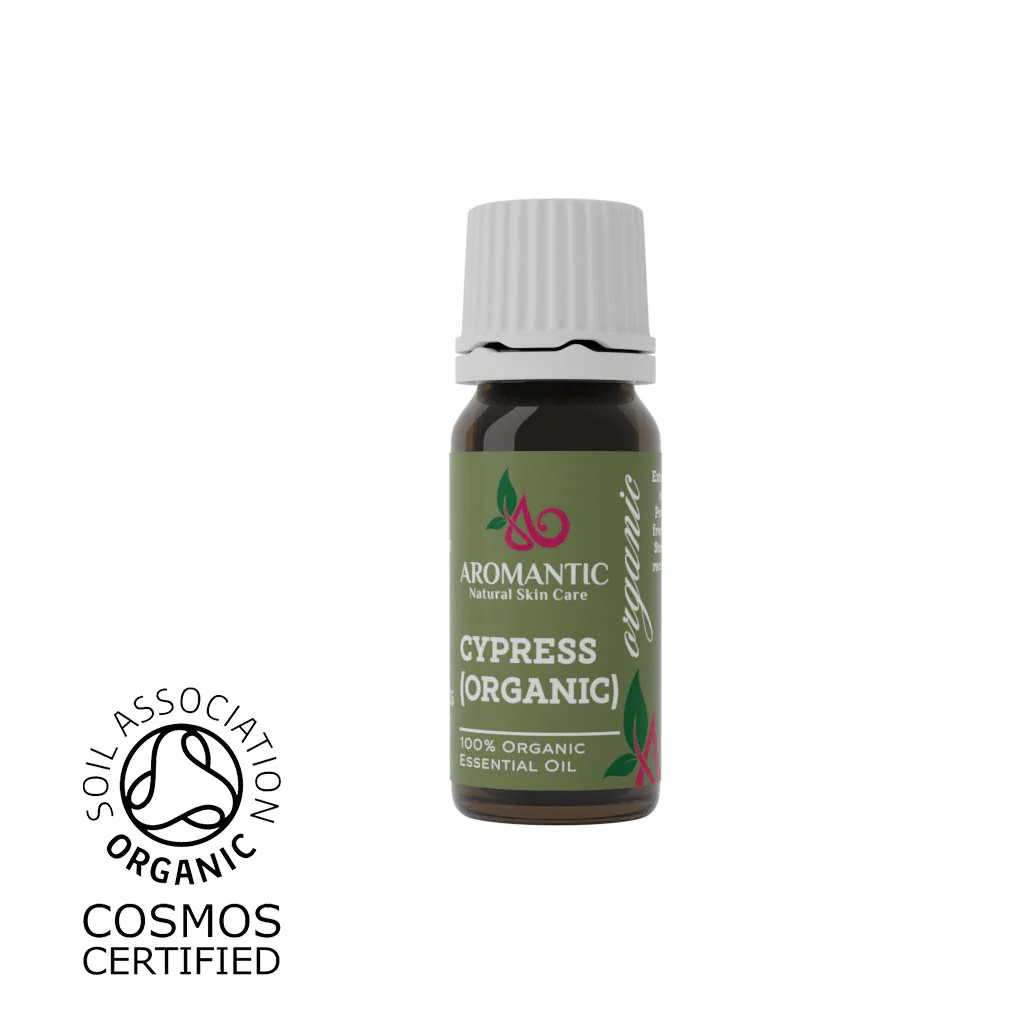
Cypress essential oil is an excellent circulatory stimulant with astringent properties that help tighten and tone the skin. It is particularly useful for addressing the sluggish circulation that comes with hormonal changes. It also supports the venous system, making it helpful for heavy, tired legs.
Rosemary Essential Oil (Rosmarinus Officinalis)
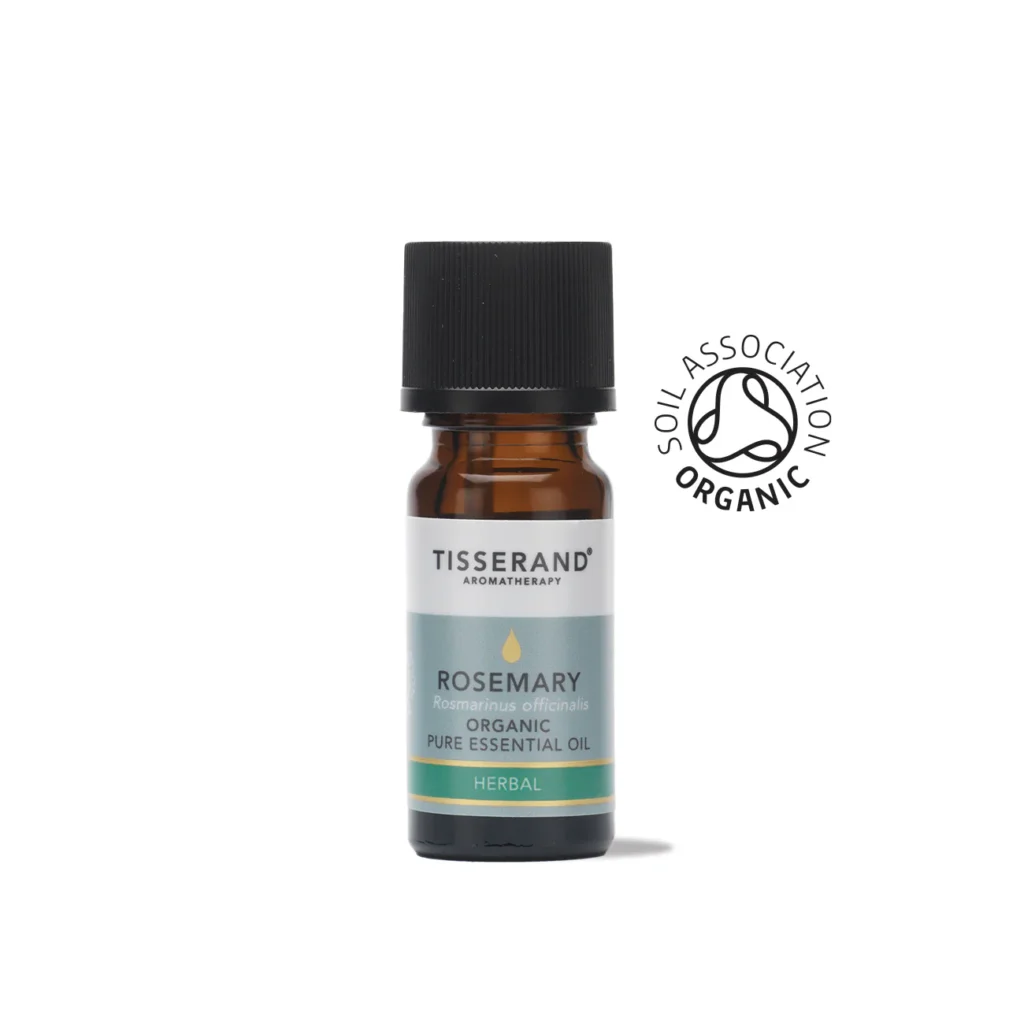
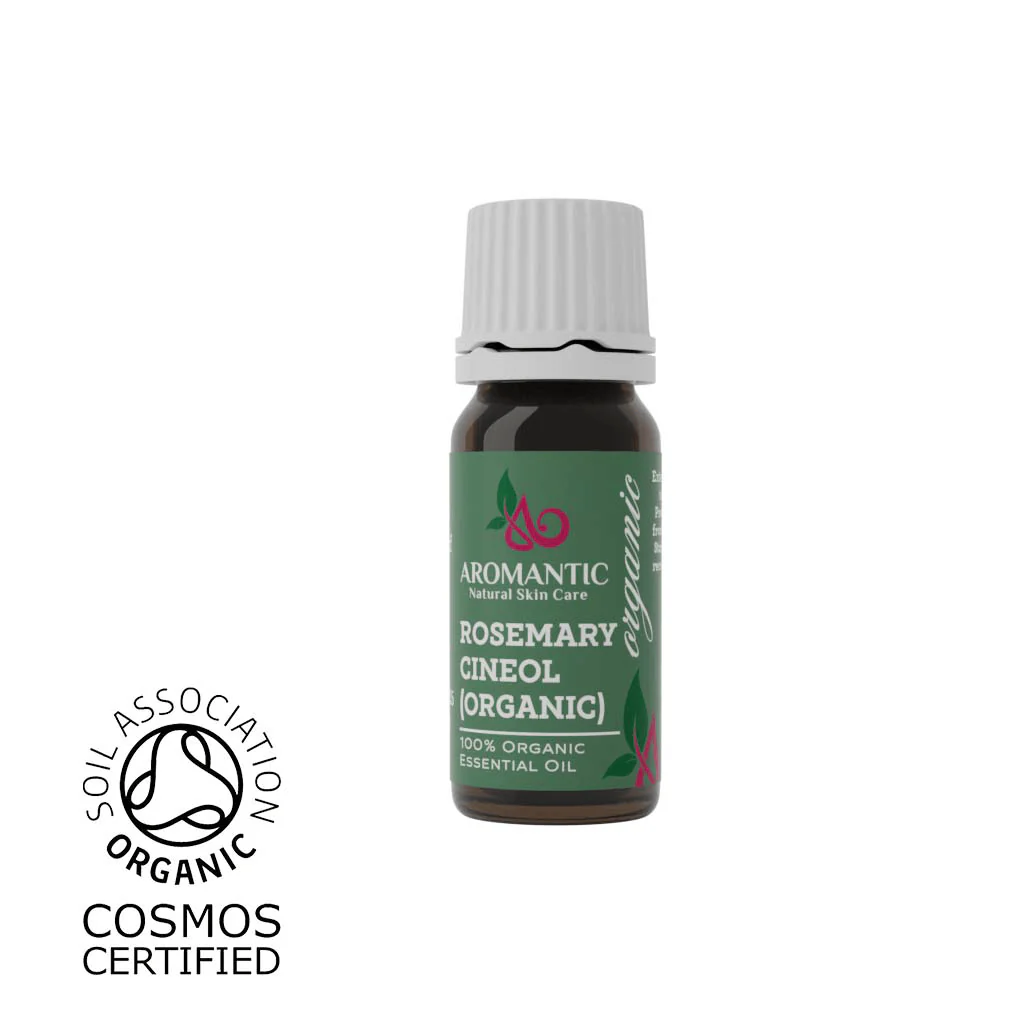
This stimulating essential oil is a powerhouse for circulation. Rosemary oil helps to boost blood flow to the skin’s surface, which in turn improves the delivery of oxygen and nutrients to the connective tissues. This increased circulation helps to tone and firm the skin, making cellulite less noticeable.
Geranium Essential Oil (Pelargonium Graveolens)
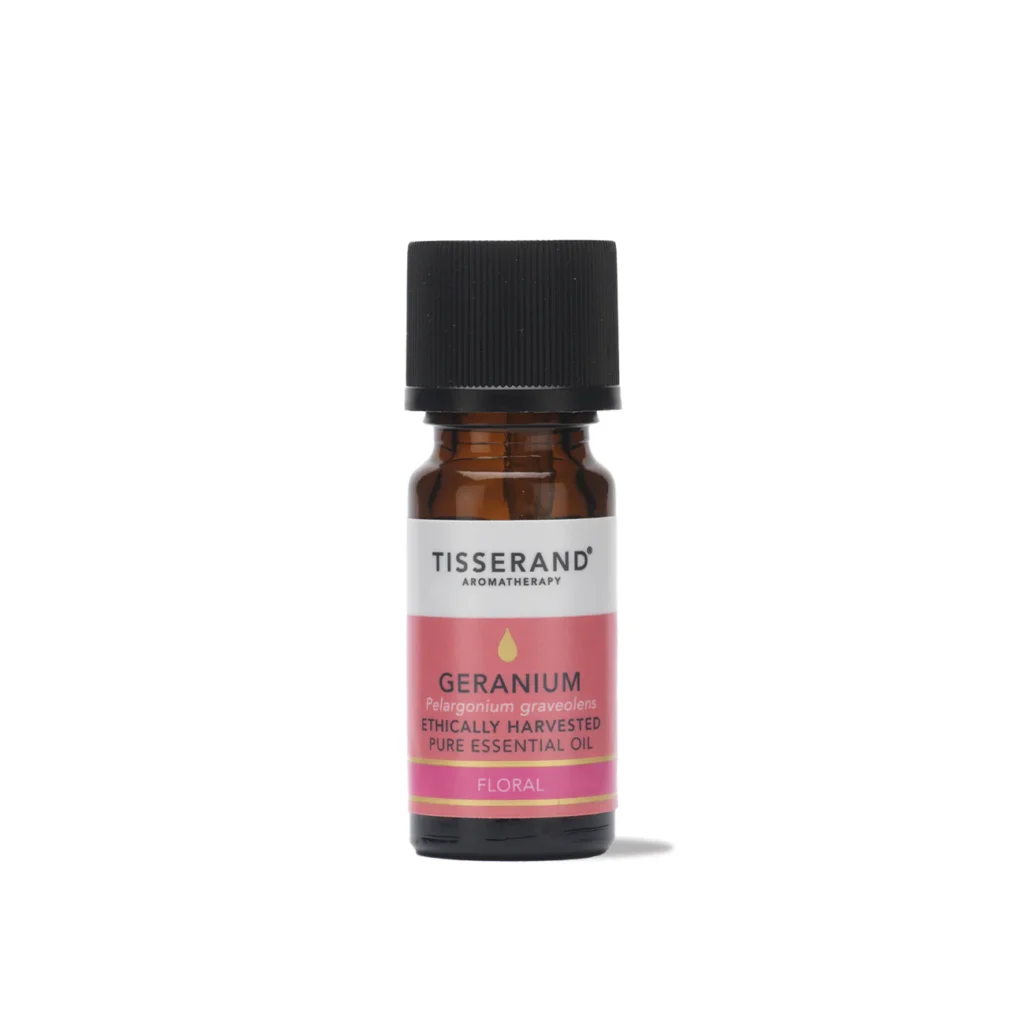
Geranium essential oil is a natural hormone balancer with anti-inflammatory and diuretic properties. It helps with fluid retention while also supporting skin elasticity. It is also a mild diuretic, assisting with fluid retention, and its regenerative properties help to strengthen the skin’s structure, providing a more youthful and smooth appearance.
Black Pepper Essential Oil (Piper Nigrum)
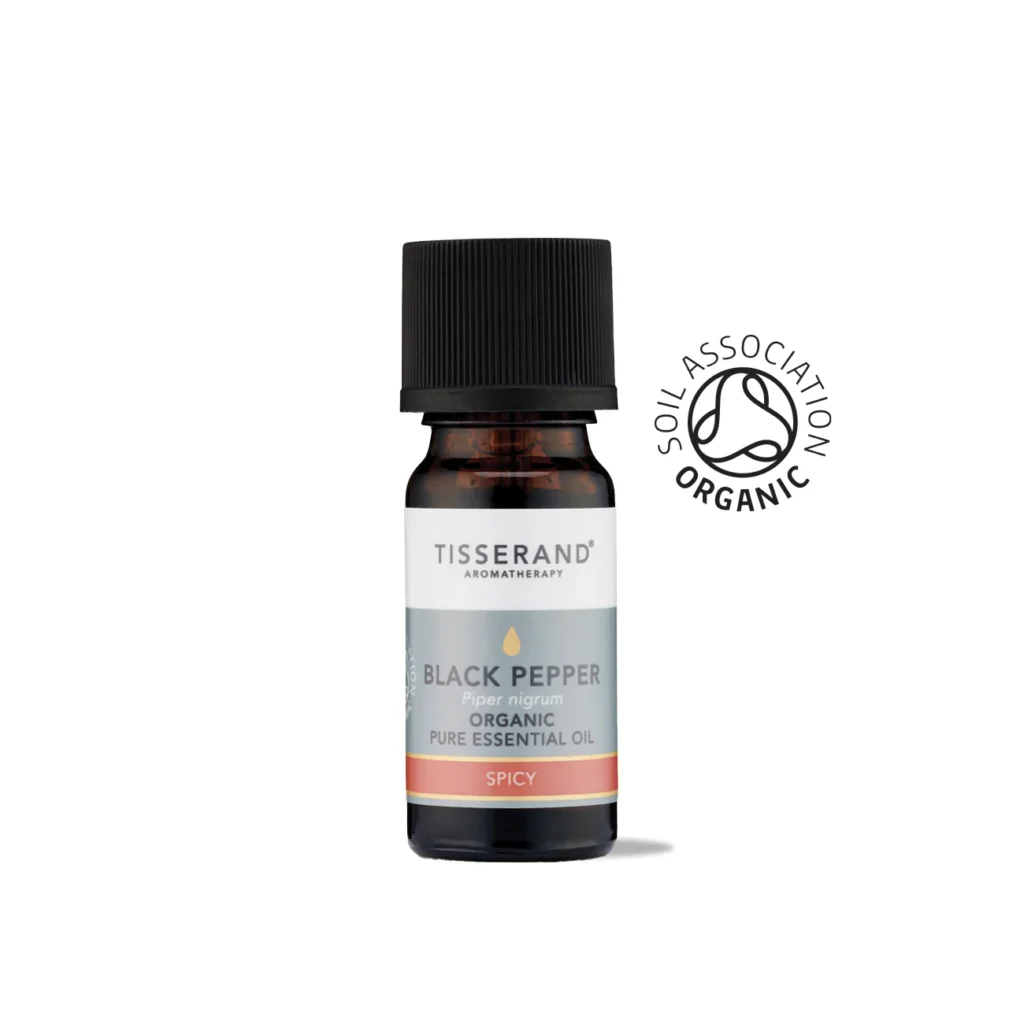
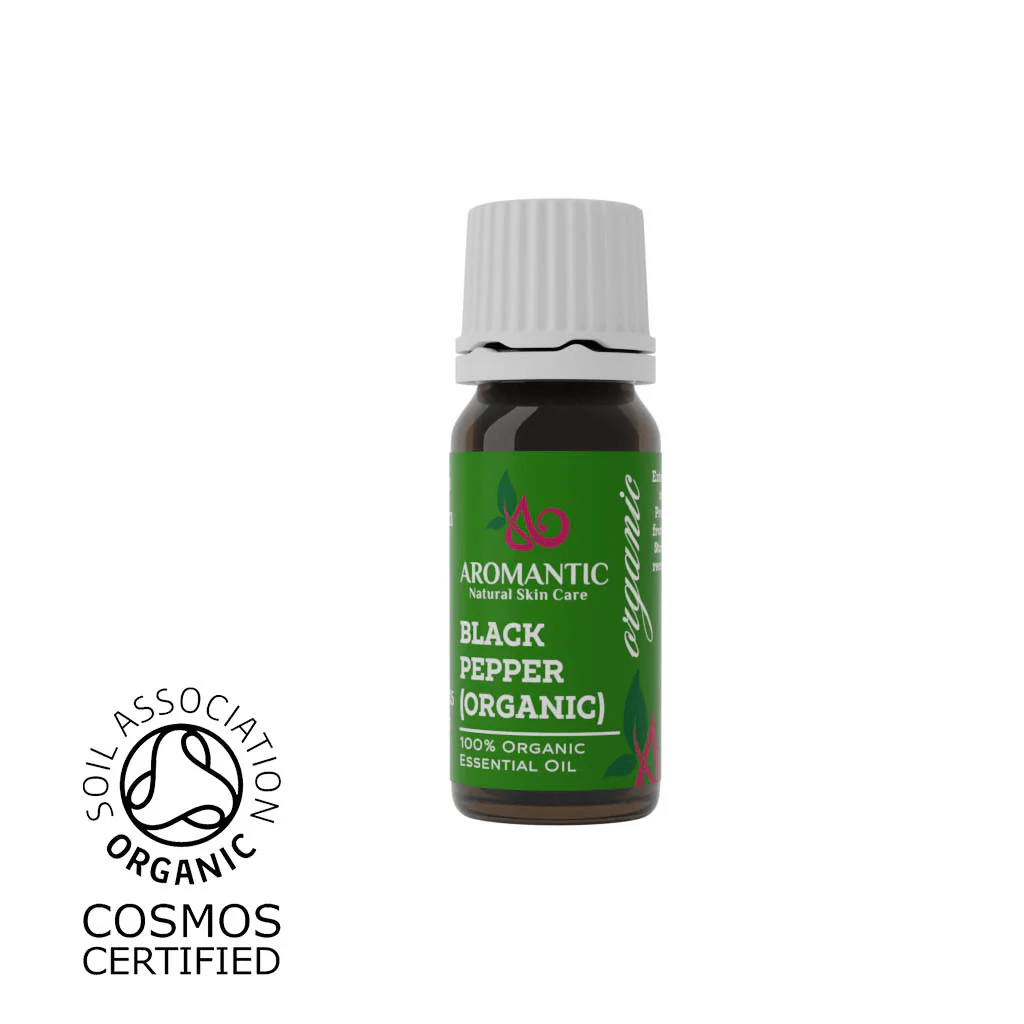
A powerful warming essential oil that stimulates circulation and helps break down fatty deposits when used in massage. Black Pepper essential oil is particularly effective when combined with Grapefruit and Juniper Berry essential oils. Caution Note: Use in small amounts — it’s potent.
Lemon Essential Oil (Citrus Limon)
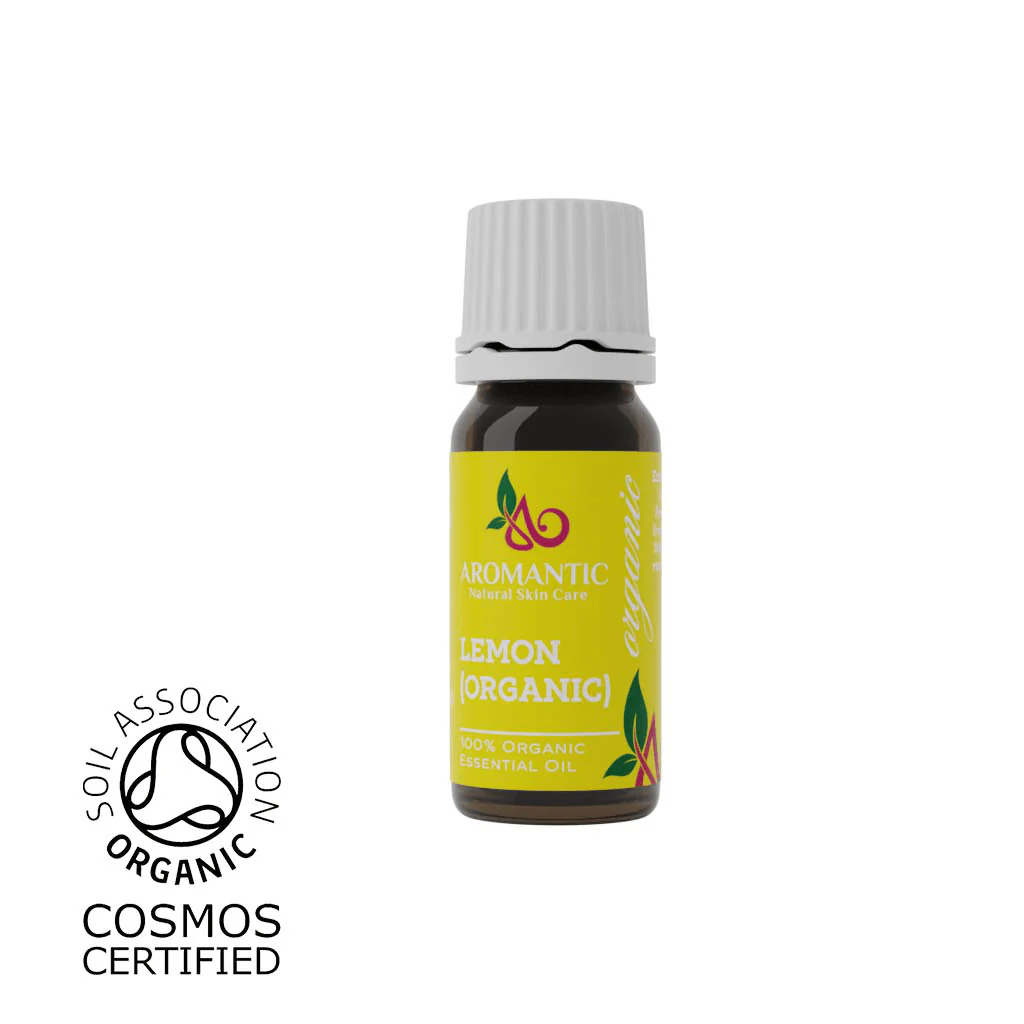
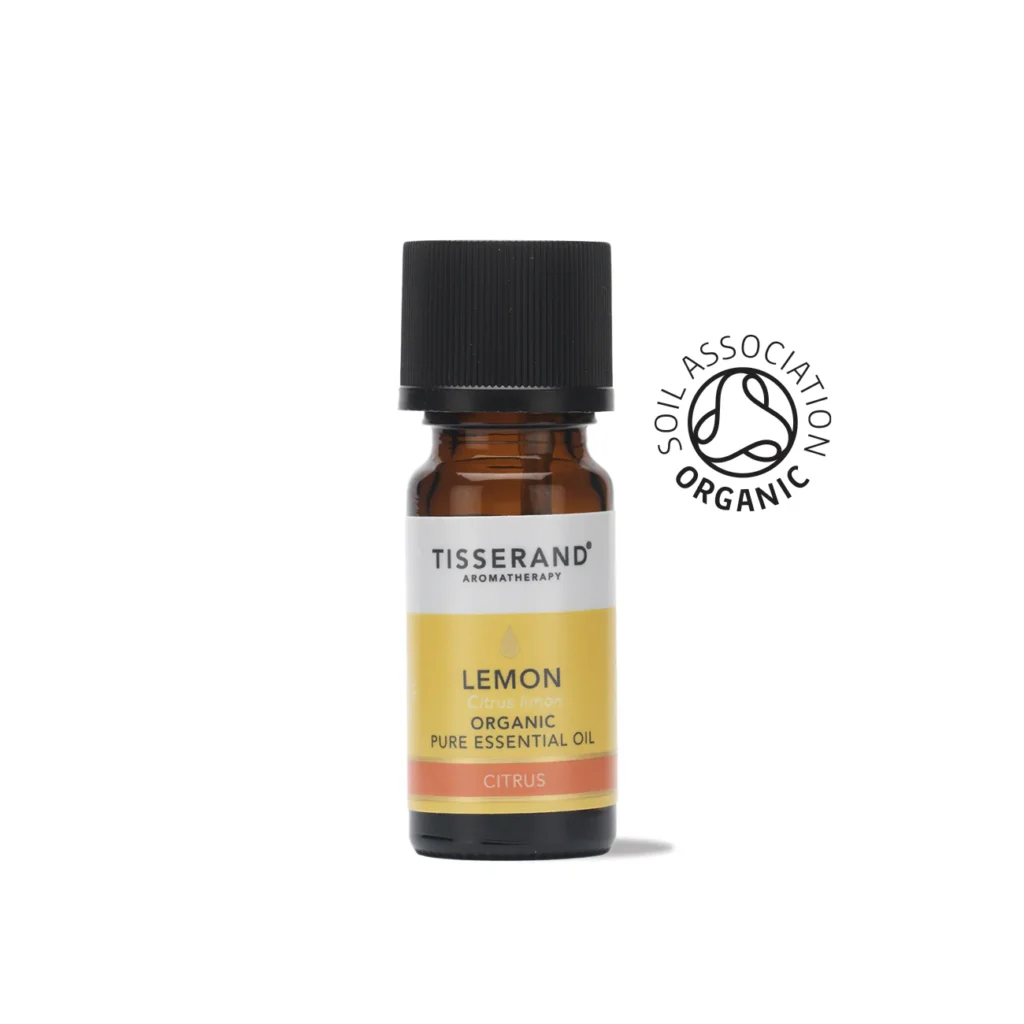
Like Grapefruit oil, Lemon essential oil is rich in antioxidants and has powerful cleansing properties. It acts as a natural toner, helping to tighten the skin and improve its overall clarity. When used in a massage blend, Lemon oil can help to refresh and even out the skin’s texture, reducing the “orange peel” look.
Best Carrier Oils for Cellulite during Menopause
Essential oils are highly concentrated and must always be diluted with a carrier oil before being applied to the skin. The choice of carrier oil can also enhance the effectiveness of your treatment by providing additional skin-nourishing benefits. Here’s my choice of the carrier oils to use as a base for Cellulite during Menopause.
Rosehip carrier oil is high in Vitamin A and C; excellent for skin regeneration and collagen. It’s also rich in essential fatty acids, which makes it perfect for improving elasticity in mature skin.
Sweet Almond carrier oil is rich in Vitamin E and proteins hence helps improve skin elasticity. It’s also light and absorbs well.
Evening Primrose carrier oil is particularly relevant during menopause. It’s high in gamma-linolenic acid (GLA), which supports hormonal balance and reduces inflammation.
I’d suggest Sweet Almond carrier oil as your primary base because it provides a good “glide” for massage without feeling greasy. Then blend in 10–20% Rosehip or Evening Primrose carrier oils for added benefits.
3 DIY Easy Anti-Cellulite Recipes to Make at Home
All recipes use a 2–2.5% dilution rate, which is safe for regular body use on adults. Always do a patch test first.
Anti-Cellulite Body Oil Blend
Ingredients:
- 50ml Sweet Almond oil carrier oil
- 10ml Rosehip carrier oil
- 6 drops Grapefruit essential oil
- 4 drops Juniper Berry essential oil
- 4 drops Cypress essential oil
- 2 drops Black Pepper essential oil
How to make: Combine the carrier oils in a dark glass bottle. Add the essential oils, cap tightly, and roll gently between your palms to mix.
How to use: Apply to thighs, buttocks, and any other areas of concern after a shower, massaging in upward circular motions for at least 5 minutes.
Energising Coffee & Essential Oil Scrub
Ingredients:
- 100g coarse ground coffee (used or fresh)
- 3 tablespoons Coconut carrier oil
- 4 drops Grapefruit essential oil
- 3 drops Rosemary essential oil
- 2 drops Juniper Berry essential oil
How to make: Mix the coffee grounds with slightly melted Coconut oil until well combined. Add the essential oils and stir through.
How to use: In the shower, massage the scrub into damp skin using firm circular motions, focusing on cellulite-prone areas, for 3–5 minutes. Rinse thoroughly.
Menopause-Soothing Bath Soak
Ingredients:
- 2 cups Epsom salts (magnesium sulphate)
- 1 tablespoon Sweet Almond carrier oil
- 3 drops Lemon Essential oil
- 3 drops Geranium essential oil
- 3 drops Grapefruit essential oil
How to make: Mix the essential oils into the sweet almond oil first (this helps them disperse in the water rather than floating on the surface). Stir into the Epsom salts.
How to use: Add to a warm bath and soak for 20–30 minutes.
Application Techniques & Tools
Essential oils are only as effective as how you apply them. The act of massage itself is arguably just as important as the oils — it physically stimulates circulation and lymphatic flow, which is exactly what menopausal skin needs.
Dry Brushing
Dry brushing before your shower is one of the simplest and most effective techniques for cellulite. Using a natural bristle brush, brush your skin in long, sweeping strokes towards the heart. Start at your feet and work upwards. This stimulates lymphatic drainage, exfoliates dead skin, and primes the skin to absorb your body oil blend more effectively. Aim for 3–5 minutes daily.
Self-Massage Technique
When applying your body oil, don’t just rub it in — actually massage. Use firm upward circular motions, kneading the skin and underlying tissue. Spend at least 5 minutes per area. You can also use a “pinch and roll” technique: gently pinch the skin between your thumb and fingers, then roll it upward. This helps break up the fibrous bands that create the dimpled appearance.
Tools That Help
Body Gua Sha — a smooth stone, wooden or stainless steel tool used in sweeping motions over oiled skin. Excellent for stimulating circulation and lymphatic flow in larger areas like thighs.
Silicone cupping sets — these create suction on the skin, drawing blood to the surface and helping to break down fatty deposits. Glide them over oiled skin in long strokes.
Wooden massage rollers — textured rollers that help work the body oil deeper into the tissue while stimulating circulation. Easy to use and great for reaching the backs of the thighs.
Whichever tool you choose, always use it with your body oil blend to help the tool glide smoothly and to avoid irritating the skin.
Safety Notes
Essential oils are potent and should be used with care, especially during menopause when skin can be more sensitive:
Always dilute. Never apply essential oils directly to the skin. Stick to a 2–2.5% dilution in a carrier oil for body use (roughly 12–16 drops of essential oil per 50ml of carrier).
Patch test first. Apply a small amount of your diluted blend to the inside of your forearm and wait 24 hours before using it more widely.
Sun sensitivity. Grapefruit and Lemon essential oils are phototoxic. Avoid direct sun exposure on treated areas for at least 12–18 hours, or use them in your evening routine.
Consult your doctor. If you’re on HRT or any other medication, check with your healthcare provider before using essential oils.
Quality matters. Use 100% pure, therapeutic-grade essential oils from reputable suppliers. Synthetic fragrance oils will not deliver the same benefits. Tisserand, Aromantic and some Amazon suppliers have high quality therapeutical grade essential oils.
Conclusion
Cellulite during menopause is incredibly common. Hormonal imbalance, change in fat distribution, loss of collagen, slower blood and lymph circulation, etc, these are some of the changes our bodies have to go through during this period. You can’t completely “cure” cellulite, but you can absolutely change how it looks and feels. And while there’s no magic solution, a consistent routine using the right essential oils, carrier oils, and application techniques can make a real, visible difference over time. More importantly, taking this time for yourself — the massage, the bath soaks, the daily ritual of looking after your body — is an act of self-care that benefits far more than just your skin.
The oil I personally use for my regular Cellulite routine is a Grapefruit essential oil . I love its fresh, zesty, slightly bitter, energising smell. I add it to my moisturiser and then apply the mixture everyday morning and evening after a shower. In addition to that, I rigorously dry brush my body every morning and I have to say my skin never felt this soft! And sometimes I use gua sha too. So I encourage you to start with one oil or recipe, build the habit and to stay consistent. Dedicating time to yourself feels good and will be paid off after sometime, don’t have any doubt about it! I would like to hear how it’s going, please share your experience or leave a comment in the box below.
Disclaimer: This post contains affiliate links. If you purchase through these links, I may earn a small commission at no extra cost to you — it helps me keep creating free content. I only ever recommend products I personally use and trust. This information is for educational purposes only and is not intended to diagnose, treat, cure, or prevent any disease. Always patch test new ingredients, and consult with a healthcare provider if you have specific skin conditions or concerns. If you’re pregnant, nursing, or on medication, check with your doctor before using essential oils.