How High Cortisol Ages Your Skin Faster and 6 Essential Oils That Help Naturally

There’s plenty of buzz around the word “cortisol” lately. It’s being cast as the villain behind puffy, round faces — the so-called “cortisol face” — as well as dull, dry, prematurely lined skin regardless of age. Apparently it’s also responsible for belly fat, thinning hair, and relentless sugar cravings. So what exactly is this bad guy?
The truth is, cortisol is essential for survival. The problem arises when it stays elevated for too long, accelerating biological ageing processes — including those that affect the skin. The good news is that lifestyle changes and supportive tools like aromatherapy and essential oils can help regulate the stress response gently and effectively.
In this article I’ll explain what cortisol is, how high levels affect skin health, what the physical signs of elevated cortisol look like, what can help bring its levels down — and, of course, which essential oils are best at balancing it out and how to use them. You’ll also find some simple DIY recipes to help reduce its negative effects.
What Is Cortisol?
Cortisol is a steroid hormone produced by your adrenal glands. It follows a natural daily rhythm: levels peak in the morning to help you wake up and feel alert, then gradually taper throughout the day, dropping to their lowest at night so you can sleep.
In short bursts — during exercise, a deadline, or a genuine emergency — cortisol gives you a useful energy boost. It regulates blood sugar, manages inflammation, and helps your body respond to demand. It’s not the villain it’s often made out to be.
The problem starts when cortisol stays chronically elevated. Ongoing stress, poor sleep, hormonal changes, or certain lifestyle factors can keep cortisol levels high for weeks or months. That’s when the damage begins — and your skin is one of the first places it shows.
How Body and Skin Show High Cortisol
High cortisol doesn’t always announce itself obviously. It builds gradually, and many people normalise the symptoms because they’ve been living with them for so long.
Common whole-body signs:
- Feeling “tired but wired”, especially at night
- Waking around 2–4 a.m., or non-refreshing sleep
- Mid-section weight gain and carb or sugar cravings
- Frequent colds and slower recovery from illness
- Irregular periods or worsening perimenopause symptoms
- Anxiety, feeling on edge, low mood, or brain fog
Skin signs linked with high cortisol:
- Faster fine lines and wrinkles, especially on the forehead and around the eyes
- Thinner, more fragile skin that marks or bruises easily
- Dullness and loss of glow — a “tired” or greyish tone
- More breakouts or oiliness, even if you’re not a teenager
- Flaring of eczema, rosacea, or psoriasis
- Puffiness, especially morning eye bags and facial swelling
- Slower wound and post-blemish healing, with more lingering pigmentation
If several of these resonate and you’ve been under long-term stress, cortisol is likely part of the picture.
How High Cortisol Ages Your Skin Faster
This is where the science gets compelling. Cortisol affects your skin through multiple pathways, and when it’s chronically elevated, the cumulative effect is significant.
It breaks down collagen. Cortisol activates enzymes called matrix metalloproteinases (MMPs) that degrade collagen and elastin — the proteins responsible for keeping skin firm and resilient.
It impairs your skin barrier. High cortisol weakens the lipid barrier that keeps moisture in and irritants out. The result is dehydrated, reactive, sensitive skin.
It triggers chronic inflammation. Elevated cortisol creates a state of low-grade systemic inflammation. On the skin, this shows up as redness, puffiness, and flare-ups of conditions like eczema, rosacea, and acne.
It slows cell renewal. Cortisol suppresses immune function and slows the skin’s natural repair processes. Blemishes linger, hyperpigmentation persists, and cell turnover decreases — leaving skin looking dull and lacklustre.
It reduces blood flow. Elevated cortisol constricts blood vessels, reducing oxygen and nutrient delivery to the skin. Over time, this contributes to that grey, tired complexion that no highlighter can disguise.
In short, high cortisol ages your skin through the same mechanisms as UV damage and oestrogen decline — collagen loss, barrier breakdown, and chronic inflammation. It’s like running an ageing accelerator in the background.
What Drives Cortisol Up?
- Chronic psychological stress — work pressure, financial worries, caregiving, relationship difficulties.
- Poor sleep. Even one night of disrupted sleep raises cortisol the following day. Chronic sleep deprivation keeps it permanently elevated.
- Over-exercising. Intense training without adequate recovery is a significant cortisol driver, particularly for women.
- Blood sugar imbalances. Skipping meals, high-sugar diets, and the crash-and-spike cycle all trigger cortisol release.
- Hormonal transitions. Perimenopause and menopause are associated with increased cortisol production, as declining oestrogen affects the body’s stress response.
- Excessive caffeine and alcohol. Both stimulate cortisol release, particularly when consumed later in the day.
How Essential Oils Help Lower Cortisol Levels
Essential oils work primarily through the olfactory system (our sense of smell), which directly communicates with the limbic system — the brain’s emotional and stress regulation centre. Research suggests that inhaling essential oils or applying them topically can influence physiological stress markers, including cortisol levels.
The key advantage is that essential oils work by influencing the body’s physiological and psychological responses to stress without the harsh side effects associated with pharmaceuticals. They offer a gentle, holistic alternative: lowering cortisol at the source, reducing inflammation directly on the skin, and carrying virtually no side effects when used properly. Think of them as daily support — a complement to medical care, not a replacement for it.
6 Best Essential Oils to Lower Cortisol and Rejuvenate Skin
Among the vast array of essential oils, six stand out for their proven ability to reduce cortisol and offer significant benefits for skin health.
1. Lavender Essential Oil (Lavandula angustifolia)
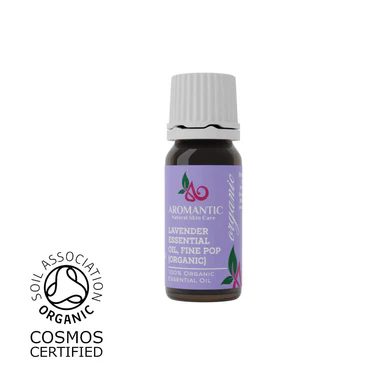
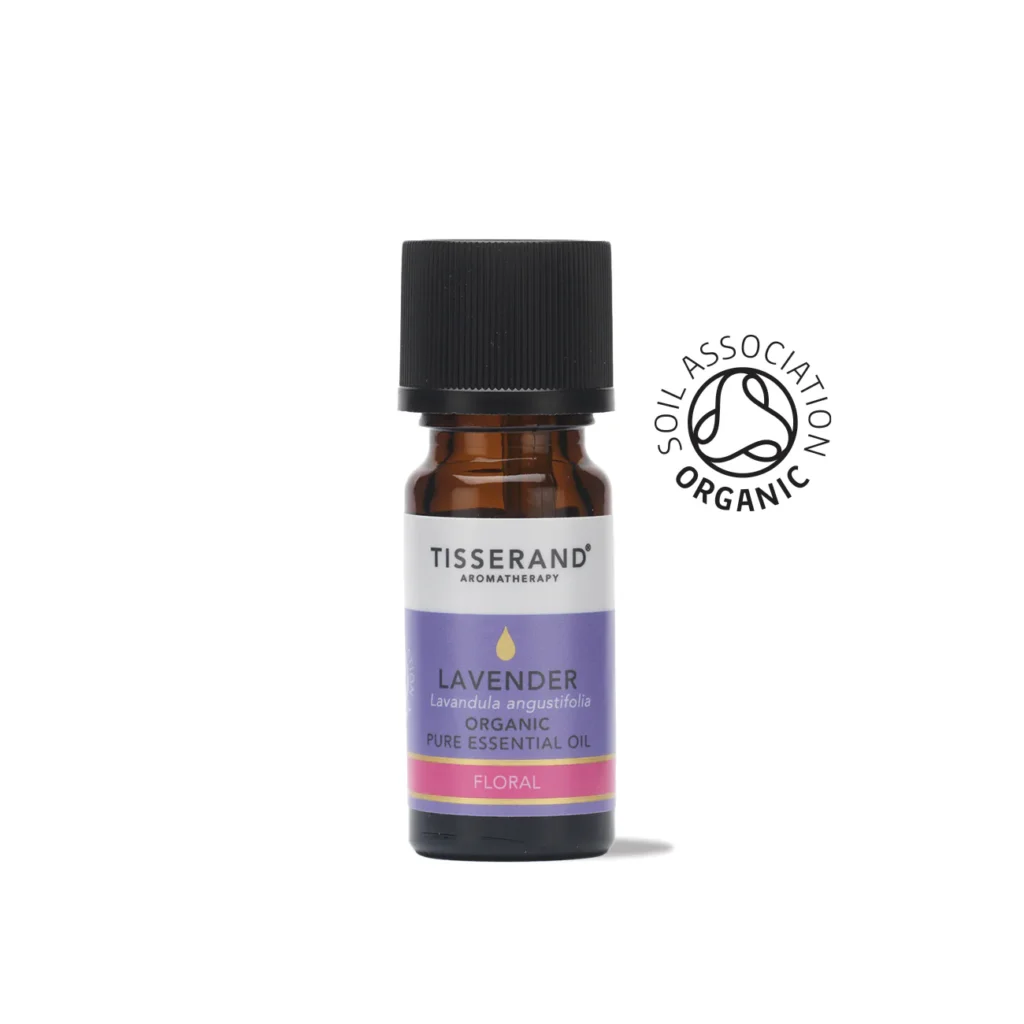
Lavender essential oil is one of the most researched essential oils for stress and sleep.
Key benefits:
- Calms the nervous system, reduces anxiety, and improves sleep quality
- Associated in studies with reduced salivary cortisol after inhalation or massage
- Provides gentle anti-inflammatory and soothing effects for reactive skin when diluted
Best for: evening routines, sleep blends, and calming inflamed or stressed skin.
2. Bergamot Essential Oil (Citrus bergamia)
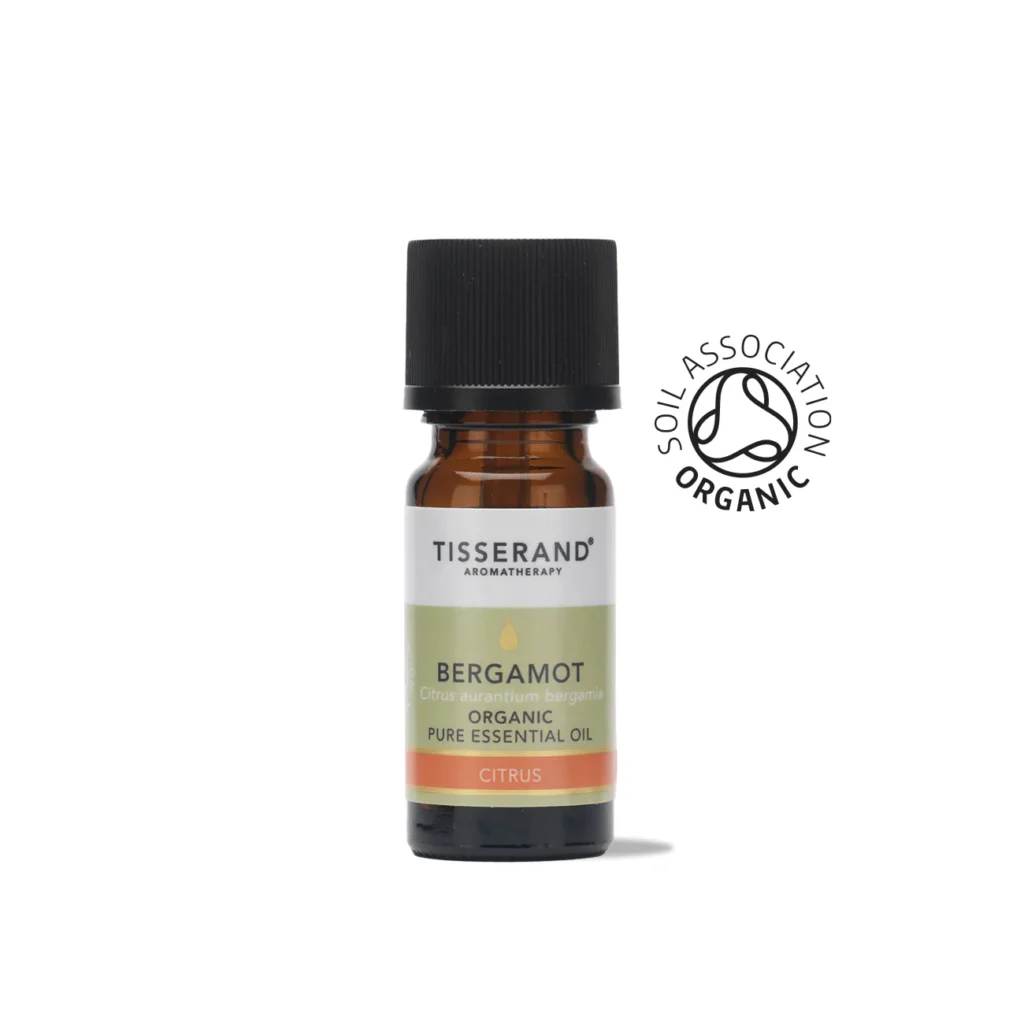
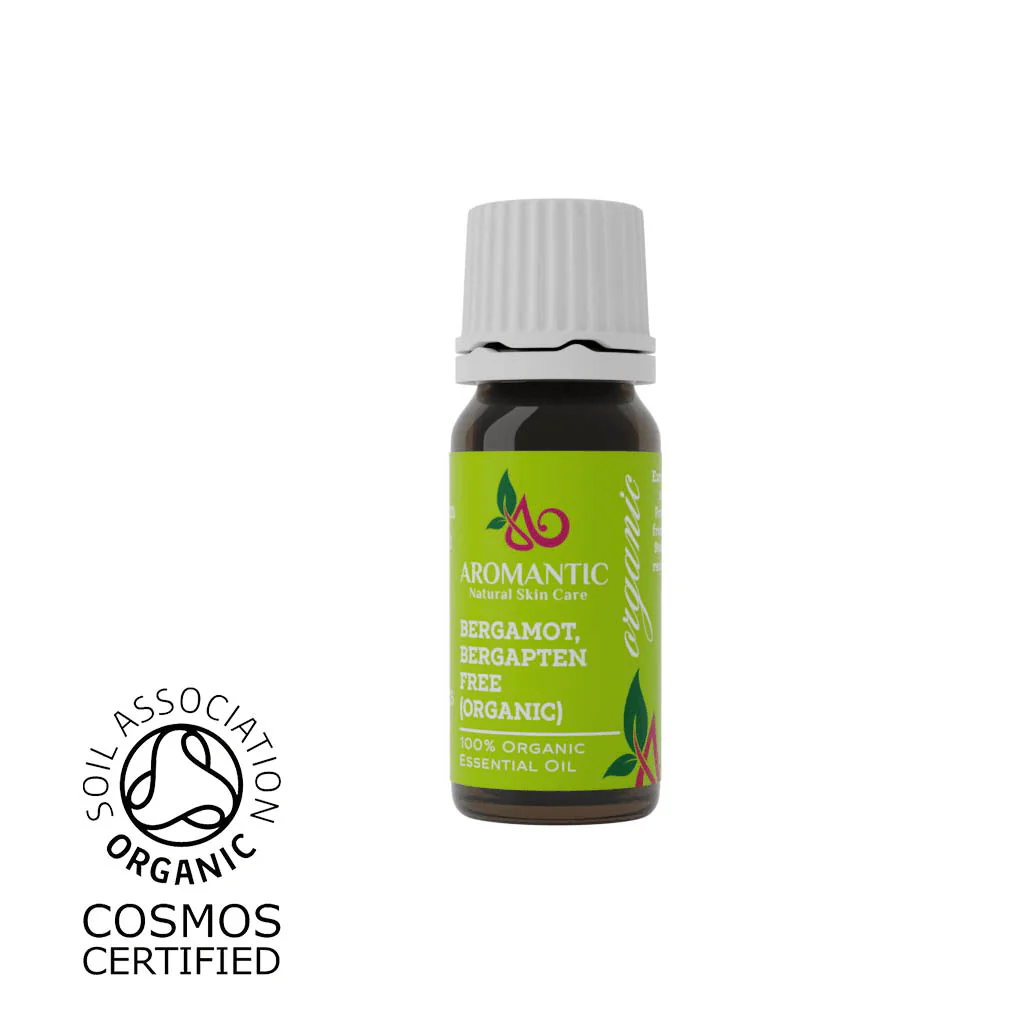
Bergamot essential oil is a mood-lifting citrus with the unusual ability to both energise and calm.
Key benefits:
- Reduces perceived stress and anxiety; linked with cortisol reduction in inhalation studies
- Helpful when stress feels “heavy” and you’re stuck in low mood
- Adds a bright, spa-like scent to blends
Best for: daytime or late-afternoon stress relief, “focus without frenzy” inhaler blends, and desk diffusers.
⚠️ Note: Bergamot essential oil is phototoxic. Avoid direct sun exposure on treated skin for at least 12–18 hours, or use it exclusively in your evening routine.
3. Ylang-Ylang Essential Oil (Cananga odorata)
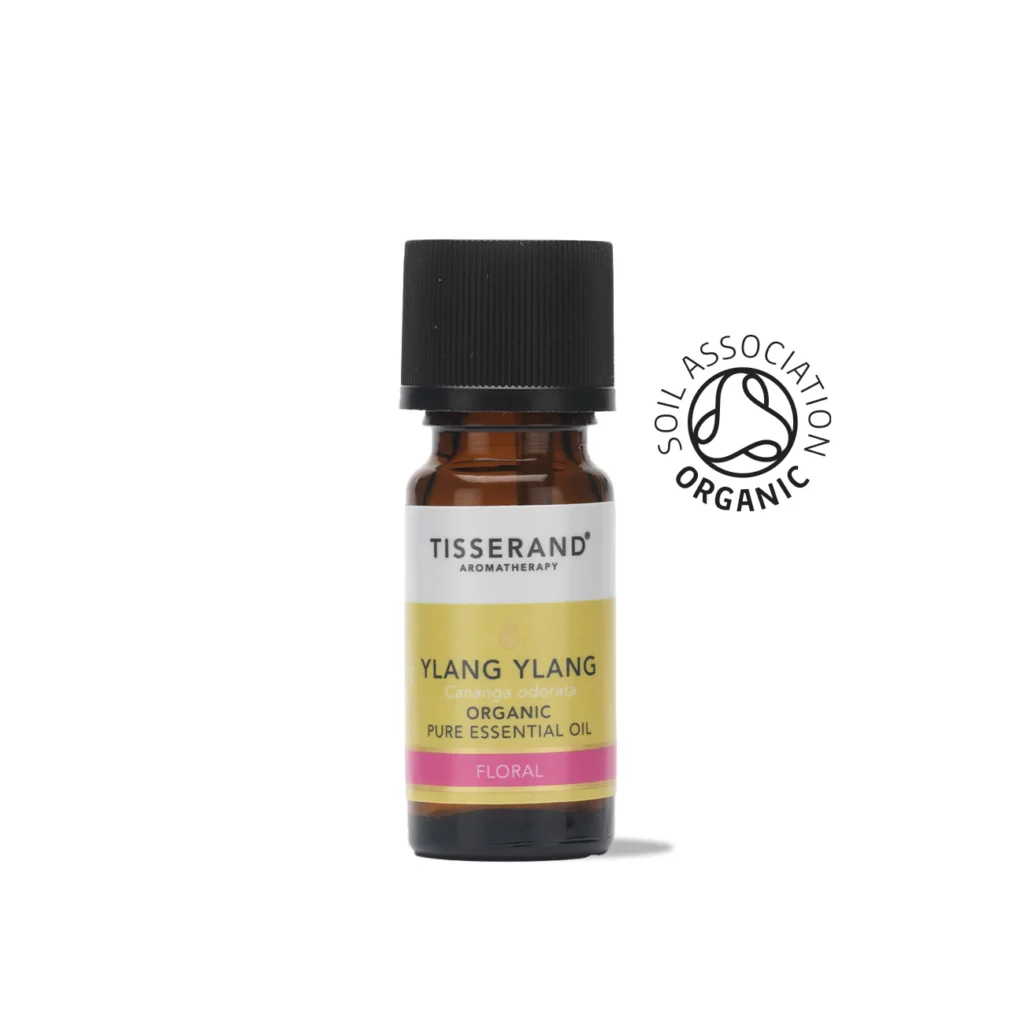
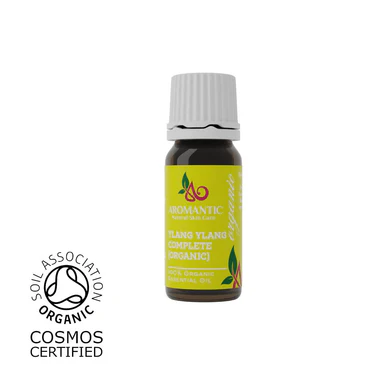
Ylang Ylang essential oil is rich, floral and deeply relaxing.
Key benefits:
- Lowers heart rate and blood pressure in some human studies, promoting a sense of calm
- Reduces tension and supports emotional balance
- May indirectly support lower cortisol by helping shift the nervous system out of “fight or flight”
Best for: evening blends, and when anxiety is high or you feel “wired”.
4. Clary Sage Essential Oil (Salvia sclarea)
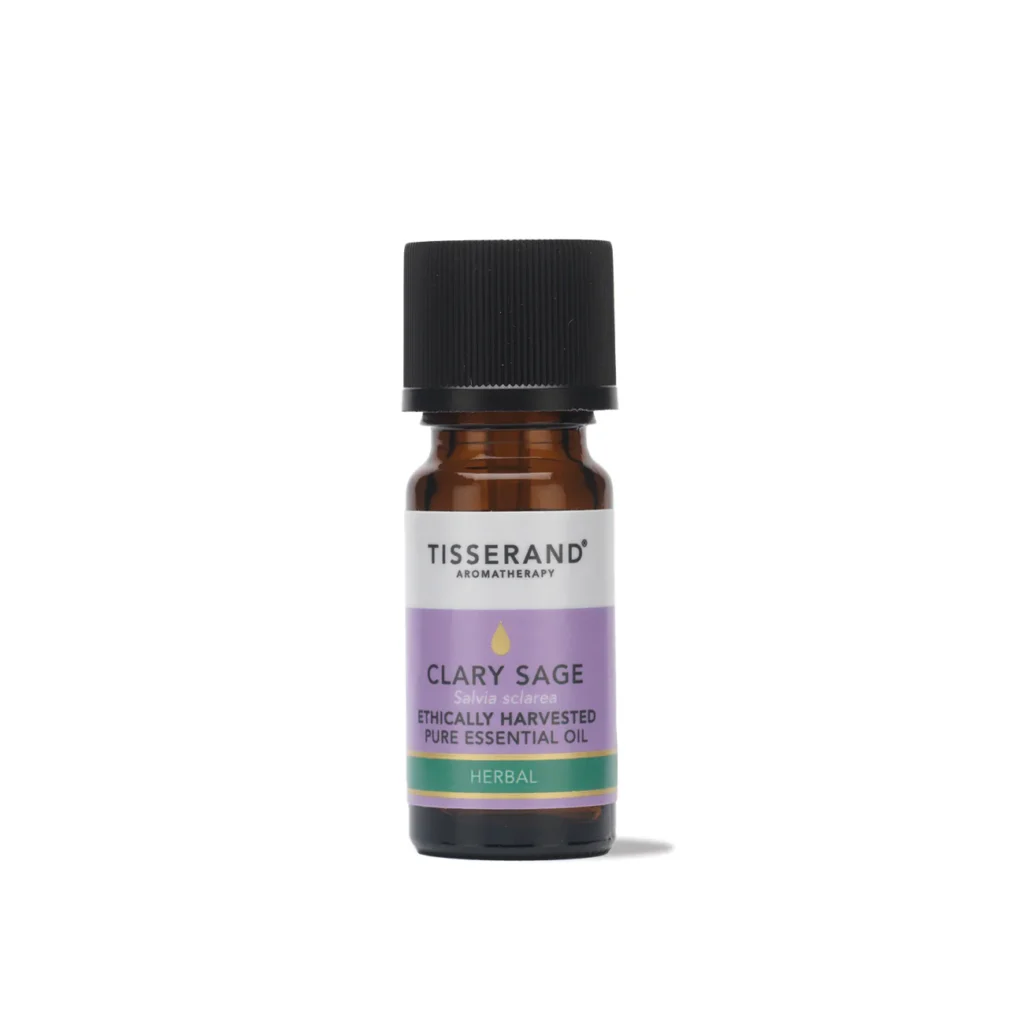
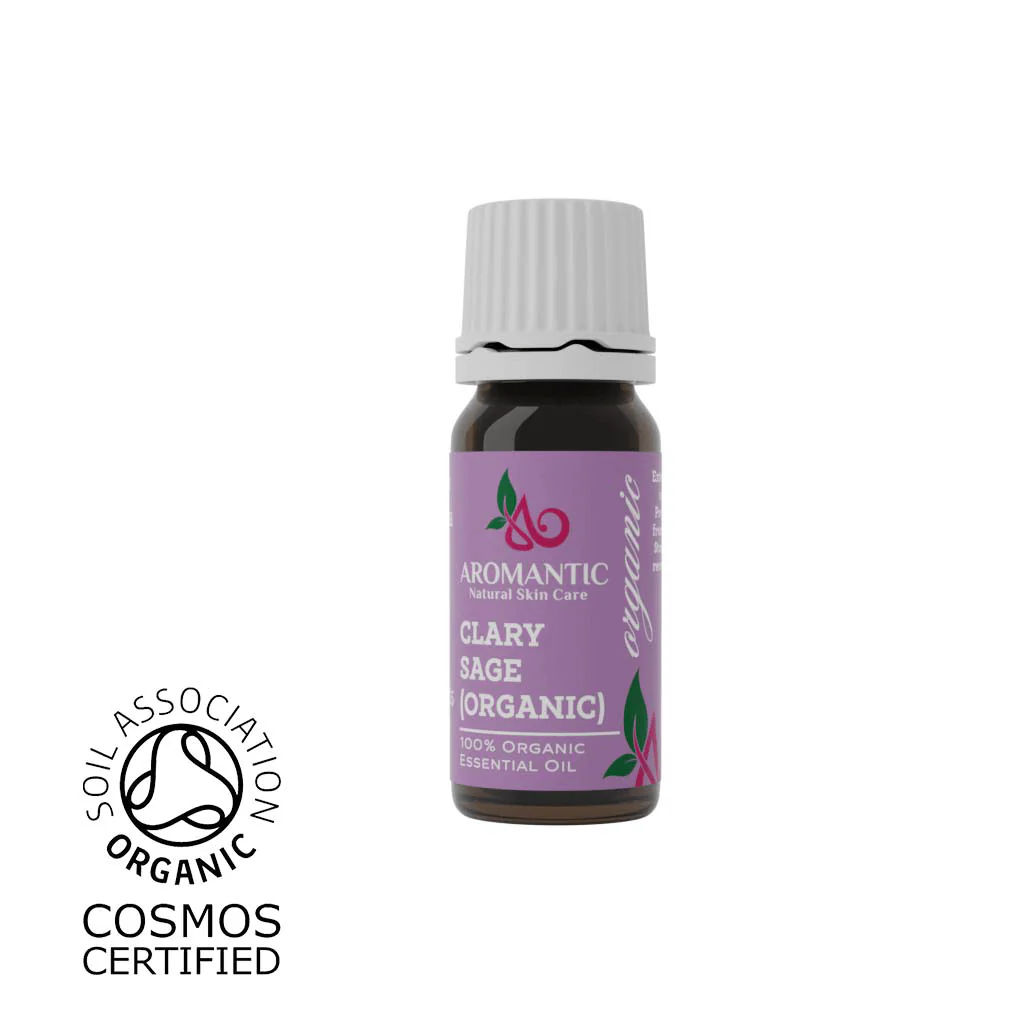
Clary Sage essential oil is especially well-regarded in women’s health and hormone support.
Key benefits:
- Associated with reduced cortisol and improved mood in small studies, particularly in women experiencing stress and menopausal symptoms
- Contains sclareol, which may have oestrogen-modulating effects — partly explaining its supportive role around perimenopause and menopause
- Excellent for emotional overwhelm and midlife hormonal shifts that show up on the skin
Best for: emotional overwhelm, stress-related hormone swings, perimenopause and menopause support, and evening blends when stress is manifesting as irritability, tension, or sleep issues.
5. Neroli Essential Oil (Citrus aurantium var. amara, flower)
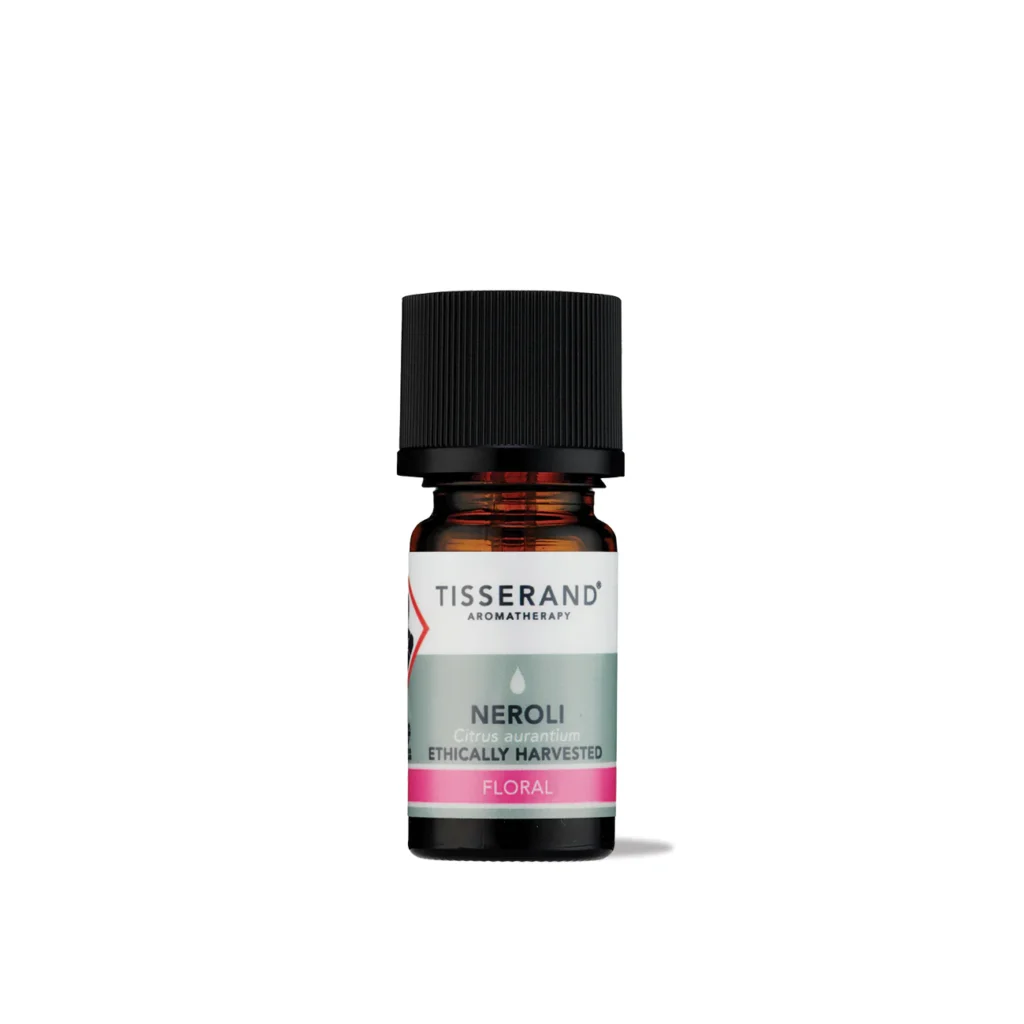
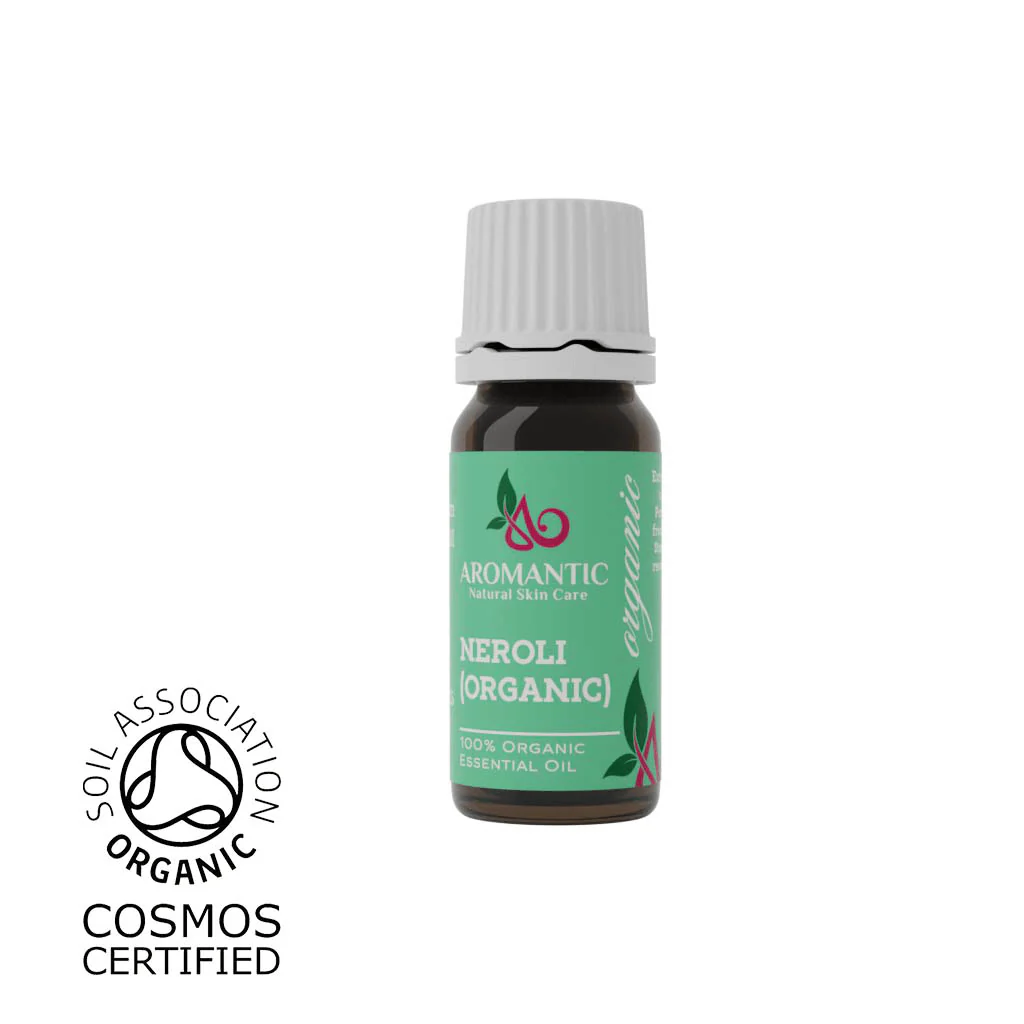
Neroli essential oil is delicate, floral-citrus. It’s often used in research involving menopausal women.
Key benefits:
- Shown in some studies to reduce stress, improve menopausal symptoms, and favourably influence cortisol and blood pressure
- Very gentle on the skin when properly diluted, with soothing and mildly regenerative properties
- Ideal for a luxurious night-time facial or pulse-point blend
Best for: luxurious evening skin rituals, stress-related insomnia, and midlife hormone-linked stress (PMS, perimenopause, menopause) — especially when you want calming, mood-lifting support that also pampers dry or mature skin.
6. Frankincense Essential Oil(Boswellia carterii)
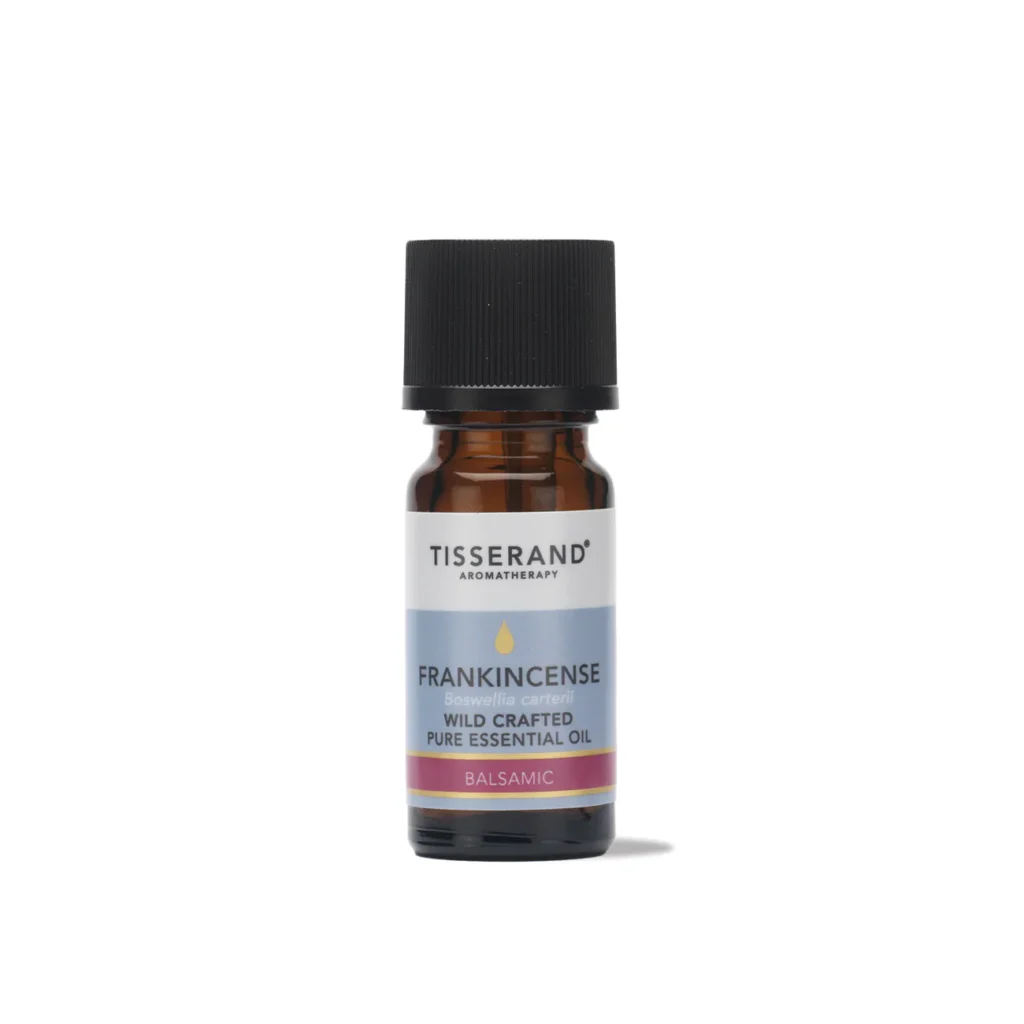
Frankincense essential oil is grounding, resinous, and perfect for breath work and skin repair.
Key benefits:
- Traditionally used for meditation and calm; modern research points to anti-anxiety and grounding effects
- Contains compounds with anti-inflammatory and antioxidant properties, supporting skin healing and soothing redness
- Frequently used in facial oils targeting mature or photo-aged skin
Best for: grounding evening rituals, meditation or breathwork, and mature, tired, or inflamed skin that needs calm, gentle support for fine lines, uneven tone, and stress-related sensitivity.
Best Ways to Use Essential Oils for Cortisol Reduction
Diffuser inhalation is the most studied method. Aromatic compounds travel directly to the limbic system, bypassing the blood-brain barrier for a rapid effect. Best for immediate stress relief and evening wind-down routines.
Topical application (always diluted in a carrier oil) provides longer-lasting effects as the oils absorb gradually through the skin. Best for facial and body care, combining skin benefits with aromatherapy.
Personal inhalers — small, portable tubes pre-loaded with essential oils — are ideal for on-the-go stress moments throughout the day.
Bath soaks with Epsom salts combine inhalation with warm water immersion and magnesium absorption, creating a multi-pronged cortisol-lowering effect.
Research suggests that consistent, moderate exposure is more effective than occasional intense use — so building essential oils into daily habits will deliver better results than using them sporadically.
DIY Essential Oils Blends Recipes for Cortisol
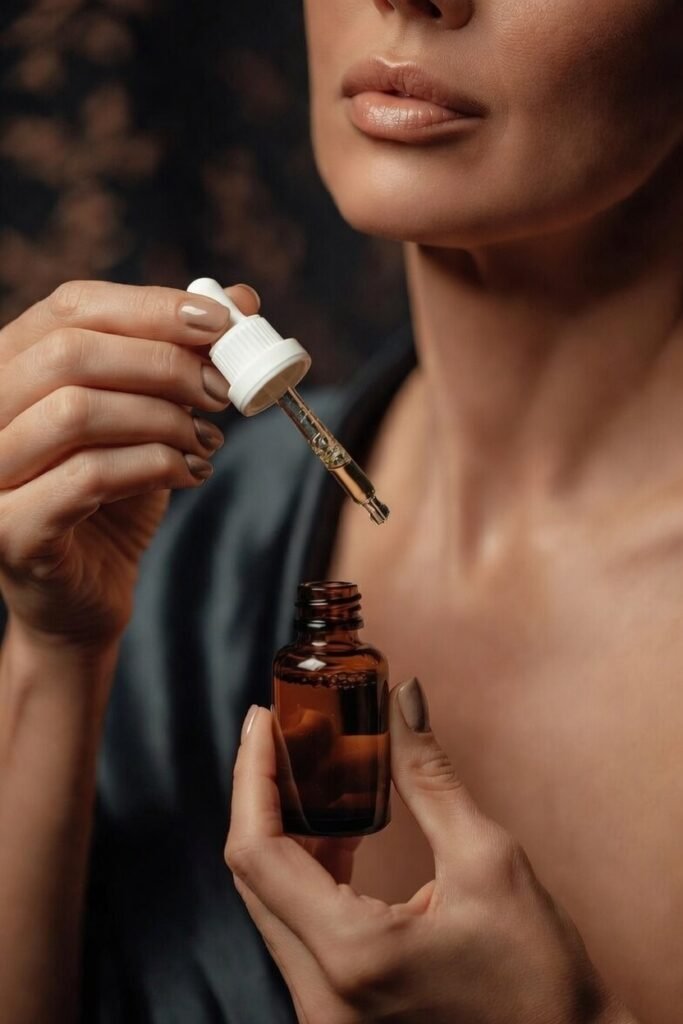
Creating your own essential oil blends allows for customisation and ensures you’re working with pure, natural ingredients.
Morning Glow & Protection Serum
Designed to rejuvenate the skin, reduce inflammation, and provide a protective barrier against daily stressors.
Ingredients:
- 30 ml Jojoba carrier oil
- 5 drops Frankincense essential oil
- 3 drops Neroli essential oil
- 2 drops Bergamot essential oil
Method: Combine all ingredients in a dark glass dropper bottle. Apply 3–5 drops to your face and neck each morning after cleansing and toning. Gently massage into the skin.
Before-Bed Cortisol-Calming Body Oil
Promotes deep relaxation and supports skin repair overnight, helping to counteract the effects of daytime stress.
Ingredients:
- 60 ml Sweet Almond carrier oil
- 8 drops Lavender essential oil
- 5 drops Clary Sage essential oil
- 3 drops Ylang-Ylang essential oil
Method: Mix all ingredients in a dark glass bottle. Apply generously to your body after an evening shower or bath, focusing on areas of tension such as the shoulders and neck. Breathe deeply as you apply.
Safety Notes
- Always dilute. Never apply essential oils directly to the skin. Stick to a 2–2.5% dilution for facial use and 2–3% for body use (roughly 12–18 drops of essential oil per 50 ml of carrier).
- Patch test first. Apply a small amount of your diluted blend to the inside of your forearm and wait 24 hours before using it more widely.
- Sun sensitivity. Bergamot essential oil is phototoxic. Avoid direct sun exposure on treated areas for at least 12–18 hours, or reserve bergamot blends for your evening routine.
- Consult your doctor. If you have any chronic condition, are on HRT or other medication, are pregnant, or have any known allergy, check with your healthcare provider before using essential oils.
- Quality matters. Use 100% pure, therapeutic-grade essential oils from reputable suppliers. Synthetic fragrance oils will not deliver the same benefits. Tisserand and Aromantic are all trusted sources.
Final Thoughts
Preventing premature skin ageing isn’t just about a consistent skincare routine — because our emotional state has a profound impact on skin health too. That’s why I trust essential oils so completely with this task. Their ability to influence both our emotional wellbeing and the skin directly makes them invaluable tools in a holistic approach to skincare and stress management. While they are not a substitute for medical advice or treatment for serious conditions, they offer a powerful complementary approach — working in harmony with the body’s natural healing processes.
There are also other tools and techniques you can use to keep cortisol in check such as breathing exercises, journaling, meditation, mindfulness, and nourishing food. Breathing techniques combined with inhaling Bergamot essential oil work particularly well for me. This little ritual grounds me and brings a sense of inner peace that consistently shows up the next day as a noticeably more luminous complexion.
Invest in both your inner peace and your outer radiance by embracing a lifestyle that prioritises stress reduction. By taking care of your cortisol, you’re not just addressing the visible signs of ageing — you’re nurturing a more resilient, vibrant, and naturally beautiful version of yourself. I’d love to hear your thoughts in the comments below.
Disclaimer: This post contains affiliate links. If you purchase through these links, I may earn a small commission at no extra cost to you — it helps me keep creating free content. I only ever recommend products I personally use and trust. This information is for educational purposes only and is not intended to diagnose, treat, cure, or prevent any disease. Always patch test new ingredients, and consult with a healthcare provider if you have specific skin conditions or concerns. If you’re pregnant, nursing, or on medication, check with your doctor before using essential oils.