Best Essential Oils for Ageing Skin: Natural Solutions That Actually Work (DIY Firming and Toning Facial Oil recipe included)
Disclaimer: This information is for educational purposes only and is not intended to diagnose, treat, cure, or prevent any disease. Always patch test new ingredients, and consult with a healthcare provider if you have specific skin conditions or concerns. If you’re pregnant, nursing, or on medication, check with your doctor before using essential oils.
Ageing is a privilege. Reaching our golden years brings freedom, confidence, and the gift of time—time to travel, learn new skills, dance, read, and explore interests that may once have been postponed by work or childcare. With the right mindset and self-care practices, this stage of life can be deeply fulfilling. Maturity, however, also brings change—physical, cognitive, and dermatological. As we age, our skin undergoes structural and functional shifts that require a more thoughtful and supportive approach to care.
Mature skin is characterised by a gradual decline in the production of collagen and elastin—proteins responsible for firmness and elasticity. This leads to thinning, fine lines, wrinkles, and sagging. At the same time, the skin’s natural lipid barrier weakens, reducing its ability to retain moisture and increasing sensitivity to environmental stressors.
Many people invest heavily in products that promise eternal youth or turn to invasive treatments and strong actives in pursuit of healthy, glowing skin. While these approaches can have their place, they may also carry risks, irritate the skin, or disrupt its natural balance. This is where essential oils—when chosen carefully and used correctly—can offer valuable support.
I have personally used essential oils in my daily skincare routine for over ten years and have consistently been complimented on the health and appearance of my skin. In this article, I explain why essential oils can be beneficial for mature skin, how to use them safely, which oils are most effective, and I share a facial oil blend that I use myself to improve tone, circulation, and puffiness.
How Ageing Affects the Skin
As we move into our late 30s, 40s, and beyond:
Collagen decreases and elastin breaks down. These are the proteins that keep your skin plump and firm. By the time you hit your forties, collagen production has dropped significantly, and what’s already there is degrading faster than your body can replace it. This is why skin starts to lose its firmness and gets wrinkly. Plus elastin fibres weaken resulting in sagging and loss of plumpness.
Cell turnover slows dramatically. In your twenties, your skin completely renews itself every 28 days or so. But by your 50s that process can take 45 to 60 days. This means dead skin cells hang around longer, making your complexion look dull and uneven.
Oil production decreases. With age our skin becomes dryer as our sebaceous glands excrete less natural oil, aka sebum. Weakening of natural skin barrier at the same time as we age contributes to the skin’s struggle to prevent water loss and keep the skin moist. All this together leads to dryness, flakiness, and that uncomfortable tight feeling.
Free radical damage accumulates. Years of sun exposure, pollution, stress, and even the oxygen we breathe create free radicals—unstable molecules that damage skin cells. This cumulative damage shows up as age spots, uneven texture, and increased sensitivity. Ageing is significantly accelerated by this oxidative stress. This damage is often referred to as “inflammaging“—a chronic, low-grade inflammatory state that degrades the skin’s extracellular matrix.
Your skin literally gets thinner. The fat layer beneath your skin diminishes, making skin more fragile and translucent. This is why you might notice veins becoming more visible or bruising more easily.
How Essential Oils Support Mature Skin
Essential oils are concentrated plant extracts composed of small, lipophilic molecules that can penetrate the stratum corneum—the outermost layer of the skin. Unlike many synthetic ingredients that remain largely on the surface, these compounds may reach deeper layers of the skin where repair and regeneration processes occur.
When used correctly and diluted appropriately, essential oils can support mature skin in several ways:
- Providing antioxidant protection
- Supporting cellular renewal
- Improving microcirculation
- Calming inflammation
Many essential oils are rich in phenols, terpenes, and esters—compounds known for their antioxidant and anti-inflammatory properties. Research suggests that certain essential oils may help protect collagen and elastin from oxidative degradation and support the skin’s natural repair mechanisms. While essential oils cannot reverse ageing, consistent and mindful use can contribute to healthier, more resilient skin over time.
The 10 Best Essential Oils for Mature Skin
Selecting the right essential oils for a mature skincare regimen requires an understanding of their specific chemical profiles and therapeutic benefits. Below are the most effective oils supported by both traditional wisdom and modern dermatological research. Each oil brings something unique to the table, so as you read through these, think about what your skin needs most right now. You don’t need all ten, start with two or three that resonate with your specific concerns.
1. Frankincense (Boswellia Carterii/Sacra)
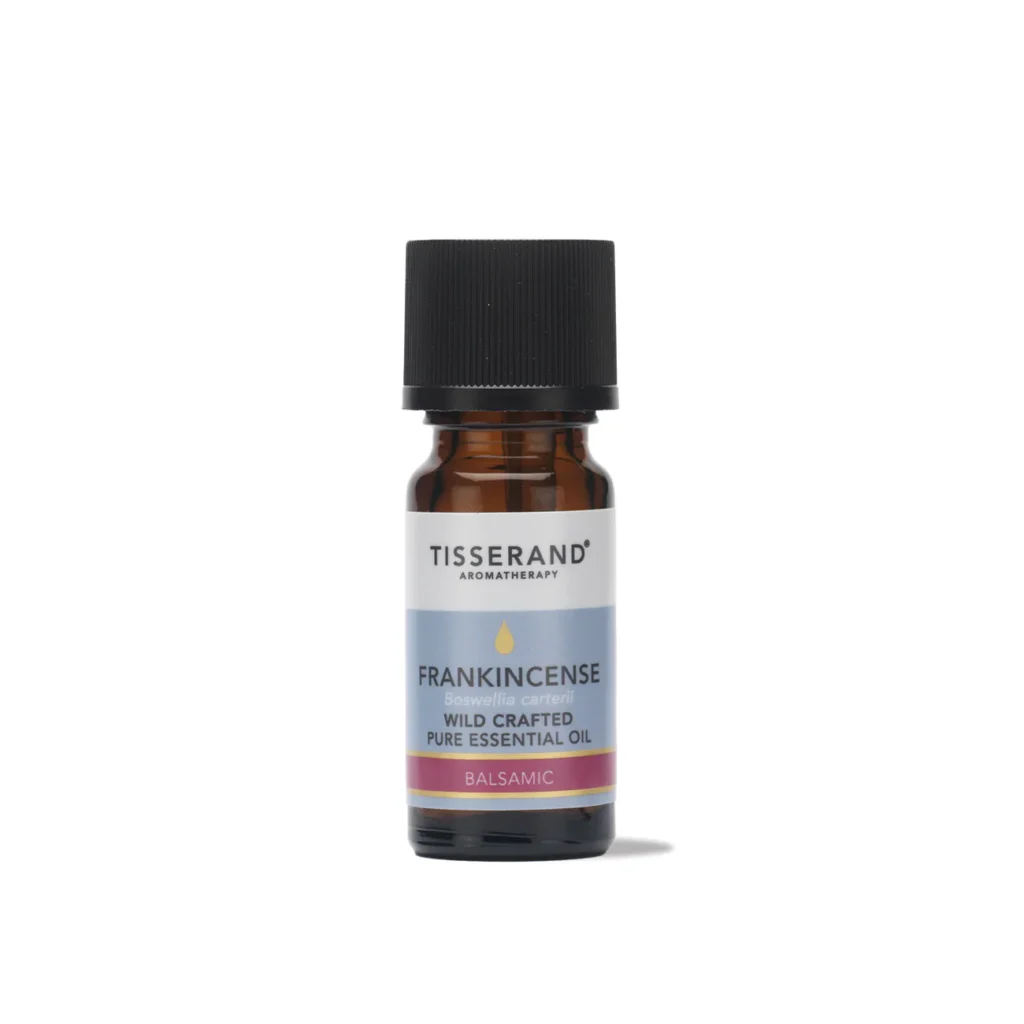
Often referred to as the “King of Oils,” Frankincense Essential Oil has been prized for millennia for its skin-rejuvenating properties. In the context of mature skin, its primary value lies in its cytophylactic properties—the ability to protect existing cells and encourage the growth of new ones. Frankincense Oil is particularly effective at reducing the appearance of sunspots and evening out skin tone. Scientific literature suggests that Frankincense Essential Oil can enhance collagen synthesis by increasing gene expression and promoting the growth of fibroblast cells, which are responsible for producing the skin’s structural framework. Its anti-inflammatory nature also makes it an excellent choice for soothing the redness and irritation often associated with thinning in mature skin.
Primary benefits for mature skin:
- Visibly reduces fine lines and wrinkles
- Evens out skin tone and reduces age spots
- Promotes cellular regeneration and repair
Best for: Fine lines around the eyes, forehead wrinkles, age spots, and overall skin firmness. It’s particularly good if you’re dealing with uneven skin texture or shallow scarring.
Safety notes: Frankincense Oil is one of the gentlest essential oils and is generally safe for all skin types, even sensitive mature skin.
2. Rose (Rosa Damascena)
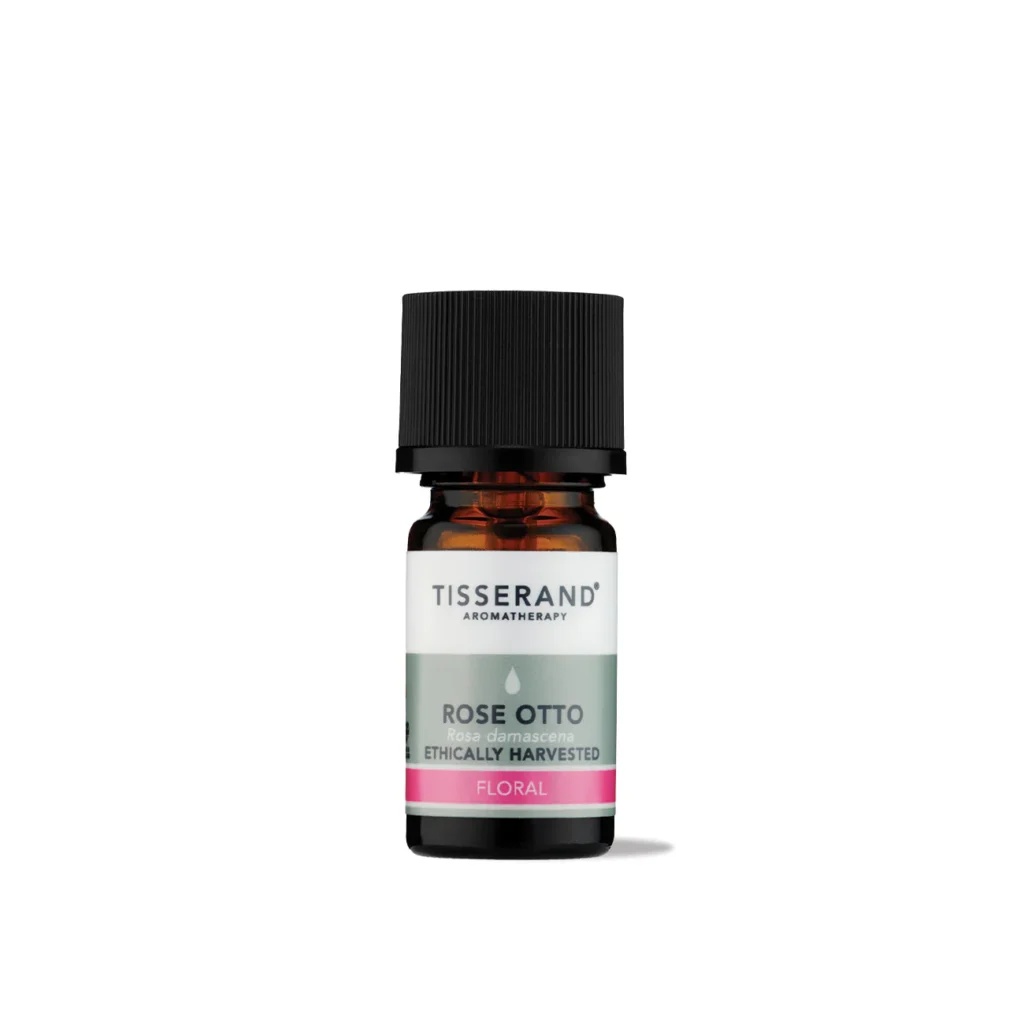
Rose Essential Oil is one of the most complex and expensive oils in the world, requiring thousands of petals to produce a single ounce. It is exceptionally high in antioxidants and vitamins, particularly Vitamin C, which is a critical cofactor in collagen production. It is also a powerful humectant and helps the skin retain moisture. This is vital for mature skin that often struggles with chronic dryness. Research indicates that Rose Essenial Oil can act as a photoprotector, helping to shield the skin from UV-induced oxidative damage, thus acting against another important cause of premature aging.
Primary benefits for mature skin:
- Deeply hydrating and moisture-retaining
- Reduces redness and calms inflammation
- Improves overall skin texture and smoothness
Best for: Very dry mature skin, redness, broken capillaries, and any time you need emotional uplift along with skin benefits. If your skin has become sensitive with age, rose is incredibly soothing.
Safety notes: Rose Oil is generally very safe. Just remember that a little goes a long way, both because it’s potent and because it’s precious.
3. Helichrysum (Helichrysum Italicum)
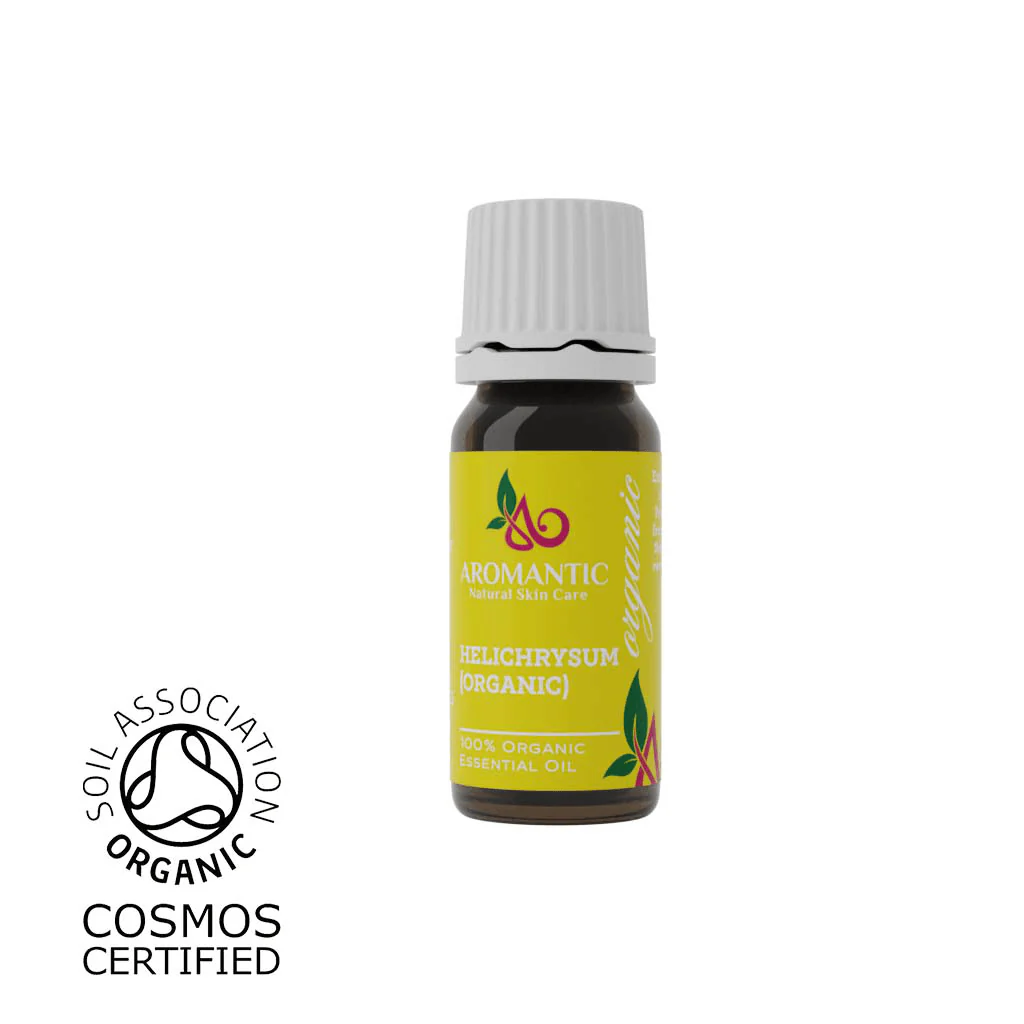
Known as “The Everlasting Flower” or “Immortelle,” Helichrysum Essential Oil is perhaps the most potent oil for tissue regeneration. It contains unique compounds called italidiones, which have been shown to have strong skin-healing properties. For mature skin, Helichrysum Oil is invaluable for its ability to reduce the appearance of age spots and promote a more uniform complexion. A 2024 study highlighted Helichrysum Oil‘s role in promoting collagen deposition and skin regeneration, making it a cornerstone for any natural anti-aging serum. Its ability to accelerate the healing of micro-damage in the skin helps prevent the formation of deeper wrinkles over time.
Primary benefits for mature skin:
- Exceptional at repairing damaged skin
- Fades scars and sun damage
- Reduces the appearance of broken capillaries
Best for: Age spots, sun damage, old scars, rosacea, and uneven skin texture.
Safety notes: Very gentle and suitable for even sensitive mature skin. One of the safest oils you can use.
4. Carrot Seed (Daucus Carota)
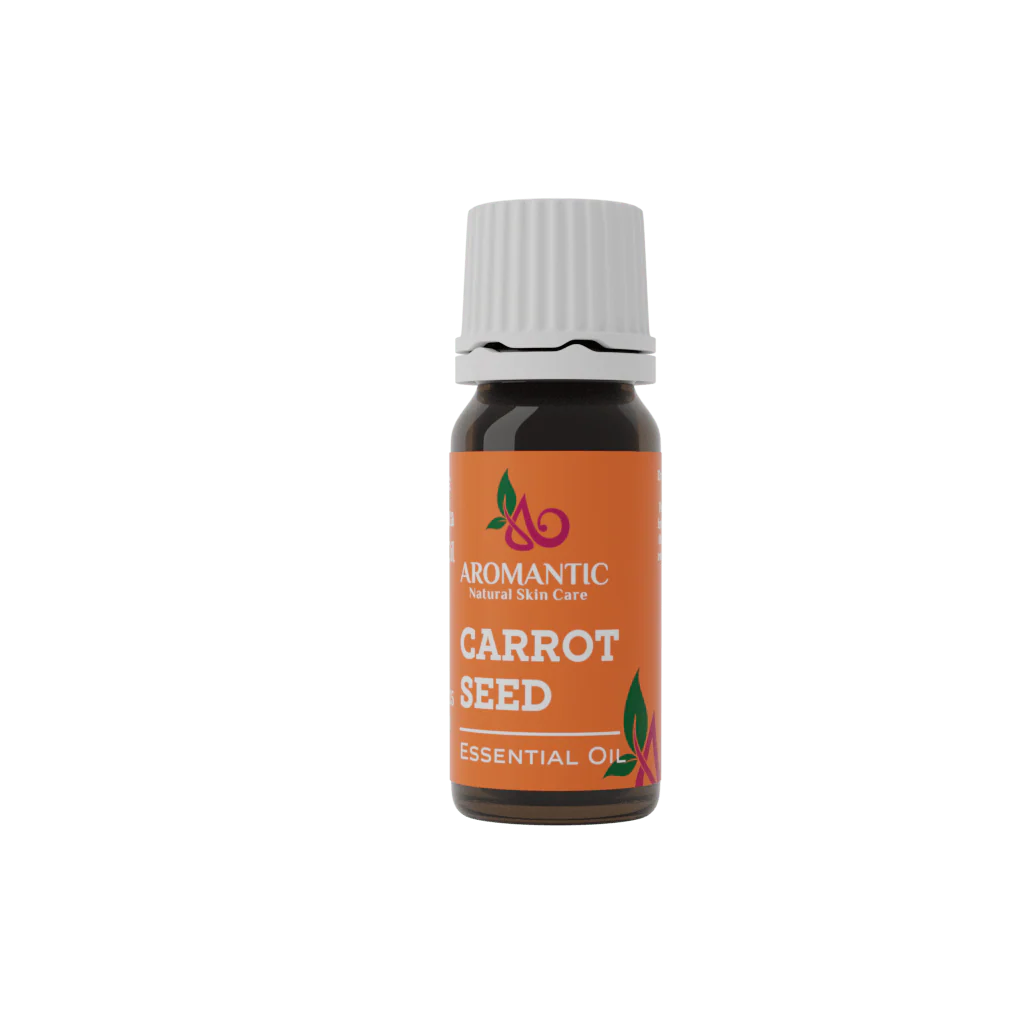
Carrot Seed Essential Oil (not to be confused with Carrot Carrier Oil) is distilled from the dried seeds of the wild carrot plant. It is arguably the most potent oil for environmental protection. It is rich in carotenoids, particularly beta-carotene, which the body can convert into Vitamin A—the gold standard for anti-ageing. Carrot Seed Oil works by stimulating the growth of new cells and repairing damaged tissue. It is particularly effective at reversing the signs of photoageing, such as deep-set wrinkles and leathery skin texture. Because of its high antioxidant content, it also acts as a natural booster for sun protection, though it should never replace a dedicated SPF.
Primary benefits for mature skin:
- Packed with skin-nourishing vitamins
- Rejuvenates tired, dull complexions
- Evens out skin tone and reduces hyperpigmentation
Best for: Sun-damaged skin, uneven tone, and mature skin that needs a vitamin boost. It’s like a multivitamin for your face.
Safety notes: Generally safe, but avoid it if you’re pregnant. As with all essential oils, proper dilution is key.
5. Geranium (Pelargonium Graveolens)
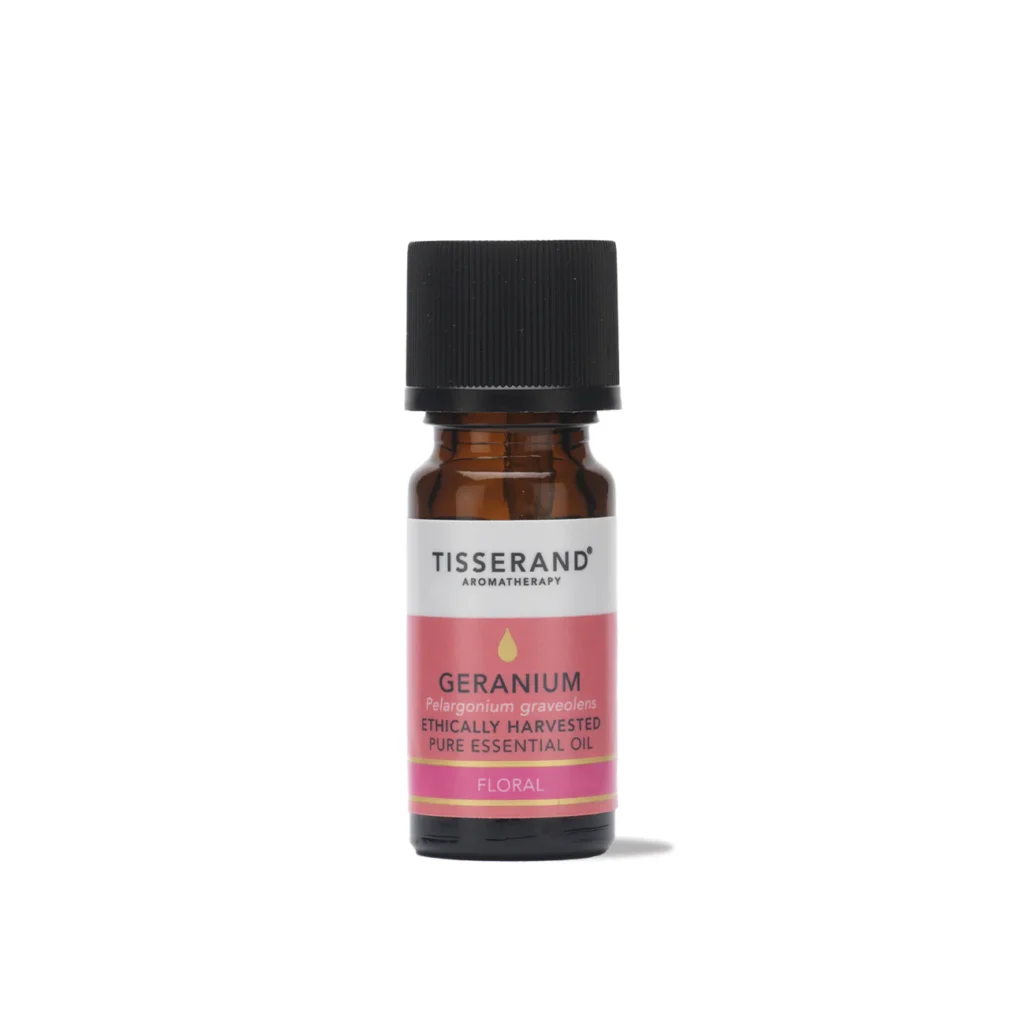
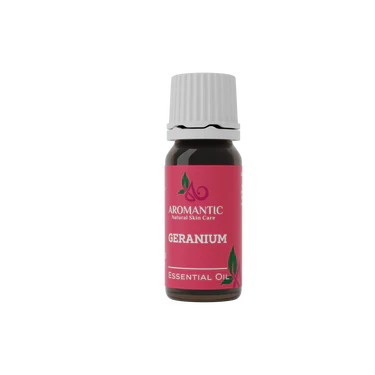
Geranium Essential Oil is often called “the poor man’s rose,” but its benefits are anything but inferior. It is a natural astringent, meaning it helps to tighten the skin and minimise the appearance of large pores. For mature skin that has begun to lose its tightness, Geranium Oil provides a subtle lifting effect. One of Geranium Essential Oil‘s unique properties is its ability to balance sebum production. As we age, skin often becomes excessively dry, but some individuals may still experience oily patches. Geranium Oil helps to regulate the skin’s natural oils, ensuring that the moisture barrier is maintained without clogging pores. It also improves circulation, which brings a healthy, youthful glow to the complexion.
Primary benefits for mature skin:
- Balances oil production
- Has a natural tightening effect
- Improves circulation and reduces puffiness
Best for: Combination mature skin, sagging skin, morning puffiness, and broken capillaries.
Safety notes: One of the safest and most versatile essential oils. Great for beginners.
6. Lavender (Lavandula Angustifolia)
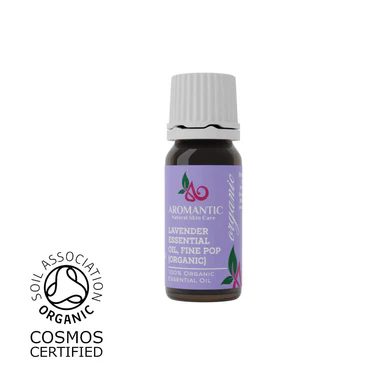
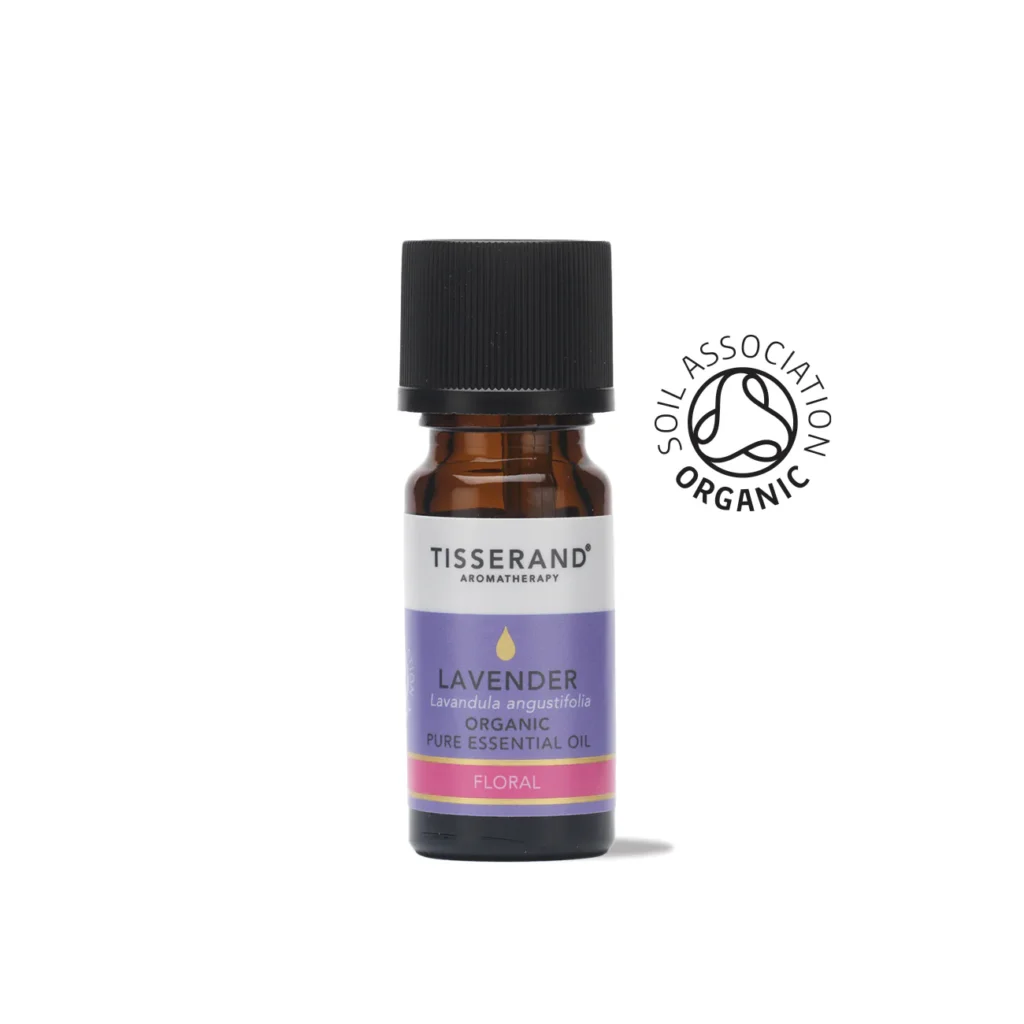
While often associated with sleep and relaxation, Lavender Essential Oil is a formidable anti-aging ally. It is exceptionally rich in antioxidants that help the body produce three of its most powerful internal antioxidants: glutathione, catalase, and superoxide dismutase. These enzymes are the skin’s first line of defence against the oxidative damage caused by pollution and UV radiation. Lavender Essential Oil‘s anti-inflammatory properties are also crucial for mature skin, which can become prone to “adult acne” or rosacea-like redness due to hormonal shifts. By calming the skin and reducing inflammation, Lavender Oil helps maintain a smooth, even texture and prevents the breakdown of the dermal matrix.
Primary benefits for mature skin:
- Calms inflammation and redness
- Supports skin repair and healing
- Gentle enough for even the most sensitive skin
Best for: Sensitive mature skin, redness, irritation, stress-related skin issues and any skin that tends to react to stronger ingredients.
Safety notes: Lavender Oil is one of the safest essential oils available, making it perfect if you’re new to using essential oils for skincare.
7. Sandalwood (Santalum Album)
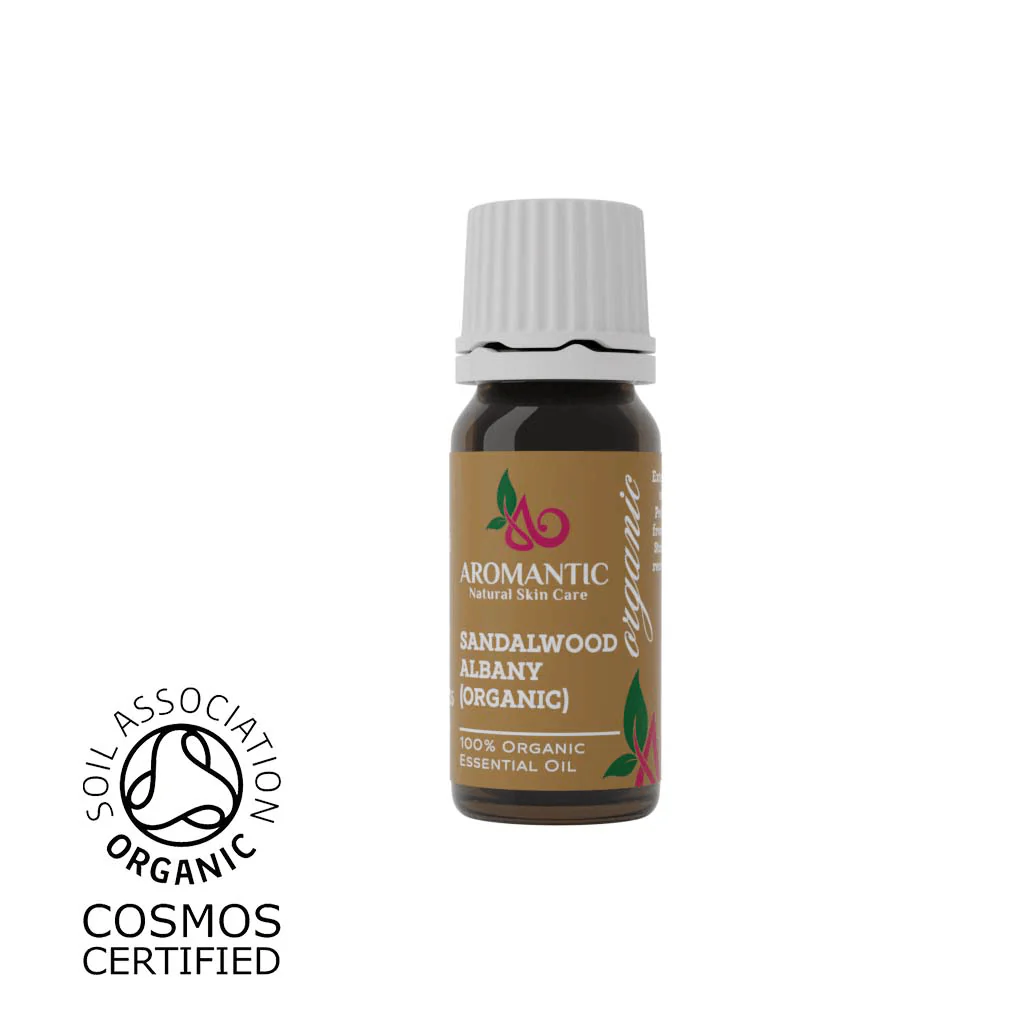
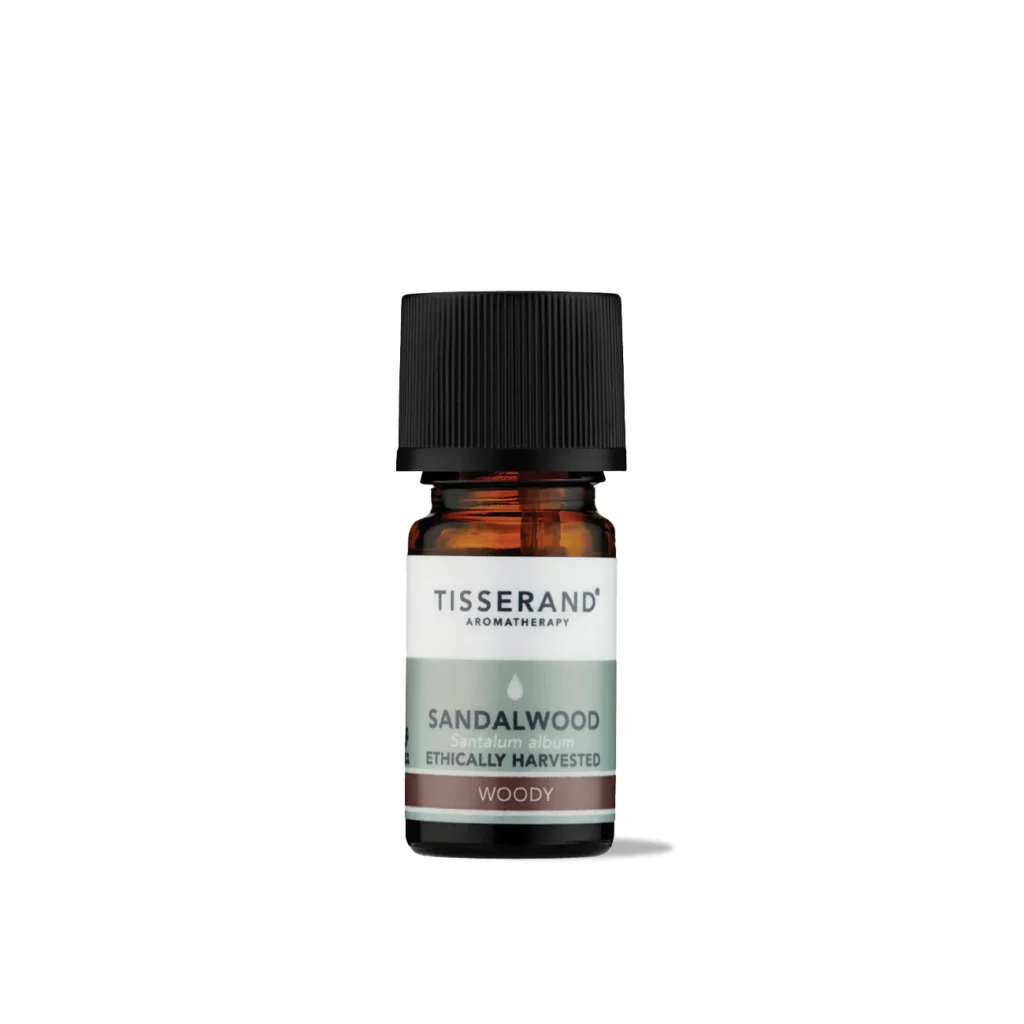
Sandalwood Essential Oil is renowned for its high concentration of alpha-santalol, a compound with significant anti-inflammatory and skin-brightening effects. As skin ages, it often develops hyperpigmentation or “liver spots” due to cumulative sun exposure. Sandalwood Oil helps to inhibit tyrosinase, the enzyme responsible for melanin production, thereby fading dark spots and creating a more luminous complexion. Sandalwood Essential Oil is rich in santalol, an anti-inflammatory compound with emollient (softening) properties. It doesn’t just sit on top of your skin—it actually helps lock in moisture and prevent transepidermal water loss. For dry, mature skin, this is gold.
Primary benefits for mature skin:
- Deeply moisturizing and hydrating
- Reduces inflammation and soothes irritation
- Creates a protective barrier against moisture loss
Best for: Very dry mature skin, sensitivity, eczema-prone ageing skin, and anyone dealing with that uncomfortable tight, papery feeling.
Safety notes: Generally safe. Note that Australian Sandalwood Oil (Santalum Spicatum) is more sustainably sourced than Indian Sandalwood Oil (Santalum Album), so look for that if sustainability matters to you.
8. Neroli (Citrus Aurantium)
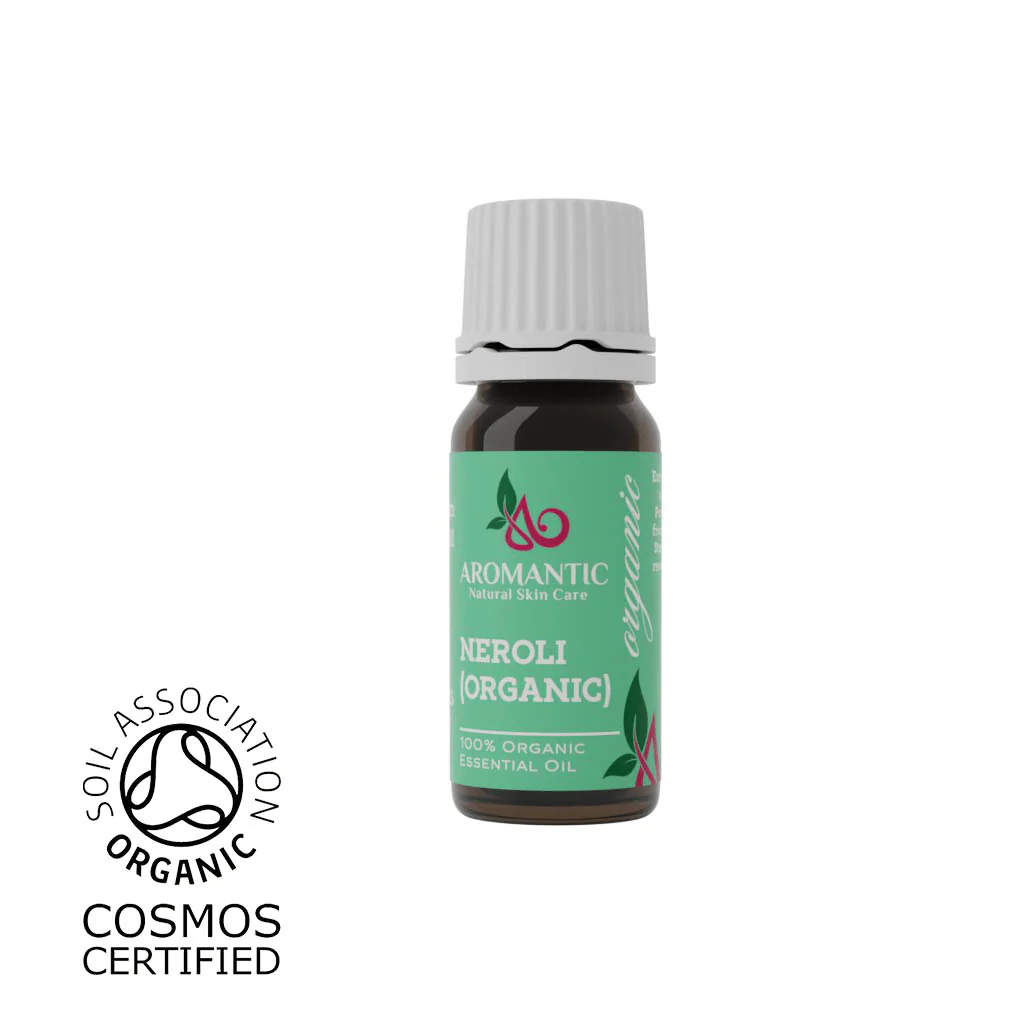
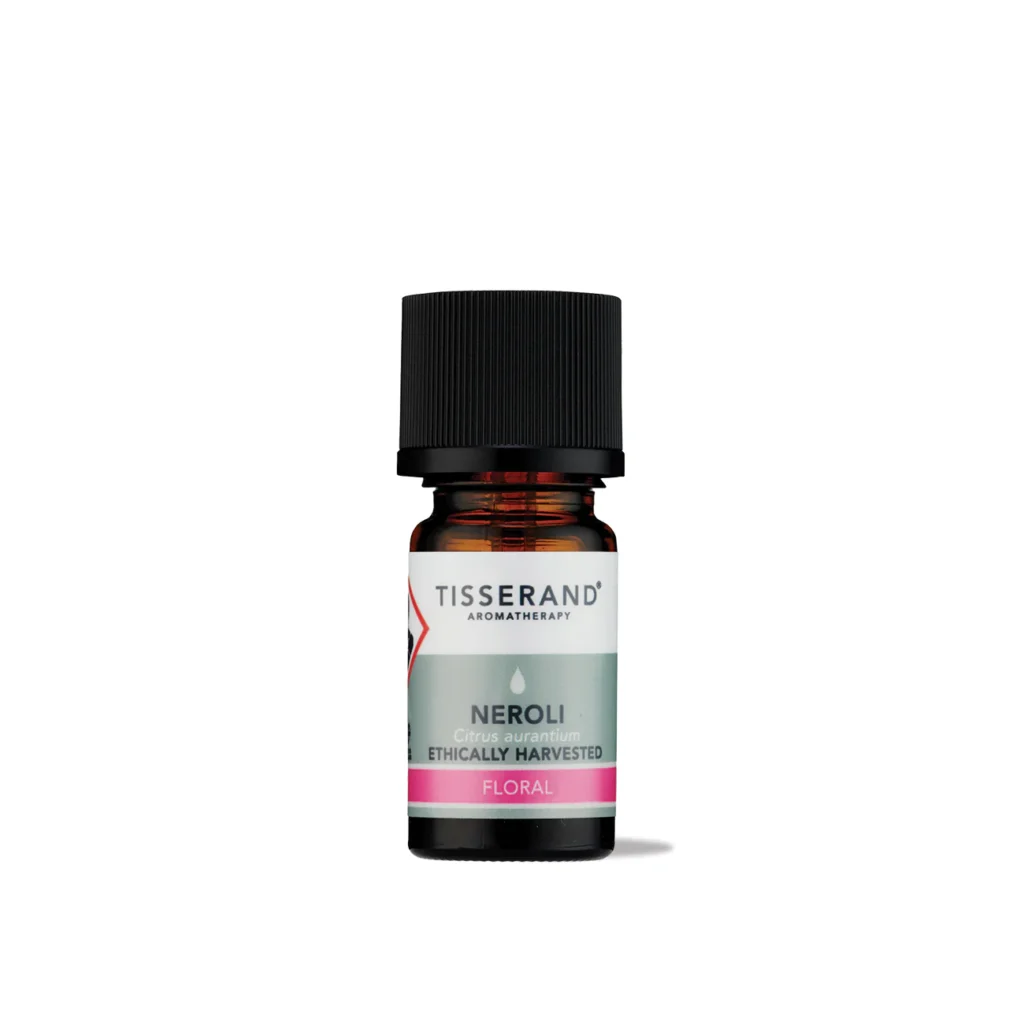
Neroli Essential Oil, distilled from the blossoms of the bitter orange tree, is a powerhouse for skin elasticity. It contains a natural chemical called citral, which is known for its ability to stimulate cellular regeneration. For mature skin, this means a faster turnover of old, damaged skin cells and the emergence of fresh, healthy tissue. Neroli Oil is particularly effective for treating “crepey” skin—the thin, wrinkled texture that often appears on the décolletage and under the eyes. Its ability to improve the skin’s resilience makes it a favourite in luxury anti-aging formulations. Additionally, its exquisite floral scent has been shown to reduce anxiety, which indirectly benefits the skin by lowering the production of ageing-related stress hormones.
Primary benefits for mature skin:
- Regenerates skin cells
- Improves elasticity and firmness
- Reduces the appearance of scarring and imperfections
Best for: Loss of elasticity, dull mature skin, stress-related aging (cortisol is terrible for your skin), and anyone wanting that “glow from within” look.
Safety notes: Unlike cold-pressed citrus peel oils, Neroli Essential Oil is non-phototoxic and safe for facial use, including daytime routines.
9. Myrrh (Commiphora Myrrha)
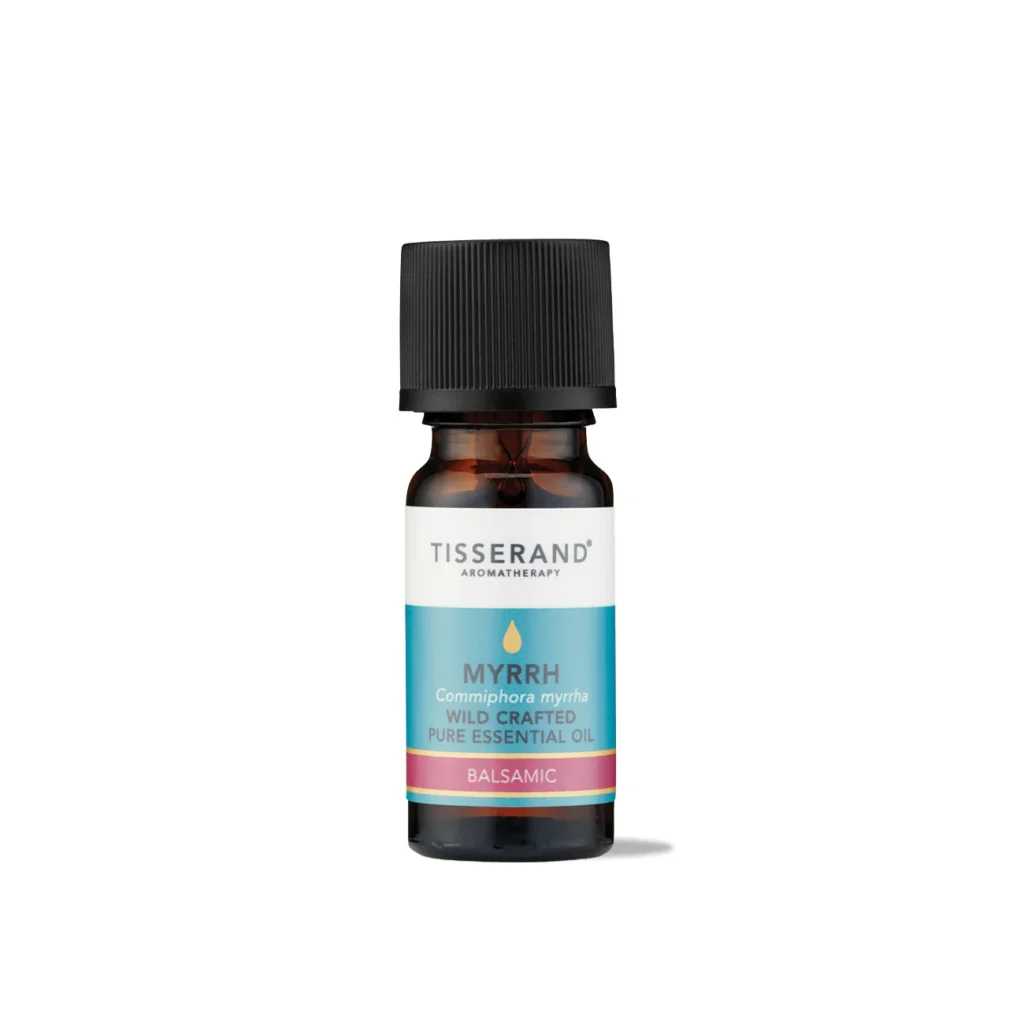
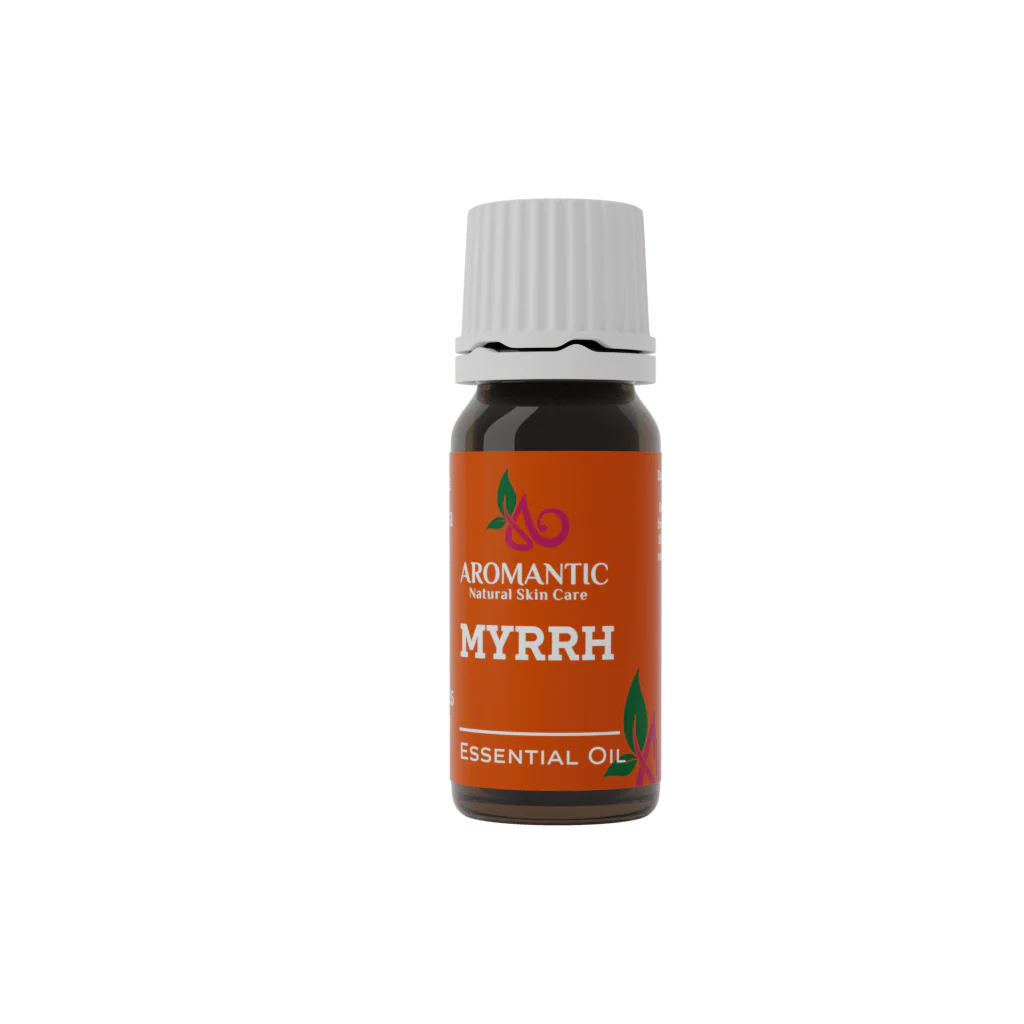
Historically used for wound healing and embalming, Myrrh Essential Oil is a powerful antioxidant that excels at treating severely dry or “weathered” skin. It is rich in terpenoids, which provide strong anti-inflammatory benefits. For mature skin that has become thin and fragile, Myrrh Oil provides a protective layer that helps to soothe cracks and prevent further moisture loss. Myrrh’s ability to support skin elasticity is well-documented in traditional medicine, and modern applications often include it in “overnight” repair serums to take advantage of the skin’s natural regenerative cycle during sleep.
Primary benefits for mature skin:
- Protects against environmental damage
- Reduces inflammation
- Strengthens and fortifies skin
Best for: Chapped, weathered mature skin, environmental protection (especially in harsh climates), and winter dryness.
Safety notes: Avoid if pregnant. Myrrh Oil is quite thick and resinous, so make sure to dilute it well in a carrier oil.
10. Rosemary (Rosmarinus Officinalis)
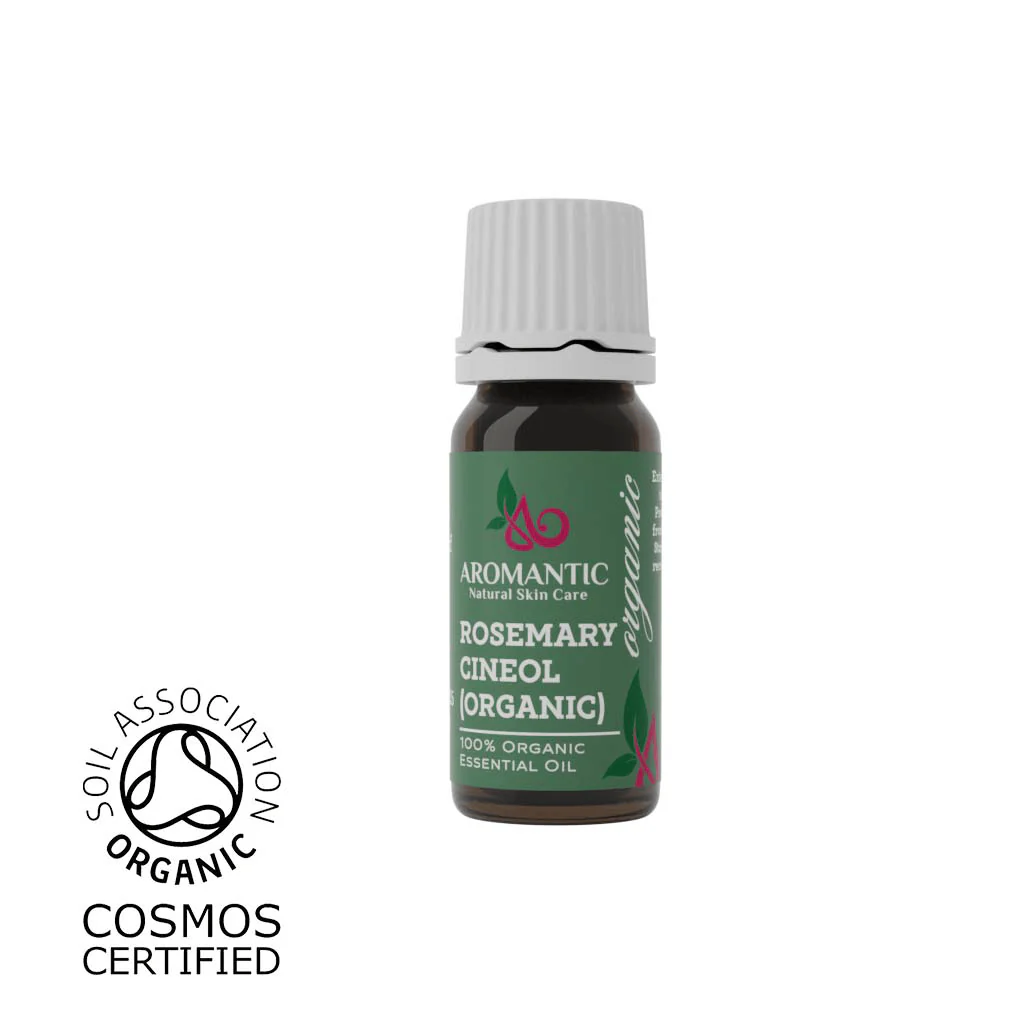
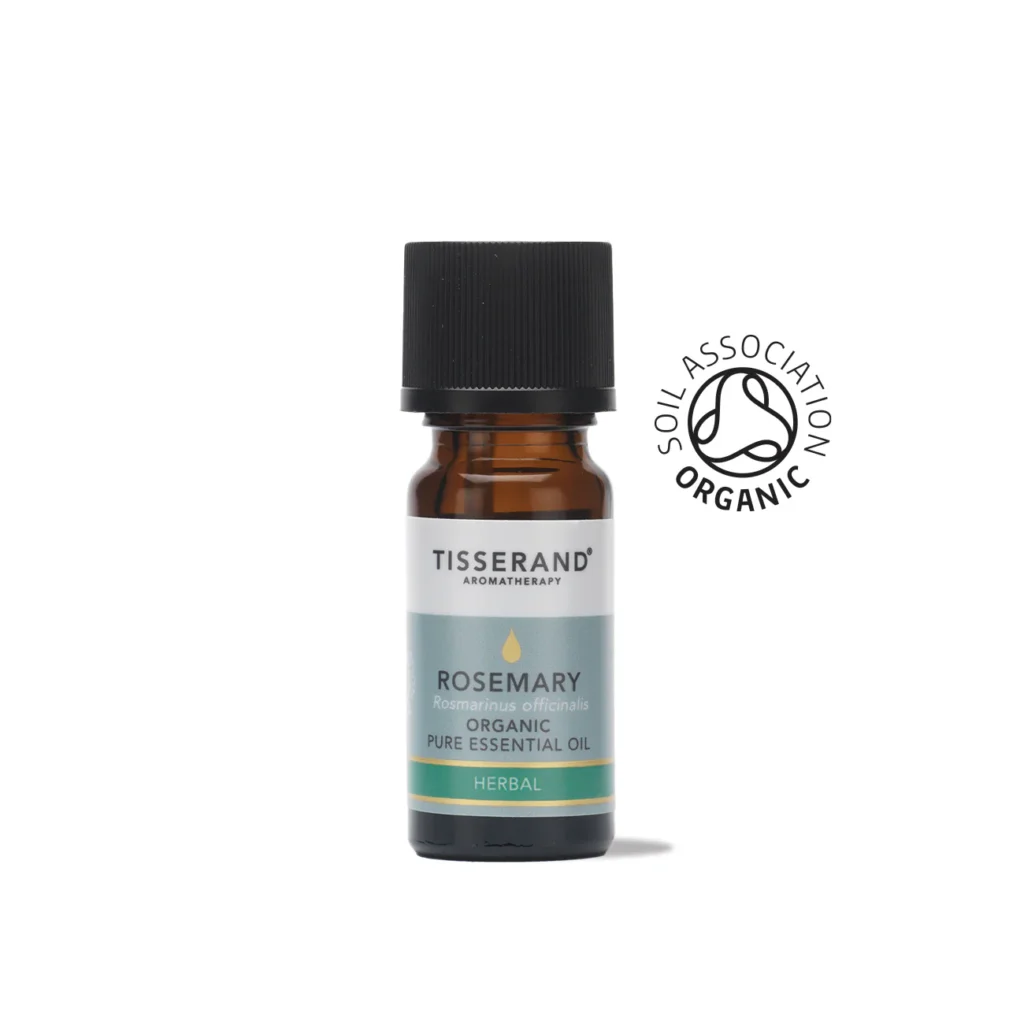
Rosemary Essential Oil is often overlooked in skincare, but its benefits for mature skin are significant. It contains rosmarinic acid, which has powerful antioxidant and anti-inflammatory effects. Its primary contribution to anti-aging, however, is its ability to improve microcirculation. By stimulating blood flow to the surface of the skin, Rosemary Oil ensures that skin cells receive the oxygen and nutrients they need to function optimally. This increased circulation also helps to flush out toxins, reducing puffiness and giving the skin a firmer, more toned appearance. A 2022 study confirmed that Rosemary Essential Oil can potentially slow down skin ageing by protecting the skin’s structural components from oxidative stress.
Primary benefits for mature skin:
- Improves circulation to skin
- Creates a tightening, toning effect
- Powerful antioxidant protection
Best for: Sagging skin, poor circulation, dull, tired-looking complexion, and puffiness.
Safety notes: Avoid if you have epilepsy or high blood pressure. Use in lower dilutions (0.5-1%) for facial application.
Safety First: How to Use Essential Oils Correctly
The Golden Rule of Dilution
For facial application, the recommended dilution ratio is typically between 1% and 2%. A 1% dilution is generally sufficient for daily use on the face, while a 2% dilution may be used for targeted treatments or “spot” applications.
Dilution Guide for Facial Use:
- 1% Dilution: 5-6 drops of essential oil per 1 ounce (30ml) of carrier oil.
- 2% Dilution: 10-12 drops of essential oil per 1 ounce (30ml) of carrier oil.
Patch Testing: The Non-Negotiable Step
Before incorporating a new oil into your routine, a patch test is essential. Apply a small amount of your diluted oil blend to the inside of your elbow or the back of your wrist. Wait 24 to 48 hours to ensure no redness, itching, or irritation occurs. This step is crucial because even the most “gentle” oils, like Lavender for example, can cause reactions in certain individuals.
Phototoxicity and Sun Sensitivity
Certain essential oils, particularly cold-pressed citrus oils like Lemon, Lime, and Bergamot, contain compounds called furanocoumarins. These compounds can cause a severe chemical burn when the skin is exposed to UV light. While some citrus oils like Neroli and Sweet Orange are generally considered safe, it is best to apply any citrus-containing blends in the evening or ensure you are using a high-quality, broad-spectrum sunscreen during the day.
Quality Matters: How to Identify Therapeutic Oils
The essential oil market is largely unregulated, meaning that many products labeled as “pure” or “natural” may actually contain synthetic fillers, pesticides, or fragrance oils. For anti-aging purposes, these adulterated oils are not only ineffective but can also be harmful. To get the best from essential oils use only pure, therapeutic-grade essential oils from reputable suppliers. My favourite places to go when I do my own shopping are Aromantic and Tisserand They offer a wide range of high quality essential and carrier oils along with some other products that you may find to be interested in.
To ensure you are using high-quality oils, look for the following indicators:
- Latin Name: The label should clearly state the botanical name (e.g., Boswellia carterii for Frankincense).
- Sourcing Information: Reputable companies will disclose the country of origin and the method of extraction (e.g., steam distillation or CO2 extraction).
- GC/MS Testing: Gas Chromatography-Mass Spectrometry (GC/MS) testing is the gold standard for verifying the purity and chemical composition of an oil. A company should be able to provide these reports upon request.
- Dark Glass Packaging: Essential oils are light-sensitive and should always be stored in amber or cobalt blue glass bottles to prevent oxidation.
Pregnancy and Health Conditions
Some essential oils should be avoided during pregnancy, while nursing, or with certain health conditions. If you’re pregnant, nursing, or have health conditions, consult with a qualified aromatherapist or healthcare provider before using essential oils.
DIY Firming and Toning Facial Oil for Mature Skin
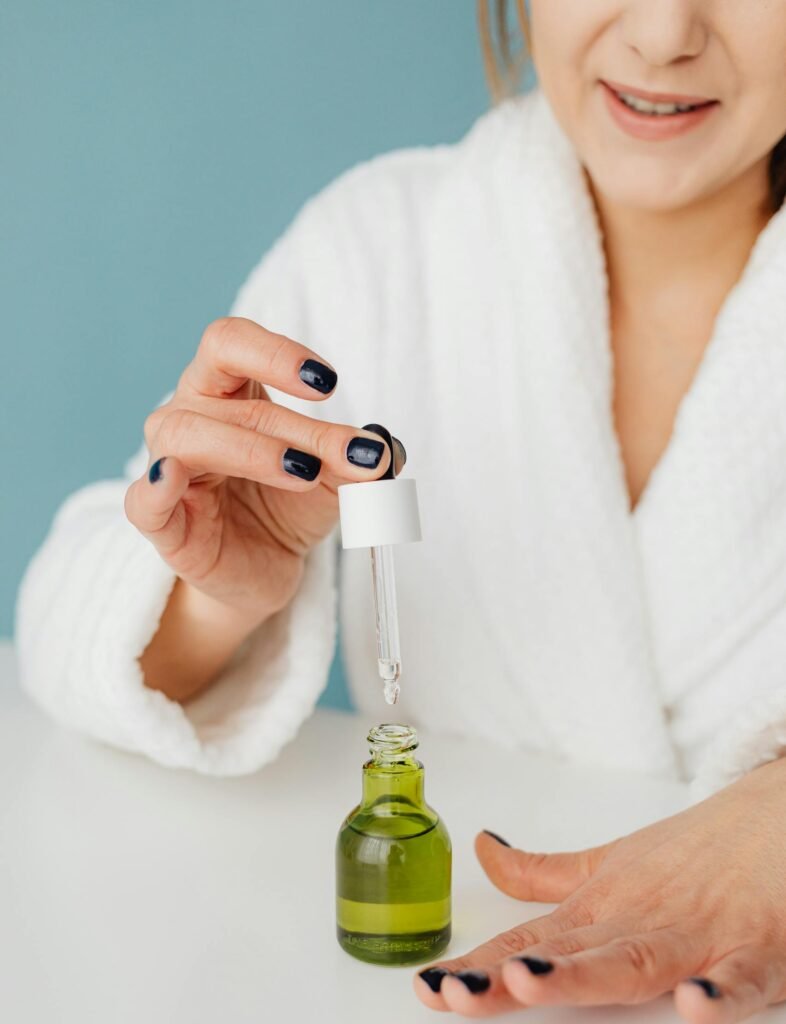
Incorporating essential oils into your routine can be a deeply therapeutic ritual. Below is a recipe designed to address a mature skin that has lost its elasticity. Its main focus is on improving blood circulation and tightening the skin.
Ingredients: Rosehip Seed Oil 10ml Hazelnut Oil 10 ml Kiwi Seed Oil 5 ml Thistle Oil 5ml Frankincense Essential Oil 3 drops Helichrysum Essential Oil 2 drops Rose Essential Oil 2 drops | Tools & Equipment: Measuring cup Or scales Small glass bowl Dropper or pipette Small funnel (optional but helpful) 30ml dark glass bottle Label for your bottle |
- How to make: Combine all the ingredients in a small glass bowl, gently swirl and then transfer to a glass bottle. Stick on a label with a name, ingredients and the date it was made on.
- How to store: Always use dark glass as essential oils degrade in clear glass and plastic. Store in a cool, dark place and keep away from direct heat sources and sunlight. Remember to always close tightly after use to prevent oxidation
- Shelf life: 6-8 months when stored properly. Make small batches so you use it up while it’s fresh.
- Application Tips: Use this oil during a morning facial massage to “wake up” the skin and reduce puffiness.
Apart from the essential oils, this blend combines the potent, easily absorbed carrier oils with regenerative, anti-oxidant and soothing properties. Rosehip Seed Oil is perhaps the most famous carrier oil for anti-ageing. It is a natural source of Vitamin A and hence it is an incredible collagen production booster. It is effective at fading hyperpigmentation and smoothing fine lines. Hazelnut Oil stands out for its astringent properties, so it tightens the skin and helps to maintain the skin’s firmness. Kiwi Seed Oil has an exceptionally high Omega‑3 content, thus it is a good choice for mature skin’s nourishment. Plus as Kiwi Seed Oil is very soft and smooth on the skin, it is excellent for tackling mature skin’s sensitivity issues. And finally Thistle Oil acts as an effective moisturiser and maintains hydration levels in the skin, thus reducing the appearance of fine lines and wrinkles. Its soothing qualities on the skin help improve skin tone and texture. This face oils is truly a treat for your skin!
Conclusion: Embracing Nature’s Wisdom
The journey of ageing is a natural and inevitable process, but it is one that can be navigated with grace and vitality. Essential oils offer more than just a “quick fix” for wrinkles; they provide a holistic way to support the skin’s biological functions while offering a sensory experience that nurtures the mind and spirit. By choosing high-quality oils, diluting them correctly in nourishing carrier oils and using them consistently in your skincare routine, you can significantly improve the health and appearance of mature skin. Nature has provided us with these liquid treasures, we just need to leant how to use them safely and to our advantage. Remember that the most beautiful skin is healthy skin, and health is best supported by the gentle power of the nature.
What do you find challenging when it comes to a mature skin care routine? Is there any particular problem you’re struggling with? How are you finding using essential oils on your skin? Have you noticing any difference? Feel free to share your experience in the comments below.
This post contains affiliate links. If you purchase through these links, I may earn a small commission at no extra cost to you. I only recommend products I trust and use myself.