Essential Oils for Age Spots & Hyperpigmentation After 40: Natural Radiance for Mature Skin
Disclaimer: This information is for educational purposes only and is not intended to diagnose, treat, cure, or prevent any disease. Always patch test new ingredients, and consult with a healthcare provider if you have specific skin conditions or concerns. If you’re pregnant, nursing, or on medication, check with your doctor before using essential oils.
If you are a sun worshiper like me, you surely appreciated your beautiful freckles every spring/summer once you exposed your skin to the first rays of sun. Unfortunately lately in life, especially when we hit 40, these adorable signs of sun indulgence suddenly become unwelcome guests in the form of hyperpigmentation and age spots. So if you’ve noticed dark patches appearing on your face or hands in your forties that weren’t there a decade ago, you’re not imagining it.
In this post I will explain the origins of age spots and hyperpigmentation, why they are so common once we hit 40s, how essential oils can be used to improve the problem and which of them are the best for this task. You will also find easy to make recipes you can try straight away so you”ll have some tools at hands to help improve and even out your skin complexion straight away.
What Are Age Spots and Hyperpigmentation?
So before we dive into the solutions, let’s clarify what we’re up against. The terms age spots and hyperpigmentation are often used interchangeably, but they represent slightly different facets of skin discolouration. Both are essentially a result of an overproduction of melanin, the natural pigment that gives our skin, hair, and eyes their color.
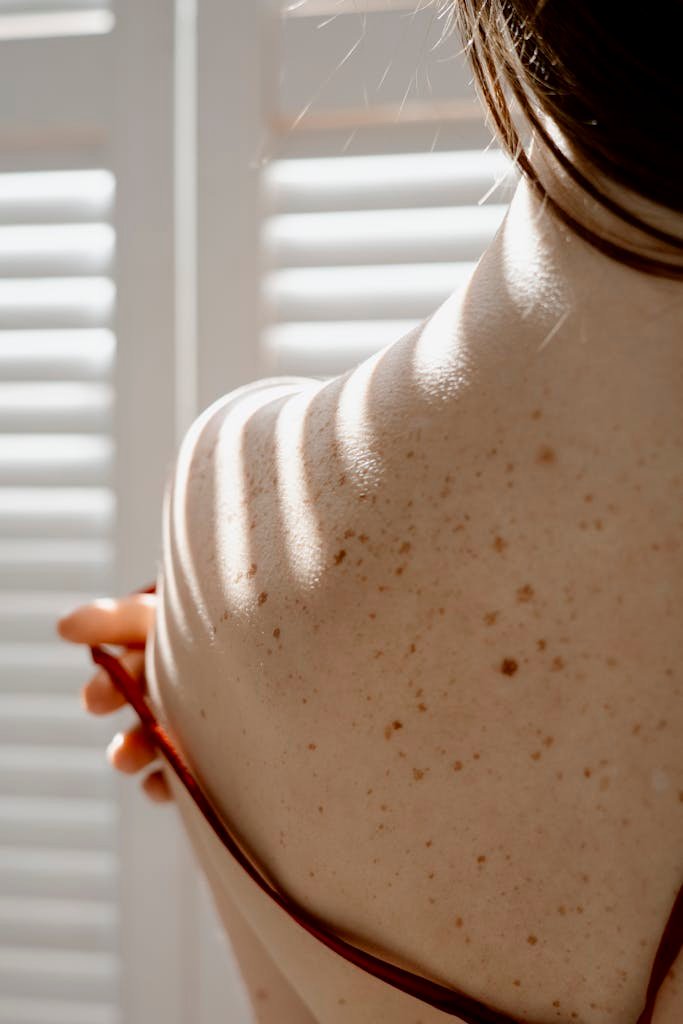
Age spots, scientifically known as solar lentigines or liver spots, are flat, typically tan, brown, or black spots that commonly appear on sun-exposed areas of the skin, such as the face, hands, shoulders, and arms . Despite their name, they aren’t solely a sign of ageing, but rather a direct consequence of years of sun exposure. Ultraviolet (UV) light from the sun or tanning beds accelerates the production of melanin. Over time, this melanin can accumulate in certain areas, leading to these distinct spots. While harmless, they can be a cosmetic concern for many. Hyperpigmentation, on the other hand, is a broader term encompassing any condition that causes patches of skin to become darker than the surrounding skin. It can manifest in various forms, including:
•Age Spots/Sunspots: As described above, these are a common form of hyperpigmentation.
•Melasma: Often triggered by hormonal changes, such as those during pregnancy (earning it the nickname “mask of pregnancy”), or from birth control pills. It typically appears as symmetrical, blotchy, brownish patches on the face .
•Post-inflammatory Hyperpigmentation (PIH): This occurs after an injury or inflammation to the skin, such as acne, eczema, or a cut. As the skin heals, it can produce too much melanin, leaving behind a dark spot or patch .
What Causes Age Spots and Hyperpigmentation?
Several factors contribute to the development and prominence of age spots and hyperpigmentation, especially as we mature:
•Sun Exposure: This is, without a doubt, the primary culprit. Years of unprotected exposure to UV radiation accumulate, leading to DNA damage in skin cells and stimulating melanocytes (melanin-producing cells) to go into overdrive. Even incidental exposure adds up over time.
•Age: While not solely age-related, the cumulative effect of sun exposure over decades means that age spots become more prevalent and noticeable in individuals over 40. Additionally, as we age, our skin’s natural regenerative processes slow down, making it harder for the skin to shed pigmented cells and repair itself efficiently.
•Hormonal Changes: Fluctuations in hormones, particularly estrogen and progesterone, can trigger melasma. This is why it’s common during pregnancy, menopause, or with the use of certain medications like oral contraceptives.
•Inflammation and Injury: Any trauma to the skin, whether from acne breakouts, allergic reactions, harsh skincare treatments, or even aggressive exfoliation, can lead to PIH. The inflammatory response signals the skin to produce more melanin as a protective mechanism.
•Genetics: Our genetic makeup plays a role in how our skin responds to sun exposure and inflammation. Some individuals are naturally more prone to developing hyperpigmentation than others.
•Medications: Certain medications, including some antibiotics, anti-inflammatory drugs, and even some chemotherapy agents, can increase photosensitivity or directly cause hyperpigmentation as a side effect.
Why Do Age Spots Appear More After 40 and What Triggers Them
This is the question I hear most often, and the answer involves several overlapping factors:
Cumulative sun damage. UV radiation is the number one culprit. Every hour of unprotected sun exposure throughout your life has been quietly activating melanocytes, the cells that produce melanin. After decades, this damage becomes visible as spots and uneven patches.
Hormonal shifts. Perimenopause and menopause bring significant hormonal changes that can trigger or worsen melasma. Oestrogen and progesterone influence melanin production, which is why many women notice a real uptick in pigmentation changes during this stage of life.
Slower cell turnover. In our twenties, skin cells regenerate roughly every 28 days. By our forties, that cycle slows to 45–60 days or more. Pigmented cells linger at the surface longer, making spots look more pronounced and harder to shift.
Reduced skin repair capacity. As we age, our skin produces less collagen, becomes thinner, and loses some of its ability to repair UV-induced DNA damage. This makes melanin overproduction more likely.
Years of accumulated inflammation. Old acne scars, skin injuries, or even repeated irritation from harsh skincare products can leave behind post-inflammatory hyperpigmentation that deepens over time.
How to Prevent Age Spots and Hyperpigmentation
Before we even think about treating existing spots, the most critical step in managing age spots and hyperpigmentation is prevention. Think of it as building a strong fortress around your skin. Here’s how to protect your radiant complexion:
•Sunscreen is Non-Negotiable: This is the golden rule. Apply a broad-spectrum sunscreen with an SPF of 30 or higher every single day, rain or shine, indoors or out. Reapply every two hours, or more frequently if swimming or sweating. Look for mineral sunscreens containing zinc oxide and titanium dioxide for broad-spectrum protection without harsh chemicals.
•Seek Shade: Especially during peak sun hours (10 AM to 4 PM), make shade your best friend. Utilize umbrellas, hats with wide brims, and sunglasses.
•Protective Clothing: Long-sleeved shirts, pants, and UV-protective clothing can offer an additional layer of defense against harmful UV rays.
•Gentle Skincare: Avoid harsh scrubs or aggressive treatments that can irritate the skin and trigger post-inflammatory hyperpigmentation. Opt for gentle cleansers and moisturizers.
•Antioxidant-Rich Diet and Skincare: Incorporate foods rich in antioxidants (berries, leafy greens, colorful vegetables) into your diet. Topical antioxidants like Vitamin C and E can also help neutralize free radicals generated by sun exposure, offering an extra layer of protection.
Why Essential Oils Are Effective for Hyperpigmentation and Uneven Skin Tone
I’m frequently asked why I reach for essential oils when there are prescription treatments and cosmeceuticals available. The honest answer is essential oils offer some genuine advantages.
They’re multitasking powerhouses. Unlike single-ingredient chemical treatments, essential oils contain hundreds of active compounds. A single oil might inhibit melanin production, reduce inflammation, accelerate cell turnover, AND provide antioxidant protection simultaneously.
They work gently but effectively. Many pharmaceutical skin-lightening agents (like hydroquinone) come with significant side effects and aren’t suitable for long-term use. Well-chosen essential oils, properly diluted, can be used consistently without damaging the skin barrier.
They address the root causes. Many pigmentation-targeting essential oils work not just by lightening existing spots, but by inhibiting the enzyme tyrosinase, which is central to melanin production — meaning they help prevent new spots from forming.
They nourish mature skin. At 40+ our skin needs more than just depigmentation. We need moisture, antioxidants, and support for collagen production. Many of the best pigmentation-targeting essential oils also deliver these benefits in the same drop.
The Best Essential Oils for Age Spots & Hyperpigmentation
Based on both traditional wisdom and emerging scientific understanding, several essential oils stand out for their remarkable ability to address age spots and hyperpigmentation. Here are my top recommendations, chosen for their efficacy and skin-loving properties.
1. Frankincense Essential Oil (Boswellia Carterii)
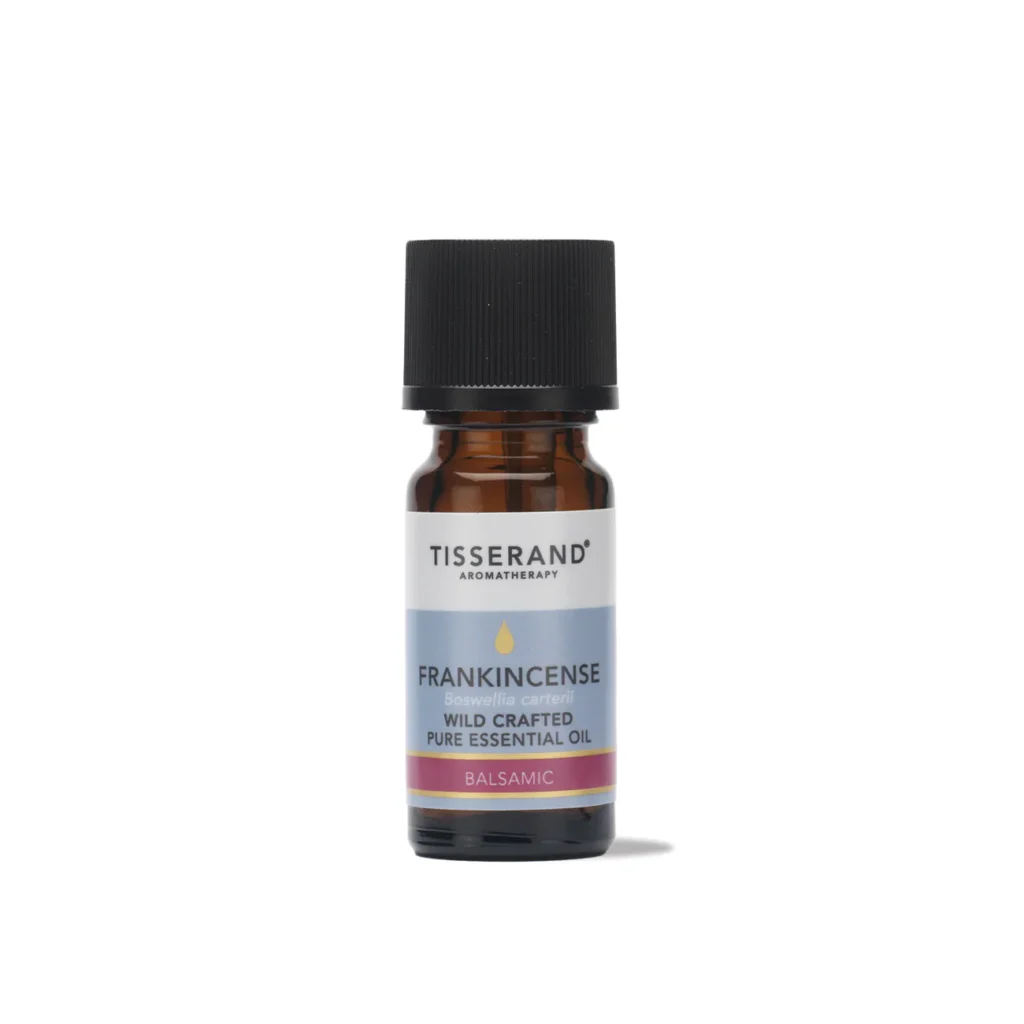
This is my absolute daily staple — and for good reason. Frankincense essential oil is arguably the most revered oil for mature skin. Its key active compounds, boswellic acids, promote healthy cell regeneration and reduce melanin overproduction. It has a remarkable ability to encourage old, damaged skin cells to shed and new ones to form, gradually fading dark patches. It’s also deeply anti-inflammatory, which helps with any redness or irritation accompanying pigmented areas. I genuinely can’t imagine my evening routine without it.
Best for: Age spots, general uneven tone, mature skin requiring regeneration.
2. Geranium Essential Oil (Pelargonium Graveolens)
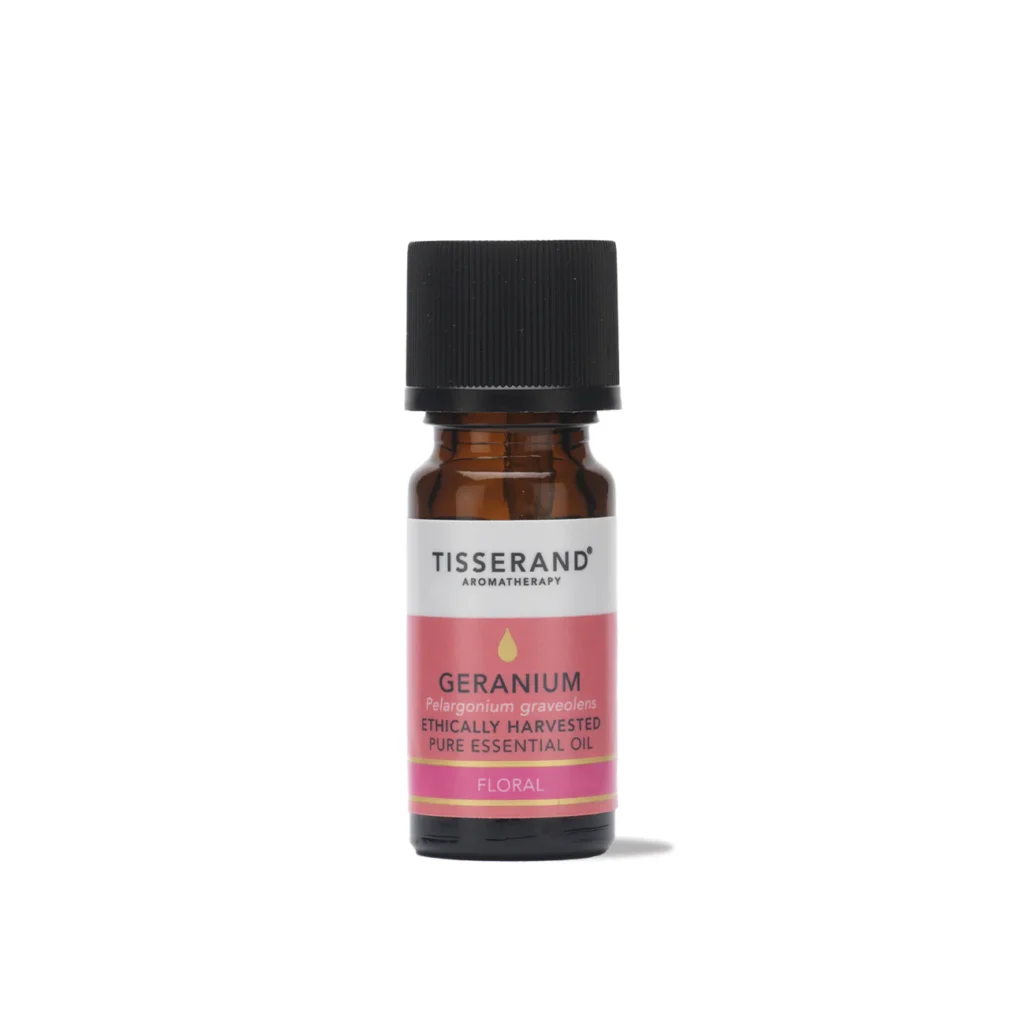
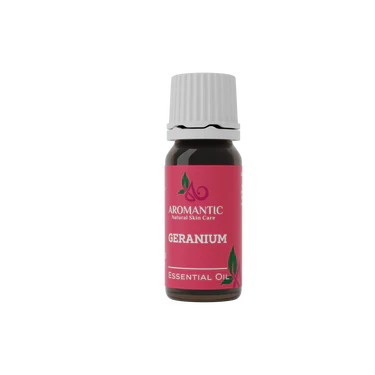
Geranium essential oil works by stimulating the lymphatic system and improving circulation in the skin, which helps deliver nutrients to skin cells and clear away cellular waste. It contains citronellol and geraniol, compounds that have been shown to inhibit tyrosinase activity — the enzyme that drives melanin overproduction. It’s also wonderfully balancing for skin tone and has a beautiful rosy floral scent.
Best for: Melasma, general discolouration, hormonal pigmentation changes.
3. Lemon Essential Oil (Citrus Limon)
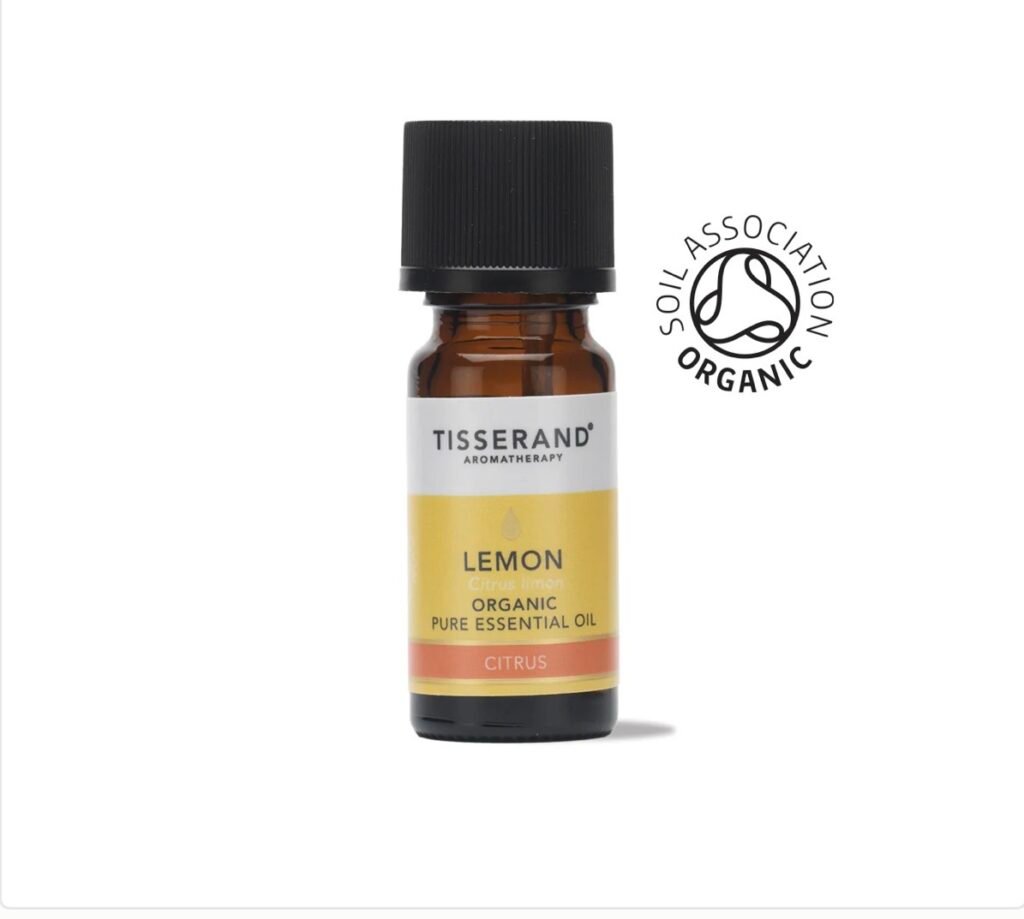
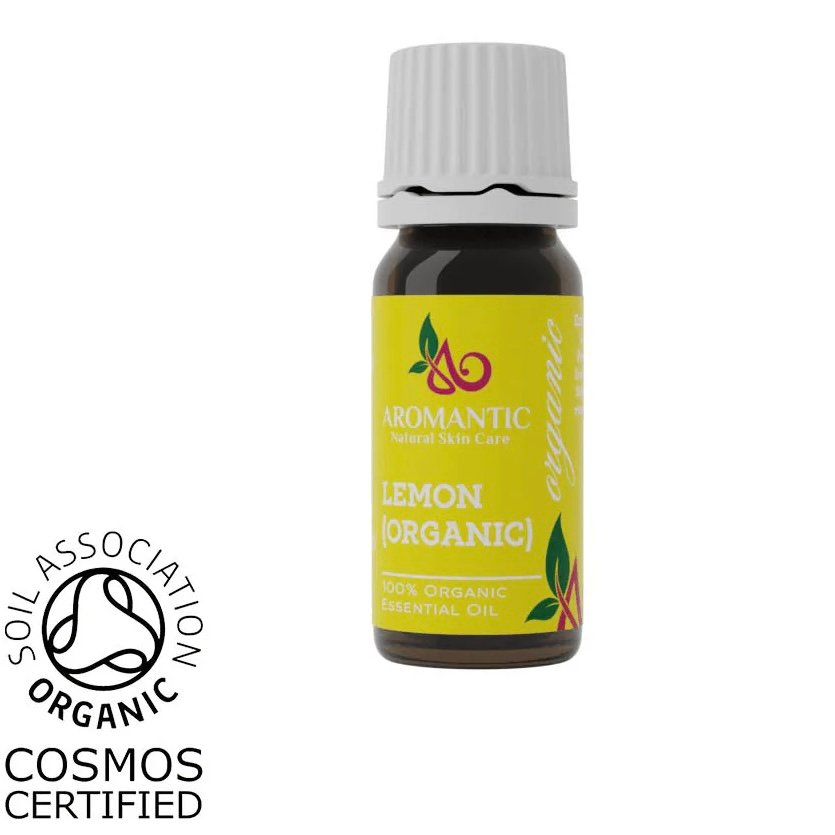
Lemon essential oil contains high concentrations of d-limonene and vitamin C precursors, making it a potent skin-brightening agent. It works by gently exfoliating the top layers of skin and inhibiting melanin synthesis. However — and this is crucial — lemon oil is strongly photosensitising. It must only be used in evening routines, and you should apply SPF the following morning without fail. When used correctly, it can produce visible brightening results within a few weeks.
Best for: Stubborn dark spots, brightening dull skin. Important Safety Note: This oil is photosensitising so EVENING USE ONLY.
4. Carrot Seed Essential Oil (Daucus Carota)
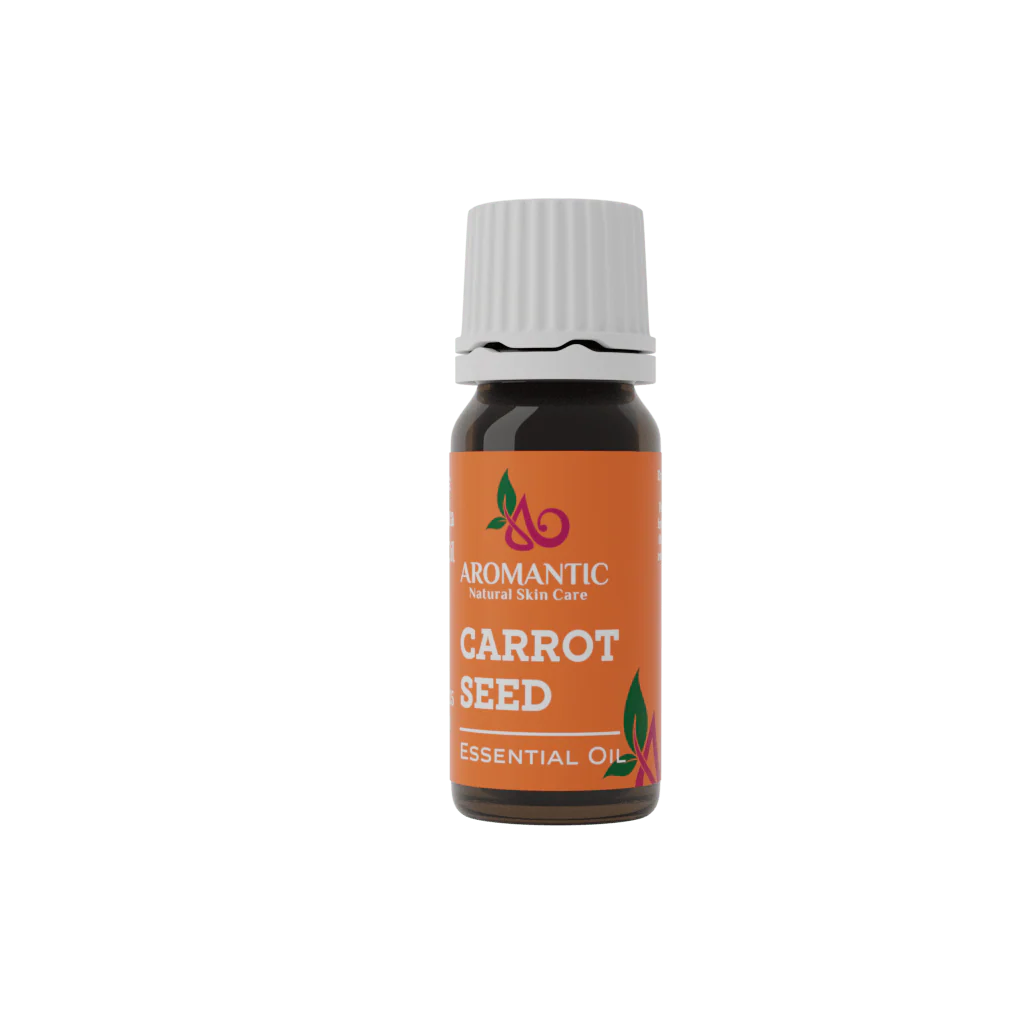
Carrot seed essential oil is rich in antioxidants, particularly beta-carotene and vitamin E precursors, which fight the free radical damage that contributes to melanin overproduction. It’s also a wonderful skin rejuvenator with a natural SPF-like quality (though not a replacement for sunscreen). Its earthy, warm scent blends beautifully with frankincense in evening serums. This is a lesser-known gem that genuinely deserves more attention in the anti-pigmentation world.
Best for: Sun damage, overall skin rejuvenation, antioxidant protection.
5. Helichrysum Essential Oil (Helichrysum Italicum)
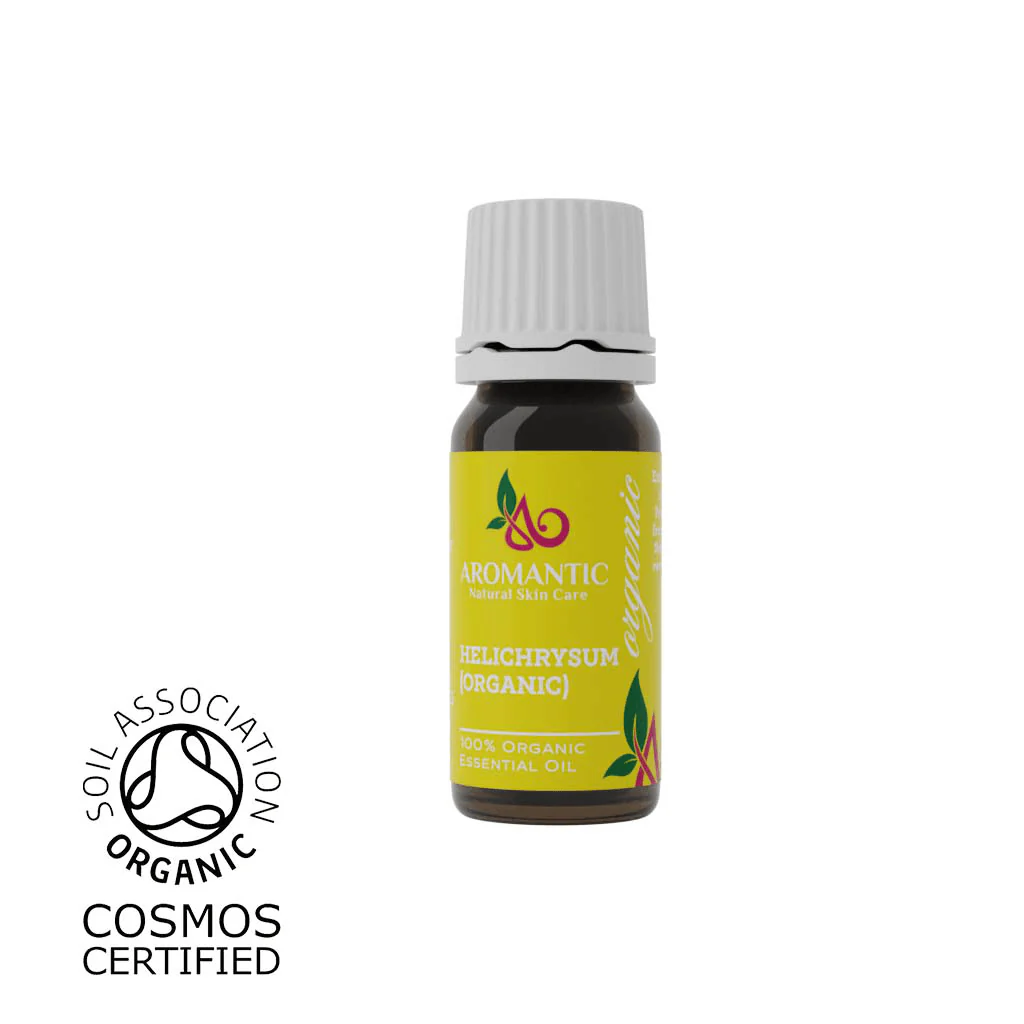
Helichrysum essential oil is one of the most powerful skin-regenerating essential oils available, and it’s absolutely brilliant for evening out skin tone. Often called “immortelle” or “everlasting,” this golden oil contains unique compounds called italidiones that actively work to brighten and unify the complexion by supporting healthy melanin distribution. It’s exceptionally effective at reducing the appearance of stubborn dark spots and post-inflammatory hyperpigmentation, while simultaneously promoting collagen production and improving skin elasticity. What I particularly love about helichrysum is its ability to work on multiple layers of skin damage at once — it helps fade existing pigmentation whilst strengthening the skin’s overall structure. It has a rich, honey-like herbaceous scent that adds a gorgeous depth to any facial serum.
Best for: Stubborn age spots, uneven skin tone, sun-damaged mature skin, brightening and evening complexion.
6. Lavender (Lavandula Angustifolia)
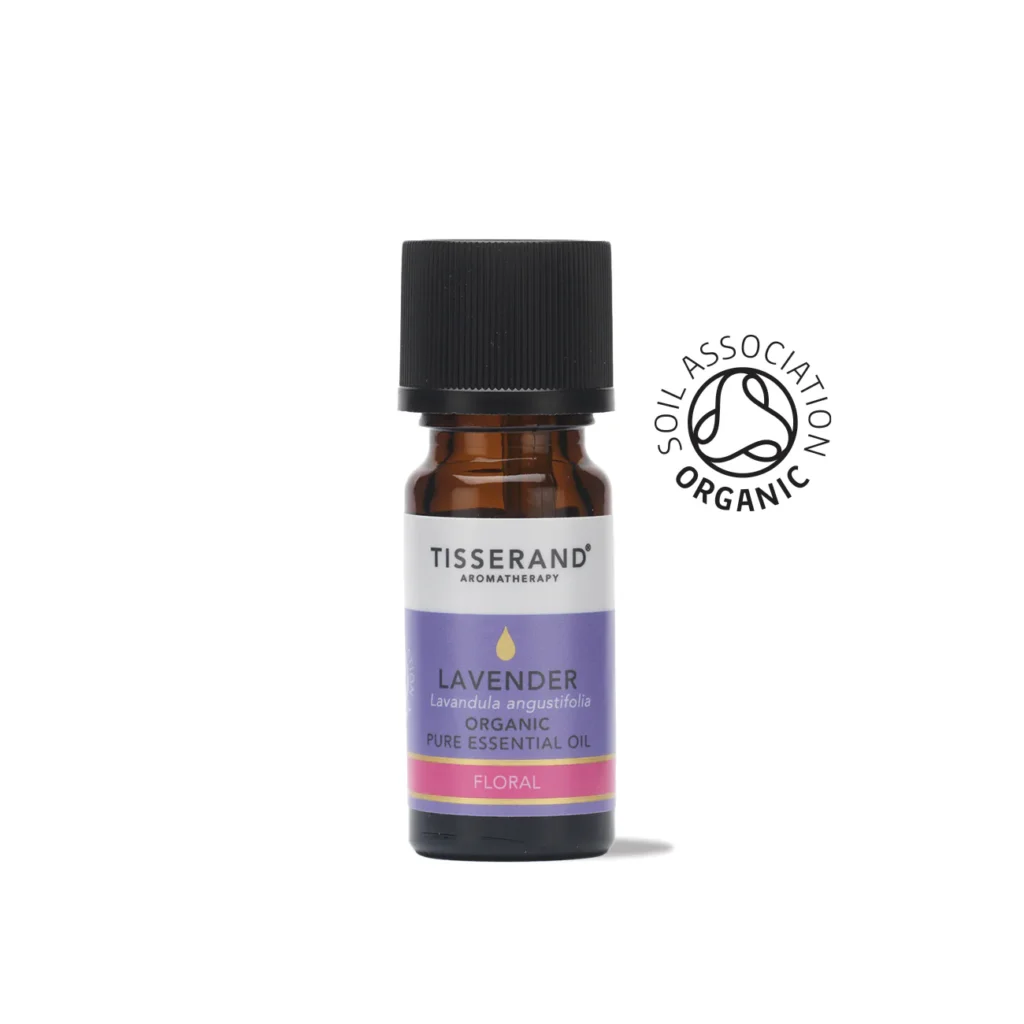
Lavender essential oil might not be the first oil people think of for pigmentation, but it belongs in every anti-spot blend. Its regenerative and anti-inflammatory properties help fade post-inflammatory hyperpigmentation — dark marks left by breakouts or skin trauma. It also supports the healing process and is safe enough to use around sensitive areas. I include it in almost every blend for its skin-calming and repairing properties.
Best for: Post-inflammatory hyperpigmentation, sensitive or reactive skin.
7. Rose Otto Essential Oil (Rosa Damascena)
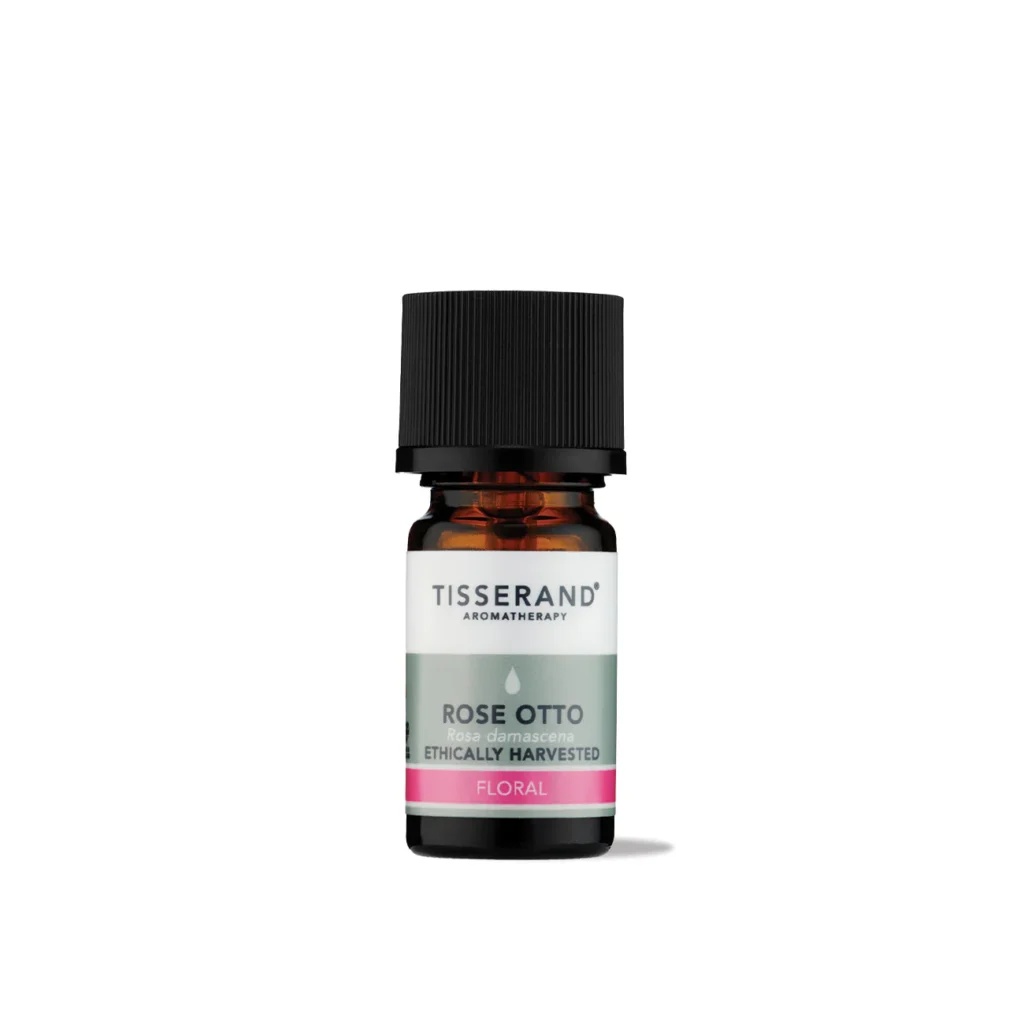
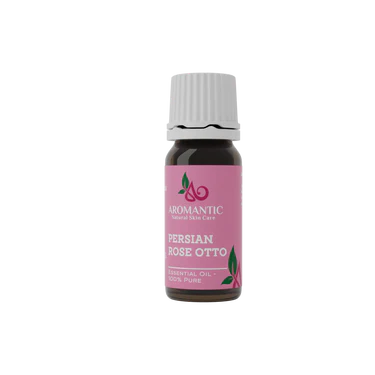
True Rose Otto essential oil, or Rose Absolute, is the queen of mature skin care. Packed with antioxidants including flavonoids and vitamin C, it works to prevent the oxidative damage that triggers melanin overproduction. It’s also renowned for its ability to increase skin’s moisture levels and improve elasticity. It’s a luxury oil, but a little goes a very long way — and the results are nothing short of extraordinary for skin over 40.
Best for: Mature skin, hormone-related pigmentation, overall luminosity.
The Best Carrier Oils for Pigmentation Support
Essential oils need to be diluted before applying to your skin. These carrier oils not only help safely deliver the essential oils to the skin, but also brighten it along with the suggested oils multiplying their effects.
My top carrier oils for this occasion are:
- Rosehip Seed oil: Rich in vitamin C and trans-retinoic acid, perfect for fading dark spots.
- Jojoba oil: Balances sebum and mimics the skin’s natural oils.
- Tamanu oil: Known for its wound-healing and skin-regenerating properties.
- Sweet almond oil: Gently nourishes mature, dry, or sun-exposed skin.
For face applications, aim for a dilution of 2%, meaning about 10–12 drops of essential oils per 30 ml (1 ounce) of carrier oil. For sensitive or first-time users, start with 1%.
DIY Recipes: Your At-Home Brightening Ritual
One of the things I love most about working with essential oils is making my own formulations. You know exactly what goes in, you can tailor them to your specific concerns, and they often outperform expensive shop-bought products. Here are two of my favourites recipes to tackle the hyperpigmentation that are incredibly good for mature skin .
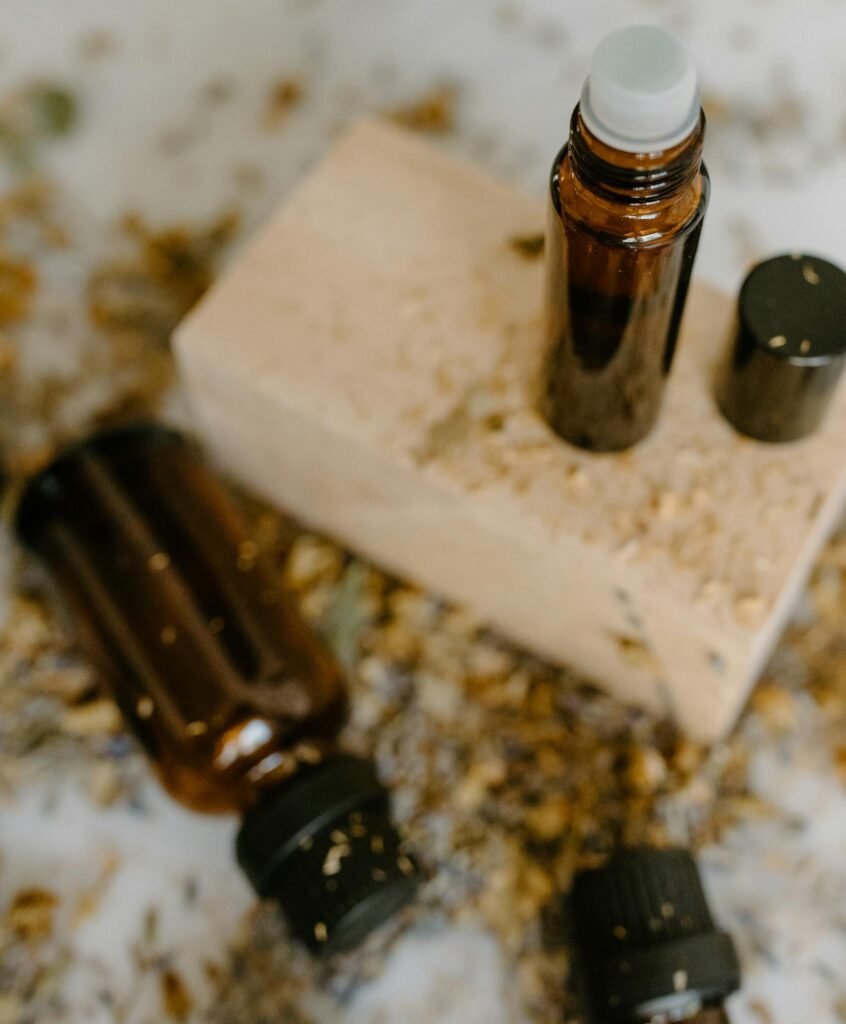
🌿 Recipe 1: Daily Brightening Night Serum
You will need:
- 30ml (1oz) Rosehip Seed oil
- 5 drops Frankincense essential oil
- 4 drops Helichrysum essential oil
- 3 drops Geranium essential oil
- 2 drops Carrot Seed essential oil
- 2 drops Lavender essential oil
- A 30ml dark glass dropper bottle
Method: Pour the Rosehip carrier oil into your dropper bottle, then add the essential oils. Close, roll gently between your palms to blend (never shake!). Apply 4–5 drops to cleansed face, neck, and décolletage each evening, pressing gently into skin rather than rubbing. Follow with your usual moisturiser if needed.
Shelf life: Up to 6 months stored in a cool, dark place. Add 2 drops of vitamin E oil as a natural preservative to extend freshness.
🌿 Recipe 2: Brightening Spot Treatment Roller
This is a more targeted formula for direct application to individual dark spots, used twice daily. It’s a slightly higher concentration because it’s applied to small, specific areas only.
You will need:
- 10ml Jojoba oil
- 3 drops Lemon essential oil
- 2 drops Frankincense essential oil
- 2 drops Helichrysum essential oil
- 1 drop Rose Otto essential oil (optional but wonderful if budget allows)
- A 10ml dark glass roller bottle
Method: Add essential oils to the roller bottle, then top with Jojoba oil and insert the roller ball. Roll directly onto individual dark spots only — not the whole face. Apply in the evening after cleansing. In the morning, apply broad-spectrum SPF 30+ without exception. Use consistently for at least 8 weeks for visible results.
Important: Do a patch test inside your elbow 24 hours before first use. Discontinue if any irritation occurs.
A FInal Word
Embracing essential oils in your journey to address age spots and hyperpigmentation is a beautiful step towards holistic self-care. It’s about nurturing your skin with nature’s finest, understanding its needs, and providing it with the gentle yet powerful support it deserves.
When it comes to the hyperpigmentation for me personally Lemon essential oil is my hero. I always use it after holidays in either my moisturiser or serum at night. I tested it so many times and I can promise you that after using it approximately for a week, your skin will start to look brighter. I of course invite you to experiment with the recommended essential oils and find the one that will work particularly well for you. Drop a comment below and let me know how it is going, or if you have any questions — I’m always here to help you find your way through the wonderful world of essential oils.
Disclaimer: This post contains affiliate links. If you purchase through these links, I may earn a small commission at no extra cost to you — it helps me keep creating free content. I only ever recommend products I personally use and trust. This post is for informational purposes only and is not a substitute for professional medical advice. Always perform a patch test before applying new products to your skin.